2026 Global Basketball Apparel Market: Sustainable US Shift
Advertisements
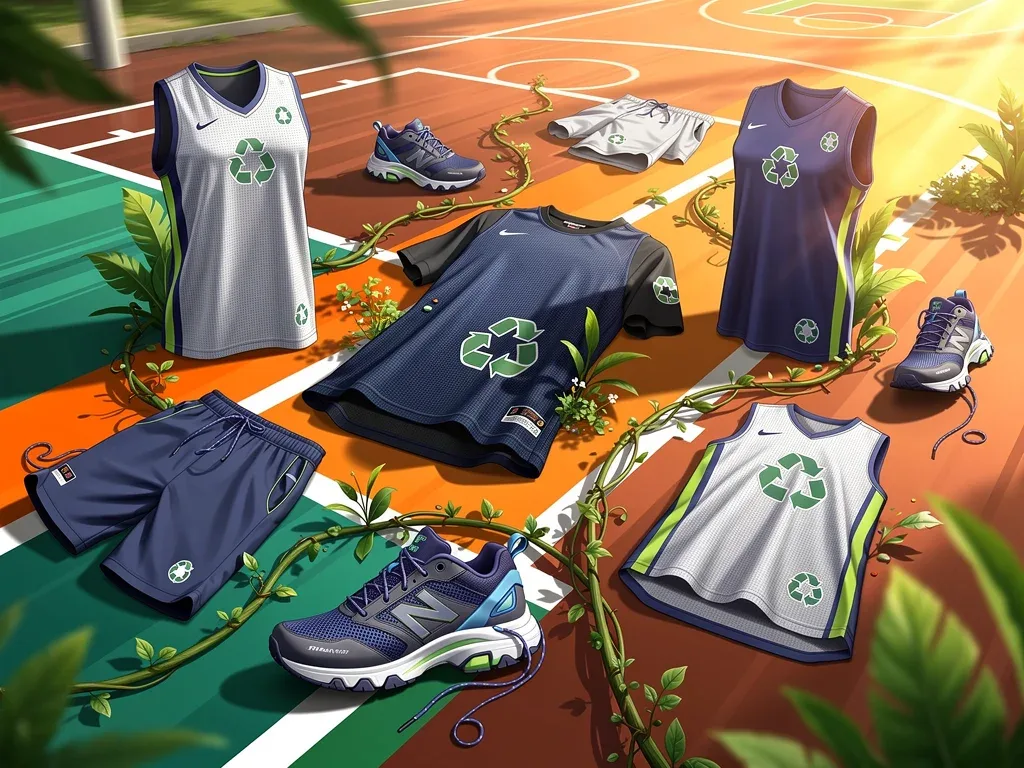
The 2026 Global Basketball Apparel Market is experiencing a pivotal 7% shift towards sustainable materials in the United States, reflecting a growing consumer preference for eco-conscious products and driving innovation across the industry.
The landscape of athletic wear is continually evolving, and within this dynamic environment, The 2026 Global Basketball Apparel Market: A 7% Shift Towards Sustainable Materials in the US stands out as a critical indicator of future trends. This significant movement towards eco-friendly practices isn’t just a fleeting fad; it represents a fundamental change in how manufacturers, brands, and consumers approach sportswear.
Understanding the Driving Forces Behind Sustainable Apparel
The push for sustainable basketball apparel is not a singular phenomenon but rather a confluence of various factors. From heightened environmental awareness among consumers to corporate social responsibility initiatives, the industry is responding to a collective call for change. This section delves into the primary catalysts propelling this crucial shift.
Consumer sentiment plays an undeniable role. Today’s basketball enthusiasts, particularly younger demographics, are increasingly conscious of their ecological footprint. They seek products that align with their values, leading to a demand for transparency in manufacturing processes and the use of environmentally friendly materials. This has prompted brands to re-evaluate their production methods and material sourcing.
The Rise of Eco-Conscious Consumers
A significant portion of the market now prioritizes sustainability when making purchasing decisions. This isn’t limited to food or household goods; it extends directly into their athletic wear choices.
- Increased awareness of climate change impacts.
- Desire for ethically produced goods.
- Preference for brands demonstrating genuine commitment to sustainability.
- Influence of social media and public figures advocating for eco-friendly practices.
Beyond individual consumers, regulatory pressures and industry standards are also contributing. Governments and international bodies are implementing stricter guidelines regarding waste, pollution, and ethical labor practices, pushing companies to adopt more sustainable models. The collective impact of these forces is reshaping the entire supply chain, from raw material extraction to final product delivery. The commitment to reducing environmental harm is no longer optional but a competitive imperative.
In conclusion, the shift towards sustainable basketball apparel is a complex yet necessary evolution, driven by informed consumers, responsible corporate practices, and an evolving regulatory landscape. These forces are collectively steering the industry towards a more environmentally conscious future, setting a new standard for athletic wear.
Innovations in Sustainable Materials for Basketball Apparel
The core of the sustainable shift in basketball apparel lies in material innovation. Traditional synthetic fabrics, while durable and performance-driven, often come with a heavy environmental cost. The industry is now actively exploring and implementing alternatives that offer comparable performance benefits with a significantly reduced ecological footprint.
Recycled polyesters, made from post-consumer plastic bottles, have become a cornerstone of this movement. They offer the same moisture-wicking and quick-drying properties as virgin polyester but divert waste from landfills. Beyond recycled materials, bio-based fabrics derived from renewable resources like organic cotton, bamboo, and even plant-based polymers are gaining traction, providing comfort and breathability while minimizing reliance on petrochemicals.
Advancements in Fabric Technology
Material science is at the forefront of this revolution, developing fabrics that are not only sustainable but also enhance athletic performance.
- Recycled Polyester: Utilizing plastic waste to create high-performance, durable fabrics.
- Organic Cotton: Grown without harmful pesticides or synthetic fertilizers, reducing environmental impact.
- Bamboo Fabric: Known for its softness, breathability, and natural antimicrobial properties, with a fast growth cycle.
- Bio-based Synthetics: Polymers derived from plant sugars or other renewable biomass, offering alternatives to petroleum-based materials.
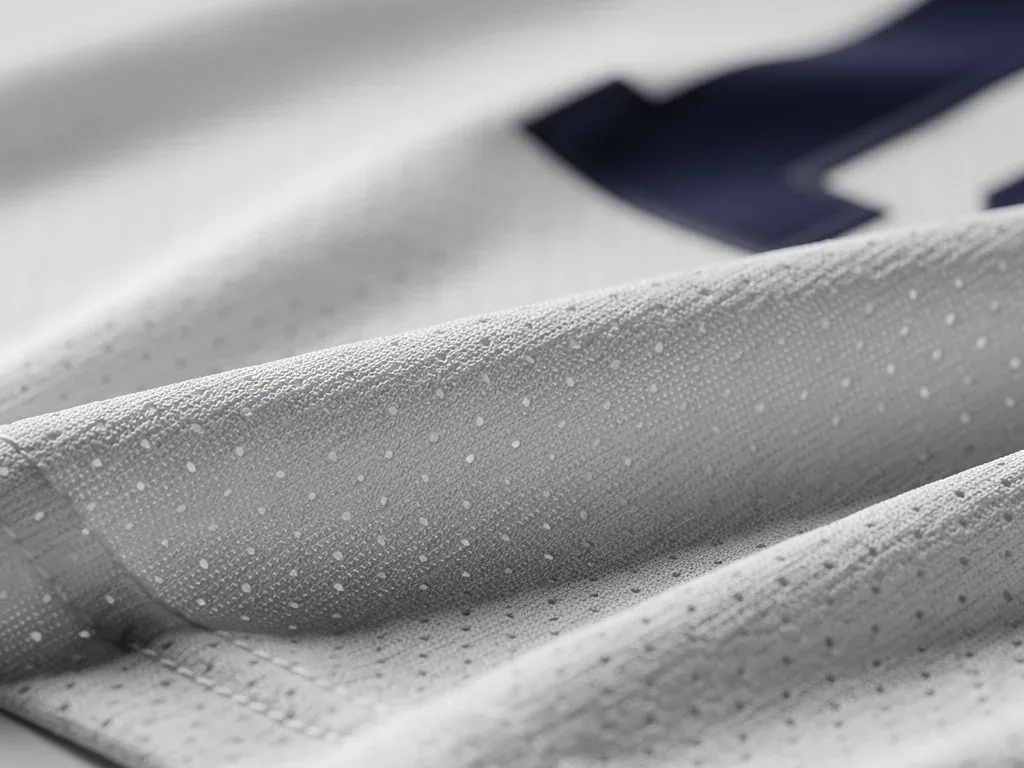
The development of these materials isn’t without its challenges. Ensuring scalability, maintaining cost-effectiveness, and guaranteeing performance parity with conventional materials are ongoing hurdles. However, continuous research and development efforts are steadily overcoming these obstacles, leading to a broader adoption of these innovative textiles across the market. The commitment to these new materials reflects a long-term vision for the basketball apparel industry, one where environmental stewardship is integrated into every product cycle.
Ultimately, the innovations in sustainable materials are not just about environmental responsibility; they are about redefining what high-performance athletic wear can be. By pushing the boundaries of fabric technology, brands are not only meeting consumer demand but also setting new industry benchmarks for quality, durability, and ecological integrity.
Impact of Sustainability on US Basketball Apparel Brands
The 7% shift towards sustainable materials in the US basketball apparel market is profoundly impacting how brands operate, from design and manufacturing to marketing and consumer engagement. This isn’t merely a trend; it’s a strategic imperative that influences brand identity and market positioning.
Leading brands are investing heavily in research and development to integrate sustainable practices throughout their supply chains. This includes partnering with eco-certified suppliers, implementing closed-loop production systems, and exploring innovative dyeing techniques that reduce water consumption and chemical waste. The goal is to create products that not only perform exceptionally on the court but also resonate with the values of environmentally conscious consumers.
Redefining Brand Identity and Consumer Trust
Sustainability is becoming a core component of brand narratives, fostering greater trust and loyalty among consumers.
- Enhanced Brand Reputation: Brands seen as environmentally responsible gain a competitive edge.
- Increased Consumer Engagement: Shoppers are more likely to support brands that align with their ethical values.
- Innovation in Product Design: Sustainable materials inspire new design aesthetics and functional features.
- Supply Chain Transparency: Brands are increasingly open about their sourcing and manufacturing processes.
Furthermore, this shift is creating new market segments and opportunities for smaller, niche brands that are built entirely around sustainable principles. These brands often leverage their eco-friendly ethos as a primary differentiator, attracting a dedicated customer base. Established giants, while facing the challenge of transforming vast existing infrastructures, are also recognizing the long-term benefits of sustainability, including cost efficiencies through reduced resource consumption and enhanced public perception.
The commitment to sustainability is prompting a complete rethinking of the product lifecycle. From initial concept to end-of-life disposal, brands are considering every stage to minimize environmental impact. This holistic approach ensures that the shift towards sustainable materials is not just about individual components but about creating a truly responsible and circular economy for basketball apparel. This comprehensive strategy will continue to shape the industry for years to come.
Challenges and Opportunities in Adopting Sustainable Practices
While the momentum towards sustainable basketball apparel is undeniable, the journey is not without its hurdles. Brands face a complex array of challenges, from sourcing and production costs to ensuring consumer acceptance of new materials. However, these challenges also present significant opportunities for innovation and market leadership.
One of the primary challenges is the initial investment required to transition to sustainable materials and processes. Sustainable alternatives can sometimes be more expensive to produce than traditional materials, potentially impacting profit margins or necessitating higher retail prices. Additionally, scaling sustainable production to meet global demand requires significant infrastructure development and technological advancements. Ensuring consistent quality and performance across different sustainable materials is another critical consideration for brands.
Overcoming Obstacles and Seizing New Markets
Brands are actively working to mitigate these challenges, turning them into opportunities for growth and differentiation.
- Cost Management: Investing in long-term sustainable solutions can lead to cost savings through reduced waste and energy consumption.
- Supply Chain Development: Fostering relationships with innovative sustainable material suppliers.
- Consumer Education: Communicating the value and benefits of sustainable products to justify potential price differences.
- Innovation and R&D: Developing proprietary sustainable technologies to gain a competitive edge.
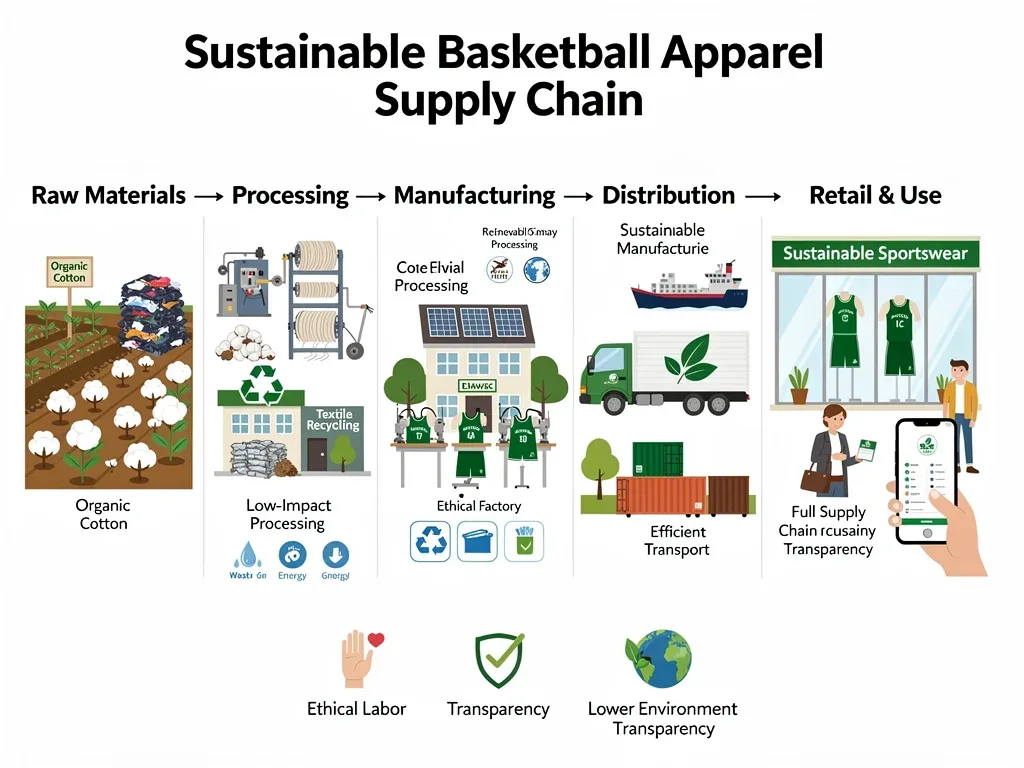
The opportunities, however, are substantial. Brands that successfully integrate sustainable practices can differentiate themselves in a crowded market, appeal to a growing segment of eco-conscious consumers, and build stronger brand loyalty. Furthermore, pioneering sustainable solutions can lead to intellectual property and new revenue streams through licensing or partnerships. The regulatory landscape also presents an opportunity, as early adopters of sustainable practices will be better positioned to comply with future environmental regulations, avoiding costly retrofits or penalties.
In essence, the challenges associated with sustainable adoption are driving innovation, forcing brands to rethink their entire operational model. Those that can navigate these complexities effectively will not only contribute to a healthier planet but also secure a stronger, more resilient position in the evolving basketball apparel market. This transformation is about long-term vision and strategic adaptation.
Consumer Perception and Purchasing Behavior in the US
The 7% shift towards sustainable materials in the US basketball apparel market is intrinsically linked to evolving consumer perceptions and purchasing behaviors. American consumers are becoming increasingly discerning, moving beyond mere aesthetics and performance to consider the ethical and environmental implications of their purchases. This shift is not just about a preference; it’s about a value alignment.
Research indicates a growing willingness among US consumers to pay a premium for sustainable products, provided the transparency and authenticity of the brand’s efforts are clear. They are actively seeking information about how products are made, where materials are sourced, and the overall environmental impact of a company. This heightened awareness is putting pressure on brands to not only adopt sustainable practices but also to communicate them effectively and truthfully.
Key Factors Influencing Consumer Choices
Several factors are shaping how US consumers perceive and purchase sustainable basketball apparel.
- Transparency: Demand for clear information on sourcing, manufacturing, and environmental certifications.
- Authenticity: Consumers look for genuine commitment to sustainability, not just ‘greenwashing’.
- Performance: Sustainable apparel must still meet high standards for durability, comfort, and athletic functionality.
- Brand Storytelling: Effective communication of a brand’s sustainable journey and impact.
- Peer Influence: Recommendations from athletes, influencers, and social circles play a significant role.
Social media and digital platforms have amplified this trend, allowing consumers to easily share information, review products, and hold brands accountable. A brand’s sustainable initiatives can quickly gain widespread recognition, or conversely, missteps can lead to significant backlash. This dynamic environment means that building and maintaining consumer trust through genuine sustainable efforts is paramount. The narrative around sustainable basketball apparel is no longer just about the product itself but about the values it represents and the impact it makes.
Ultimately, the success of the sustainable shift in the US market hinges on brands’ ability to connect with consumers on an emotional and ethical level. By offering high-quality, high-performance, and genuinely sustainable products, brands can cultivate a loyal customer base that champions both athletic excellence and environmental responsibility. This deep understanding of consumer behavior is vital for sustained growth in the market.
Forecasting the Future: 2026 and Beyond
The 7% shift towards sustainable materials in the US basketball apparel market by 2026 is merely a stepping stone towards a much broader transformation. Looking beyond this immediate horizon, the future of basketball apparel is undeniably green, with sustainability becoming an integrated, rather than an optional, component of the industry.
We can anticipate further advancements in material science, leading to even more innovative and performance-driven sustainable fabrics. This might include fully biodegradable materials, advanced recycling technologies that handle complex blends, and even fabrics with built-in smart features that enhance performance and durability while maintaining ecological integrity. The emphasis will move towards circular economy models, where products are designed for longevity, repair, and eventual recycling, minimizing waste at every stage.
Emerging Trends and Strategic Directions
Several key trends are expected to define the basketball apparel market in the coming years.
- Circular Economy Integration: Products designed for end-of-life recycling and reuse.
- Personalization and Customization: Sustainable materials enabling bespoke and on-demand production, reducing overproduction.
- Digitalization of Supply Chains: Enhanced transparency and traceability through blockchain and other digital tools.
- Collaborative Innovation: Increased partnerships between brands, material scientists, and recycling experts.
- Policy and Regulatory Influence: Stricter environmental regulations driving further sustainable adoption.
Furthermore, the influence of athletes and sports organizations will continue to grow. As more high-profile basketball players champion sustainable causes, their endorsements will further accelerate consumer adoption and push brands to innovate faster. Major leagues and associations may also implement stricter sustainability requirements for team uniforms and merchandise, creating a top-down pressure for change across the entire ecosystem.
The trajectory points towards a future where sustainable basketball apparel is not a niche offering but the industry standard. Brands that proactively embrace this future, investing in innovation, transparency, and consumer education, will be well-positioned for long-term success. The environmental imperative, combined with evolving consumer values, ensures that sustainability will remain at the forefront of the basketball apparel market’s evolution for decades to come, creating a healthier planet and a more responsible industry.
| Key Point | Brief Description |
|---|---|
| 7% US Shift by 2026 | The US basketball apparel market is projected to see a 7% increase in sustainable material adoption by 2026. |
| Consumer Demand | Growing consumer awareness and preference for eco-friendly products are key drivers of this market change. |
| Material Innovation | Advancements in recycled polyesters, organic cotton, and bio-based fabrics are enabling sustainable production. |
| Brand Impact | Brands are redefining their identities, supply chains, and marketing strategies to align with sustainable values. |
Frequently Asked Questions About Sustainable Basketball Apparel
What does ‘sustainable materials’ mean in basketball apparel?▼Sustainable materials refer to fabrics and components derived from renewable resources, recycled content, or processes that minimize environmental impact. Examples include recycled polyester from plastic bottles, organic cotton, and bio-based synthetics that reduce reliance on fossil fuels and lower water/energy consumption during production.
Why is there a 7% shift towards sustainable materials in the US market by 2026?▼This shift is driven primarily by increasing consumer demand for eco-friendly products, heightened environmental awareness, and corporate social responsibility initiatives. Brands are responding to these pressures by integrating sustainable practices, recognizing both the ethical imperative and the market opportunity to appeal to conscious consumers.
How does sustainable apparel impact performance on the court?▼Modern sustainable materials are engineered to match or even surpass the performance of traditional fabrics. Recycled polyesters, for instance, offer excellent moisture-wicking and breathability. Innovations ensure that sustainable basketball apparel maintains high standards for durability, comfort, flexibility, and overall athletic functionality, without compromise.
Are sustainable basketball apparel products more expensive?▼Initially, sustainable materials and production processes can sometimes incur higher costs due to research, development, and specialized sourcing. However, as technologies advance and economies of scale are achieved, prices are becoming more competitive. Many consumers are also willing to pay a premium for products that align with their environmental values.
What role do brands play in this sustainable shift?▼Brands are central to this transformation, investing in R&D for new materials, redesigning supply chains, and adopting eco-friendly manufacturing. They are also crucial in educating consumers about the benefits of sustainable apparel and building trust through transparency. Their commitment is vital for driving widespread adoption and innovation in the market.
Conclusion
The 2026 Global Basketball Apparel Market is clearly charting a course towards a more sustainable future, particularly with the notable 7% shift towards eco-friendly materials in the United States. This evolution is not a temporary trend but a fundamental reorientation driven by an increasingly informed consumer base, proactive brand innovation, and evolving regulatory landscapes. The integration of sustainable practices, from material sourcing to manufacturing and consumer engagement, is redefining industry standards and setting new benchmarks for ethical production. While challenges remain in scalability and cost, the opportunities for market differentiation, enhanced brand loyalty, and significant environmental impact are immense. As we move forward, sustainability will be an indispensable pillar of success in the basketball apparel sector, ensuring that performance on the court goes hand-in-hand with responsibility towards the planet.