2026 College Basketball Recruiting: Transfer Portal Up 10%
Advertisements
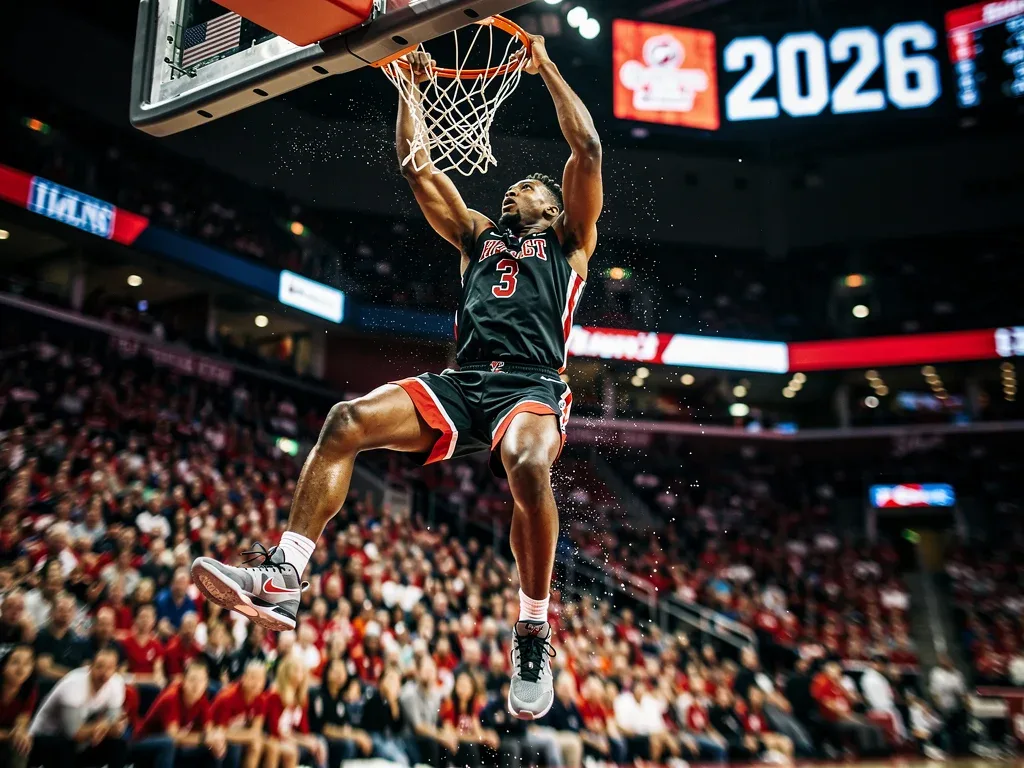
The 2026 college basketball recruiting market is witnessing an unprecedented 10% increase in transfer portal activity, fundamentally altering traditional recruitment strategies and accelerating roster construction for programs nationwide.
The landscape of college basketball recruiting market is in a constant state of evolution, and as we look towards 2026, the signs point to an accelerated period of change, particularly concerning player movement. The transfer portal, once a novel concept, has cemented its role as a pivotal mechanism for roster construction, with projections indicating a significant 10% increase in activity for the 2026 cycle. This surge is not merely a statistic; it reflects deeper systemic shifts driven by Name, Image, and Likeness (NIL) opportunities, coaching changes, and players seeking optimal development paths. Understanding these dynamics is crucial for coaches, recruits, and fans alike, as they collectively shape the future of collegiate basketball.
The Evolving Role of the Transfer Portal in 2026
The transfer portal has dramatically reshaped the traditional recruiting model, moving beyond its initial purpose as an escape valve for dissatisfied players. In the 2026 cycle, it’s projected to become an even more central component of roster management, with a notable 10% increase in player entries. This isn’t just about players seeking new opportunities; it’s also about coaches actively leveraging the portal to fill immediate needs, acquire experienced talent, and even strategically replace departing players.
The fluidity introduced by the portal means that high school recruiting, while still vital, now exists in a more complex ecosystem. Programs must balance the development of incoming freshmen with the instant impact potential of transfers. The speed at which rosters can be overhauled poses both immense opportunities and significant challenges for coaching staffs attempting to build cohesive, championship-contending teams.
Impact on Roster Construction
Coaches are increasingly viewing the transfer portal as a year-round recruiting tool, rather than a seasonal window. This shift demands continuous evaluation and relationship building, as players can enter the portal at various points, creating a dynamic marketplace for talent. The ability to identify, recruit, and integrate transfers effectively will be a hallmark of successful programs in 2026.
- Immediate Skill Infusion: Transfers often bring collegiate experience, reducing the learning curve.
- Positional Needs: The portal allows for targeted recruitment to address specific roster gaps.
- Veteran Leadership: Experienced transfers can provide stability and mentorship to younger players.
Ultimately, the transfer portal’s enhanced role signifies a more transactional, yet potentially more efficient, approach to building a competitive college basketball program. Its impact extends beyond individual players, influencing team chemistry, strategic planning, and the overall competitive balance of conferences.
NIL and Its Influence on Player Movement
Name, Image, and Likeness (NIL) opportunities have fundamentally altered the motivation behind player decisions, intertwining financial incentives with athletic aspirations. For the 2026 college basketball recruiting market, NIL is not just a factor; it’s a primary driver, directly contributing to the increased transfer portal activity. Players are now weighing potential earnings and brand-building opportunities alongside traditional factors like playing time and team success.
This new paradigm has created a competitive environment where schools with robust NIL collectives and established networks can attract top talent, including those already proven at the collegiate level. The ability to offer substantial NIL deals can sway a player’s decision to transfer, even from a successful program, if a more lucrative or brand-aligned opportunity arises elsewhere.
The Financial Dimension of Transfers
The financial aspect of NIL has transformed players into entrepreneurs, making career decisions that optimize both their athletic and economic futures. This entrepreneurial mindset directly fuels the transfer portal, as players seek programs that not only offer competitive basketball but also significant financial backing and marketing potential. This necessitates a more sophisticated approach from universities, requiring them to not only sell their athletic program but also their NIL ecosystem.
- Enhanced Earning Potential: Players are seeking programs where their NIL value is maximized.
- Brand Development: Opportunities for personal brand growth influence transfer choices.
- Collective Strength: The resources of a school’s NIL collective are increasingly a recruiting advantage.
The interplay between NIL and the transfer portal means that recruitment is no longer solely about athletic prowess or academic fit. It’s a holistic evaluation that includes a player’s market value, creating a more complex and often more fluid environment for player movement within the 2026 college basketball landscape.
Strategic Implications for Coaching Staffs
For coaching staffs navigating the 2026 college basketball recruiting market, the surge in transfer portal activity presents a dual challenge and opportunity. The increased fluidity demands a more adaptable and proactive recruiting strategy, where traditional high school scouting is complemented by continuous monitoring and engagement with potential transfers. Coaches must be adept at evaluating talent quickly and integrating new players seamlessly into their systems.
Beyond talent acquisition, the focus shifts to player retention. With players having more freedom to move, fostering a positive team culture, ensuring player development, and transparent communication regarding roles and NIL opportunities become paramount. A well-managed program that prioritizes player well-being and growth can mitigate the risk of losing key contributors to the portal.
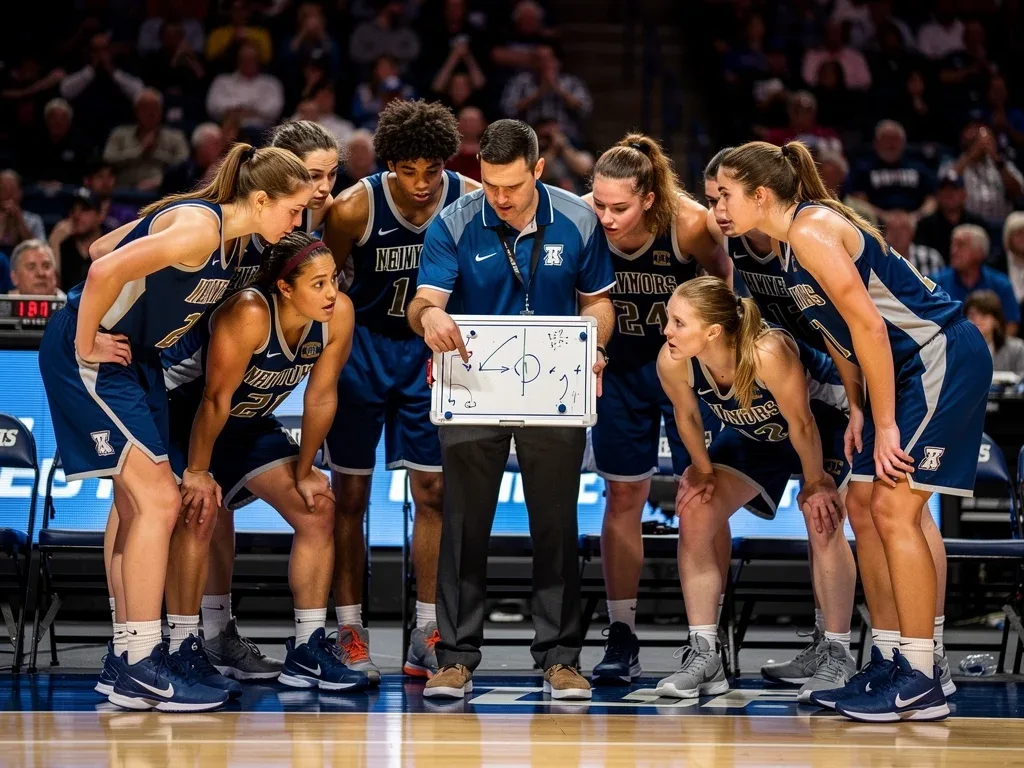
Adapting Recruitment Methodologies
The traditional recruitment calendar has been disrupted, requiring coaches to be perpetually ‘on’ when it comes to talent evaluation. This means expanding scouting networks, utilizing advanced analytics to identify potential transfer fits, and dedicating resources to build relationships with players who might consider transferring. The emphasis is on speed and precision in a highly competitive market.
- Continuous Scouting: Year-round evaluation of potential transfer candidates.
- Relationship Building: Cultivating connections with players and their inner circles.
- Analytical Approach: Using data to predict transfer fit and impact.
The strategic implications are profound. Coaching staffs that master the art of both high school and transfer recruiting, while simultaneously prioritizing player retention through strong program culture, will be best positioned for sustained success in the evolving 2026 college basketball landscape.
Player Development and the Transfer Conundrum
The increased transfer portal activity, particularly the projected 10% rise for 2026, introduces a significant conundrum for player development within college basketball. While the portal offers players avenues for immediate playing time or a better fit, it can also disrupt long-term development plans. Coaches are grappling with how to balance the need to develop young talent with the reality that players might opt to transfer if their progress isn’t as rapid as they desire.
For players, the decision to transfer is often driven by the pursuit of more minutes, a different coaching philosophy, or greater exposure. However, repeatedly transferring can sometimes hinder consistent skill development and integration into a stable system. The challenge for both players and programs is to find the optimal balance between seeking new opportunities and committing to a developmental path.
Long-Term Player Trajectories
The constant movement can impact a player’s ability to fully mature within a single system, potentially affecting their professional prospects. While some transfers flourish, others struggle to find their footing in new environments. Programs are therefore focusing on individualized development plans that not only enhance skills but also address mental fortitude and adaptability, preparing players for potential transitions.
- Personalized Development: Tailoring training to individual player needs and goals.
- Mental Fortitude: Preparing players for the pressures of modern college basketball.
- Strategic Transfer Decisions: Guiding players to make informed choices about their future.
Ultimately, the transfer conundrum highlights the evolving relationship between player development and immediate gratification. For the 2026 college basketball recruiting market, programs and players must navigate this delicate balance to ensure both individual growth and team success.
The Impact on College Basketball Program Stability
The projected 10% increase in transfer portal activity for the 2026 college basketball recruiting market poses significant challenges to program stability. Building a cohesive team, fostering chemistry, and establishing long-term strategic plans become inherently more difficult when a substantial portion of the roster can change annually. This fluidity often means that programs are constantly in a rebuilding or retooling phase, rather than a sustained growth trajectory.
Coaches face the constant pressure of recruiting not only high school prospects but also retaining current players and actively seeking transfers to fill voids. This constant churn can affect team identity, fan engagement, and the ability to cultivate a consistent winning culture. Programs with strong traditions and loyal fan bases may find themselves having to adapt more rapidly than ever before to maintain their competitive edge.
Maintaining Cohesion Amidst Change
Maintaining team cohesion and developing a strong locker room culture is a key concern. New players arriving through the portal need to integrate quickly, and returning players must adapt to new teammates and roles. This demands exceptional leadership from coaching staffs and veteran players to ensure a smooth transition and foster a sense of unity despite frequent personnel changes.
- Team Building Initiatives: Strategies to quickly integrate new players and foster chemistry.
- Leadership Development: Empowering veteran players to guide newcomers.
- Consistent Program Vision: Maintaining a clear identity despite roster fluctuations.
The stability of college basketball programs in 2026 will largely depend on their ability to effectively manage the constant flux of the transfer portal. Those that can adapt their strategies to build and maintain strong teams in this dynamic environment will be the ones that thrive.
Forecasting Future Trends in 2026 Recruiting
As we delve deeper into the 2026 college basketball recruiting market, several future trends appear to be solidifying, driven by the persistent influence of the transfer portal and NIL. The projected 10% increase in portal activity is not an anomaly but rather a foundational shift, suggesting that annual roster turnover will remain a significant aspect of collegiate basketball. This necessitates a forward-thinking approach from all stakeholders, from administrators to individual recruits.
One emerging trend is the increasing specialization of recruiting roles within coaching staffs. Programs may soon employ dedicated ‘transfer portal specialists’ or ‘NIL strategists’ to navigate the complexities of this evolving landscape. Furthermore, data analytics will play an even more critical role in identifying suitable transfers and predicting player retention, moving beyond traditional scouting methods.
The Rise of Player Empowerment
The current environment unequivocally favors player empowerment. Recruits and current collegiate athletes possess more agency than ever before, leveraging the transfer portal and NIL to shape their careers. This power shift will continue to influence how programs recruit, develop, and retain talent, forcing institutions to prioritize player well-being, growth, and financial opportunities.
- Specialized Recruiting Roles: Dedicated staff for portal management and NIL.
- Advanced Data Analytics: Enhanced use of data for recruitment and retention.
- Player-Centric Programs: Focus on individual player needs and aspirations.
Ultimately, forecasting the future of the 2026 college basketball recruiting market points towards a highly dynamic, player-centric environment where adaptability, strategic foresight, and a deep understanding of market forces will be essential for success. The traditional model is gone, replaced by a fluid ecosystem that demands constant innovation.
| Key Point | Brief Description |
|---|---|
| Transfer Portal Surge | Expected 10% increase in activity for 2026, making it central to roster building. |
| NIL’s Growing Influence | NIL opportunities are a primary driver for player movement and recruitment decisions. |
| Coaching Strategy Shifts | Coaches must adapt to continuous recruitment, retention, and quick integration of transfers. |
| Program Stability Concerns | Frequent roster changes challenge team cohesion and long-term program development. |
Frequently Asked Questions About 2026 College Basketball Recruiting
What is driving the projected 10% increase in transfer portal activity for 2026?▼The increase is primarily driven by enhanced Name, Image, and Likeness (NIL) opportunities, which incentivize players to seek programs offering better financial and brand-building prospects. Additionally, coaching changes and players seeking more playing time or a better system fit contribute significantly to this trend.
How does NIL impact a player’s decision to enter the transfer portal?▼NIL allows players to monetize their athletic and personal brands, making financial considerations a key factor in their decisions. Players may transfer to programs in larger markets or with more robust NIL collectives, optimizing their earning potential and brand exposure.
What are the biggest challenges for coaches in the 2026 recruiting cycle?▼Coaches face challenges in balancing high school recruiting with transfer portal activity, ensuring player retention amidst increased movement, and maintaining team cohesion with frequent roster changes. They must adapt to continuous scouting and integrate new players rapidly.
Will high school recruiting become less important due to the transfer portal?▼While the transfer portal is increasingly vital, high school recruiting remains crucial for building a program’s foundation and developing talent from the ground up. Successful programs will likely employ a balanced approach, leveraging both high school prospects and experienced transfers.
How can college basketball programs maintain stability with increased transfers?▼Programs can maintain stability by fostering strong team culture, prioritizing player development and well-being, ensuring transparent communication, and having a clear program vision. Effective leadership and robust support systems for both new and returning players are also essential.
Conclusion
The 2026 college basketball recruiting market is set to be defined by unprecedented dynamism, largely fueled by the projected 10% increase in transfer portal activity and the pervasive influence of NIL. This evolving landscape demands adaptability and strategic foresight from all involved. Programs must master a hybrid recruiting approach, balancing traditional high school talent acquisition with the instant impact potential of transfers, all while navigating the complexities of player empowerment and financial incentives. The future of collegiate basketball will favor those institutions and coaching staffs that can not only attract talent but also cultivate a stable, supportive environment that fosters both athletic and personal growth amidst continuous change.