Decoding the 2026 Streetwear Aesthetic: Key Trends
Advertisements
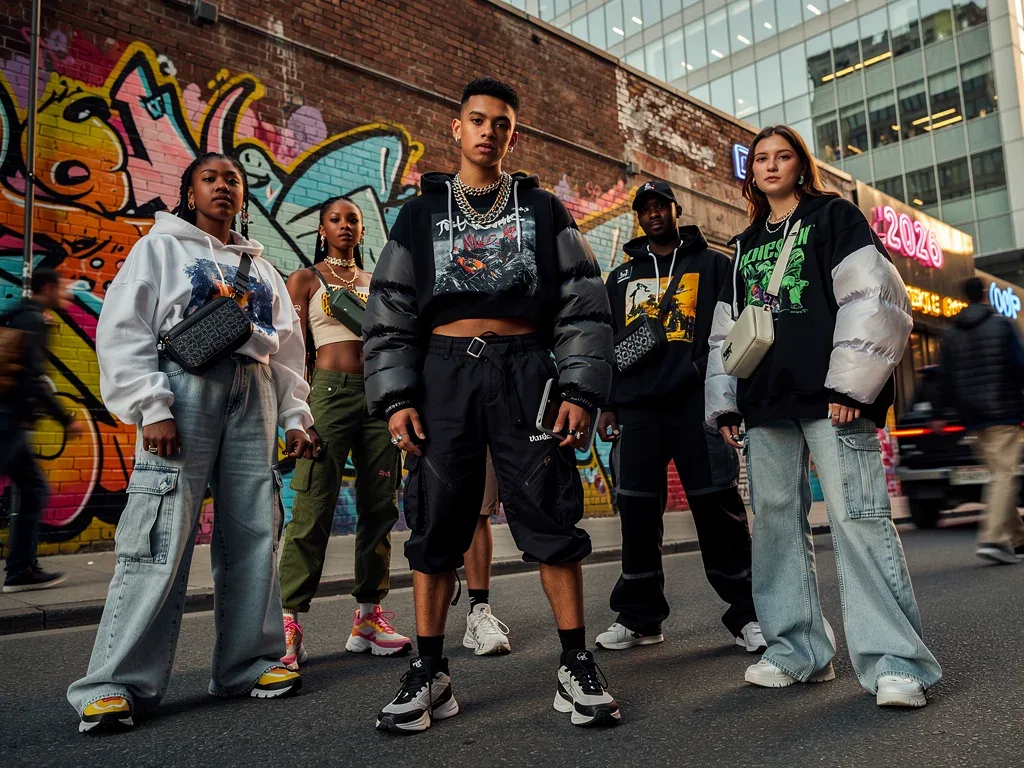
The 2026 streetwear aesthetic is defined by a fusion of utilitarian function, minimalist design, and an increasing emphasis on sustainable practices, reflecting a conscious evolution in urban fashion.
The urban landscape is a constant canvas for self-expression, and nowhere is this more evident than in the ever-evolving world of streetwear. As we approach 2026, the currents shaping this dynamic aesthetic are becoming clearer, pointing towards a future that balances practicality, distinct personal style, and a growing consciousness. Understanding the key elements of the 2026 streetwear aesthetic is crucial for anyone looking to stay ahead of the curve in urban fashion.
The Rise of Utilitarian Minimalism
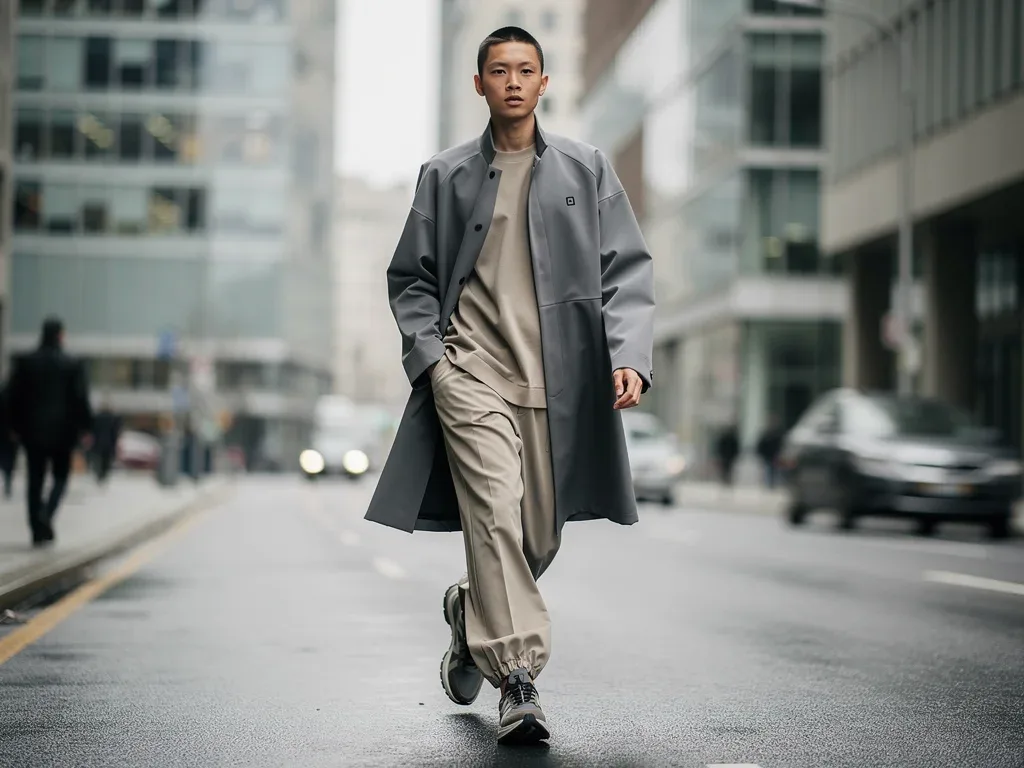
In 2026, streetwear is increasingly embracing a philosophy of utilitarian minimalism, where function and form merge seamlessly to create practical yet highly stylized garments. This trend moves away from overt branding and excessive embellishment, favoring clean lines, muted color palettes, and versatile pieces that serve multiple purposes in the urban environment.
The core of utilitarian minimalism lies in its emphasis on thoughtful design and high-quality construction. Apparel is designed not just for aesthetic appeal but for durability, comfort, and adaptability to various weather conditions and activities. This shift reflects a consumer desire for clothing that works harder and lasts longer, challenging the fast-fashion paradigm.
Functional Fabrics and Discreet Details
- Technical Textiles: Expect to see a proliferation of advanced technical fabrics like Gore-Tex, ripstop nylon, and various water-resistant and breathable blends. These materials are chosen for their performance attributes, offering protection and comfort without sacrificing style.
- Modular Design: Garments with detachable elements, adjustable features, and convertible silhouettes are becoming standard. Think jackets with zip-off sleeves, pants with adjustable hems, and bags that transform their capacity.
- Hidden Pockets and Compartments: Practicality is paramount, leading to designs that integrate numerous discreet pockets and compartments, allowing wearers to carry essentials securely and without bulk.
The aesthetic is characterized by an understated elegance, where the details speak volumes. Seams are often taped or bonded, zippers are waterproof, and drawstrings are integrated for a streamlined look. Colors typically revolve around earthy tones, grays, blacks, and deep navies, with occasional pops of muted, industrial-inspired hues.
This trend signifies a maturation of streetwear, moving beyond purely hype-driven consumption towards a more considered and enduring approach to personal style. It’s about building a versatile wardrobe of essential pieces that can be mixed and matched, forming a cohesive and functional urban uniform.
Sustainable Luxury: Conscientious Consumption
As environmental awareness grows, the 2026 streetwear aesthetic is heavily influenced by sustainable luxury. This trend marries high-end design and quality with ethical production and eco-friendly materials, appealing to a consumer base that values both style and responsibility. It’s no longer enough for a brand to be fashionable; it must also demonstrate a commitment to planetary well-being.
Sustainable luxury in streetwear isn’t just about using organic cotton; it encompasses a holistic approach to the entire supply chain. From sourcing raw materials to manufacturing processes and packaging, every step is scrutinized for its environmental and social impact. This often results in higher price points, but consumers are increasingly willing to invest in pieces that align with their values.
Innovations in Eco-Friendly Materials and Production
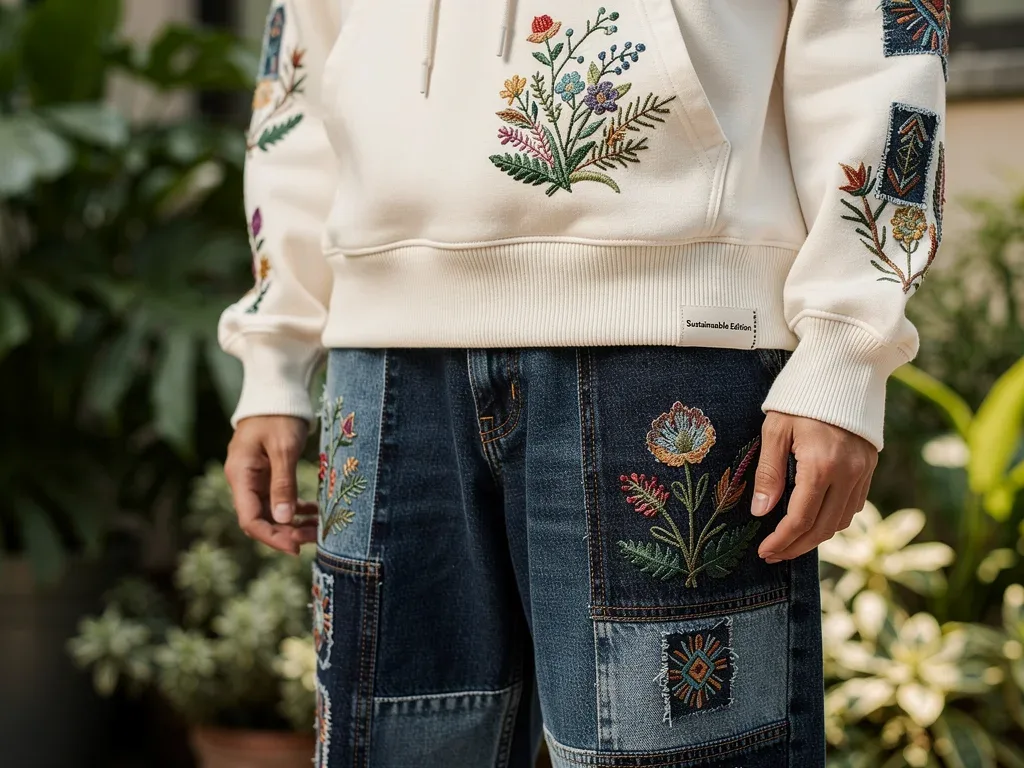
- Upcycled and Recycled Fabrics: The creative reuse of existing materials, such as upcycled vintage garments or recycled plastics, is a cornerstone of this trend. Brands are transforming waste into desirable, unique pieces.
- Bio-Based and Regenerative Materials: Expect to see more innovative materials like mushroom leather (Mycelium), pineapple leaf fibers (Pinatex), and fabrics derived from algae or agricultural waste. These offer sustainable alternatives to traditional textiles.
- Local and Artisanal Production: Supporting local economies and traditional craftsmanship reduces carbon footprints and preserves unique skills. Small-batch production and handcrafted details add to the exclusivity and value of these luxury items.
Brands are also becoming more transparent about their production methods, sharing stories of their supply chains and the people involved. This builds trust and allows consumers to make informed choices. The aesthetic often leans into natural textures, earthy color palettes, and designs that celebrate the raw beauty of sustainable materials.
The concept of ‘luxury’ is redefined in this context. It’s not just about expense or exclusivity, but about the intrinsic value of a product that respects both people and the planet. Sustainable luxury is poised to be a dominant force, shaping how streetwear is designed, produced, and consumed in the coming years.
Digital Integration and Augmented Reality Fashion
The digital realm continues to profoundly impact fashion, and by 2026, digital integration and augmented reality (AR) fashion are not just novelties but integral components of the streetwear experience. This trend blurs the lines between physical and virtual apparel, offering new avenues for creativity, personalization, and consumption.
From virtual try-ons to digital-only clothing, AR and other digital technologies are changing how we interact with fashion. Streetwear, with its early adoption of technology and innovation, is at the forefront of this transformation. Brands are leveraging these tools to create immersive experiences and extend their reach beyond physical stores.
Virtual Wardrobes and Experiential Retail
- AR Try-On Features: Mobile apps and smart mirrors in stores allow consumers to virtually try on clothing, seeing how pieces look on their own bodies without physically donning them. This enhances the online shopping experience and reduces returns.
- Digital-Only Collections: Some brands are releasing collections that exist solely in the digital space, designed for avatars in metaverses or for use with AR filters on social media. These pieces offer a unique form of self-expression without physical production.
- NFT Fashion and Collectibles: Non-fungible tokens (NFTs) are being used to create unique, verifiable digital fashion items. Owning an NFT garment can signify status in virtual communities and offer exclusive access to brand experiences.
The integration of digital elements also extends to the physical garments themselves. QR codes embedded in clothing can link to digital content, exclusive experiences, or provide transparency about a garment’s origins. Smart textiles with embedded sensors are also beginning to appear, offering functionality beyond traditional fabric.
This trend represents a paradigm shift in how we perceive and consume fashion. It opens up possibilities for greater personalization, reduces physical waste, and creates new forms of community and interaction around clothing. The 2026 streetwear aesthetic will undoubtedly be characterized by its digital fluency.
The Influence of Global Subcultures
Streetwear has always been a melting pot of global influences, and in 2026, this cross-pollination of subcultures is more pronounced than ever. Social media and digital connectivity have accelerated the exchange of ideas, leading to a rich tapestry of styles that blend regional aesthetics with universal urban sensibilities. This trend emphasizes authenticity, diversity, and the celebration of unique cultural narratives.
Instead of a singular dominant style, we are seeing a fragmentation into numerous micro-trends, each drawing inspiration from specific communities, art movements, or historical periods. This allows for greater individuality and a departure from homogeneous fashion norms, making the streetwear scene more vibrant and inclusive.
Key Cultural Intersections Shaping Style
- Afrofuturism and Indigenous Aesthetics: Designs that draw from Afrofuturist concepts, blending traditional African patterns and silhouettes with futuristic elements, are gaining traction. Similarly, indigenous art and textile traditions from around the world are being reinterpreted in contemporary streetwear, often in collaboration with original artisans.
- East Asian Minimalism and Harajuku Influence: The clean lines and functional beauty of East Asian design continue to inspire, while the vibrant, experimental nature of Harajuku fashion provides a counterpoint, encouraging playful layering and bold accessories.
- Skate and Hip-Hop Revival: The foundational pillars of streetwear, skate and hip-hop culture, are experiencing a resurgence, but with a modern twist. Expect updated silhouettes, premium materials, and a blend of vintage references with contemporary techniques.
This global influence extends beyond aesthetics to the very ethos of streetwear. Brands are increasingly engaging with diverse communities, fostering collaborations that celebrate cultural heritage and promote social awareness. The result is a more meaningful and representative fashion landscape.
The beauty of this trend lies in its ability to constantly evolve and surprise. By embracing global subcultures, the 2026 streetwear aesthetic remains dynamic, reflecting the diverse identities and stories of urban dwellers worldwide. It’s a testament to fashion’s power as a universal language.
Gender Fluidity and Inclusive Design
The boundaries of traditional gendered clothing are dissolving at an accelerated pace, and by 2026, gender fluidity and inclusive design are fundamental tenets of the streetwear aesthetic. This trend reflects a broader societal shift towards greater acceptance of diverse identities, manifesting in clothing that is designed for everyone, regardless of gender. It’s about freedom of expression and breaking away from restrictive norms.
Designers are consciously creating collections that are not categorized by ‘men’s’ or ‘women’s’ sections, but rather by style, fit, and aesthetic. This approach not only caters to a more diverse consumer base but also encourages a more expansive and creative approach to dressing, where personal preference trumps traditional labels.
Key Aspects of Inclusive Streetwear
- Oversized and Relaxed Silhouettes: Loose-fitting garments, including baggy pants, oversized hoodies, and boxy jackets, are inherently gender-neutral and offer comfort and versatility for all body types.
- Unisex Collections: Brands are increasingly launching entirely unisex collections, featuring designs that are appealing and wearable for everyone. This often includes adjustable elements to accommodate different body proportions.
- Beyond Binary Color Palettes: While muted tones remain popular, the use of color is also becoming more fluid, moving away from traditionally gendered hues. Expect a broad spectrum of colors available in all designs.
The focus is on creating clothing that allows individuals to express their authentic selves without constraint. This involves thoughtful consideration of sizing, fit, and garment construction to ensure that pieces are genuinely comfortable and flattering for a wide range of bodies.
This trend is not just about aesthetics; it’s a powerful statement about social progress and acceptance. Inclusive design in streetwear fosters a sense of belonging and empowers individuals to define their own style narratives. It’s a reflection of a more open and understanding society, where fashion serves as a tool for self-affirmation rather than conformity.
The Influence of Sports Culture and Performance Wear
Given ClutchCourt’s focus, it’s impossible to discuss the 2026 streetwear aesthetic without highlighting the enduring and evolving influence of sports culture and performance wear. The lines between athletic apparel and everyday fashion have blurred almost entirely, with performance-driven designs and materials becoming staples in urban wardrobes. This trend is rooted in the pursuit of comfort, functionality, and a dynamic, active lifestyle.
Basketball, in particular, continues to be a monumental force. The culture surrounding the NBA, its players, and its iconic footwear shapes trends from the ground up. Beyond basketball, elements from running, training, and outdoor sports are seamlessly integrated into streetwear, creating a fusion of high-performance utility and street-ready style.
Basketball’s Enduring Impact on Streetwear
- Retro Basketball Silhouettes: Vintage basketball sneaker models continue to be reissued and reimagined, influencing footwear trends and serving as foundational pieces for many streetwear outfits. The classic high-top, in particular, maintains its iconic status.
- Team-Inspired Apparel: Jerseys, tracksuits, and fan gear are elevated with premium materials and sophisticated cuts, transitioning from game-day wear to everyday fashion statements. Collaborations between sports leagues, teams, and high-fashion designers are increasingly common.
- Performance Fabrics for Everyday: Moisture-wicking, stretch, and lightweight fabrics, originally designed for athletic performance, are now standard in streetwear. These provide comfort and adaptability, reflecting an active urban existence.
The influence extends beyond specific garments to a broader ethos of athleticism and resilience. The ‘athlete off-duty’ look, characterized by comfortable yet stylish pieces, remains a powerful aesthetic. This includes relaxed fits, ergonomic designs, and a focus on movement and ease.
Moreover, the narrative of overcoming challenges and striving for excellence, inherent in sports, resonates deeply with the streetwear community. This translates into designs that are both aspirational and accessible, embodying a spirit of determination. The connection between sports and streetwear will only deepen, with innovations in athletic technology continually inspiring new fashion directions.
| Key Trend | Brief Description |
|---|---|
| Utilitarian Minimalism | Focus on functional design, technical fabrics, and discreet aesthetics for versatile urban wear. |
| Sustainable Luxury | High-end fashion with ethical production, eco-friendly materials, and transparent supply chains. |
| Digital Integration | AR try-ons, digital-only clothing, and NFT fashion blurring physical and virtual realms. |
| Gender Fluidity | Inclusive design with oversized silhouettes and unisex collections challenging traditional gender norms. |
Frequently Asked Questions About 2026 Streetwear
What defines utilitarian minimalism in 2026 streetwear?▼Utilitarian minimalism in 2026 streetwear emphasizes functional design, high-performance technical fabrics, and clean, understated aesthetics. It prioritizes versatility, durability, and practical features like hidden pockets and modular components over overt branding, creating a sophisticated yet practical urban uniform.
How is sustainable luxury impacting streetwear?▼Sustainable luxury is driving streetwear towards ethical production, eco-friendly materials, and transparent supply chains. Brands are utilizing upcycled, recycled, and bio-based fabrics, alongside local and artisanal production, appealing to consumers who value both high-end design and environmental responsibility in their fashion choices.
What role does digital integration play in the 2026 aesthetic?▼Digital integration, including augmented reality (AR) try-ons, digital-only clothing, and NFT fashion, is blurring the lines between physical and virtual apparel. It offers new avenues for personalization, creative expression, and immersive retail experiences, transforming how consumers interact with and consume streetwear.
How is gender fluidity influencing streetwear design?▼Gender fluidity is leading to more inclusive design in streetwear, with an emphasis on oversized, relaxed silhouettes and unisex collections. This trend breaks traditional gendered clothing norms, offering greater freedom of expression and catering to diverse identities through versatile and comfortable garments for all.
What is basketball’s continued impact on urban fashion?▼Basketball culture remains a profound influence on streetwear through retro sneaker silhouettes, elevated team-inspired apparel, and the integration of performance fabrics for everyday wear. The sport’s ethos of athleticism and resilience continues to shape fashion, blending high-performance utility with street-ready style and comfort.
Conclusion
The 2026 streetwear aesthetic is a fascinating blend of practicality, consciousness, and digital innovation. From the understated sophistication of utilitarian minimalism to the ethical imperatives of sustainable luxury and the boundless creativity offered by digital integration, urban fashion is evolving into a more thoughtful and diverse landscape. Coupled with the enduring influence of global subcultures and the progressive embrace of gender fluidity, streetwear continues to be a powerful mirror reflecting societal shifts. For enthusiasts and brands alike, understanding these pivotal trends is key to navigating and shaping the future of urban style, ensuring that fashion remains relevant, responsible, and relentlessly forward-thinking.