Basketball Concussion Protocols: New 2026 US Guidelines Explained
Advertisements
New basketball concussion protocols for US basketball in 2026 are set to significantly enhance player safety, introducing stricter guidelines for identification, management, and return-to-play, prioritizing athlete well-being above all.
The world of basketball is dynamic, fast-paced, and intensely physical, bringing with it an inherent risk of injury. Among these, concussions stand out as particularly concerning due to their potential long-term neurological impacts. As such, understanding the evolving landscape of basketball concussion protocols is crucial for athletes, coaches, parents, and medical staff alike. The year 2026 marks a significant turning point, with new guidelines poised to redefine player safety in US basketball.
The Evolution of Concussion Awareness in Sports
Concussion awareness in sports has undergone a dramatic transformation over the past two decades. What was once dismissed as ‘getting your bell rung’ is now recognized as a serious brain injury requiring careful management. This shift is largely due to increased scientific understanding of traumatic brain injury (TBI) and its potential long-term consequences, including chronic traumatic encephalopathy (CTE).
Historically, athletes often returned to play too quickly after a head injury, sometimes even within the same game. This lack of appropriate rest and recovery posed significant risks, including the potential for ‘second impact syndrome,’ a rare but often fatal condition occurring when a second concussion is sustained before recovery from an earlier one. The growing body of research highlighting these dangers has spurred sports organizations, medical communities, and legislative bodies to develop more robust and protective protocols.
Early Guidelines and Their Limitations
Initial concussion guidelines, while a step in the right direction, often lacked uniformity and comprehensive detail. Many were reactive, focusing primarily on immediate removal from play rather than a structured, multi-stage recovery process. Furthermore, the emphasis was often on visible symptoms, potentially overlooking more subtle cognitive impairments. This created inconsistencies in how concussions were managed across different leagues and levels of play, leaving some athletes vulnerable.
- Lack of standardized assessment tools.
- Inconsistent return-to-play criteria.
- Limited education for coaches and parents.
- Over-reliance on self-reporting of symptoms.
The lessons learned from these early efforts have been invaluable, paving the way for the more sophisticated and evidence-based protocols we see emerging for 2026. The goal is to move beyond mere awareness to proactive prevention and meticulous management, ensuring that every athlete’s brain health is paramount.
The continuous refinement of concussion management strategies reflects a deeper societal commitment to athlete welfare. From youth leagues to professional organizations, the recognition that brain health is non-negotiable has driven the push for more effective and enforceable guidelines. This foundational understanding is critical to appreciating the significance of the upcoming 2026 protocols.
Key Pillars of the New 2026 US Basketball Concussion Protocols
The upcoming 2026 US basketball concussion protocols are built upon several critical pillars designed to provide a more comprehensive and protective framework for athletes. These pillars address various stages of concussion management, from immediate on-court assessment to long-term recovery and return-to-play decisions. The emphasis is on early identification, thorough evaluation, individualized recovery plans, and stringent return-to-sport criteria, all supported by enhanced education and oversight.
Mandatory Baseline Testing
One of the most significant advancements in the new protocols is the widespread implementation of mandatory baseline testing. This involves conducting pre-season neurocognitive assessments for all athletes. These tests measure an individual’s normal brain function, including memory, processing speed, and reaction time, before any potential injury occurs. In the event of a suspected concussion, post-injury test results can be compared to the athlete’s baseline, providing objective data to aid in diagnosis and track recovery.
- Establishes individual cognitive baselines.
- Aids in objective post-injury assessment.
- Helps determine readiness for return-to-play.
- Reduces subjective bias in diagnosis.
This data-driven approach helps medical professionals make more informed decisions, moving beyond reliance solely on subjective symptom reporting. It ensures that an athlete’s cognitive function has returned to their personal norm before they are cleared to resume full activity, significantly reducing the risk of premature return.
Standardized On-Court Assessment and Removal
The 2026 protocols will introduce highly standardized on-court assessment procedures. Any athlete exhibiting signs or symptoms of a concussion, or who has sustained a significant head impact, must be immediately removed from play. This ‘remove from play’ directive is non-negotiable and applies even if symptoms appear minor or transient. Trained medical personnel, and in their absence, designated coaches or officials, will be responsible for initiating this removal.
The immediate removal from play is critical to prevent further injury and allow for a thorough evaluation in a quiet environment. This initial assessment often involves tools like the Sport Concussion Assessment Tool (SCAT), which systematically evaluates symptoms, cognitive function, balance, and coordination. The emphasis is on caution, with the understanding that a suspected concussion should always be treated as such until proven otherwise by a medical professional.
Comprehensive Return-to-Play Graduated Protocols
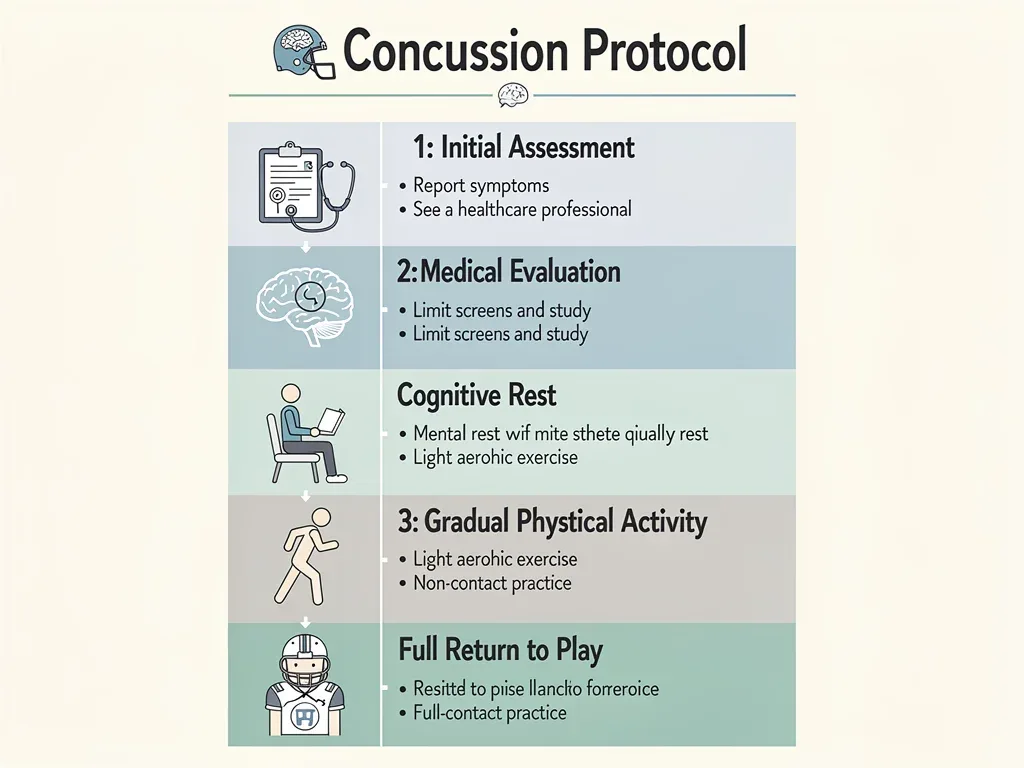
Perhaps the most intricate aspect of the new guidelines is the comprehensive, graduated return-to-play (RTP) protocol. This multi-stage process ensures that athletes progressively increase their physical and cognitive activity only after demonstrating symptom-free progression. It moves beyond a simple ‘all clear’ and instead focuses on a step-by-step reintroduction to sport, monitored closely by medical staff.
The RTP protocol typically involves stages such as:
- Stage 1: Symptom-limited activity (complete physical and cognitive rest).
- Stage 2: Light aerobic exercise (walking, stationary cycling, without resistance).
- Stage 3: Sport-specific exercise (drills, no head impact activities).
- Stage 4: Non-contact training drills (more complex drills, resistance training).
- Stage 5: Full contact practice (medical clearance required).
- Stage 6: Return to play (full game participation).
Each stage requires the athlete to remain symptom-free for a minimum of 24 hours before advancing to the next. This careful progression minimizes the risk of re-injury and ensures the brain has adequately healed. The decision to advance through stages must be made by a medical professional with expertise in concussion management, ideally the one who has overseen the athlete’s recovery.
The Role of Medical Professionals and Team Staff
The successful implementation of the new 2026 basketball concussion protocols hinges critically on the expertise and collaboration of medical professionals and team staff. Their roles extend beyond mere compliance; they are central to fostering a culture of safety and ensuring the well-being of every athlete. This collaborative approach involves clear lines of communication, continuous education, and a shared commitment to prioritizing health over competitive pressures.
Empowering Medical Staff
Under the new guidelines, medical staff, particularly athletic trainers and team physicians, will have increased autonomy and authority in concussion diagnosis and management. Their decisions regarding an athlete’s removal from play and progression through the return-to-play protocol will be final and binding. This empowerment ensures that medical decisions are driven by scientific evidence and clinical judgment, free from external pressures from coaches, parents, or even the athletes themselves.
These professionals are expected to be highly trained in concussion identification, assessment, and management techniques. Ongoing education and certification in sports concussion will likely become mandatory, ensuring they are up-to-date with the latest research and best practices. Their expertise is the cornerstone of effective concussion care, providing the necessary clinical oversight throughout the recovery process.
Coach and Official Training
While medical professionals lead the clinical aspects, coaches and game officials play a vital role in the initial recognition and response to potential concussions. The 2026 protocols will mandate comprehensive training for all coaches and referees on concussion symptoms, immediate removal procedures, and the importance of adhering to medical directives. This training will cover both overt signs of concussion and more subtle indicators that might otherwise be missed during the heat of a game.
- Recognizing visible signs of concussion.
- Understanding the ‘remove from play’ mandate.
- Communicating effectively with medical staff.
- Promoting a culture of safety and transparency.
By equipping coaches and officials with this knowledge, the protocols aim to create a more vigilant environment where no head injury goes unnoticed or unaddressed. Their immediate action can significantly impact an athlete’s recovery trajectory and prevent more serious complications.
Parent and Athlete Education
Effective concussion management also requires the active participation and understanding of athletes and their parents. The new protocols will emphasize comprehensive educational programs designed to inform athletes about the risks of concussion, the importance of reporting symptoms, and the recovery process. Parents will also receive detailed information on what to look for, how to support their child’s recovery, and the critical role they play in ensuring adherence to medical advice.
This education is crucial for dispelling myths about concussions and fostering an environment where reporting symptoms is encouraged, not penalized. Athletes need to understand that playing through a concussion is not a sign of toughness but a serious health risk. Empowering them with knowledge helps them advocate for their own health and well-being.
Technological Advancements in Concussion Detection and Monitoring
The landscape of concussion management is continually evolving, with technology playing an increasingly significant role. The 2026 basketball concussion protocols are likely to integrate or recommend several technological advancements that promise to enhance detection, monitoring, and recovery processes. These innovations aim to provide more objective data, reduce human error, and offer personalized insights into an athlete’s brain health, moving beyond traditional subjective assessments.
Wearable Sensors and Impact Monitoring
One of the most promising areas is the development of wearable sensors that can monitor head impacts in real-time. These devices, often integrated into helmets, headbands, or mouthguards, can measure the force and location of impacts. While not diagnostic tools for concussion, they can alert medical staff to potentially dangerous impacts, prompting immediate evaluation of an athlete who might otherwise show no immediate symptoms.
- Provides objective data on impact forces.
- Alerts staff to potential head injuries.
- Aids in identifying high-risk scenarios.
- Supplements visual observation for early detection.
The data collected from these sensors can also contribute to a better understanding of how concussions occur in basketball, allowing for targeted prevention strategies and equipment improvements. It’s important to note that these sensors are an aid to, not a replacement for, clinical assessment.
Advanced Neuroimaging Techniques
While traditional imaging like CT scans and MRI are primarily used to rule out more severe brain injuries (e.g., bleeding), advanced neuroimaging techniques are emerging that may offer insights into the subtle changes associated with concussion. Techniques such as functional MRI (fMRI), diffusion tensor imaging (DTI), and quantitative EEG (qEEG) are showing promise in detecting biomarkers and functional alterations in the brain that are not visible on conventional scans.
Though still largely research tools, the increasing accessibility and refinement of these techniques could eventually lead to their integration into advanced concussion diagnosis and prognostication. They offer the potential for more precise identification of brain injury, more accurate prediction of recovery timelines, and personalized treatment approaches. The 2026 protocols may lay the groundwork for future incorporation of these advanced diagnostic modalities as they become more clinically viable and cost-effective.
Virtual Reality and Cognitive Rehabilitation Tools
Beyond detection, technology is also enhancing the rehabilitation process. Virtual reality (VR) and specialized computer programs are being developed to assist in cognitive rehabilitation. These tools can provide controlled, engaging environments for athletes to perform cognitive tasks that challenge their memory, attention, and processing speed, without the physical demands that might exacerbate symptoms.
VR can also be used for balance training and visuomotor exercises, critical components of concussion recovery. By offering customizable and measurable rehabilitation exercises, these technologies can help track progress more objectively and make the recovery process more engaging for athletes. The integration of such tools could lead to more efficient and effective recovery, helping athletes return to their baseline function safely.
Challenges and Future Directions for Concussion Protocols
Implementing and continuously refining basketball concussion protocols is not without its challenges. While the 2026 guidelines represent a significant step forward, several hurdles remain, and the future will undoubtedly bring further evolution in our approach to concussion management. Addressing these challenges requires ongoing research, collaboration, and a commitment to adapting best practices as new evidence emerges.
Overcoming Underreporting and Symptom Masking
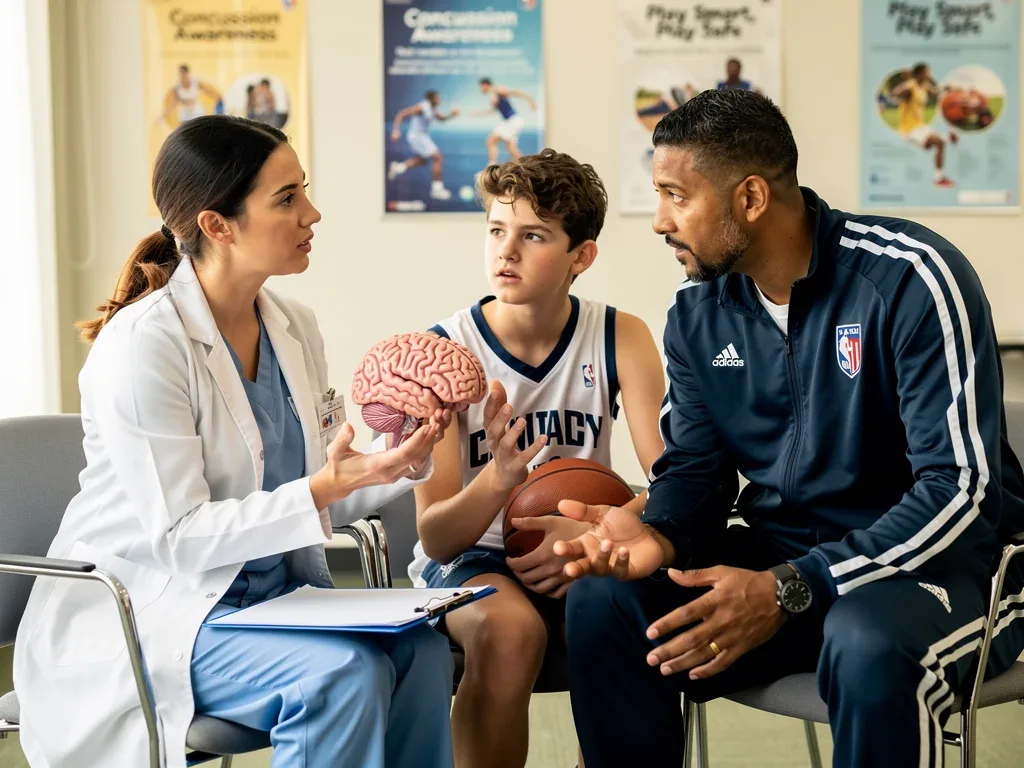
One of the most persistent challenges is the underreporting of concussion symptoms by athletes. Factors such as fear of losing playing time, pressure from coaches or teammates, or simply not recognizing symptoms can lead athletes to hide their injuries. The new protocols aim to mitigate this through extensive education and by fostering a culture where athlete safety is paramount, but changing deeply ingrained attitudes takes time.
- Educating athletes on the risks of playing through injury.
- Creating a supportive environment free of judgment.
- Implementing anonymous reporting mechanisms.
- Emphasizing long-term health over short-term gain.
Future efforts will likely focus on even more innovative ways to encourage honest reporting, perhaps through peer education programs or by integrating mental health support that addresses the psychological aspects of injury and recovery.
Standardization Across All Levels of Play
While professional and collegiate leagues often have robust medical resources, ensuring consistent application of protocols across all levels of basketball, from youth leagues to high school, remains a significant challenge. Resource disparities, varying levels of medical supervision, and differing state regulations can lead to inconsistencies. The 2026 protocols aim for broad applicability, but local implementation will require continued effort and support.
Achieving true standardization means providing resources and training to smaller organizations, ensuring that every young athlete, regardless of their league or school, receives the same high standard of care. This may involve federal or state-level initiatives to provide funding for athletic trainers and educational programs in underserved communities.
Long-Term Health Monitoring and Research
The impact of repetitive head trauma and concussions on long-term brain health is an area of ongoing research. While current protocols focus on acute management and safe return-to-play, there’s a growing need for longitudinal studies that track athletes’ cognitive function and neurological health over decades. The 2026 protocols may encourage data collection that contributes to this vital research.
Future directions will likely include:
- Developing comprehensive athlete health registries.
- Funding long-term neurological studies.
- Exploring personalized concussion risk assessments.
- Integrating genetic and biomarker research into protocols.
By continuously investing in research and long-term monitoring, the basketball community can further refine protocols, ultimately leading to even safer playing environments for future generations.
Comparing 2026 Protocols to Previous Guidelines
The upcoming 2026 basketball concussion protocols represent a significant evolution from previous guidelines, reflecting a deeper understanding of concussion science and a heightened commitment to athlete safety. This section highlights the key differences, illustrating how the new rules aim to close gaps and provide a more robust framework for managing head injuries in US basketball.
Increased Emphasis on Objective Measures
Previous protocols often relied heavily on subjective symptom reporting and clinical observation. While these remain important, the 2026 guidelines place a much greater emphasis on objective measures. The mandatory baseline testing, as discussed earlier, provides a personalized benchmark for each athlete’s cognitive function, allowing for more precise comparisons post-injury. This reduces the ambiguity often associated with self-reported symptoms, which can be influenced by an athlete’s desire to return to play.
Furthermore, the potential integration of wearable sensor technology and advanced neuroimaging, even if not fully mandated, signifies a move towards data-driven decision-making. This contrasts sharply with older methods that might have cleared an athlete based on a superficial assessment, potentially exposing them to greater risk.
Stricter Return-to-Play Criteria
The graduated return-to-play (RTP) protocols have become significantly more stringent. Older guidelines might have permitted a quicker return once symptoms subsided, sometimes within days. The 2026 protocols, however, mandate a multi-stage, symptom-free progression, typically requiring several days or even weeks of monitored activity before full clearance. This extended recovery period acknowledges that the brain needs ample time to heal, even after immediate symptoms have resolved.
Key differences include:
- Longer mandatory symptom-free periods between RTP stages.
- Requirement for medical professional clearance at each stage.
- Emphasis on cognitive rest before physical exertion.
- More detailed assessment of balance and coordination.
This stricter approach prioritizes the long-term health of the athlete over the immediate desire to return to competition, a crucial philosophical shift from earlier eras.
Enhanced Education and Accountability
While education has always been a component, the 2026 protocols elevate its importance and expand its reach. Mandatory training for coaches, officials, athletes, and parents ensures a collective understanding of concussion risks and management. This widespread education fosters a culture of accountability, where everyone involved in basketball understands their role in identifying and responding to head injuries.
Moreover, the increased authority granted to medical professionals in making return-to-play decisions adds a layer of accountability, ensuring that medical expertise is the ultimate arbiter of an athlete’s readiness. This contrasts with past scenarios where coaches or team management might have had more influence over medical clearance, potentially compromising athlete safety.
Impact on US Basketball: Players, Coaches, and Leagues
The implementation of the new 2026 basketball concussion protocols will have a profound and far-reaching impact across all levels of US basketball, affecting players, coaches, and the leagues themselves. This shift is not merely about compliance; it’s about fundamentally changing the culture of the sport to prioritize athlete health and safety, ensuring a sustainable future for basketball.
For the Players: Enhanced Safety and Long-Term Health
For athletes, the most immediate and significant impact will be enhanced safety. The stricter protocols mean that players who sustain a head injury will be removed from play more consistently, undergo more thorough evaluations, and follow a more carefully managed recovery process. This reduces the risk of further injury and supports better long-term neurological outcomes.
- Reduced risk of second impact syndrome.
- More accurate diagnosis and personalized recovery.
- Greater confidence in medical care.
- Emphasis on overall well-being, not just performance.
While some players might initially feel frustrated by extended recovery times, the long-term benefits of protecting their brain health far outweigh any short-term inconvenience. It empowers them to report symptoms without fear of judgment, knowing their health is the top priority.
For Coaches: Adaptation and Education
Coaches will need to adapt to these new guidelines, which may require adjustments to their strategies and team management. They will be responsible for ensuring their players are educated on concussion symptoms and the reporting process. More importantly, they must respect and uphold the decisions of medical professionals regarding an athlete’s fitness to play, even if it means losing a key player for an important game.
This shift demands a commitment to continuous education for coaches, not just on the technical aspects of basketball but also on sports medicine and player welfare. The focus will move towards developing athletes holistically, recognizing that a healthy brain is fundamental to peak performance and a long career.
For Leagues and Organizations: Operational Changes and Cultural Shift
Leagues, from youth to professional, will face operational changes. This includes ensuring adequate medical staffing, implementing baseline testing programs, and establishing clear communication channels between medical teams, coaches, and officials. There will also be a need for robust data collection to monitor the effectiveness of the protocols and identify areas for further improvement.
Beyond logistics, the new protocols will drive a significant cultural shift. They reinforce the idea that player safety is paramount, fostering an environment of trust and transparency. This commitment to athlete welfare can enhance the reputation of basketball as a sport that genuinely cares for its participants, potentially attracting more athletes and reassuring parents about the safety of their children playing the game.
Preparing for the 2026 Implementation: A Roadmap for Stakeholders
With the 2026 implementation of new basketball concussion protocols fast approaching, various stakeholders across US basketball need to begin their preparations. This proactive approach will ensure a smooth transition, minimize disruptions, and ultimately maximize the benefits of these enhanced safety measures. A well-defined roadmap involving education, resource allocation, and policy integration is essential for successful adoption.
Athletes and Parents: Understanding Your Role
For athletes, preparation means becoming fully aware of what a concussion is, how to recognize its symptoms in themselves and teammates, and the critical importance of honest reporting. Attending educational sessions, reviewing provided materials, and asking questions are key steps. Parents should familiarize themselves with the new protocols, understand the return-to-play stages, and be prepared to support their child’s recovery by strictly adhering to medical advice. Open communication with coaches and medical staff will be vital.
Coaches and Team Staff: Training and Policy Integration
Coaches and team staff should prioritize comprehensive training on the new protocols, focusing on concussion recognition, immediate removal from play, and the communication pathways with medical personnel. This training should be ongoing and refreshed annually. Leagues and teams must integrate the new protocols into their official policies and procedures, ensuring that all staff members are aware of their responsibilities and the consequences of non-compliance. Establishing clear roles for medical personnel and empowering them with final decision-making authority will be paramount.
- Conduct mandatory annual concussion training for all staff.
- Update team handbooks and rulebooks to reflect new protocols.
- Establish clear communication protocols with medical staff.
- Identify and allocate resources for baseline testing.
Proactive engagement with sports medicine experts to review and implement these changes will be crucial for a seamless transition.
Medical Professionals: Advanced Training and Resource Allocation
Medical professionals, including athletic trainers and team physicians, should pursue advanced training and certifications in sports concussion management if they haven’t already. This ensures they are proficient in the latest assessment tools, diagnostic techniques, and individualized rehabilitation strategies. Organizations need to allocate sufficient resources to support medical staff, including access to baseline testing platforms, appropriate diagnostic equipment, and sufficient personnel to manage potential concussion caseloads. Establishing a network of concussion specialists for referrals will also be beneficial.
The collective effort of all stakeholders in preparing for these new guidelines will determine their ultimate success in safeguarding the health of basketball players across the United States. It is a shared responsibility that demands commitment and collaboration.
| Key Aspect | Brief Description |
|---|---|
| Mandatory Baseline Testing | Pre-season cognitive tests for objective post-injury comparison. |
| Standardized On-Court Removal | Immediate removal from play for any suspected concussion. |
| Graduated Return-to-Play | Multi-stage, symptom-free progression back to full activity. |
| Enhanced Education | Mandatory training for players, coaches, and staff on concussion safety. |
Frequently Asked Questions About 2026 Basketball Concussion Protocols
What are the primary goals of the new 2026 basketball concussion protocols?▼The main goals are to enhance player safety, improve concussion identification and management, and reduce the long-term health risks associated with head injuries in basketball. They focus on objective assessment, structured recovery, and comprehensive education for all stakeholders.
How will baseline testing benefit athletes under the new protocols?▼Baseline testing provides a pre-injury snapshot of an athlete’s normal cognitive function. This objective data allows medical professionals to more accurately diagnose concussions and track recovery, ensuring an athlete’s brain has fully healed before they return to play, thus minimizing risks.
What is the ‘return-to-play’ protocol, and how has it changed?▼The return-to-play protocol is a graduated, multi-stage process for athletes to safely resume activity after a concussion. The 2026 protocols make it stricter, requiring longer symptom-free periods and medical clearance at each stage, prioritizing brain healing over rapid return to competition.
What role do coaches and officials play in the new concussion guidelines?▼Coaches and officials are crucial for initial concussion recognition and immediate removal from play. They will receive mandatory training on symptom identification and adherence to medical directives, fostering a vigilant environment where athlete safety is prioritized on the court.
How can parents ensure their child’s safety under these new protocols?▼Parents should educate themselves on concussion symptoms, encourage honest reporting from their children, and strictly follow medical advice regarding recovery and return-to-play. Open communication with coaches and medical staff is essential to ensure consistent adherence to the protocols.
Conclusion
The implementation of new basketball concussion protocols in 2026 marks a pivotal moment for player safety in US basketball. These comprehensive guidelines, built on scientific advancements and a deep commitment to athlete well-being, promise a more robust system for identifying, managing, and recovering from concussions. By emphasizing mandatory baseline testing, standardized on-court assessments, stringent return-to-play criteria, and widespread education, the protocols aim to create an environment where the long-term health of every player is prioritized above all else. This collective effort from players, coaches, medical professionals, and leagues will undoubtedly lead to a safer and more sustainable future for the sport, ensuring that the thrill of basketball can be enjoyed without compromising the precious health of its participants.