Basketball Injuries 2026: US Healthcare Landscape
Advertisements
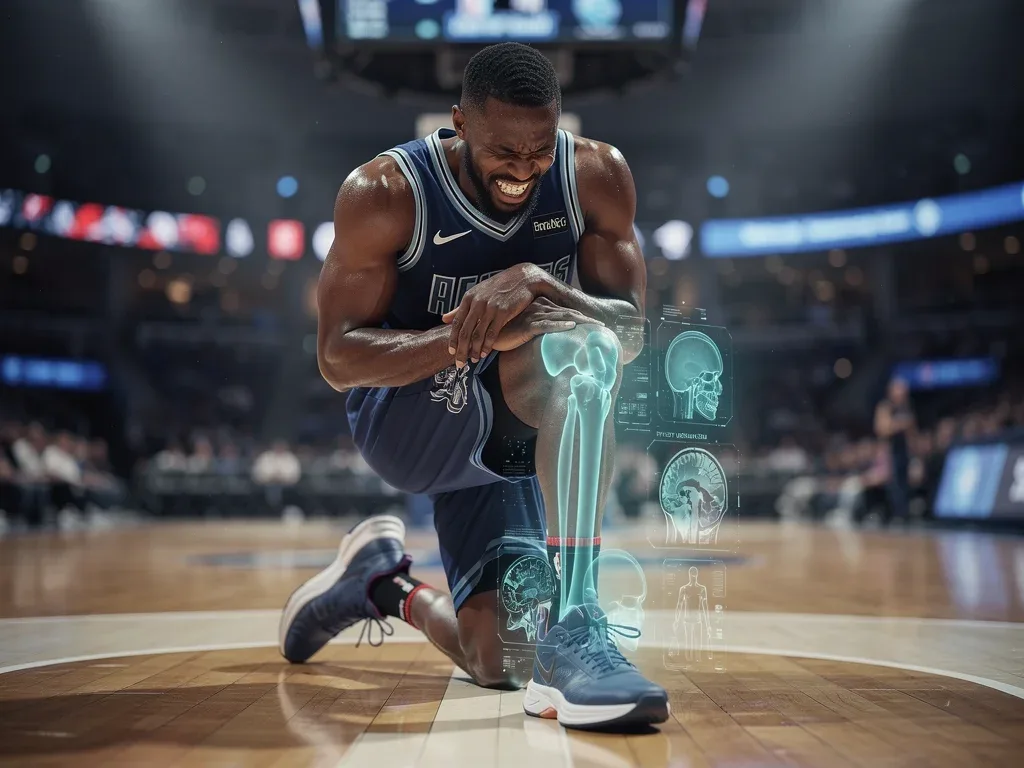
The US healthcare landscape for basketball injuries in 2026 is rapidly evolving, emphasizing proactive prevention, advanced treatment modalities, and comprehensive rehabilitation for optimal athlete recovery and performance.
The dynamic world of basketball, with its explosive movements and high-impact plays, inherently carries risks. As we look towards 2026, understanding the intricate web of the US healthcare landscape for basketball injury healthcare becomes paramount for athletes, coaches, and medical professionals alike. This evolving environment is shaped by technological advancements, shifts in insurance policies, and an increasing focus on preventative strategies and holistic recovery.
The Evolving Nature of Basketball Injuries
Basketball, a sport celebrated for its athleticism and agility, unfortunately also has a high incidence of specific injuries. In 2026, while common injuries like ankle sprains and knee ligament tears remain prevalent, the understanding and approach to these issues have significantly advanced. We are seeing a more nuanced perspective on injury mechanisms and long-term athlete health.
The high intensity and repetitive stress inherent in basketball contribute to both acute and overuse injuries. Acute injuries often result from sudden impacts or awkward landings, while overuse injuries develop gradually from repeated stress on joints, muscles, and tendons. The challenge for healthcare providers is not just to treat these injuries but to understand their root causes and prevent recurrence.
Common Injury Patterns in 2026
Even with advanced training methods, certain injuries continue to plague basketball players. Ligamentous injuries, particularly to the knee (ACL) and ankle, are still leading concerns. However, diagnostic tools and immediate intervention protocols have improved dramatically, leading to quicker and more accurate assessments.
- Ankle Sprains: Still the most frequent injury, but rehabilitation now integrates advanced proprioceptive training.
- Knee Injuries: ACL tears, meniscus tears, and patellofemoral pain syndrome remain significant, with surgical techniques becoming less invasive.
- Overuse Syndromes: Tendinopathies (e.g., patellar tendinopathy, Achilles tendinopathy) are increasingly managed with biomechanical analysis and load management.
- Concussions: Heightened awareness and stricter protocols for detection and return-to-play decisions are standard.
The shift in understanding these injury patterns also includes recognizing the psychological impact on athletes. Mental health support is becoming an integral part of injury recovery, acknowledging that a holistic approach yields better long-term outcomes. This comprehensive view is crucial for athletes aiming to return to peak performance.
Preventative Strategies and Technology Integration
Prevention is undeniably the cornerstone of modern sports medicine, especially within the context of basketball. In 2026, the focus has intensified on proactive measures, leveraging cutting-edge technology and data analytics to minimize injury risk. This paradigm shift from reactive treatment to proactive prevention is transforming how athletes train and how their health is monitored.
Gone are the days when prevention was solely about warm-ups and stretching. Today, it involves a complex interplay of biomechanical assessments, personalized training programs, and continuous physiological monitoring. The goal is to identify potential vulnerabilities before they manifest as injuries, ensuring athletes can maintain peak physical condition throughout their careers.
Wearable Technology and Biomechanical Analysis
Wearable technology has become indispensable in the preventative toolkit. Sensors embedded in apparel, shoes, or worn directly on the body provide real-time data on an athlete’s movements, load, and fatigue levels. This data is then analyzed using sophisticated algorithms to pinpoint inefficiencies or dangerous movement patterns.
- Load Monitoring: Devices track jump height, landing forces, and cumulative stress on joints, helping coaches adjust training intensity.
- Gait Analysis: High-speed cameras and pressure plates identify subtle asymmetries or compensations in an athlete’s stride.
- Fatigue Management: Heart rate variability and sleep tracking inform recovery strategies, preventing overtraining syndrome.
- Predictive Analytics: AI models analyze historical data to predict injury risk based on individual athlete profiles and activity levels.
Beyond technology, comprehensive strength and conditioning programs are tailored to address individual biomechanical weaknesses. These programs incorporate balance training, plyometrics, and sport-specific movements designed to enhance stability and reduce vulnerability to common basketball injuries. The integration of these strategies represents a significant leap forward in athlete welfare, moving beyond generic protocols to highly individualized care plans. The emphasis is on building resilience from the ground up, ensuring that players are not just strong, but also smart in their movements and recovery.
Advanced Treatment Modalities and Rehabilitation
When injuries do occur, the landscape of treatment and rehabilitation for basketball players in 2026 is characterized by rapid advancements in medical technology and a more integrated, patient-centered approach. The focus is on accelerating recovery, minimizing downtime, and ensuring a safe and effective return to play, often with improved functional outcomes compared to previous decades.
From regenerative medicine to highly specialized surgical techniques, the options available to injured athletes are more sophisticated than ever. The goal is not just to heal the injury but to restore the athlete’s body to a state that is often more resilient than before the injury, equipped to withstand the demands of professional basketball.
Cutting-Edge Surgical and Non-Surgical Interventions
Surgical techniques have become increasingly minimally invasive, leading to smaller incisions, reduced pain, and faster recovery times. Arthroscopic procedures for knee and ankle injuries are now routine, often performed on an outpatient basis. Non-surgical options have also expanded significantly, providing viable alternatives for certain conditions.
- Biologics and Regenerative Medicine: Platelet-Rich Plasma (PRP) and stem cell therapies are increasingly used to accelerate tissue healing in tendons, ligaments, and cartilage.
- Advanced Imaging: High-resolution MRI and dynamic ultrasound offer unparalleled detail for precise diagnosis and guiding interventions.
- Robotic-Assisted Surgery: For complex orthopedic procedures, robots assist surgeons in achieving greater precision and consistency.
- Targeted Pain Management: Beyond traditional painkillers, interventional pain techniques, including nerve blocks and radiofrequency ablation, provide long-lasting relief.
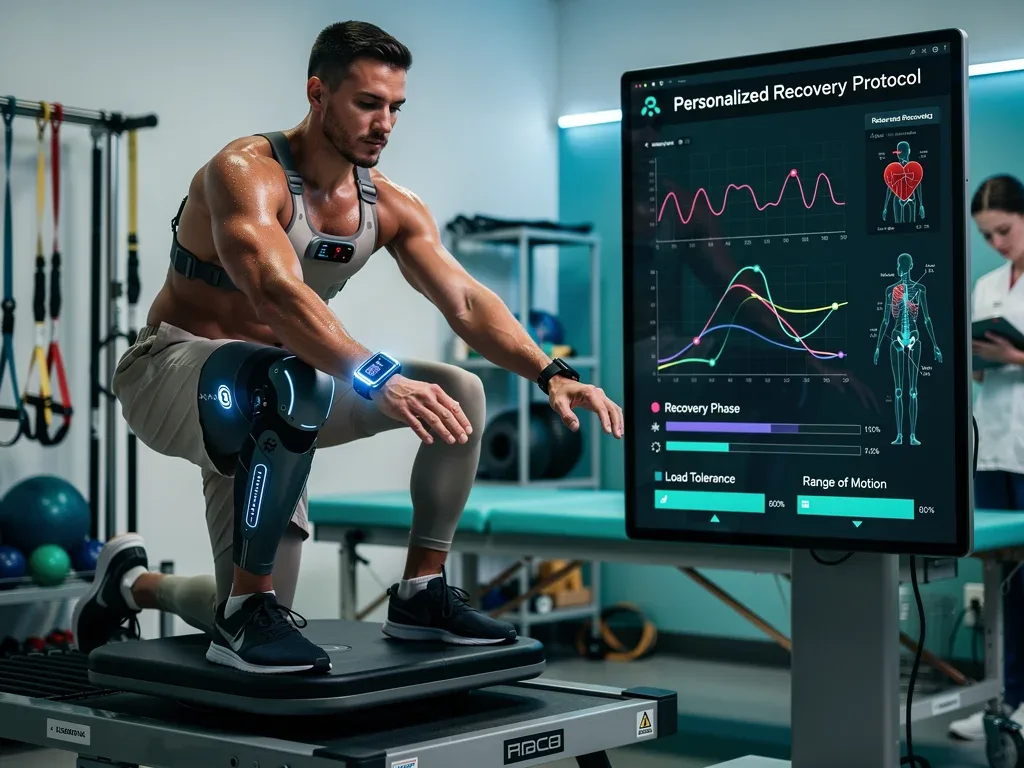
Rehabilitation protocols are no longer generic; they are highly individualized and data-driven. Physical therapists utilize advanced equipment, such as anti-gravity treadmills and virtual reality systems, to create controlled environments for progressive loading and functional training. The integration of strength and conditioning specialists into the rehab team ensures a seamless transition from injury recovery to performance enhancement.
The Role of Insurance and Healthcare Access
Access to cutting-edge treatments and rehabilitation services for basketball injuries in 2026 is heavily influenced by the complex interplay of insurance policies, healthcare networks, and socioeconomic factors. While top-tier professional athletes often have comprehensive coverage, the situation can be vastly different for collegiate, amateur, or recreational players, where insurance gaps can significantly impact care.
Navigating the US healthcare system remains a challenge for many. The rising costs of specialized treatments, advanced diagnostics, and long-term rehabilitation can be prohibitive without adequate insurance. This creates a disparity in care, with some athletes potentially facing delayed or suboptimal treatment due to financial constraints.
Navigating Insurance Coverage for Sports Injuries
Insurance plans vary widely, from employer-sponsored plans to marketplace options and Medicaid. Understanding what is covered – and to what extent – is crucial. Many plans require pre-authorization for specialized treatments like PRP or certain surgeries, and out-of-network care can lead to substantial out-of-pocket expenses.
- High Deductibles: Many plans feature high deductibles that must be met before insurance begins to cover costs, posing an immediate financial burden.
- Network Restrictions: HMOs and PPOs often limit choices to specific providers or facilities, which may not always include the leading sports medicine specialists.
- Coverage for Novel Therapies: Newer treatments, especially regenerative therapies, may not be fully covered by all insurance plans, requiring appeals or self-payment.
- Worker’s Compensation: For professional athletes, worker’s compensation often covers injuries sustained on the job, but this doesn’t extend to amateur players.
Advocacy for better sports injury coverage is ongoing, with organizations pushing for policies that recognize the unique healthcare needs of athletes at all levels. Additionally, community-based sports medicine clinics and university programs are working to provide more affordable access to care, helping to bridge the gap in a system that often prioritizes acute care over comprehensive athletic health. The financial aspect of recovery is as critical as the medical one, requiring careful planning and understanding of available resources.
Integrated Care Models and Multidisciplinary Teams
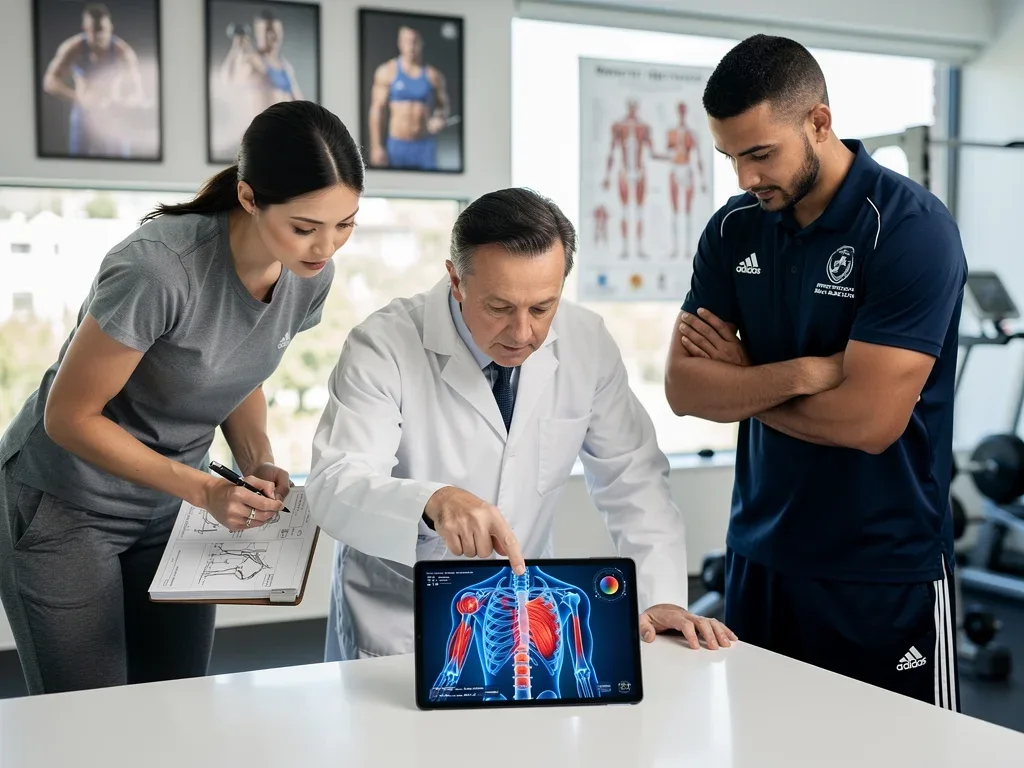
The modern approach to managing basketball injuries in 2026 emphasizes integrated care models, moving away from fragmented treatments towards a holistic, team-based strategy. This multidisciplinary approach brings together a diverse group of specialists, all working in concert to provide comprehensive care for the athlete, from initial diagnosis through return to play and beyond.
This model recognizes that an athlete’s recovery is not solely physical but also involves psychological, nutritional, and performance aspects. By coordinating care among various experts, the athlete benefits from a more coherent and effective treatment plan, optimizing both healing and long-term athletic potential.
The Multidisciplinary Team for Athlete Health
A typical integrated sports medicine team includes a primary care sports physician, orthopedic surgeon, physical therapist, athletic trainer, nutritionist, and sports psychologist. Each professional contributes their specialized expertise, ensuring all facets of the athlete’s well-being are addressed.
- Primary Care Sports Physician: Often the first point of contact, coordinating referrals and managing non-surgical conditions.
- Orthopedic Surgeon: Specializes in surgical repair of musculoskeletal injuries when necessary.
- Physical Therapist: Designs and oversees rehabilitation programs, focusing on restoring function and preventing re-injury.
- Athletic Trainer: Provides immediate care, injury prevention strategies, and facilitates communication between the athlete, coaches, and medical staff.
- Sports Nutritionist: Optimizes diet for healing, performance, and overall health.
- Sports Psychologist: Addresses mental health aspects, coping strategies, and return-to-play anxieties.
Effective communication among these team members is crucial. Regular meetings, shared electronic health records, and coordinated treatment plans ensure that everyone is aligned with the athlete’s goals. This collaborative environment fosters a more efficient recovery process and helps athletes regain confidence and physical prowess, truly embodying the principle that the sum is greater than its parts. This integrated model is rapidly becoming the gold standard for elite athlete care and is increasingly adopted at collegiate and even high school levels.
Future Trends and Innovations in Sports Medicine
Looking ahead to 2026 and beyond, the field of sports medicine for basketball injuries is poised for even greater transformation. Innovations are continuously emerging, promising to further enhance injury prevention, accelerate recovery, and redefine what’s possible for athlete longevity and performance. These future trends are driven by advancements in artificial intelligence, biotechnology, and personalized medicine.
The integration of these cutting-edge technologies will not only make care more effective but also more accessible and tailored to the individual needs of each athlete. The goal is to create a healthcare ecosystem that is predictive, preventative, personalized, and participatory, ensuring optimal outcomes for all basketball players.
Emerging Technologies and Research Directions
Artificial intelligence (AI) and machine learning are set to revolutionize injury prediction and personalized treatment plans. AI algorithms can analyze vast datasets from wearable sensors, training logs, and medical records to identify subtle patterns indicative of impending injury, allowing for timely interventions.
- Personalized Medicine: Genetic profiling will inform individualized training, nutrition, and injury susceptibility, leading to highly customized prevention strategies.
- Advanced Robotics: Beyond surgical assistance, robotic systems will play a greater role in rehabilitation, offering precise, repeatable movements for therapy and strength building.
- Bio-printing and Tissue Engineering: Research into 3D bio-printing of cartilage and other tissues holds promise for repairing severe injuries with custom-made biological implants.
- Virtual and Augmented Reality (VR/AR): VR/AR will create immersive environments for rehabilitation, allowing athletes to practice sport-specific movements in a safe, controlled setting, enhancing motor learning and confidence.
Furthermore, the focus on mental health will continue to grow, with sports psychology becoming an even more integral part of athlete development and injury recovery. Telemedicine and remote monitoring will also expand, providing greater access to specialized care, particularly for athletes in underserved areas. These trends underscore a future where basketball players receive care that is not only reactive to injury but proactively supports their entire athletic journey, from court to clinic and back again, ensuring a healthier and more sustained career.
Athlete Empowerment and Education
In the dynamic landscape of 2026, athlete empowerment and education are increasingly recognized as critical components of effective basketball injury management and overall health. Moving beyond simply receiving treatment, athletes are now expected to be active participants in their own care, armed with knowledge and tools to make informed decisions about their bodies and careers.
This shift places a greater emphasis on understanding injury mechanisms, adhering to rehabilitation protocols, and recognizing the importance of preventative measures. Educated athletes are more likely to take ownership of their health, leading to better long-term outcomes and a more sustainable athletic career.
The Informed Athlete: A New Standard
Educational initiatives are being implemented at all levels of basketball, from youth leagues to professional organizations. These programs cover a wide range of topics, including proper training techniques, nutrition, hydration, sleep hygiene, and the early signs of injury. The goal is to foster a culture of proactive health management.
- Injury Literacy: Athletes learn about common injuries, their causes, and the importance of early reporting to medical staff.
- Rehabilitation Adherence: Understanding the ‘why’ behind each exercise and therapy session improves compliance and outcomes.
- Nutrition for Recovery: Education on anti-inflammatory diets and nutrient timing supports faster healing and reduced risk of re-injury.
- Mental Skills Training: Athletes are taught coping mechanisms for dealing with injury setbacks, managing pain, and maintaining a positive mindset during recovery.
Beyond formal education, access to reliable health information through digital platforms and personalized consultations empowers athletes to ask informed questions and advocate for their needs. Coaches and parents also play a vital role in reinforcing these educational messages, creating a supportive environment where health and safety are prioritized. This culture of empowerment ensures that basketball players are not just physically prepared, but also mentally resilient and knowledgeable stewards of their own well-being, ready to navigate the complexities of their athletic journey with confidence and foresight.
| Key Aspect | Description in 2026 |
|---|---|
| Prevention Focus | Leveraging AI and wearables for personalized risk assessment and proactive injury mitigation. |
| Treatment Advances | Minimally invasive surgeries, biologics, and advanced rehabilitation technologies for faster recovery. |
| Integrated Care | Multidisciplinary teams (doctors, PTs, trainers, psychologists) collaborate for holistic athlete care. |
| Athlete Education | Empowering athletes with knowledge for self-care, injury literacy, and active participation in recovery. |
Frequently Asked Questions About Basketball Injury Healthcare in 2026
How has technology changed basketball injury prevention by 2026?▼By 2026, technology like AI-powered wearables and advanced biomechanical analysis has revolutionized injury prevention. These tools provide real-time data on athlete load, movement patterns, and fatigue, enabling highly personalized training adjustments and predictive risk assessment to minimize injuries proactively.
What are the most significant advancements in basketball injury treatment?▼Significant advancements include minimally invasive surgical techniques, regenerative medicine like PRP and stem cell therapies, and targeted pain management. These innovations accelerate healing, reduce recovery times, and often lead to better functional outcomes compared to traditional methods.
How does insurance impact access to advanced care for basketball players?▼Insurance significantly impacts access, with coverage varying widely. While professional athletes often have comprehensive plans, amateur players may face high deductibles or limited network options. Newer therapies might not be fully covered, creating disparities in access to cutting-edge treatments.
What is an integrated care model for sports injuries, and why is it important?▼An integrated care model involves a multidisciplinary team of specialists (doctors, PTs, trainers, psychologists) collaborating on an athlete’s recovery. It’s crucial because it addresses physical, mental, and nutritional aspects holistically, ensuring comprehensive care and optimizing return-to-play outcomes.
What future trends are expected in basketball injury healthcare?▼Future trends include personalized medicine based on genetic profiling, advanced robotics for rehabilitation, bio-printing for tissue repair, and widespread use of VR/AR in therapy. These innovations aim to make care more predictive, preventative, and tailored to individual athlete needs.
Conclusion
The journey from court to clinic for basketball players in 2026 is marked by remarkable progress and a profound shift in healthcare philosophy. The emphasis has moved decisively towards proactive prevention, leveraging sophisticated technology and data analytics to keep athletes on the court and performing at their best. When injuries do occur, advanced treatment modalities, including minimally invasive surgeries and regenerative therapies, combined with highly individualized rehabilitation programs, ensure swifter and more complete recoveries. The rise of integrated, multidisciplinary care teams underscores a holistic approach to athlete well-being, acknowledging that physical recovery is intrinsically linked to mental resilience and nutritional support. While challenges in healthcare access and insurance coverage persist, ongoing advocacy and community initiatives are striving to bridge these gaps. Ultimately, the future of basketball injury healthcare is bright, promising a landscape where innovation, personalization, and athlete empowerment converge to foster healthier, more resilient players for years to come.