Post-Game Recovery Meals: US Basketball Athletes’ 2026 Guide
Advertisements
For US basketball athletes in 2026, immediate post-game nutrition is critical for recovery, focusing on carbohydrate replenishment, protein synthesis, and electrolyte balance within 30 minutes to maximize performance and minimize downtime.
As the final buzzer sounds, marking the end of an intense basketball game, the battle for victory on the court transitions to a critical recovery phase off it. For US basketball athletes in 2026, understanding and implementing optimal basketball recovery meals within that crucial 30-minute window post-game is not just beneficial, it’s absolutely essential for sustained performance and career longevity. This immediate nutritional intervention can dramatically impact how quickly the body repairs, re-energizes, and prepares for the next challenge.
The Golden 30 Minutes: Why Immediate Nutrition Matters
The period immediately following intense physical exertion, often referred to as the ‘anabolic window’ or ‘golden 30 minutes,’ is a critical time for athletes. During this brief timeframe, the body is primed to absorb nutrients most efficiently, making it the ideal moment to kickstart the recovery process. Ignoring this window can lead to prolonged muscle soreness, increased fatigue, and a slower return to peak performance levels.
For US basketball players, who endure high-impact movements, explosive sprints, and constant changes in direction, muscle glycogen stores are significantly depleted, and muscle fibers experience micro-damage. Addressing these issues promptly is paramount. The goal is to replenish energy reserves, initiate muscle repair, and rehydrate effectively.
Glycogen Replenishment: The Energy Recharge
Basketball demands an immense amount of energy, primarily fueled by glycogen stored in muscles and the liver. After a game, these stores are severely depleted. Consuming carbohydrates immediately post-game is crucial for rapid glycogen resynthesis, preventing the dreaded ‘heavy leg’ feeling in subsequent training sessions or games.
- Fast-acting carbohydrates: Opt for easily digestible carbs that quickly enter the bloodstream.
- Optimal ratio: Aim for a carbohydrate-to-protein ratio of approximately 3:1 or 4:1 for maximum glycogen replenishment.
- Prevent fatigue: Timely carb intake helps stave off chronic fatigue and aids in quicker recovery for multi-game schedules.
Muscle Protein Synthesis: Repair and Growth
Intense exercise causes microscopic tears in muscle fibers, and protein is the building block for their repair and growth. Providing the body with essential amino acids shortly after a game helps to halt muscle protein breakdown and initiate synthesis, leading to stronger, more resilient muscles.
The immediate intake of protein, especially high-quality sources, ensures that the body has the necessary resources to rebuild damaged tissues. This not only aids in recovery but also contributes to long-term athletic development and injury prevention. The specific type of protein can also influence its absorption rate and effectiveness.
Ultimately, leveraging the golden 30 minutes for immediate nutritional intake is a strategic move for any serious basketball athlete. It’s about optimizing the body’s natural recovery mechanisms to ensure they are always ready to perform at their best, game after game, season after season.
Carbohydrate Power: Fueling the Recovery Engine
Carbohydrates are the primary fuel source for high-intensity sports like basketball. During a game, an athlete’s glycogen stores are rapidly depleted, leading to fatigue and diminished performance. Therefore, the cornerstone of any effective post-game recovery meal for US basketball athletes in 2026 must be rapid carbohydrate replenishment.
The type and timing of carbohydrate intake are just as important as the quantity. Simple, easily digestible carbohydrates are preferred within the immediate post-game window because they can be quickly absorbed and utilized by the body to kickstart glycogen resynthesis. Complex carbohydrates, while important for sustained energy, are better suited for later meals.
Optimal Carbohydrate Sources for Rapid Absorption
Not all carbohydrates are created equal when it comes to immediate post-game recovery. The goal is to get glucose into the bloodstream as quickly as possible to maximize glycogen restoration. This means favoring sources that are low in fiber and fat, which can slow digestion.
- Fruits: Bananas, grapes, and oranges are excellent choices due to their natural sugars and potassium content.
- Sports drinks: Specifically formulated sports drinks provide readily available carbohydrates and electrolytes.
- Energy bars: Many energy bars are designed for quick energy, but athletes should check sugar content and avoid excessive fiber.
- White bread/bagels: Simple starches like these can be effective for quick carbohydrate delivery.
The Role of Glycemic Index
The glycemic index (GI) measures how quickly a carbohydrate raises blood glucose levels. For immediate post-game recovery, foods with a high GI are generally recommended because they lead to a rapid insulin response, which in turn helps shuttle glucose into muscle cells for glycogen synthesis. This rapid uptake is crucial for minimizing the recovery period.
However, athletes should be mindful that relying solely on high-GI foods can lead to energy crashes later. The immediate recovery snack should be followed by a more balanced meal containing complex carbohydrates, proteins, and healthy fats within a few hours to ensure sustained energy and comprehensive recovery. Understanding this balance is key to a holistic nutritional strategy.
In essence, prioritizing fast-acting carbohydrates immediately after a basketball game is a non-negotiable step for US athletes. It’s about giving the body the raw materials it needs to quickly bounce back, ensuring that the physical demands of the sport don’t lead to a prolonged state of depletion and fatigue.
Protein Power: Rebuilding and Repairing Muscles
While carbohydrates are crucial for energy, protein plays an equally vital role in the post-game recovery of US basketball athletes. Intense physical activity, such as a basketball game, causes micro-tears in muscle fibers. Protein provides the essential amino acids necessary to repair these damaged tissues, synthesize new muscle proteins, and facilitate overall muscle recovery and growth.
The timing of protein intake is critical within the 30-minute post-game window. Consuming protein during this period helps to maximize muscle protein synthesis (MPS) and minimize muscle protein breakdown (MPB), effectively shifting the body into an anabolic, or building, state. This accelerated repair process is fundamental for reducing muscle soreness and improving muscle function for subsequent performances.
High-Quality Protein Sources for Rapid Absorption
Not all protein sources are equally effective for immediate post-game recovery. The best choices are those that are easily digestible and rich in essential amino acids, particularly branched-chain amino acids (BCAAs) like leucine, which is a key initiator of MPS.
- Whey protein isolate: A fast-digesting protein, ideal for shakes and quick consumption.
- Skim milk or chocolate milk: Offers a good blend of carbohydrates and protein, plus electrolytes.
- Greek yogurt: High in protein and often contains probiotics beneficial for gut health.
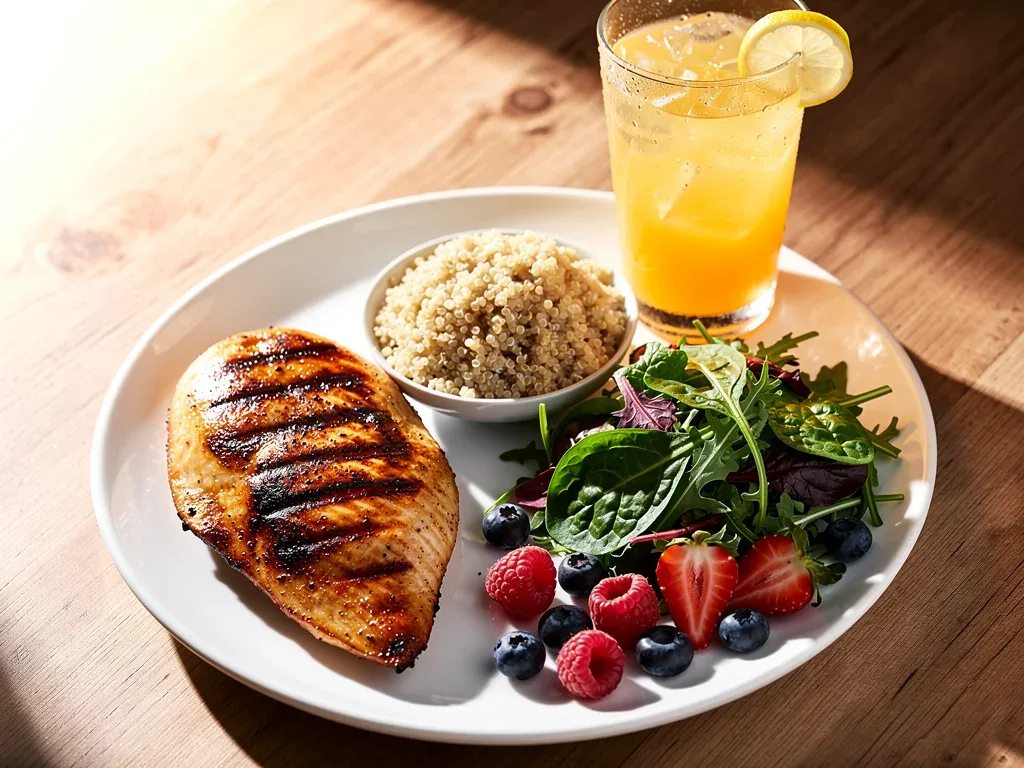
- Lean meats (small portions): Chicken breast or turkey slices can be incorporated if a more substantial snack is feasible.
The Synergy of Carbs and Protein
While both macronutrients are important individually, their combined effect post-exercise is synergistic. The presence of carbohydrates alongside protein can enhance protein absorption and utilization. Carbohydrates stimulate insulin release, which helps transport amino acids into muscle cells, further accelerating the repair and rebuilding process.
Experts often recommend a carbohydrate-to-protein ratio of 3:1 or 4:1 for optimal recovery. This balance ensures that both glycogen stores are replenished and muscle repair is initiated efficiently. For example, a protein shake with a banana, or chocolate milk, offers this ideal combination, making them popular choices among athletes.
In conclusion, incorporating high-quality protein into immediate post-game recovery meals is non-negotiable for US basketball athletes. It’s the critical component that helps rebuild, repair, and strengthen muscles, ensuring they are ready to endure the rigorous demands of competitive play day after day.
Electrolytes and Hydration: The Unsung Heroes
Beyond carbohydrates and protein, maintaining proper hydration and electrolyte balance is arguably just as crucial, if not more so, for the immediate post-game recovery of US basketball athletes. During an intense basketball game, players can lose significant amounts of fluids and electrolytes through sweat, leading to dehydration and potential performance impairment if not addressed swiftly.
Dehydration can manifest as fatigue, muscle cramps, dizziness, and decreased cognitive function, all of which hinder the recovery process and increase the risk of injury. Therefore, rehydrating with fluids that contain essential electrolytes within the 30-minute window is paramount to restoring physiological balance.
Key Electrolytes and Their Functions
Electrolytes are minerals that carry an electric charge and are vital for numerous bodily functions, including nerve signaling, muscle contraction, and maintaining fluid balance. The primary electrolytes lost through sweat are sodium, potassium, chloride, magnesium, and calcium.
- Sodium: Essential for fluid balance and nerve function.
- Potassium: Crucial for muscle contraction and heart function.
- Chloride: Works with sodium to maintain fluid balance.
- Magnesium: Involved in muscle and nerve function, blood sugar control, and blood pressure regulation.
Optimal Hydration Strategies Post-Game
Simply drinking plain water might not be enough to fully rehydrate and replenish lost electrolytes. Athletes need to consume fluids that specifically address these losses. Sports drinks are formulated to provide both carbohydrates for energy and a balance of electrolytes.
However, not all sports drinks are created equal, and some may contain excessive sugar. Athletes should look for options with a moderate carbohydrate concentration (around 6-8%) and a balanced electrolyte profile. Natural sources like coconut water can also be beneficial due to their potassium content, though they might require additional sodium intake.
Another effective strategy is to consume fluids that contain a small amount of sodium, even if it’s not a sports drink. This encourages fluid retention and helps stimulate thirst, prompting further hydration. The goal is to consume 1.25 to 1.5 times the amount of fluid lost during exercise to account for ongoing urine losses.
In essence, neglecting hydration and electrolyte replenishment can undermine all other recovery efforts. For US basketball athletes, prioritizing these unsung heroes immediately after a game ensures their bodies are not only fueled but also properly balanced to begin the repair process and prepare for future demands.
Practical Post-Game Meal Ideas for 2026
Knowing the science behind post-game nutrition is one thing; putting it into practice is another. For US basketball athletes in 2026, convenience and portability are key when selecting recovery meals within that 30-minute window. The best options combine rapid carbohydrates, high-quality protein, and essential electrolytes in an easily consumable format.
Planning ahead is crucial. Having these items readily available in the locker room, on the bus, or immediately after leaving the arena ensures that athletes don’t miss this vital recovery opportunity. Here are some practical and effective post-game meal ideas that align with the nutritional principles discussed.
Quick and Effective Recovery Options
These options are designed for immediate consumption and maximum impact on recovery. They are easy to prepare or purchase and can be consumed quickly, even on the go.
- Chocolate milk: A classic for a reason, offering an ideal carbohydrate-to-protein ratio, fluid, and electrolytes.
- Protein shake with fruit: A scoop of whey protein mixed with water or milk, blended with a banana or berries.
- Greek yogurt with granola and fruit: Provides protein, carbs, and some healthy fats; choose low-fat yogurt.
- Turkey sandwich on white bread: Simple carbs from the bread, lean protein from turkey, and easy to consume.
- Sports drink and energy bar: A convenient combination for quick carbs, electrolytes, and some protein.
Considering Individual Needs and Preferences
While general guidelines exist, individual athlete needs and preferences play a significant role. Some athletes might have dietary restrictions, allergies, or simply prefer certain foods over others. It’s important to work with a sports nutritionist to tailor a personalized recovery plan.
For instance, athletes with lactose intolerance might opt for plant-based protein shakes or lactose-free milk options. Those with gluten sensitivities would choose gluten-free bread or carbohydrate sources. The key is to find effective options that the athlete enjoys and can consistently incorporate into their routine.
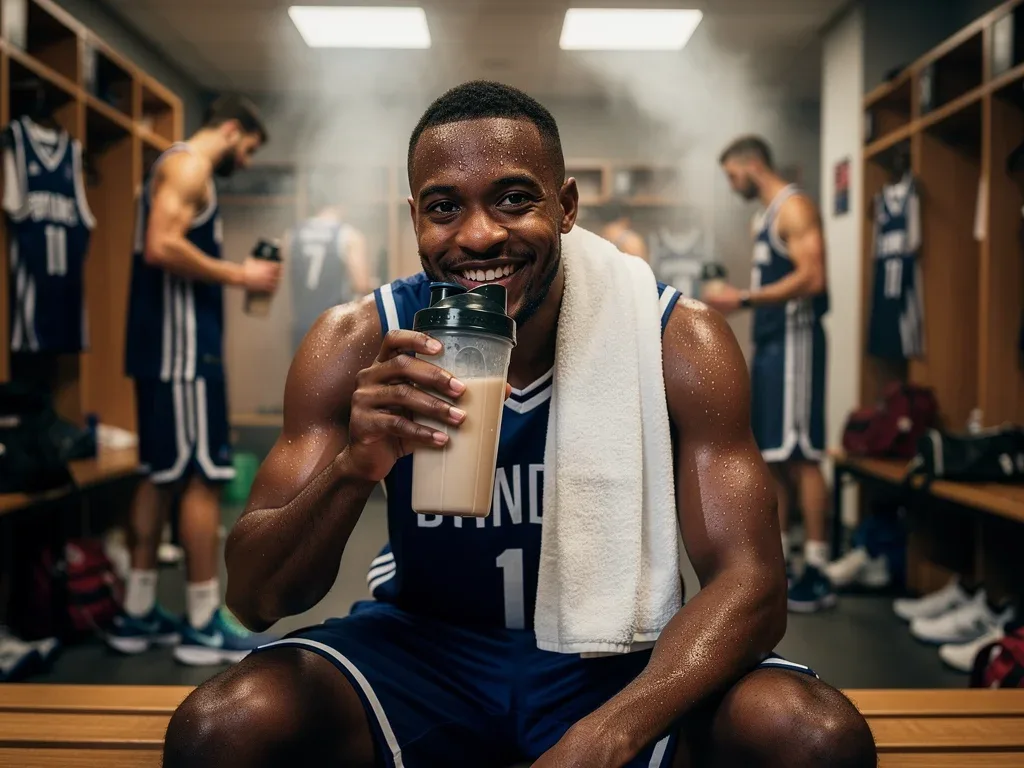
Ultimately, the best post-game meal is one that an athlete will actually consume. By providing a variety of practical, nutritious, and enjoyable options, US basketball athletes can effectively fuel their recovery and ensure they are always ready for the next challenge on the court.
Beyond the 30 Minutes: Sustained Recovery Strategies
While the immediate 30-minute post-game window is crucial for kickstarting recovery, it’s just the first step in a comprehensive, sustained approach to athlete well-being. For US basketball athletes in 2026, true recovery extends far beyond this initial phase, involving subsequent meals, sleep, and other restorative practices that support long-term health and performance.
Neglecting the broader recovery picture can undermine the benefits gained from immediate post-game nutrition. The body continues to repair, rebuild, and re-energize for hours, and even days, after intense exertion. Therefore, a holistic strategy that incorporates consistent nutritional support and lifestyle choices is essential for optimal athletic longevity and consistent peak performance.
The Importance of Subsequent Meals
Within 2-4 hours after the game, athletes should consume a more substantial, balanced meal. This meal should include a mix of complex carbohydrates, lean proteins, healthy fats, and a rich array of vitamins and minerals from vegetables and fruits. This helps to further replenish glycogen stores, provide sustained amino acid delivery for muscle repair, and support overall bodily functions.
- Complex carbohydrates: Whole grains, sweet potatoes, brown rice for sustained energy release.
- Lean protein: Chicken, fish, tofu, legumes to continue muscle repair.
- Healthy fats: Avocados, nuts, seeds for anti-inflammatory benefits and overall health.
- Plenty of vegetables: Rich in micronutrients and antioxidants to combat oxidative stress.
Sleep and Active Recovery
Nutrition is only one piece of the recovery puzzle. Adequate sleep is arguably the most powerful recovery tool available to athletes. During sleep, the body releases growth hormones, repairs tissues, and consolidates memories. Aiming for 7-9 hours of quality sleep per night is non-negotiable for serious athletes.
Active recovery, such as light stretching, foam rolling, or low-intensity cardio (e.g., swimming, cycling), can also aid in reducing muscle soreness and improving blood flow, helping to flush out metabolic waste products. These practices, combined with proper nutrition, create a powerful synergy that accelerates the healing process.
In summary, while the 30-minute window is a critical launchpad for recovery, sustained effort is needed. By focusing on subsequent balanced meals, prioritizing quality sleep, and incorporating active recovery techniques, US basketball athletes can ensure a comprehensive and effective recovery strategy that supports their demanding careers long-term.
Optimizing Performance Through Consistent Nutrition
For US basketball athletes, the journey to peak performance isn’t just about intense training and strategic gameplay; it’s profoundly influenced by consistent, strategic nutrition. While immediate post-game recovery meals are vital, they are part of a larger, ongoing nutritional framework that supports daily training, injury prevention, and overall athletic excellence. Optimizing performance through nutrition requires a disciplined, informed approach that extends far beyond the game day.
A consistent nutritional strategy ensures that the body always has the necessary fuel and building blocks to meet the rigorous demands of professional basketball. This includes pre-game fueling, intra-game hydration, and daily balanced meals that provide a steady supply of macronutrients and micronutrients. It’s about creating a foundation of health that allows athletes to perform at their best, recover efficiently, and minimize the risk of burnout or injury.
Daily Nutritional Foundation
The success of post-game recovery is built upon a strong daily nutritional foundation. Athletes should focus on consuming a diet rich in whole, unprocessed foods, including a variety of fruits, vegetables, lean proteins, and complex carbohydrates. This provides the sustained energy and essential nutrients needed for intense training sessions and competitive games.
- Balanced macronutrients: Appropriate ratios of carbohydrates, proteins, and healthy fats tailored to individual energy needs.
- Micronutrient density: Emphasizing foods rich in vitamins and minerals to support immune function and metabolic processes.
- Adequate hydration: Consistent water intake throughout the day, not just around training or games.
The Role of Supplements (Wisely Chosen)
While a whole-food diet should always be the priority, certain supplements can play a supportive role in an athlete’s nutritional strategy. However, these should be chosen wisely, under the guidance of a sports nutritionist or medical professional, to ensure safety, efficacy, and compliance with anti-doping regulations.
Commonly used supplements include creatine for power output, beta-alanine for buffering muscle acidity, and omega-3 fatty acids for their anti-inflammatory properties. Protein powders can also be a convenient way to boost protein intake. The key is to view supplements as complementary to a solid diet, not as a replacement for whole foods.
In conclusion, optimizing performance for US basketball athletes in 2026 is an ongoing commitment to consistent, well-planned nutrition. From immediate post-game recovery to daily dietary choices and strategic supplementation, every nutritional decision contributes to an athlete’s ability to excel, recover, and sustain a long, successful career on the court.
| Key Recovery Aspect | Description & Importance |
|---|---|
| Immediate Carb Replenishment | Crucial within 30 minutes to refill depleted muscle glycogen stores and prevent fatigue. |
| High-Quality Protein Intake | Essential for muscle repair, reducing soreness, and promoting muscle protein synthesis. |
| Electrolyte & Hydration | Restores fluid balance and vital minerals lost through sweat, preventing cramps and fatigue. |
| Sustained Nutritional Support | Beyond 30 minutes, balanced meals and proper sleep are key for long-term recovery and performance. |
Frequently Asked Questions About Post-Game Recovery
Why is the 30-minute window so important for basketball recovery meals?▼The 30-minute window, often called the ‘anabolic window,’ is when your body is most receptive to nutrients. Consuming carbohydrates and protein during this time maximizes glycogen replenishment and muscle repair, significantly speeding up recovery and preparing you for the next physical challenge.
What are the best carbohydrate sources for immediate post-game?▼For rapid glycogen replenishment, focus on fast-acting carbohydrates like bananas, grapes, sports drinks, or white bread/bagels. These easily digestible options quickly elevate blood glucose, initiating the recovery process more efficiently than complex carbohydrates.
How much protein should a basketball athlete consume post-game?▼A general guideline suggests consuming around 20-30 grams of high-quality protein immediately post-game. This amount, combined with carbohydrates, is sufficient to stimulate muscle protein synthesis and begin the repair of muscle fibers damaged during play.
Are sports drinks necessary, or is water enough for rehydration?▼While water is essential, sports drinks are often preferable immediately post-game. They provide not only fluid but also crucial electrolytes (sodium, potassium) lost through sweat, along with carbohydrates for energy. This combination aids in more complete rehydration and electrolyte balance.
What are some convenient post-game meal ideas for busy athletes?▼Convenient options include chocolate milk, a whey protein shake blended with a banana, Greek yogurt with berries, or a small turkey sandwich on white bread. These options are easy to prepare or grab on the go, fitting perfectly into a busy athlete’s schedule.
Conclusion
The strategic implementation of basketball recovery meals within 30 minutes post-game is a cornerstone of modern athletic performance for US basketball athletes in 2026. This immediate nutritional intervention, focusing on rapid carbohydrate replenishment, high-quality protein intake, and meticulous rehydration with electrolytes, sets the stage for accelerated recovery, reduced fatigue, and sustained peak performance. Beyond this critical window, a holistic approach encompassing balanced subsequent meals, adequate sleep, and active recovery further solidifies an athlete’s foundation for success. By prioritizing these nutritional and lifestyle strategies, basketball players can not only extend their careers but also consistently deliver their best on the court, game after grueling game.