Breathing Techniques for US Basketball: Stamina & Stress Reduction
Advertisements
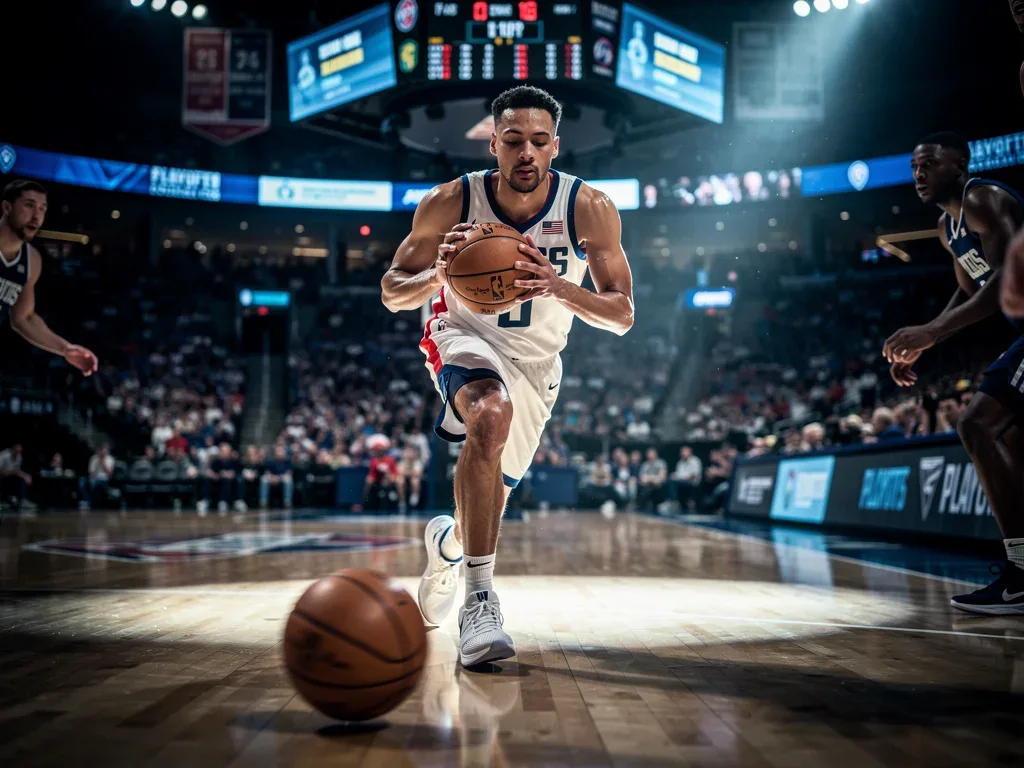
Mastering breathing techniques is crucial for US basketball players in 2026, offering a powerful pathway to improved stamina, reduced stress, and enhanced overall athletic performance on the court.
In the high-octane world of professional basketball, every edge counts. As the 2026 season approaches, the focus on holistic athlete development intensifies, and one often-overlooked yet profoundly impactful area is the mastery of breathing techniques for athletes: improving stamina and reducing stress in US basketball in 2026. This critical skill, extending far beyond simply inhaling and exhaling, holds the key to unlocking superior physical endurance, maintaining mental composure under pressure, and ultimately, elevating on-court performance to unprecedented levels. Understanding and implementing these techniques can be the differentiator between good and truly great players.
The physiological impact of optimized breathing on stamina
Optimized breathing is not merely about oxygen intake; it’s about maximizing the efficiency of your respiratory system to fuel your body and maintain peak performance throughout a demanding basketball game. Proper breathing techniques ensure that muscles receive a consistent and adequate supply of oxygen, delaying fatigue and improving recovery.
When athletes breathe shallowly or rapidly, they often engage their accessory breathing muscles in the neck and shoulders, leading to inefficient oxygen exchange and increased muscle tension. This can quickly deplete energy reserves and contribute to premature exhaustion, a critical disadvantage in the fast-paced environment of US basketball.
Diaphragmatic breathing: the foundation
Diaphragmatic breathing, also known as belly breathing, is the cornerstone of efficient respiration for athletes. It involves engaging the diaphragm, a dome-shaped muscle located at the base of the lungs, to draw air deep into the lungs. This method maximizes lung capacity and promotes better oxygen delivery to the bloodstream.
- Increased oxygen uptake: Allows for more efficient gas exchange, delivering more oxygen to working muscles.
- Reduced energy expenditure: Engages the primary breathing muscle, reducing the workload on accessory muscles.
- Enhanced CO2 expulsion: Helps regulate blood pH, preventing muscle acidosis and delaying fatigue.
- Improved core stability: Strengthens the diaphragm, which plays a role in core support and injury prevention.
The consistent practice of diaphragmatic breathing can significantly improve a basketball player’s aerobic capacity, allowing them to sprint harder, jump higher, and maintain intensity for longer periods without experiencing the typical dips in performance associated with fatigue. It’s a fundamental skill that underpins every other advanced breathing technique.
Breathing for stress reduction and mental clarity
Basketball is as much a mental game as it is physical. The pressure of clutch free throws, defending a star player, or simply managing the emotional swings of a close contest can be overwhelming. Breathing techniques offer a powerful tool for athletes to manage stress, reduce anxiety, and maintain mental clarity when it matters most.
When an athlete experiences stress, their body often enters a fight-or-flight response, leading to rapid, shallow breathing, increased heart rate, and tunnel vision. Conscious breathing can counteract these physiological responses, activating the parasympathetic nervous system, which promotes relaxation and restores a sense of calm.
Box breathing: a calm under pressure
Box breathing, or square breathing, is a simple yet highly effective technique used by military personnel, first responders, and now increasingly, athletes, to quickly regain composure and focus. It involves inhaling, holding, exhaling, and holding again, each for a count of four.
- Immediate stress reduction: Quickly calms the nervous system, reducing heart rate and anxiety.
- Enhanced focus: The rhythmic nature of the breath helps to clear the mind of distractions.
- Improved decision-making: A calm mind is better equipped to make quick and accurate decisions on court.
- Emotional regulation: Provides a tool to manage intense emotions during high-pressure situations.
Integrating box breathing into pre-game routines, during timeouts, or even at the free-throw line can provide basketball players with a tangible method to control their internal state, ensuring they perform at their best even when the stakes are highest. It’s a mental reset button that can be deployed instantly.
Implementing breathing protocols in training regimes
For breathing techniques to be truly effective, they must be integrated systematically into an athlete’s training regimen, not just practiced occasionally. This involves dedicated breathing exercises, as well as incorporating mindful breathing into physical drills and recovery protocols.
Coaches and trainers in US basketball are increasingly recognizing the importance of respiratory training, moving beyond traditional cardio and strength work to include specific breathwork sessions. These sessions can range from short daily practices to longer, more intensive workshops, tailored to the individual needs of the team and its players.
Structured breathwork sessions
Dedicated sessions focused solely on breathing exercises can significantly improve an athlete’s respiratory muscle strength, endurance, and overall breathing efficiency. These sessions often combine various techniques, progressing from basic diaphragmatic breathing to more complex patterns.
- Warm-up integration: Incorporate 5-10 minutes of diaphragmatic breathing and light breath holds to prepare the body for exertion.
- Post-workout recovery: Use slow, controlled breathing to activate the parasympathetic system, aiding in muscle repair and reducing soreness.
- Mind-body connection: Regular practice enhances an athlete’s awareness of their breath, allowing for better self-regulation during games.
By making breathwork a non-negotiable part of daily training, basketball players can build a robust respiratory foundation that supports both their physical and mental resilience. This proactive approach ensures that proper breathing becomes an automatic response, even under extreme duress.
The role of breathing in injury prevention and recovery
Beyond stamina and stress reduction, optimized breathing plays a crucial, though often underestimated, role in injury prevention and accelerated recovery for basketball players. Proper breathing supports the body’s structural integrity and facilitates the healing process.
Inefficient breathing patterns can contribute to muscular imbalances, poor posture, and increased tension in the neck, shoulders, and back, making athletes more susceptible to injuries. Conversely, deep, controlled breathing helps to relax these muscles, improve circulation, and deliver vital nutrients to tissues, aiding in both prevention and recovery.
Breathing for core stability
The diaphragm is intricately connected to the core musculature. Engaging the diaphragm properly during breathing helps to stabilize the trunk, providing a strong foundation for dynamic movements on the court. A stable core reduces the risk of back injuries and enhances overall athletic power.
- Spinal support: Diaphragmatic contraction creates intra-abdominal pressure, supporting the lumbar spine.
- Improved posture: Correct breathing encourages alignment, reducing strain on joints and muscles.
- Enhanced movement efficiency: A stable core allows for more powerful and controlled movements, minimizing compensation patterns.
Furthermore, during the recovery phase from an injury, controlled breathing techniques can reduce inflammation, promote blood flow to the injured area, and help manage pain, allowing athletes to return to play faster and stronger. It’s a holistic approach to physical well-being that complements traditional rehabilitation methods.

Advanced breathing techniques for peak performance
Once athletes have mastered the foundational breathing techniques, they can explore more advanced methods designed to fine-tune their respiratory system for specific performance benefits. These techniques often involve more complex breath retention, rhythmic patterns, and specialized breathing exercises.
Advanced breathwork can be used to specifically enhance anaerobic capacity, improve tolerance to lactic acid build-up, and even simulate high-altitude training effects, giving US basketball players a distinct competitive advantage. These methods require careful guidance and consistent practice to be safely and effectively implemented.
Wim Hof Method principles
While often associated with cold exposure, the breathing component of the Wim Hof Method (WHM) focuses on controlled hyperventilation followed by breath retention. This can temporarily increase oxygen levels, reduce inflammation, and enhance mental resilience.
- Increased energy: Boosts oxygenation and can lead to a feeling of invigoration.
- Improved cold tolerance: Helps the body adapt to stressors, including physical discomfort.
- Enhanced focus and determination: The challenging nature of the technique builds mental fortitude.
- Potential for faster recovery: May aid in reducing oxidative stress and inflammation.
Another advanced technique involves rhythmic breathing synchronized with movement, such as inhaling for two steps and exhaling for two steps during sprints. This helps to maintain a steady oxygen supply and optimize energy expenditure during continuous activity. These advanced practices are often best introduced under the supervision of experienced breathwork coaches.
The future of breathing in US basketball: 2026 and beyond
As sports science continues to evolve, the integration of sophisticated breathing techniques into elite athletic training is set to become even more prevalent in US basketball by 2026. The emphasis will shift from simply acknowledging the importance of breath to actively measuring, analyzing, and optimizing respiratory function.
Wearable technology is already providing real-time data on heart rate variability, oxygen saturation, and respiratory rate, allowing coaches and athletes to gain deeper insights into their physiological state. This data can be used to personalize breathing protocols, making them even more effective for individual players.
Technological integration and personalized plans
The future will see a greater reliance on biofeedback and personalized breathing plans. Athletes might use devices that guide their breathing patterns, providing immediate feedback on efficiency and helping them achieve specific physiological states.
- Biofeedback training: Devices will help athletes visualize and control their breathing patterns for optimal results.
- Personalized protocols: AI-driven analysis of performance and physiological data will create bespoke breathing exercises.
- Virtual reality applications: VR could offer immersive environments for guided breathwork and stress reduction.
- Integrated wellness programs: Breathing techniques will be seamlessly woven into nutrition, sleep, and mental health strategies.
The goal is to create a generation of basketball players who are not only physically dominant but also possess unparalleled mental resilience and self-regulation skills, all powered by the conscious control of their breath. This holistic approach promises to redefine athletic potential in the years to come.
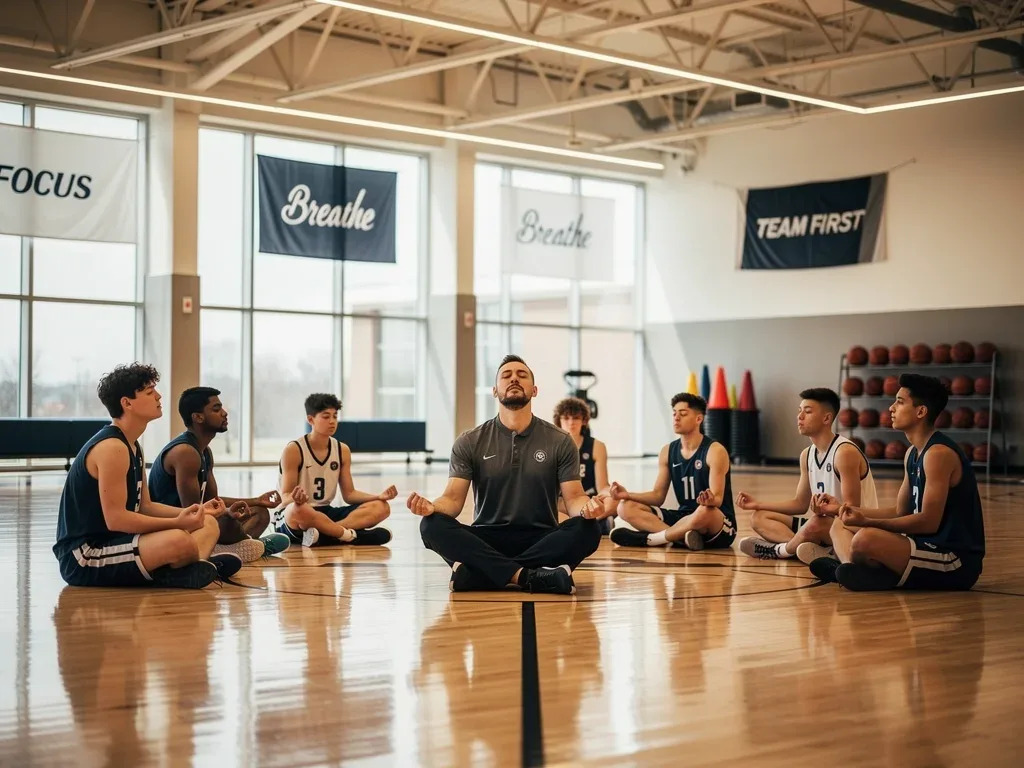
Overcoming common breathing challenges
Despite the clear benefits, many athletes face common challenges when attempting to implement new breathing techniques. These can range from a lack of awareness of proper mechanics to difficulty maintaining consistency during high-intensity situations. Addressing these hurdles is crucial for successful integration.
One primary challenge is the ingrained habit of shallow chest breathing, which many individuals develop due to modern lifestyles and chronic stress. Retraining the body to breathe diaphragmatically requires conscious effort and consistent practice to override these long-standing patterns. Patience and persistence are key.
Common obstacles and solutions
Understanding the obstacles can help athletes and coaches develop effective strategies to overcome them, ensuring that breathing techniques become a natural and beneficial part of an athlete’s routine.
- Lack of awareness: Many athletes are unaware of their breathing patterns. Solution: Use conscious observation and biofeedback tools to raise awareness.
- Difficulty engaging the diaphragm: It can feel unnatural initially. Solution: Practice lying down with a hand on the belly to feel the movement.
- Inconsistency: Forgetting to apply techniques during intense moments. Solution: Integrate breathing cues into drills and game simulations.
- Resistance to change: Some athletes may be skeptical. Solution: Educate them on the scientific benefits and share success stories.
By proactively addressing these challenges, coaches can foster an environment where athletes feel supported in exploring and mastering their breath. Consistent reinforcement and positive feedback play a significant role in embedding these practices deeply within an athlete’s performance repertoire. This ensures that the benefits of optimized breathing are fully realized, transforming potential into peak performance on the basketball court.
| Key Technique | Primary Benefit for Basketball |
|---|---|
| Diaphragmatic Breathing | Significantly improves oxygen delivery, enhancing stamina and delaying fatigue on court. |
| Box Breathing | Rapidly reduces stress and anxiety, fostering mental clarity in high-pressure game situations. |
| Rhythmic Breathing | Optimizes energy expenditure during continuous activity, maintaining consistent performance levels. |
| Breathwork Integration | Embeds breathing into daily routines, supporting injury prevention and accelerating physical recovery. |
Frequently asked questions about athlete breathing
How do breathing techniques improve stamina for basketball players?▼Breathing techniques, especially diaphragmatic breathing, optimize oxygen uptake and delivery to muscles. This efficiency delays fatigue, improves aerobic capacity, and allows players to maintain high-intensity performance for longer periods during games, directly boosting stamina.
Can breathing exercises really reduce stress during a game?▼Yes, techniques like box breathing activate the parasympathetic nervous system, counteracting the body’s stress response. This helps basketball players lower heart rate, reduce anxiety, and maintain mental clarity and focus under pressure, leading to better decision-making.
What is diaphragmatic breathing and why is it important for athletes?▼Diaphragmatic breathing, or belly breathing, uses the diaphragm for deep, efficient air intake. It’s crucial because it maximizes lung capacity, improves oxygen exchange, reduces energy expenditure by accessory muscles, and contributes to core stability, all vital for basketball performance.
How often should basketball players practice breathing techniques?▼For optimal results, basketball players should practice breathing techniques daily. Short, dedicated sessions (5-10 minutes) integrated into warm-ups, cool-downs, and even during breaks can build consistency and make these techniques an automatic response during intense game situations.
Are there any advanced breathing methods for elite basketball players?▼Yes, advanced methods like principles from the Wim Hof Method or rhythmic breathing synchronized with movement can further enhance anaerobic capacity, lactic acid tolerance, and mental resilience. These are often introduced under expert guidance to maximize specific performance benefits.
Conclusion
The journey to peak athletic performance in US basketball is multifaceted, and by 2026, the integration of sophisticated breathing techniques will be indispensable. From bolstering stamina through efficient oxygen delivery to calming the mind under immense pressure, mastering the breath offers a holistic pathway to superior play. As the sport continues to demand more from its athletes, those who prioritize and skillfully employ these techniques will undoubtedly gain a significant competitive advantage, shaping the future of basketball one conscious breath at a time. The emphasis on respiratory health and control is not just a trend; it’s a fundamental shift towards optimizing every aspect of an athlete’s potential.