Customizing Your Street Style: 6 DIY Projects for 2026
Advertisements
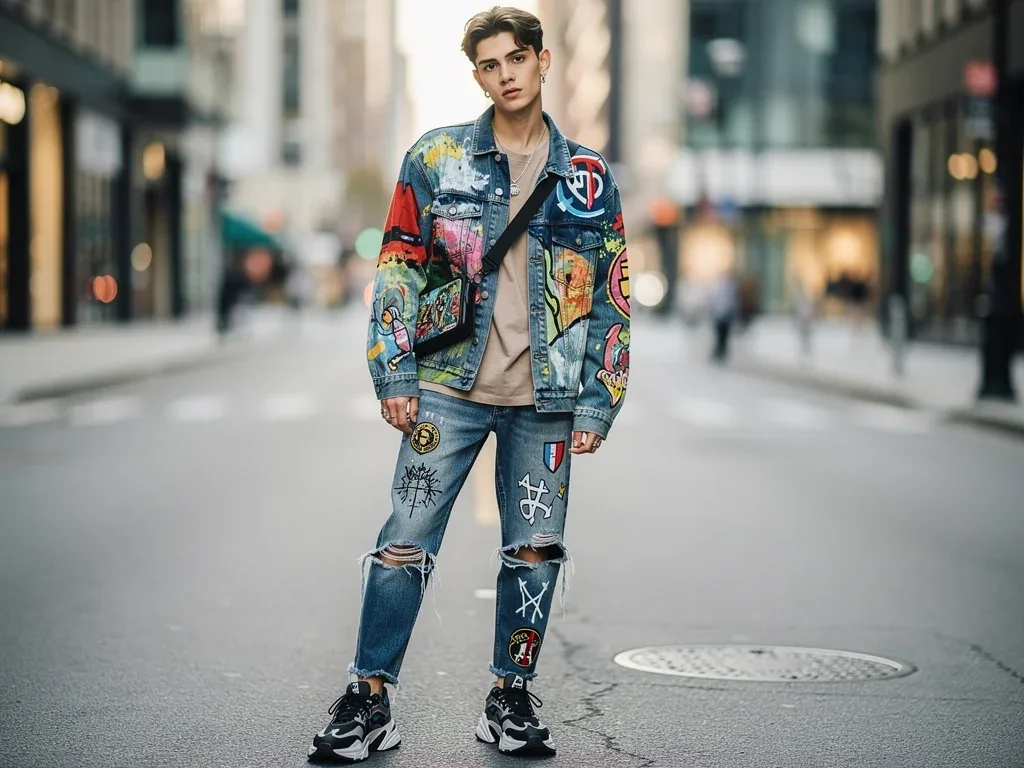
Embrace individuality and sustainability by customizing your street style in 2026 with six creative DIY projects, offering unique ways to personalize your wardrobe and stand out.
Are you ready to elevate your fashion game and truly make a statement? In 2026, the trend of personalizing your wardrobe is stronger than ever, and there’s no better way to achieve a unique look than by embarking on a journey of Customizing Your Street Style: 6 DIY Projects to Personalize Your Wardrobe in 2026. This guide will help you transform ordinary garments into extraordinary pieces, reflecting your personal flair and embracing sustainable fashion.
Reimagining Denim: The Art of Customization
Denim is a timeless staple in any street style wardrobe, offering a perfect canvas for personalization. From jackets to jeans, denim’s durability and versatility make it ideal for various DIY techniques. The goal is to take a basic denim item and infuse it with your unique personality, creating a piece that tells a story and stands out from the mass-produced fashion landscape.
Customizing denim isn’t just about adding elements; it’s about transforming the garment’s character. Whether you prefer a rugged, edgy vibe or something more artistic and whimsical, denim offers endless possibilities. This section will delve into specific methods that can turn your ordinary denim into a one-of-a-kind fashion statement.
Distressing and Deconstruction
One of the most popular ways to customize denim is through distressing and deconstruction. This involves creating strategic rips, tears, and frayed edges that give your denim a worn-in, edgy look. It’s a process that requires a delicate touch to avoid overdoing it, but the results can be incredibly stylish.
- Sandpaper and Razors: Use sandpaper to thin out fabric and create worn areas, then carefully use a razor or scissors to make small cuts that can be expanded into rips.
- Bleach Treatment: Apply diluted bleach to specific areas for a faded or splattered effect. Always test on an inconspicuous area first and wear gloves.
- Strategic Fraying: Cut off hems or cuffs and pull out individual threads to create a natural, frayed edge.
Beyond simple distressing, consider deconstructing denim by cutting out panels and replacing them with different fabrics, or even weaving in contrasting materials. This adds a layer of complexity and texture that elevates the garment. The key is to experiment and not be afraid to make bold choices, as denim is quite forgiving and can often be patched or re-worked if a mistake occurs. This approach allows for a truly unique expression of your individual style, pushing the boundaries of conventional denim wear.
Graphic Tees Reimagined: Beyond Basic Prints
Graphic tees are a cornerstone of street style, but often they feature designs that everyone else is wearing. Transforming a plain or even an existing graphic tee into something truly original is a fantastic DIY project. This project focuses on adding personal touches that elevate a simple t-shirt into a wearable piece of art. It’s about moving beyond off-the-rack designs and creating something that is distinctly yours.
The beauty of customizing graphic tees lies in its accessibility. You don’t need extensive sewing skills or expensive equipment. With a few basic supplies and a dose of creativity, you can turn a mundane shirt into a conversation starter. This section will explore various techniques, from painting to appliqué, that allow for maximum personalization.
Hand-Painting and Stenciling
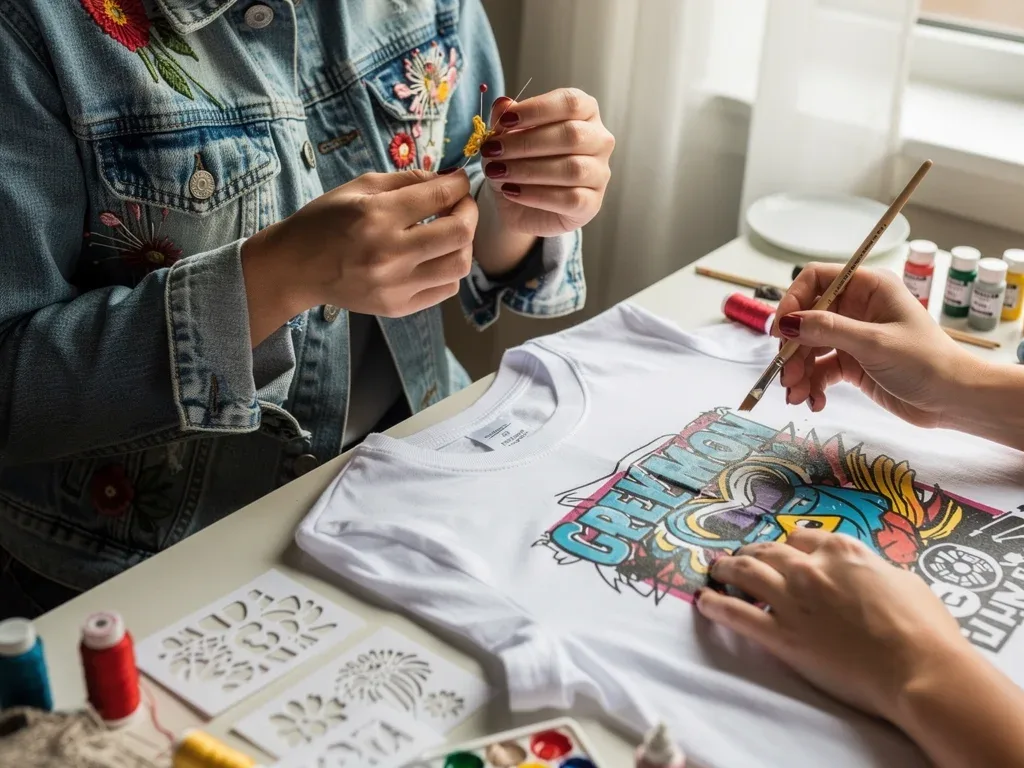
Hand-painting allows for complete artistic freedom. You can create intricate designs, abstract patterns, or even replicate your favorite artwork. Fabric paints are readily available and come in a wide range of colors.
- Fabric Paints: Choose high-quality fabric paints that won’t crack or fade after washing. Always follow the manufacturer’s instructions for setting the paint.
- Stencils: For those less confident in their freehand painting skills, stencils offer a great alternative. You can buy pre-made stencils or create your own from cardboard or plastic sheets.
- Bleach Pens: These pens allow you to draw directly onto dark fabric, creating unique bleached designs.
Consider combining different techniques for a multi-layered effect. For example, you could stencil a base design and then add hand-painted details. Or, use bleach pens for outlines and fill in with fabric paint. The possibilities are endless when you start to mix and match. Don’t be afraid to experiment with color and texture, creating designs that pop and reflect your personal aesthetic. This hands-on approach ensures that your graphic tee is not just a piece of clothing, but a reflection of your artistic vision and individuality.
Patchwork and Embroidery: Adding Texture and Story
Patchwork and embroidery are ancient crafts that have found a vibrant new life in modern street style. These techniques allow you to add texture, color, and narrative to your clothing, turning simple garments into intricate tapestries of personal expression. Patches can commemorate events, showcase affiliations, or simply add a burst of visual interest, while embroidery offers a more delicate and detailed form of customization.
The beauty of patchwork and embroidery lies in their ability to transform a garment without requiring a complete overhaul. You can start small, adding a single patch or a subtle embroidered detail, or go all out with a full-blown patchwork design. This section will guide you through the process of selecting materials and mastering basic techniques to create truly unique pieces.
Collecting and Applying Patches
Patches are an effortless way to add personality. They can be iron-on or sew-on, and you can collect them from various sources, reflecting your interests and experiences.
- Vintage Finds: Scour thrift stores and antique markets for unique, retro patches that add character.
- Custom Patches: Many online services allow you to design and order custom patches, making your clothing even more personal.
- Placement Strategy: Think about the overall aesthetic. A single large patch can be a statement, while a cluster of smaller ones creates a collage effect.
Embroidery, on the other hand, offers a more artisanal touch. From simple stitches to complex designs, embroidery can elevate a garment with intricate details. You can embroider directly onto fabric or create separate embroidered pieces that are then sewn on. Consider using different thread colors and stitch types to add depth and dimension to your designs. Combining patchwork with embroidery can create a truly rich and layered look, where each element contributes to a larger story. This dual approach ensures that your customized items are both visually striking and deeply personal, resonating with your unique fashion narrative.
Upcycling Accessories: Bags, Hats, and Shoes
Street style isn’t just about clothing; accessories play a crucial role in completing a look. Upcycling your existing bags, hats, and shoes is an excellent way to extend your personal style beyond your garments. This project encourages you to look at everyday items with a fresh perspective, seeing them as opportunities for creative transformation. It’s an eco-conscious approach that reduces waste while simultaneously enhancing your wardrobe.
Transforming accessories can be incredibly rewarding, as even small changes can have a significant impact on the overall aesthetic. Whether it’s a pair of old sneakers or a forgotten tote bag, these items can be given a new lease on life with a little imagination and effort. This section will explore various techniques suitable for different types of accessories, helping you to personalize every detail of your street style.
Customizing Footwear
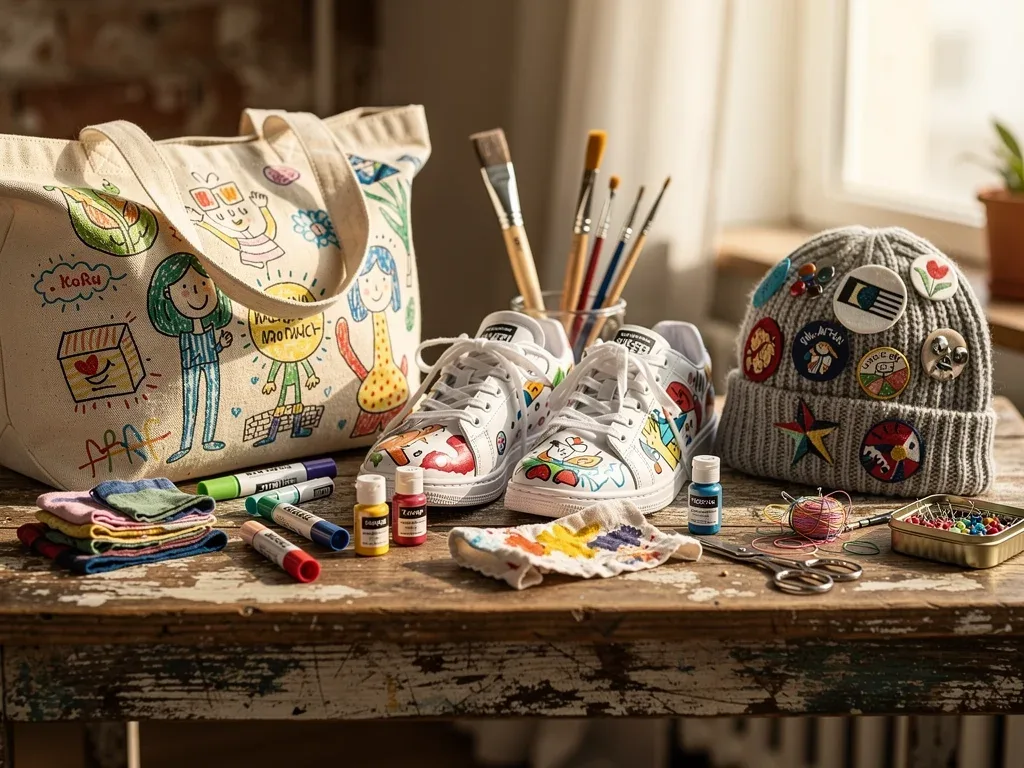
Sneakers are a prime candidate for customization. Painting, adding patches, or even swapping out laces can dramatically change their appearance.
- Fabric Markers/Paints: Use these to draw designs, graffiti, or abstract patterns directly onto canvas or leather sneakers.
- Studs and Spikes: For an edgier look, add metal studs or spikes to the sides or back of your shoes.
- Lace Swaps: Experiment with different colored, textured, or patterned laces to instantly refresh your sneakers.
Bags and hats also offer a vast canvas for personalization. A plain tote bag can become a statement piece with fabric paint, embroidery, or iron-on transfers. Similarly, a simple beanie or baseball cap can be adorned with patches, pins, or unique stitching. Think about how these accessories can complement your customized clothing, creating a cohesive and distinctive street style. The goal is to make every element of your outfit reflect your individuality, from head to toe. This focus on upcycling not only fosters creativity but also promotes a more sustainable approach to fashion, aligning with contemporary values of conscious consumption.
Dyeing and Bleaching Techniques: Color Transformations
Color plays a vital role in street style, influencing mood and making a visual impact. Dyeing and bleaching techniques offer powerful ways to transform the color of your garments, creating unique patterns and shades that are impossible to find off the rack. This project allows for significant changes to your existing wardrobe, breathing new life into old items and making them feel brand new. It’s a hands-on approach to color theory, where you become the artist controlling the palette.
From subtle ombré effects to bold tie-dye patterns, the possibilities with dyes and bleach are extensive. The key to successful color transformation lies in understanding the materials you’re working with and carefully following instructions. This section will delve into popular techniques, providing guidance on how to achieve stunning and consistent results, ensuring your customized pieces are both vibrant and durable.
Tie-Dye and Shibori
Tie-dye is a classic method for creating vibrant, psychedelic patterns, while Shibori, a Japanese dyeing technique, offers more intricate and controlled designs.
- Traditional Tie-Dye: Use rubber bands, string, and various folding techniques to create classic spirals, stripes, or crumple patterns.
- Shibori: Explore different binding, stitching, folding, twisting, and compressing techniques to create precise and often geometric patterns.
- Natural Dyes: Experiment with natural dyes derived from plants, fruits, or vegetables for an eco-friendly and earthy color palette.
Bleaching is another transformative technique, particularly effective on dark fabrics. You can create reverse tie-dye effects by applying bleach to tied fabric, or use bleach pens to draw intricate designs. Remember to always work in a well-ventilated area and wear protective gear when using bleach. The interplay of dyes and bleach can create complex, layered effects that are truly original. Consider combining these techniques with other customization methods, such as adding patches or embroidery to a freshly dyed garment, to create a multi-faceted piece. This hands-on exploration of color allows for an unparalleled level of personalization, ensuring your wardrobe is as unique as your artistic vision.
DIY Layering Pieces: Vests, Skirts, and Wraps
Layering is a fundamental aspect of street style, adding depth, texture, and visual interest to an outfit. Creating your own DIY layering pieces like vests, skirts, or wraps allows for unparalleled creativity and ensures your wardrobe is truly unique. This project focuses on transforming existing garments or materials into versatile pieces that can be styled in multiple ways, enhancing your overall look and providing endless outfit combinations. It’s about building a wardrobe that is both functional and expressive.
The beauty of DIY layering pieces is their adaptability. A simple piece of fabric can become a stylish wrap, or an old pair of jeans can be repurposed into a trendy skirt. This approach not only promotes sustainability by upcycling materials but also encourages a more thoughtful and deliberate approach to fashion. This section will explore practical ways to construct these layering elements, guiding you through the process of turning your creative vision into tangible, wearable art.
Repurposing Old Garments
Look for forgotten items in your closet or at thrift stores that can be given a new purpose. An oversized shirt can become a stylish vest, or denim scraps can be sewn into a unique skirt.
- Denim Skirts from Jeans: Cut the legs off old jeans and sew the inner seams together to create a new skirt. You can add fabric inserts for a flared look.
- T-Shirt Vests: Cut the sleeves and collar off an oversized t-shirt, then make strategic cuts along the side seams to create a flowy, open vest.
- Fabric Wraps: Utilize large pieces of interesting fabric, like scarves or old blankets, as stylish wraps or ponchos. Hem the edges for a polished finish.
Consider adding embellishments to your DIY layering pieces. This could include adding fringe to a vest, embroidering patterns onto a skirt, or attaching decorative buttons to a wrap. The goal is to create pieces that not only serve a functional purpose in layering but also stand out as unique design elements. By focusing on these personalized layering items, you can build a street style wardrobe that is rich in texture, depth, and individual character. This creative process allows you to express your fashion sensibilities in a truly distinctive way, making every outfit a reflection of your unique style journey.
Sustainable Fashion: The Core of DIY Street Style
In 2026, sustainable fashion is not just a trend; it’s a necessity. Customizing your street style through DIY projects directly contributes to a more sustainable wardrobe. By repurposing, upcycling, and personalizing existing garments, you reduce textile waste, minimize your environmental footprint, and challenge the fast fashion cycle. This project emphasizes the ethical and environmental benefits of DIY fashion, positioning it as a powerful tool for conscious consumption and creative expression.
Embracing DIY is about making deliberate choices that benefit both your personal style and the planet. It encourages a deeper connection with your clothes, fostering an appreciation for craftsmanship and longevity over fleeting trends. This section will highlight the various ways DIY fashion supports sustainability, offering insights into how your creative efforts can make a tangible difference.
Reducing Waste and Extending Garment Life
One of the most significant environmental impacts of the fashion industry is waste. DIY customization helps to combat this by giving old or unused garments a new lease on life.
- Upcycling: Transform discarded items into new, functional, and stylish pieces, preventing them from ending up in landfills.
- Repair and Revamp: Instead of buying new, repair damaged clothes or revamp outdated styles, extending their usability and reducing the need for new production.
- Conscious Consumption: By investing time and creativity into your existing wardrobe, you develop a more mindful approach to fashion, reducing impulsive purchases.
Furthermore, DIY fashion encourages the use of eco-friendly materials and techniques. Opt for natural dyes, ethically sourced embellishments, and non-toxic fabric treatments whenever possible. Sharing your DIY creations and knowledge can also inspire others to adopt more sustainable practices, creating a ripple effect within the fashion community. Ultimately, customizing your street style is not just about looking good; it’s about doing good. It’s a powerful statement that combines personal expression with environmental responsibility, making you a trendsetter in both style and sustainability. This holistic approach ensures that your fashion choices are both impactful and inspiring, setting a positive example for others.
| DIY Project | Brief Description |
|---|---|
| Customizing Denim | Transform denim jackets and jeans with distressing, deconstruction, and bleach for unique looks. |
| Graphic Tee Reinvention | Personalize t-shirts with hand-painting, stenciling, or bleach pens to create original designs. |
| Patchwork & Embroidery | Add texture and narrative to garments using collected patches and intricate embroidery techniques. |
| Upcycling Accessories | Give new life to bags, hats, and shoes with paint, studs, or fabric embellishments. |
Frequently Asked Questions About DIY Street Style
What are the best materials for DIY street style projects?▼The best materials are versatile and durable, like denim, cotton, and canvas. These fabrics hold up well to various customization techniques such as painting, dyeing, and embroidery. Consider starting with items you already own or thrift store finds for sustainable options.
How can I ensure my DIY customizations last?▼To ensure longevity, use high-quality fabric paints and dyes designed for clothing. Follow all setting instructions, often involving heat. For patches and embellishments, strong fabric glue or secure stitching is crucial. Always wash customized items carefully, preferably by hand or on a gentle cycle.
Are there any beginner-friendly DIY street style projects?▼Absolutely! Simple projects include adding iron-on patches to a jacket, using fabric markers to draw on a plain t-shirt, or tie-dyeing an old shirt. These require minimal skill and materials, offering a great starting point for beginners to explore their creativity.
How does DIY street style contribute to sustainable fashion?▼DIY street style significantly contributes to sustainability by extending the life of garments, reducing textile waste, and decreasing reliance on fast fashion. By repurposing and customizing existing clothes, you minimize your environmental impact and promote a more conscious approach to consumption.
Where can I find inspiration for my DIY street style projects?▼Inspiration is everywhere! Look to fashion blogs, social media platforms like Pinterest and Instagram, and even street art for ideas. Observing how others personalize their clothing can spark your own unique concepts. Don’t be afraid to combine different inspirations to create something truly original.
Conclusion
The journey of customizing your street style through DIY projects in 2026 is more than just a fashion statement; it’s an embrace of individuality, creativity, and sustainability. By taking the time to personalize your wardrobe, you’re not only creating unique pieces that truly reflect who you are, but you’re also actively participating in a more conscious and eco-friendly approach to fashion. From reimagining denim to upcycling accessories, each project offers an opportunity to express your distinct aesthetic and contribute positively to the environment. The power to transform the ordinary into the extraordinary lies in your hands, proving that true style is crafted, not just purchased. So, gather your materials, unleash your imagination, and start building a wardrobe that is as unique and dynamic as you are.