Mental Resilience in Basketball: 5 Strategies for US Players
Advertisements
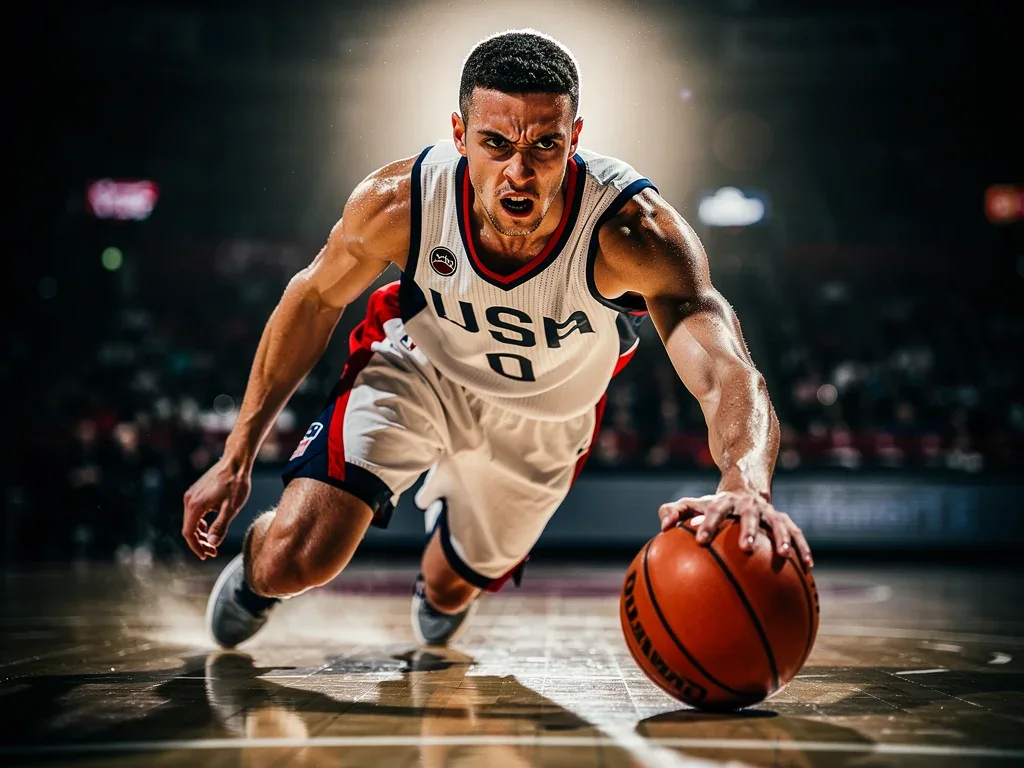
Implementing five key strategies by 2026 will empower US basketball players to significantly bolster their mental resilience and focus, directly translating to enhanced on-court performance and overall well-being.
In the high-stakes world of professional basketball, physical prowess is undeniably crucial, but it’s often the mental game that separates good players from great ones. By 2026, US players who master mental resilience in basketball will hold a significant edge, enabling them to maintain peak performance under immense pressure and achieve sustained success. This article delves into five actionable strategies designed to cultivate unwavering focus and mental fortitude, essential for navigating the rigorous demands of the sport.
Understanding the Importance of Mental Fortitude in Basketball
The modern game of basketball demands more than just exceptional physical talent; it requires a robust mental framework capable of withstanding constant scrutiny, pressure, and the inevitable ebb and flow of competition. Mental fortitude isn’t just about ‘being tough’; it encompasses a player’s ability to stay calm, focused, and adaptable when faced with adversity. This internal strength directly impacts decision-making, consistency, and ultimately, a player’s overall impact on the court.
Players who develop strong mental resilience are better equipped to handle missed shots, critical turnovers, and the emotional swings of a close game. They can quickly reset, learn from mistakes, and re-engage with renewed determination. This psychological edge is becoming increasingly recognized as a vital component of elite athletic performance, especially in a sport as dynamic and fast-paced as basketball. Ignoring this aspect leaves a significant gap in a player’s developmental journey.
The Psychological Demands of Elite Basketball
Elite basketball players face a unique confluence of psychological pressures that can easily derail performance if not properly managed. These demands range from the intense public scrutiny and media attention to the internal expectations placed upon themselves by coaches, teammates, and their own aspirations. Every possession, every free throw, every defensive stand can feel like a make-or-break moment, requiring an athlete to consistently perform at their best.
- High-Pressure Situations: Game-winning shots, crucial defensive stops, and playoff intensity demand unflappable composure.
- Constant Evaluation: Players are continuously judged on their performance, leading to potential self-doubt and anxiety.
- Physical and Mental Fatigue: The grueling schedule of a basketball season can wear down even the strongest individuals.
- Injury Recovery: The mental battle of coming back from an injury often outweighs the physical one, requiring immense patience and belief.
Ultimately, a player’s mental game can be the differentiator between a consistent performer and one who buckles under pressure. By prioritizing mental resilience, US basketball players can build a foundation that supports not just their athletic careers, but their overall well-being.
Strategy 1: Cultivating Mindfulness and Presence
One of the most effective ways for basketball players to enhance their focus and mental resilience is through the practice of mindfulness. Mindfulness involves being fully present in the moment, paying attention to thoughts, feelings, and bodily sensations without judgment. For athletes, this translates to heightened awareness on the court, allowing them to react more instinctively and make better decisions, free from the distractions of past mistakes or future anxieties.
Implementing mindfulness techniques doesn’t require extensive retreats; even short, consistent practices can yield significant benefits. Simple breathing exercises, body scans, and focused attention during training can help players develop a stronger connection to the present. This improved presence can reduce performance anxiety and enhance their ability to respond effectively to rapidly changing game situations. It’s about training the mind just as rigorously as the body.
Techniques for Daily Mindfulness Practice
Integrating mindfulness into a daily routine is crucial for its effectiveness. Players can start with brief sessions and gradually increase their duration as they become more comfortable. The key is consistency, making it a habitual part of their preparation and recovery.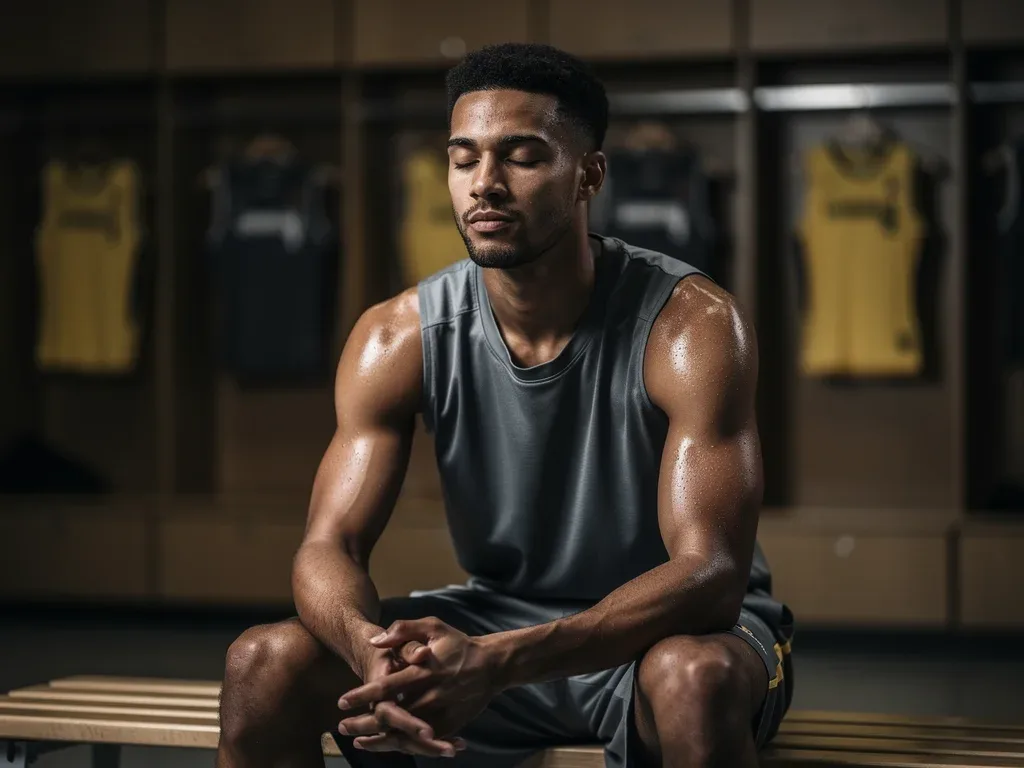
- Focused Breathing: Spend 5-10 minutes daily focusing solely on your breath, noticing the inhale and exhale without trying to control it.
- Body Scan Meditation: Lie down and systematically bring attention to different parts of your body, noticing any sensations without judgment.
- Mindful Walking: During a walk, pay close attention to the sensations of your feet on the ground, the movement of your body, and your surroundings.
- Pre-Game Visualization: Before a game, visualize yourself performing key actions with complete focus and success, engaging all your senses.
These practices help players develop a ‘mental muscle’ that allows them to quickly return their focus to the task at hand, whether it’s a defensive slide or a free throw. By regularly engaging in mindfulness, players can create a mental sanctuary that protects them from external pressures and internal distractions, leading to a more consistent and impactful performance.
Strategy 2: Developing Robust Self-Talk and Visualization
The internal dialogue a player engages in profoundly impacts their performance and resilience. Negative self-talk can quickly erode confidence and lead to a downward spiral, while positive and constructive self-talk can empower players to overcome obstacles and maintain a high level of performance. Developing robust self-talk involves consciously challenging negative thoughts and replacing them with affirming and process-oriented statements.
Coupled with self-talk, visualization is a powerful mental tool that allows players to mentally rehearse scenarios, successes, and problem-solving before they even happen. By vividly imagining themselves executing plays, making shots, or successfully defending opponents, players can build neural pathways that enhance actual performance. This mental preparation not only boosts confidence but also refines motor skills and decision-making processes.
Harnessing the Power of Internal Dialogue
Players often don’t realize the extent to which their internal voice dictates their actions. Training this voice to be an ally, rather than a critic, is a vital step in building mental resilience. It’s not about ignoring mistakes, but about reframing them as learning opportunities and focusing on the next positive action.
- Identify Negative Patterns: Become aware of recurring negative thoughts during pressure situations.
- Challenge and Reframe: When a negative thought arises, question its validity and reframe it into a constructive statement (e.g., ‘I missed that shot’ becomes ‘I’ll adjust my form for the next one’).
- Use Affirmations: Regularly repeat positive affirmations about your abilities and focus (e.g., ‘I am calm and focused,’ ‘I trust my training’).
- Focus on Process, Not Outcome: Direct self-talk towards the actions required to succeed, rather than the end result (e.g., ‘Focus on my follow-through’ instead of ‘I need to make this shot’).
Visualization exercises should be detailed and multisensory. Players should imagine not just the sight of the ball going through the net, but also the sound of the crowd, the feel of the ball in their hands, and the emotions associated with success. This holistic approach makes the mental rehearsal incredibly potent, preparing the mind and body for real-game situations.
Strategy 3: Implementing Pre-Performance Routines
Pre-performance routines are consistent sets of actions that players execute before specific tasks or games. These routines serve as psychological anchors, helping players transition into a focused and optimal mindset. By engaging in the same sequence of thoughts and actions, players can reduce anxiety, enhance concentration, and ensure they are mentally prepared for the demands of the competition.
A well-designed pre-performance routine isn’t just about physical warm-ups; it integrates mental preparation, such as visualization, specific breathing techniques, and positive affirmations. The predictability of these routines helps to calm the nervous system and create a sense of control, even in chaotic environments. This consistency is particularly beneficial for high-pressure moments like free throws or crucial offensive possessions.
Crafting Effective Pre-Game and Pre-Shot Rituals
The best routines are personalized and adaptable, but they all share the common goal of creating a state of readiness. For US basketball players, developing specific rituals for both broader game preparation and individual in-game actions can significantly boost performance.
Consider the following elements when building a routine:
- Physical Warm-up: Standard stretches and drills to prepare the body.
- Mental Warm-up: A short period of mindfulness or focused breathing to clear the mind.
- Visualization: Mentally rehearsing key plays, shots, or defensive assignments.
- Cue Words/Phrases: Using a specific word or phrase to trigger focus and confidence.
- Sensory Engagement: Tuning into the sights, sounds, and feel of the court before a game.
For example, a free-throw routine might involve dribbling the ball a specific number of times, taking a deep breath, visualizing the shot, and then executing. The repetition of this sequence makes the action almost automatic, reducing the impact of external pressure. These routines, when consistently practiced, become powerful tools for maintaining composure and optimal performance.
Strategy 4: Enhancing Emotional Regulation and Stress Management
Basketball is an emotionally charged sport, and the ability to effectively regulate emotions is a cornerstone of mental resilience. Players who can manage their frustration, anger, or excitement without letting it negatively impact their performance gain a significant advantage. Emotional regulation isn’t about suppressing feelings but about acknowledging them and choosing an appropriate response.
Stress management techniques are equally vital, as the physical and mental demands of a long season can lead to burnout and decreased performance. Learning to identify stressors, implement coping mechanisms, and prioritize recovery are crucial skills for any elite athlete. By proactively managing stress, players can maintain their energy levels and mental clarity throughout the season.
Tools for Managing On-Court Emotions and Off-Court Stress
Developing emotional intelligence allows players to understand their own emotional states and those of their teammates, fostering better communication and team cohesion. This holistic approach to well-being translates directly to enhanced performance.
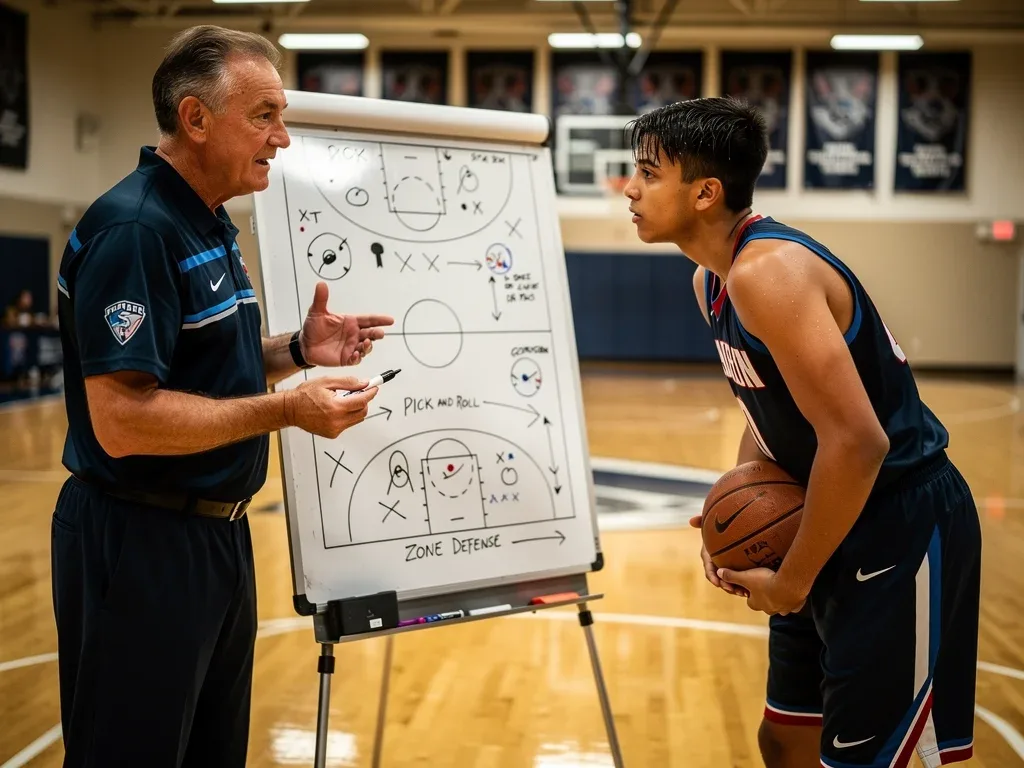
- Deep Breathing Exercises: Use controlled breathing to calm the nervous system during intense moments.
- Emotional Labeling: Acknowledge and name your emotions (e.g., ‘I feel frustrated right now’) to gain perspective.
- Perspective Taking: Remind yourself of the bigger picture and that one mistake doesn’t define the entire game or season.
- Active Recovery: Engage in activities outside of basketball that promote relaxation and mental breaks, such as hobbies or spending time with loved ones.
- Seeking Support: Don’t hesitate to talk to coaches, sports psychologists, or trusted mentors about stress and emotional challenges.
The ability to remain composed in the face of adversity, to shake off a bad play, or to channel competitive fire productively, is a hallmark of mentally resilient players. Training these skills off the court makes them more accessible during the heat of competition.
Strategy 5: Fostering a Growth Mindset and Adaptability
A growth mindset, characterized by the belief that abilities and intelligence can be developed through dedication and hard work, is fundamental for sustained improvement and mental resilience. Players with a growth mindset view challenges as opportunities to learn and grow, rather than insurmountable obstacles. This perspective is critical in a sport where setbacks and failures are inevitable.
Coupled with a growth mindset, adaptability is the capacity to adjust to new conditions, unexpected situations, and changing game dynamics. In basketball, this could mean adjusting to a new coaching philosophy, a different role on the team, or an opponent’s unforeseen strategy. Players who are adaptable can pivot quickly, learn new skills, and remain effective even when their comfort zone is challenged.
Embracing Challenges and Continuous Improvement
Fostering a growth mindset means actively seeking out challenges and viewing mistakes not as failures, but as valuable feedback. This approach empowers players to take risks, experiment, and constantly push the boundaries of their abilities. It shifts the focus from proving oneself to improving oneself, reducing the pressure to be perfect.
Key aspects of cultivating this mindset include:
- Learning from Feedback: Actively solicit and apply feedback from coaches and teammates.
- Embracing Setbacks: View losses or poor performances as data points for improvement, not personal indictments.
- Continuous Skill Development: Always be seeking to refine existing skills and learn new ones, both physical and mental.
- Problem-Solving Focus: Approach challenges with a solution-oriented mindset, rather than dwelling on the problem.
Adaptability also involves mental flexibility, the ability to switch strategies or roles seamlessly. This is a skill that can be practiced through varied training scenarios and by analyzing different game situations. By 2026, US basketball players who embody a growth mindset and high adaptability will be better equipped to not only survive but thrive in an ever-evolving competitive landscape.
Integrating Mental Training into Daily Regimen
For these strategies to be truly effective, they must be seamlessly integrated into a player’s daily training and lifestyle, becoming as routine as physical conditioning. Mental training should not be an afterthought but a core component of athletic development. This holistic approach ensures that players are not just physically prepared, but also mentally robust and ready for any challenge the game throws their way.
Coaches and organizations play a vital role in fostering an environment that prioritizes mental well-being and resilience. Providing resources such as sports psychologists, mindfulness coaches, and educational workshops can significantly support players in developing these critical skills. The commitment to mental training must come from all levels of the sport, from youth leagues to professional organizations, to truly embed these practices by 2026.
Creating a Culture of Mental Performance
The shift towards a greater emphasis on mental performance requires a cultural change within basketball. It means recognizing that mental strength is not just innate but can be systematically developed and improved, much like physical attributes. This culture encourages open discussion about mental challenges and promotes proactive strategies for mental well-being.
- Coach Education: Equipping coaches with the knowledge and tools to support players’ mental development.
- Peer Support Systems: Encouraging teammates to support each other’s mental health and resilience.
- Access to Experts: Making sports psychologists and mental performance coaches readily available.
- Individualized Plans: Developing personalized mental training plans tailored to each player’s needs and challenges.
By making mental training a non-negotiable part of a player’s development, US basketball can produce athletes who are not only physically dominant but also mentally unshakeable. This integration will lead to more consistent performances, longer careers, and ultimately, a more fulfilling experience for the players themselves. The goal by 2026 is to see mental resilience as a standard, not an exception.
| Key Strategy | Brief Description |
|---|---|
| Mindfulness & Presence | Focus on the present moment to enhance awareness and reduce anxiety on court. |
| Self-Talk & Visualization | Positive internal dialogue and mental rehearsal for confidence and skill refinement. |
| Pre-Performance Routines | Consistent actions before tasks to optimize mental state and reduce pressure. |
| Growth Mindset & Adaptability | Embrace challenges and adjust to new conditions for continuous improvement. |
Frequently Asked Questions About Mental Resilience in Basketball
Why is mental resilience so important for basketball players?▼Mental resilience allows players to perform consistently under pressure, recover quickly from mistakes, and maintain focus throughout demanding games and seasons. It directly impacts decision-making, emotional control, and overall on-court effectiveness, distinguishing elite performers.
How can mindfulness improve a player’s game?▼Mindfulness helps players stay present and aware, reducing distractions from past errors or future anxieties. This enhanced focus leads to better reaction times, improved decision-making, and a calmer demeanor during critical moments, ultimately boosting performance.
What is the role of self-talk in building mental strength?▼Self-talk is an internal dialogue that can either build or erode confidence. Positive, constructive self-talk helps players reframe challenges, maintain belief in their abilities, and focus on the process rather than negative outcomes, fostering greater resilience.
Are pre-performance routines only for professional athletes?▼Absolutely not. Pre-performance routines benefit athletes at all levels. They establish consistent mental and physical preparation, reducing anxiety and enhancing focus before any task, from youth games to professional championships, creating a sense of control.
How does a growth mindset contribute to a player’s development?▼A growth mindset encourages players to view challenges and setbacks as opportunities for learning and improvement, rather than limitations. This perspective fosters continuous effort, adaptability, and resilience, driving long-term development and success on and off the court.
Conclusion
The journey to becoming an elite basketball player by 2026 extends far beyond physical conditioning; it deeply intertwines with mental fortitude. By consistently applying strategies such as cultivating mindfulness, mastering self-talk and visualization, implementing robust pre-performance routines, enhancing emotional regulation, and fostering a growth mindset, US players can unlock their full potential. These mental tools are not merely supplementary but are foundational elements for sustained success, enabling athletes to navigate the sport’s intense pressures with unwavering focus and resilience. Investing in mental training today will undoubtedly define the champions of tomorrow.