NBA International Player Growth 2026: Global Talent’s Impact
Advertisements
By 2026, the NBA’s landscape will be increasingly defined by substantial international player growth, fundamentally altering team strategies, competitive balance, and fan bases worldwide, cementing basketball’s global appeal.
The National Basketball Association (NBA) is a global phenomenon, and the trajectory of NBA international player growth 2026 signals a profound evolution in the league’s identity. This surge in global talent isn’t just a trend; it’s a fundamental shift that is reshaping team dynamics, influencing strategic decisions, and expanding the league’s cultural footprint across continents.
The Unstoppable Rise of Global Talent in the NBA
The NBA has long been considered the pinnacle of professional basketball, a league dominated by American-born talent. However, the last two decades have witnessed a dramatic shift, with international players increasingly not only joining but also excelling and leading teams. This influx of diverse talent has brought new playing styles, cultural perspectives, and an unprecedented level of competition, redefining what it means to be an NBA superstar.
As we look towards 2026, this trend is not only expected to continue but to accelerate, driven by sophisticated scouting networks, improved international development programs, and the growing global appeal of basketball. The league’s proactive efforts to expand its brand internationally have created a fertile ground for talent from every corner of the world to aspire to and reach the highest level of the sport.
Early Pioneers and Modern Dynasties
The path for international players was paved by early pioneers like Hakeem Olajuwon and Detlef Schrempf, who proved that talent knows no borders. Their success opened doors, but the current era is defined by an explosion of global MVPs and champions.
- Trailblazers: Players like Dirk Nowitzki redefined positions and proved that European talent could lead championship teams.
- Modern Dominance: Nikola Jokic, Giannis Antetokounmpo, and Luka Doncic represent the current wave, consistently ranking among the league’s elite.
- Scouting Evolution: Teams now invest heavily in international scouting, identifying prospects at younger ages.
- Development Pathways: Dedicated academies and professional leagues abroad are nurturing talent specifically for the NBA pipeline.
The success stories of these global athletes inspire millions, creating a powerful feedback loop that encourages more young players worldwide to pursue basketball seriously. This continuous cycle of inspiration and development is a key driver behind the projected NBA international player growth 2026, ensuring a rich and diverse talent pool for years to come.
Ultimately, the global integration of talent has not only enhanced the quality of play but also broadened the NBA’s cultural impact, making it a truly worldwide league. The league’s global strategy is intrinsically linked to the success and visibility of its international stars, fostering deeper connections with fans across diverse demographics and geographies.
Impact on Team Strategies and Roster Construction
The increasing presence of international players has forced NBA teams to rethink their entire approach to roster construction and on-court strategy. No longer can teams rely solely on traditional American collegiate systems for talent. The global game offers a wider array of skill sets, often developed in different tactical environments, leading to more versatile and adaptable players.
By 2026, teams that effectively integrate international talent into their scouting and development pipelines will likely gain a significant competitive edge. This involves not just identifying talent but also understanding how to best utilize their unique skills within an NBA system, bridging cultural and stylistic differences.
Versatility and Unique Skill Sets
International players frequently bring a different approach to the game, often emphasizing fundamental skills, team play, and high basketball IQ honed in structured European or other global leagues. This contrasts with a sometimes more athletic, individualistic style prevalent in some American development paths.
- Passing Acumen: Many European big men, for instance, are renowned for their exceptional passing vision, a skill highly valued in modern offenses.
- Shooting Prowess: Players from various international leagues often arrive with well-developed shooting mechanics and a high volume of three-point attempts.
- Positional Versatility: The concept of positionless basketball is often ingrained in international systems, producing players capable of guarding multiple positions and fulfilling diverse offensive roles.
These unique attributes contribute to a more dynamic and unpredictable style of play, challenging traditional NBA archetypes. The adaptability of international players allows coaches to implement more complex offensive and defensive schemes, moving beyond rigid positional roles. This strategic flexibility is invaluable in a league increasingly focused on matchup advantages and fluid team play.
Scouting and Development Challenges
While the rewards are clear, integrating international talent also presents challenges. Scouting requires extensive travel, cultural understanding, and a keen eye for translating potential from different leagues to the NBA level. Once drafted, these players often face significant adjustments, both on and off the court.
Teams must provide robust support systems, including language assistance, cultural assimilation programs, and tailored player development plans. The investment in these areas is crucial for maximizing the potential of international prospects and ensuring their long-term success in the league. As the NBA international player growth 2026 continues, these support structures will become even more critical, distinguishing successful franchises from those that struggle to adapt.
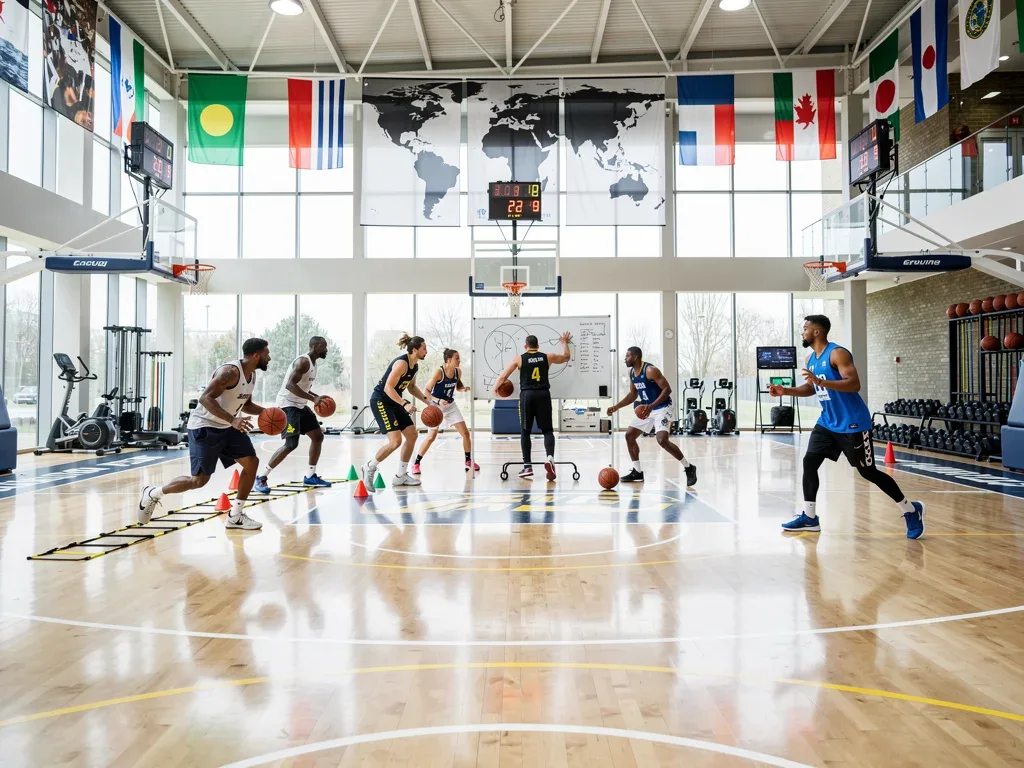
Expanding the NBA’s Global Footprint and Fan Base
The rise of international stars is intrinsically linked to the NBA’s burgeoning global appeal. When players from specific countries achieve superstardom, they bring an entire nation’s fan base with them. This creates new markets for merchandise, media rights, and live game viewership, transforming the NBA into a truly global entertainment entity.
By 2026, the league’s global footprint will be more expansive than ever, with a diverse fan base that mirrors the diversity of its players. This expansion isn’t merely about revenue; it’s about cultural exchange and solidifying basketball’s status as a top-tier global sport, competitive with soccer in many regions.
Connecting with International Audiences
The narrative of an international player’s journey from their home country to NBA stardom resonates deeply with fans abroad. It provides a relatable hero and a direct connection to the league, fostering a sense of pride and belonging.
- Increased Viewership: Games featuring prominent international stars often see significant spikes in viewership in their home countries.
- Merchandise Sales: Jerseys and fan gear of international players are top sellers in their native regions, driving global revenue.
- Social Media Engagement: These players often have massive social media followings in their home countries, acting as powerful ambassadors for the NBA.
The NBA actively cultivates these connections through initiatives like NBA Global Games, Jr. NBA programs in various countries, and tailored digital content for international markets. These efforts ensure that the league remains accessible and relevant to a diverse global audience, leveraging its international player base as its most potent marketing tool.
Economic Implications and Market Expansion
The economic impact of this global expansion is substantial. New partnerships, sponsorship deals, and media rights agreements are continually being forged in international markets. As the NBA international player growth 2026 continues, so too will the economic opportunities, making the league a global economic powerhouse in sports.
This market expansion is not just about bringing the NBA to the world; it’s about integrating global cultures and fan bases into the NBA experience, creating a richer, more diverse, and ultimately more valuable product. The league’s future financial health is increasingly tied to its ability to cultivate and capitalize on its international appeal, driven by the faces and stories of its global athletes.
Advanced Scouting and Development Programs Abroad
The sustained influx of international talent is no accident; it’s the result of highly sophisticated and ever-evolving scouting and development programs implemented by NBA teams and the league itself. These initiatives are designed to identify, nurture, and prepare global prospects for the rigors of professional basketball at the highest level. By 2026, these programs will be even more critical, acting as the lifeblood for continued international player growth.
Teams now employ dedicated international scouting departments, often with multilingual staff and extensive networks of local contacts. This proactive approach ensures that no stone is left unturned in the global search for the next NBA superstar, significantly broadening the talent pool beyond traditional domestic sources.
The Role of International Academies and Leagues
Beyond individual team efforts, the growth of high-quality basketball academies and professional leagues outside the U.S. plays a pivotal role. These institutions provide structured environments where young athletes can develop their skills, compete at a high level, and gain valuable experience before potentially making the leap to the NBA.
- NBA Academies: The NBA has established its own network of elite basketball training centers across the globe, offering pathways for top prospects.
- European Professional Leagues: Leagues like the EuroLeague, ACB (Spain), and LNB Pro A (France) serve as crucial proving grounds, developing players with high basketball IQ and tactical discipline.
- Australian NBL: The National Basketball League in Australia has emerged as a strong development league, attracting high-level prospects and providing a competitive environment.
These international development systems often emphasize different aspects of the game, such as fundamental skills, team play, and strategic execution, which complements the athletic prowess often seen in American-trained players. The blend of these development philosophies creates a more well-rounded and versatile player pool for the NBA.
Data Analytics and Technology in Scouting
Modern scouting is increasingly driven by data analytics and advanced technology. Teams use sophisticated algorithms to analyze player performance in international leagues, identify key statistical indicators, and project future NBA success. Video analysis tools allow scouts to evaluate prospects from anywhere in the world, reducing the need for constant physical presence.
This technological integration makes the scouting process more efficient, objective, and far-reaching. It enables teams to uncover hidden gems and make more informed decisions about international prospects, further fueling the NBA international player growth 2026. The combination of on-the-ground scouting with data-driven insights creates a powerful synergy for talent identification.
Cultural Exchange and Diversity in the Locker Room
The increasing diversity within NBA locker rooms due to international player growth goes far beyond just basketball skills. It fosters a rich environment of cultural exchange, broadening perspectives, and building stronger team bonds. Players from different backgrounds bring unique traditions, languages, and worldviews, enriching the daily experience of everyone involved with the team.
By 2026, this cultural melting pot will be an even more defining characteristic of the NBA, promoting understanding and camaraderie. This diversity is not just a feel-good story; it’s a competitive advantage, as teams learn to embrace and leverage the varied experiences of their players.
Bridging Gaps and Building Unity
While language barriers and cultural differences can initially pose challenges, they often lead to deeper connections and a more unified team over time. Players learn from each other, share experiences, and develop a global perspective that transcends the basketball court.
- Language Learning: Many American players learn basic phrases from their international teammates, and vice versa, fostering communication.
- Shared Experiences: International players often bond over common experiences of adapting to a new country and culture.
- Diverse Perspectives: Different cultural approaches to teamwork, leadership, and problem-solving can lead to more innovative solutions on the court.
Coaching staffs and organizations play a crucial role in facilitating this cultural integration. By creating inclusive environments and providing resources for cultural understanding, they help players from diverse backgrounds gel into cohesive units. This investment in cultural intelligence pays dividends in team chemistry and performance, proving that diversity is a strength.
Impact on Team Chemistry and Performance
A diverse locker room, when managed effectively, can lead to enhanced team chemistry. Players who understand and appreciate different cultural nuances are often more empathetic and adaptable, leading to better on-court communication and cooperation. The ability to connect with teammates from various backgrounds can foster a deeper sense of trust and mutual respect.
The varied perspectives brought by international players can also lead to more creative and unpredictable strategies. Different basketball philosophies converge, leading to unique offensive sets and defensive schemes that can surprise opponents. This melting pot of ideas and experiences is a significant factor in the sustained competitive excellence of teams with strong international rosters, a trend that will only intensify with continued NBA international player growth 2026.
The Future Landscape: Projections for 2026 and Beyond
Looking ahead to 2026, the trajectory of international player involvement in the NBA is clear: it will continue its upward climb, further solidifying the league’s global identity. The factors driving this growth—advanced scouting, global development academies, and the league’s international marketing efforts—are only becoming more refined and effective. This will lead to a more diverse, competitive, and globally resonant NBA.
The league’s future will be characterized by a greater emphasis on adaptability and cultural intelligence, both on the court and within front offices. Teams that can successfully navigate and leverage this global talent pool will be best positioned for sustained success in an increasingly interconnected basketball world.
Increased Representation and Emerging Regions
While Europe and Canada have traditionally been strong pipelines for international talent, 2026 is likely to see increased representation from other emerging basketball regions. Africa, in particular, is poised for significant growth, with several initiatives aimed at developing young talent and providing pathways to the NBA. Similarly, Asia and Latin America will continue to produce high-level prospects.
- African Talent: Programs like Basketball Africa League (BAL) and various academies are creating a robust infrastructure for African players.
- Asian Market: The massive fan base in Asia, coupled with improved development, will likely yield more NBA-ready players.
- Latin American Prospects: Countries like Argentina and Brazil have a rich basketball history, and renewed focus on youth development will bring more talent.
This broader geographical distribution of talent will make the NBA truly representative of the world’s best basketball players, further enhancing its global appeal and competitive balance. The league will become an even more vibrant showcase of diverse styles and athletic prowess from every corner of the globe, embodying the spirit of international collaboration and competition.
Evolving Player Development and Scouting
By 2026, player development will be even more individualized, leveraging advanced sports science, nutrition, and mental conditioning tailored to each player’s unique background and needs. Scouting will integrate even more sophisticated data analytics and AI-driven tools to identify potential, predict performance, and mitigate risk, particularly for international prospects.
The emphasis will be on holistic development, preparing players not just for the physical demands of the NBA but also for the cultural and psychological adjustments required to thrive in a new country. This comprehensive approach will ensure that the NBA international player growth 2026 is not just about numbers, but about nurturing well-rounded athletes who can contribute meaningfully to their teams and the league as a whole.
Challenges and Opportunities for Global Integration
While the benefits of international player growth are undeniable, the path to full global integration is not without its challenges. Adapting to new cultures, overcoming language barriers, and adjusting to the intense physicality and schedule of the NBA can be daunting for young international prospects. However, these challenges also present significant opportunities for growth, both for individual players and for the league as a whole.
By proactively addressing these hurdles, the NBA can ensure a smoother transition for its international stars, maximizing their potential and solidifying the league’s reputation as a welcoming and diverse environment for the world’s best basketball talent. The league’s commitment to supporting its global athletes is paramount for continued success.
Navigating Cultural and Language Barriers
One of the primary challenges for international players is adjusting to a new country, language, and culture. Homesickness, communication difficulties, and unfamiliar social norms can impact a player’s performance and overall well-being. NBA teams and the league itself have recognized this and are implementing various support systems.
- ESL Programs: Many teams offer English as a Second Language instruction to help players communicate effectively.
- Cultural Assimilation Mentors: Veteran players or dedicated staff often serve as mentors, guiding new international recruits through cultural adjustments.
- Family Support: Providing resources for players’ families to relocate and settle can significantly ease the transition.
Successfully navigating these cultural transitions is crucial for an international player’s long-term success. The ability to feel comfortable and integrated off the court directly translates to better performance on the court, allowing players to focus on their game. This holistic support becomes a competitive advantage for franchises committed to their international talent.
Adapting to the NBA Game and Schedule
The NBA’s style of play, with its emphasis on athleticism, individual matchups, and a grueling 82-game schedule, is significantly different from many international leagues. Players must adapt quickly to a faster pace, more physical defense, and the demands of constant travel and back-to-back games.
This adaptation requires not only physical conditioning but also mental toughness. Training regimens, dietary plans, and recovery protocols are often intensified to prepare players for the NBA’s unique demands. The league’s investment in sports science and player wellness is particularly beneficial for international athletes making this transition.
The opportunities arising from successful global integration are vast. Each international success story strengthens the NBA’s brand, opens new markets, and enriches the league’s competitive landscape. The continued NBA international player growth 2026 promises a future where the league is more diverse, more exciting, and truly global in every sense of the word, overcoming initial challenges to forge a more inclusive and dynamic basketball future.
| Key Aspect | Impact on NBA by 2026 |
|---|---|
| Talent Diversity | Introduces unique skill sets and playing styles, enhancing competitive balance. |
| Global Fan Base | Expands market reach, increasing viewership and merchandise sales worldwide. |
| Team Strategies | Forces innovation in roster construction and on-court tactics to leverage varied skills. |
| Development Pathways | Strengthens international academies and leagues as key sources for NBA talent. |
Frequently Asked Questions about NBA International Growth
How is international player growth impacting NBA team strategies?▼International players often bring diverse skill sets, including advanced passing, shooting, and positional versatility. This forces NBA teams to adapt roster construction and develop more flexible, nuanced offensive and defensive schemes, moving away from traditional archetypes and promoting a more fluid style of play.
Which regions are expected to contribute most to NBA international player growth by 2026?▼While Europe and Canada remain strong, emerging regions like Africa, Asia, and Latin America are poised for significant growth. Investments in local basketball academies and leagues, coupled with increased scouting efforts, are creating robust pipelines for talent from these areas, broadening the global reach.
What challenges do international players face when joining the NBA?▼International players often encounter challenges such as language barriers, cultural adjustments, and adapting to the NBA’s highly physical play style and demanding schedule. Teams provide support through ESL programs, cultural mentors, and tailored development plans to ease these transitions and maximize player potential.
How does international talent benefit the NBA’s global fan base?▼The presence of international stars directly expands the NBA’s global footprint. Players become national heroes, driving increased viewership, merchandise sales, and social media engagement in their home countries. This fosters deeper connections with diverse international audiences and solidifies basketball’s status as a top global sport.
What role do international development programs play in this growth?▼International development programs, including NBA Academies and strong professional leagues abroad, are crucial. They provide structured environments for young athletes to hone skills, gain competitive experience, and prepare for the NBA. These programs ensure a continuous supply of well-rounded, tactically sound players for the league.
Conclusion
The trajectory of NBA international player growth 2026 underscores a pivotal moment in the league’s history, marking a definitive shift towards a truly global enterprise. This ongoing evolution is not merely about increasing numbers but about a fundamental transformation of the game itself, enriching team strategies, expanding the league’s cultural diversity, and solidifying its worldwide appeal. As talent pipelines from every continent become more sophisticated and accessible, the NBA is poised to showcase an even more dynamic and competitive product. The challenges of cultural integration and adaptation are being met with proactive support systems, ensuring that international stars not only join the league but thrive within it. Ultimately, the future of the NBA is inextricably linked to its global talent, promising an era of unprecedented diversity, innovation, and international connectivity that will continue to captivate audiences around the world.