Streetwear Fabrics 2026: Comfort, Durability & Innovation
Advertisements
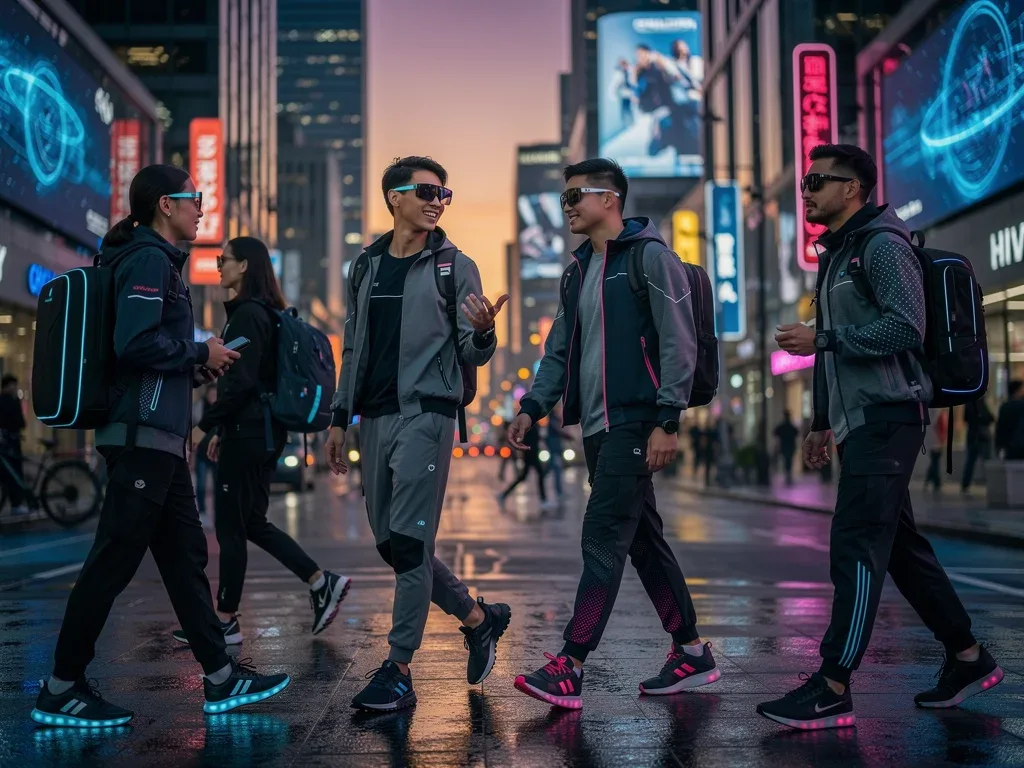
The evolution of streetwear fabrics 2026 is set to revolutionize urban fashion, emphasizing a critical balance between enhanced comfort, superior durability, and groundbreaking sustainable innovation.
As we approach 2026, the landscape of urban fashion is continually evolving, with a strong emphasis on materials that offer both aesthetic appeal and practical benefits. Understanding the latest in streetwear fabrics: what to look for in 2026 for comfort and durability is crucial for anyone keen on staying ahead in the fashion game, whether you’re a designer, a brand owner, or a discerning consumer.
The Rise of Sustainable and Eco-Conscious Materials
Sustainability is no longer a niche concern; it’s a fundamental pillar shaping the future of fashion. In streetwear, this translates to a surging demand for fabrics that minimize environmental impact without compromising style or performance. Brands are increasingly investing in research and development to create materials that are both eco-friendly and cutting-edge.
This shift reflects a broader consumer awareness, particularly among younger demographics, who prioritize ethical production and environmental responsibility. The adoption of sustainable practices isn’t just a trend; it’s becoming an industry standard, pushing manufacturers to innovate beyond traditional textiles.
Recycled and Upcycled Textiles
Recycled polyester, derived from plastic bottles and ocean waste, continues to be a dominant force. However, 2026 will see an expansion into more sophisticated recycling methods, including chemical recycling that breaks down textile waste into its molecular components for reuse.
- Recycled Polyester: Offers durability and water resistance, now with improved softness.
- Organic Cotton: Grown without harmful pesticides, providing a softer, more breathable option.
- Upcycled Materials: Creative reuse of pre-consumer and post-consumer waste, reducing landfill burden.
- Hemp and Bamboo: Natural fibers known for their strength, breathability, and minimal environmental footprint.
The goal is to create a circular economy within fashion, where materials are continually reused and repurposed, significantly reducing waste and the reliance on virgin resources. This commitment to sustainability is driving innovation in how fabrics are sourced, manufactured, and ultimately disposed of.
Performance-Driven Synthetics: Blending Tech with Style
While natural fibers are gaining traction for their sustainability, synthetic fabrics remain indispensable for their performance attributes. The future of streetwear will see an even more advanced integration of technology into these materials, offering unparalleled comfort and durability designed for the active urban lifestyle.
These aren’t your grandfather’s synthetics. Modern advancements focus on creating textiles that are highly functional, lightweight, and adaptable to various conditions, making them ideal for dynamic streetwear applications. The emphasis is on smart design that enhances the wearer’s experience.
Moisture-Wicking and Breathable Fabrics
Fabrics engineered to wick away moisture and enhance breathability are paramount for comfort, especially in a climate-changing world. These materials help regulate body temperature, keeping wearers dry and comfortable regardless of activity levels or weather conditions.
- Technical Knits: Advanced knitting techniques create structures that allow for superior airflow and stretch.
- Perforated Synthetics: Strategically placed perforations improve ventilation without sacrificing strength.
- Gore-Tex Innovations: Continues to evolve, offering improved waterproofing and breathability for outerwear.
- Nylon Blends: Lightweight yet incredibly strong, often used for windbreakers and durable pants.
The continuous refinement of these performance synthetics ensures that streetwear can meet the demands of everyday urban life, providing both protection and freedom of movement. The blend of technology and fashion is becoming increasingly seamless.
Enhanced Durability: Built to Last
Durability is a core expectation for streetwear. Consumers want garments that can withstand the rigors of daily wear, frequent washing, and the occasional adventure. Fabrics in 2026 will be engineered for longevity, reducing the need for constant replacements and aligning with sustainable consumption patterns.
This focus on robust construction and material resilience is a direct response to the fast fashion cycle, promoting a more conscious approach to clothing. Durable pieces are not only more economical in the long run but also contribute to a smaller environmental footprint.
Abrasion-Resistant Textiles
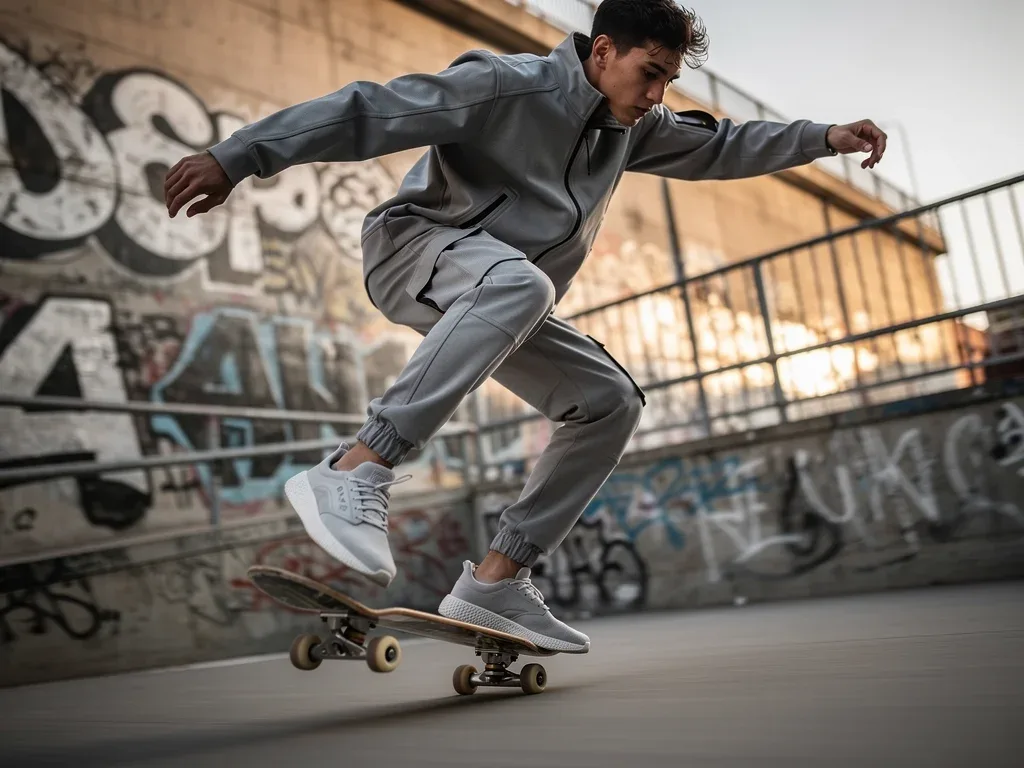
Materials that resist abrasion are crucial for items like jackets, pants, and footwear that endure significant friction. Innovations in weave patterns and fiber treatments are leading to fabrics that are tougher than ever before.
- Ripstop Fabrics: Known for their interlocking weave that prevents tears from spreading, ideal for outdoor-inspired streetwear.
- Cordura: A highly durable nylon fabric, often used in bags and reinforced areas of clothing.
- Reinforced Stitching: Beyond the fabric, strong stitching techniques contribute significantly to garment longevity.
- Durable Water Repellent (DWR) Finishes: While not a fabric itself, DWR treatments enhance the durability of water-resistant materials.
The pursuit of enhanced durability extends beyond just the raw material; it encompasses the entire garment construction process, from fabric selection to seam strength and finishing treatments. This holistic approach ensures that streetwear pieces are truly built to last.
The Comfort Revolution: Softness Meets Structure
Comfort is non-negotiable in streetwear. As lifestyles become more fluid, blurring the lines between work, leisure, and activity, clothing needs to adapt. Fabrics in 2026 will prioritize a soft hand-feel, flexibility, and ergonomic design, ensuring garments move with the body rather than restricting it.
This comfort revolution is driven by a desire for clothing that feels good all day long, allowing for unrestricted movement and a pleasant tactile experience. It’s about combining the relaxed feel of loungewear with the structured aesthetic of street style.
Stretch and Flexibility
The incorporation of elastane and other stretch fibers into traditional fabrics is becoming more prevalent, offering greater freedom of movement without compromising shape retention. This is particularly important for items like joggers, hoodies, and fitted tees.
- Four-Way Stretch Fabrics: Provide maximum flexibility in all directions, perfect for active wear.
- Blended Cottons: Cotton mixed with modal or Tencel offers enhanced softness and drape.
- Seamless Knitting: Reduces chafing and allows for body-mapped ventilation and compression.
- Ergonomic Cuts: Design plays a role in comfort, with patterns that accommodate natural body movements.
The focus on comfort extends to how fabrics interact with the skin, ensuring breathability and a pleasant sensation throughout the day. This attention to detail elevates the overall wearing experience, making streetwear not just stylish but also incredibly comfortable.
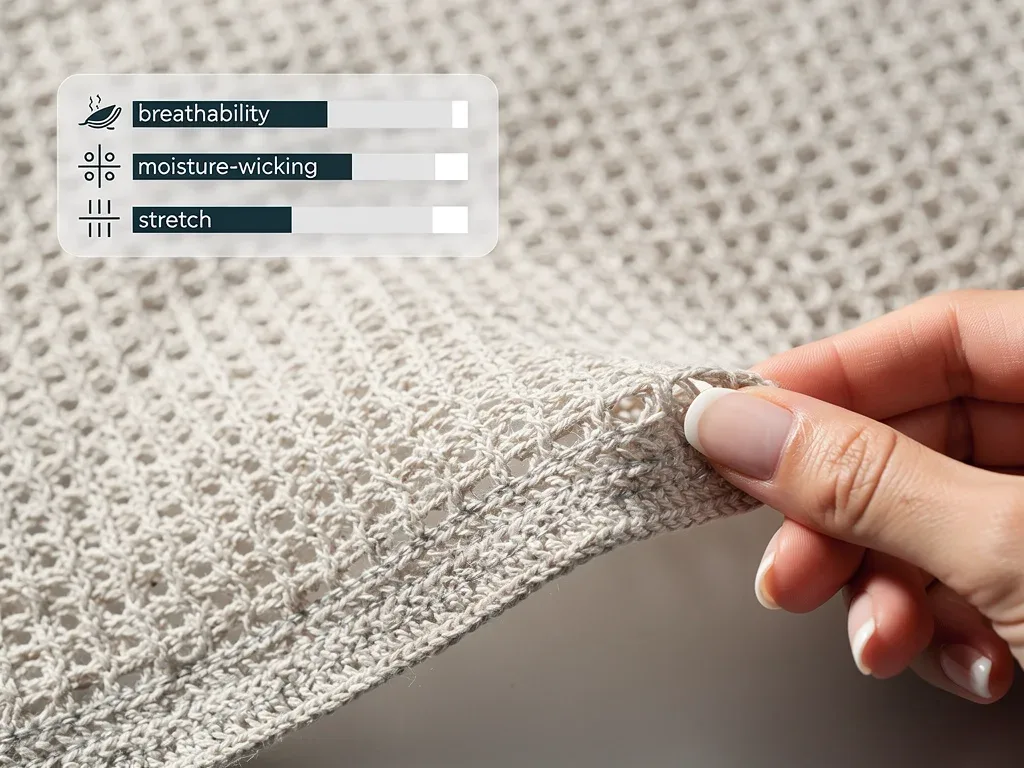
Smart Textiles and Integrated Technology
The intersection of fashion and technology is creating a new category of smart textiles that offer more than just aesthetic appeal. In 2026, streetwear will increasingly feature integrated technologies that provide functional benefits, from enhanced connectivity to adaptive thermoregulation.
These innovations are pushing the boundaries of what clothing can do, transforming garments into interactive tools that respond to the wearer’s environment and needs. It’s about making clothing smarter and more responsive.
Wearable Tech Integration
Fabrics with embedded sensors or conductive threads are moving from concept to reality, enabling garments to monitor vital signs, control smart devices, or even charge electronics. While still nascent, this field promises significant advancements.
- Temperature-Regulating Fabrics: Materials that adapt to body temperature changes, keeping you cool or warm as needed.
- UV Protection: Fabrics woven to block harmful UV rays, offering protection in sunny environments.
- Self-Cleaning and Odor-Resistant: Nanotechnology and specialized finishes reduce the need for frequent washing.
- LED Integration: Subtle, flexible LED elements woven into fabrics for aesthetic or safety purposes.
The integration of smart technology into streetwear fabrics represents a significant leap forward, offering functionalities that were once confined to science fiction. These advancements enhance both the utility and the novelty of urban fashion.
The Aesthetics of Texture and Finish
Beyond functionality, the visual and tactile qualities of fabrics remain crucial for streetwear’s appeal. In 2026, designers will explore a rich palette of textures and innovative finishes, creating garments that are visually dynamic and engaging to the touch. The interplay of different surfaces and treatments will define new aesthetic trends.
This focus on sensory experience adds another layer of sophistication to streetwear, moving beyond simple prints and silhouettes. It’s about creating depth and interest through the inherent qualities of the material itself.
Innovative Weaves and Dyes
New weaving techniques are creating fabrics with unique three-dimensional structures and varied tactile properties. Environmentally friendly dyeing processes are also gaining prominence, offering vibrant colors with reduced water and chemical usage.
- Textured Knits: Ribs, bouclés, and complex jacquards add visual and tactile interest.
- Coated Fabrics: PU or wax coatings provide a leather-like look or enhanced water resistance with a distinct hand-feel.
- Iridescent and Reflective Materials: Fabrics that change color or reflect light, adding a futuristic edge.
- Bio-Dyes: Dyes derived from natural sources, offering unique color palettes and reducing chemical impact.
The exploration of texture and finish allows designers to create garments that are not only comfortable and durable but also visually captivating, pushing the boundaries of streetwear aesthetics. This artistic approach to material selection is key to defining future trends.
Hybrid Fabrics: The Best of Both Worlds
The future of streetwear fabrics in 2026 will heavily lean into hybrid materials, combining the best attributes of different fibers to create textiles that excel in multiple areas. This synergistic approach allows for the development of fabrics that offer an optimal balance of comfort, durability, performance, and sustainability.
Hybridization is about solving complex design challenges by leveraging the strengths of various components. It’s a testament to the ongoing innovation within textile science, aiming to create materials that are truly versatile and high-performing.
Blending Natural and Synthetic Fibers
Combining natural fibers like cotton or wool with synthetics such as polyester or nylon can result in fabrics that are soft, breathable, strong, and quick-drying. This blend offers a superior user experience compared to single-fiber alternatives.
- Cotton-Poly Blends: Offer the softness of cotton with the durability and moisture-wicking of polyester.
- Wool-Nylon Blends: Provide warmth and odor resistance from wool, enhanced with the strength and abrasion resistance of nylon.
- Tencel-Spandex Blends: Deliver exceptional softness, drape, and stretch for comfortable, flowing garments.
- Recycled Blends: Combining various recycled materials to achieve specific performance and aesthetic goals.
The intelligent combination of different fibers in hybrid fabrics represents a significant step forward in textile engineering, allowing for the creation of materials that are perfectly suited for the multifaceted demands of modern streetwear. This innovative blending ensures that garments are not just fashionable but also highly functional and sustainable.
| Key Trend | Description |
|---|---|
| Sustainable Innovation | Increased use of recycled, upcycled, and natural fibers like hemp and bamboo. |
| Performance Synthetics | Advanced moisture-wicking, breathable, and waterproof materials for active urban life. |
| Enhanced Durability | Fabrics engineered for longevity, abrasion resistance, and reduced environmental impact. |
| Hybrid Fabric Blends | Combining natural and synthetic fibers for optimal comfort, durability, and performance. |
Frequently Asked Questions About Streetwear Fabrics
What are the most important factors for streetwear fabrics in 2026?▼In 2026, the most important factors for streetwear fabrics are comfort, durability, and sustainability. Consumers demand materials that feel good, last long, and are produced ethically. Performance features like moisture-wicking and breathability are also highly valued for active urban lifestyles.
How is sustainability impacting streetwear fabric choices?▼Sustainability is profoundly impacting streetwear fabric choices by driving demand for recycled, upcycled, and organic materials. Brands are focusing on reducing environmental footprint through eco-friendly production methods, chemical recycling, and using natural fibers like hemp and bamboo, aligning with conscious consumer values.
What role do smart textiles play in future streetwear?▼Smart textiles are integrating technology into streetwear, offering functional benefits beyond aesthetics. This includes temperature-regulating fabrics, UV protection, self-cleaning properties, and even wearable tech integration. These innovations enhance utility and novelty, making garments more interactive and responsive to the wearer’s needs and environment.
Why is durability so crucial for streetwear?▼Durability is crucial for streetwear because consumers expect garments to withstand daily wear, frequent washing, and active use. Fabrics engineered for longevity, like ripstop and Cordura, reduce the need for constant replacements, promoting sustainable consumption and providing better value for money in the long run.
What are hybrid fabrics and why are they important for streetwear?▼Hybrid fabrics combine different fibers, such as natural with synthetic, to leverage their best attributes. They are important for streetwear because they offer an optimal balance of comfort, durability, and performance. Examples include cotton-poly blends for softness and strength, or wool-nylon for warmth and abrasion resistance, creating versatile garments.
Conclusion
The evolution of streetwear fabrics by 2026 is poised to deliver a harmonious blend of innovation, sustainability, and performance. We are witnessing a clear shift towards materials that not only look good but also feel great, last longer, and respect the planet. From advanced recycled synthetics and naturally derived fibers to smart textiles and sophisticated hybrid blends, the industry is responding to a growing demand for garments that offer both cutting-edge style and practical functionality. For consumers, understanding these developments means making more informed choices that align with personal values and lifestyle needs, ensuring that their streetwear investments are both fashionable and future-proof. The future of street style is undeniably comfortable, durable, and consciously crafted.