Warm-up Science: Maximize Performance, Minimize Risk for US Players 2026
Advertisements

Implementing scientifically-backed warm-up protocols is vital for US basketball players to enhance on-court performance and drastically reduce the likelihood of injuries, preparing them optimally for competitive demands in 2026.
As the competitive landscape intensifies, understanding the science of warm-ups: maximizing performance and minimizing risk for US players in 2026 becomes paramount. Every athlete, from amateur to professional, knows the ritual of preparing their body for activity, but how many truly grasp the intricate physiological processes at play? This article delves deep into the scientific rationale behind effective warm-ups, offering actionable insights for US players aiming for peak physical condition and injury resilience on the court.
The Physiological Imperatives of a Proper Warm-up
A warm-up is far more than just a routine; it’s a critical physiological preparatory phase that primes the body for intense physical exertion. It systematically transitions the body from a resting state to a state of readiness, impacting virtually every bodily system involved in athletic performance.
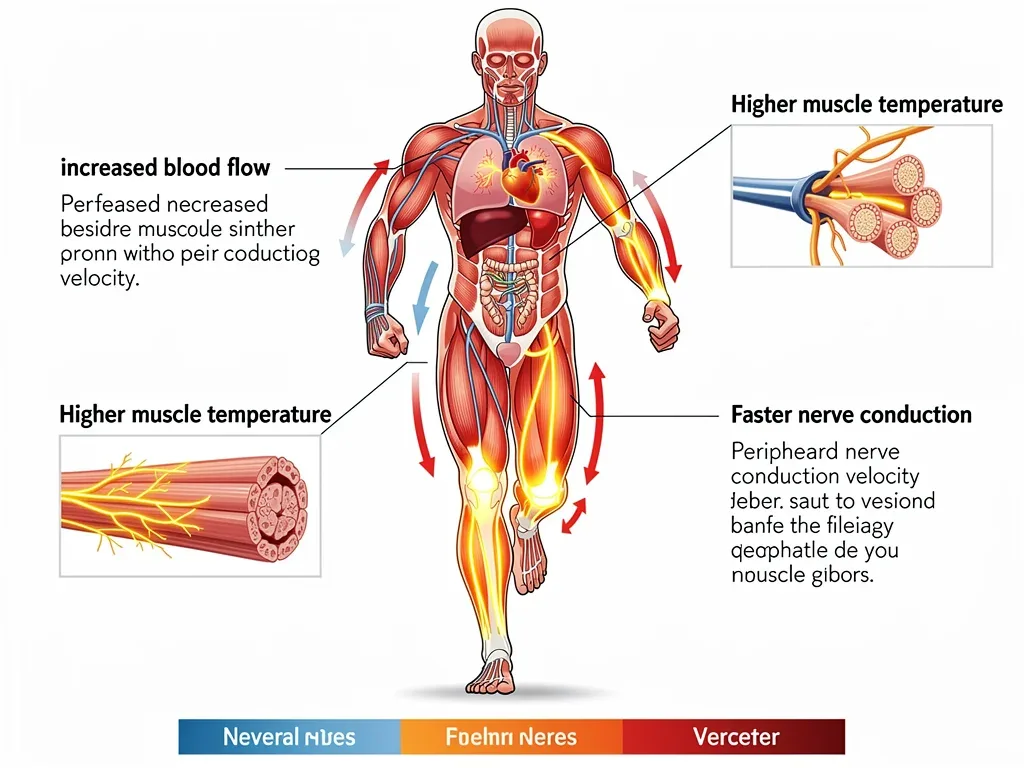
The primary goal is to increase core body temperature and muscle temperature, which in turn facilitates a cascade of beneficial effects. This elevation in temperature makes muscles more pliable, increasing their elasticity and reducing the risk of strains and tears. Simultaneously, nerve impulse transmission speeds up, enhancing reaction times and coordination. Blood flow to active muscles also increases significantly, delivering more oxygen and nutrients while efficiently removing metabolic waste products.
Ultimately, a well-executed warm-up sets the stage for optimal performance by enhancing muscle function, joint mobility, and neuromuscular efficiency, all while building a crucial buffer against potential injuries. It’s an investment in both immediate game-day success and long-term athletic health.
Dynamic Stretching Versus Static Stretching: The Modern Approach
For decades, static stretching was the cornerstone of warm-up routines. Athletes would hold stretches for extended periods, believing it prepared their muscles for activity. However, contemporary sports science has largely shifted this paradigm, advocating for dynamic stretching as the superior pre-activity preparation.
Understanding Dynamic Stretching Benefits
- Increased Blood Flow: Dynamic movements actively pump blood to the muscles, raising their temperature and improving oxygen delivery.
- Enhanced Joint Mobility: By moving joints through their full range, dynamic stretches lubricate them and prepare ligaments and tendons for action.
- Improved Neuromuscular Activation: These movements activate the nervous system, improving muscle coordination and power output.
- Sport-Specific Preparation: Dynamic stretches can be tailored to replicate movements specific to basketball, making them highly relevant.
Conversely, static stretching, while valuable for post-activity cool-downs or improving long-term flexibility, has been shown to potentially decrease power output and reaction time if performed extensively before intense activity. The key is to understand the purpose and timing of each type of stretching.
The modern approach emphasizes that dynamic movements are essential to prime the body for explosive actions and quick changes of direction, which are fundamental in basketball. This focus on functional movement ensures that players are not just warm, but also neurologically ready to perform at their highest level.
The RAMP Protocol: A Structured Warm-up Framework
For US players eyeing success in 2026, adopting a structured, evidence-based warm-up protocol is non-negotiable. The RAMP protocol stands out as a highly effective and widely accepted framework in sports science. RAMP is an acronym for Raise, Activate, Mobilize, and Potentiate, each representing a crucial phase of the warm-up.
Raise: Elevating Core Body Temperature
The first phase focuses on increasing heart rate, respiration rate, blood flow, and body temperature. This can be achieved through light aerobic activities. Think of light jogging, cycling, or jumping jacks. The intensity should be low to moderate, allowing players to hold a conversation comfortably. This initial phase gently prepares the cardiovascular system and muscles for the subsequent, more intense activities.
Activate and Mobilize: Preparing Muscles and Joints
This combined phase targets specific muscles and joints relevant to the sport. Activation exercises engage key muscle groups, particularly those often underutilized or prone to injury. Mobilization focuses on improving joint range of motion through dynamic movements.
- Activation Examples: Glute bridges, band walks, shoulder rotations. These exercises awaken dormant muscles.
- Mobilization Examples: Leg swings, arm circles, torso twists. These enhance flexibility and movement patterns.
The goal here is to move the body through ranges of motion that will be encountered during play, ensuring muscles and joints are supple and ready. This is where dynamic stretching truly shines, preparing the body in a functional, sport-specific manner.
Potentiate: Maximizing Performance Readiness
The final phase, Potentiation, aims to improve subsequent performance by performing short, high-intensity activities that mirror game-specific movements. This phase leverages the post-activation potentiation (PAP) phenomenon, where maximal or near-maximal muscle contractions can enhance subsequent power output.
For basketball, this might include short sprints, plyometric jumps, quick directional changes, or even a few game-speed shots. These activities should be brief and intense, not fatiguing, and directly related to the demands of the sport. The potentiation phase ensures that players are neurologically primed and physically explosive from the first whistle.
Implementing the RAMP protocol systematically ensures a comprehensive warm-up that addresses all physiological aspects of performance and injury prevention, making it an invaluable tool for US players.
Injury Prevention through Strategic Warm-ups
One of the most compelling arguments for a scientific warm-up is its profound impact on injury prevention. While no warm-up can eliminate all injury risks, a properly structured routine significantly reduces their likelihood by enhancing muscle elasticity, joint stability, and neuromuscular control.
Muscles that are warm and pliable are less susceptible to strains and tears when subjected to sudden, forceful contractions or rapid changes in direction. The increased blood flow and oxygen delivery improve muscle metabolism, making them more resilient to fatigue-induced injuries. Furthermore, improved joint mobility ensures that movements occur within safe ranges, protecting ligaments and tendons from excessive stress.
Reducing Common Basketball Injuries
- Ankle Sprains: Dynamic exercises focusing on ankle mobility and stability, combined with neuromuscular drills, can strengthen supporting structures.
- Knee Injuries (ACL, MCL): Warm-ups incorporating multi-directional movements and controlled landings help prepare the knee joint for the stresses of basketball.
- Muscle Strains (Hamstring, Groin): Thorough dynamic stretching and activation of these muscle groups increase their elasticity and readiness for explosive actions.
- Overuse Injuries: A consistent and progressive warm-up routine can help distribute load more effectively, reducing the cumulative stress on specific areas.
Beyond the physical benefits, a warm-up also serves as a mental preparation tool. It allows players to mentally transition into game mode, focusing on the task ahead and rehearsing movement patterns. This mental readiness can reduce hesitation and improve decision-making, indirectly contributing to injury prevention by minimizing awkward or uncontrolled movements.
For US players, investing time in a strategic warm-up is an investment in their career longevity and consistent performance, safeguarding against the setbacks that injuries can cause.
Tailoring Warm-ups for Individual US Players and Team Dynamics
While general principles of warm-up science apply universally, effective implementation requires tailoring routines to individual player needs and team dynamics. Not all athletes respond identically to the same exercises, and different positions or roles within a team might necessitate varied preparatory movements.
Individualization considers factors such as a player’s injury history, current physical condition, specific positional demands, and even personal preferences. For instance, a player with a history of hamstring issues might require more targeted dynamic stretching and activation for that muscle group. A point guard might focus more on agility and quick-reaction drills, while a center might prioritize joint mobility for post-play.
Team-Based Warm-up Considerations
For team settings, the warm-up needs to balance individual needs with collective preparation. A typical team warm-up might start with a general RAMP protocol, gradually progressing to more sport-specific drills that involve team interaction.
- General Phase: All players participate in light aerobic activity and general dynamic stretches.
- Position-Specific Drills: Players might break into groups to perform exercises relevant to their roles (e.g., guards working on quick cuts, forwards on defensive slides).
- Team Integration: The warm-up concludes with drills that involve passing, shooting, and defensive schemes, gradually increasing intensity to game speed.
Coaches and sports scientists play a crucial role in observing, assessing, and adapting warm-up routines. They should be attentive to how players are moving, their energy levels, and any signs of discomfort. Regular feedback and adjustments ensure that the warm-up remains effective and relevant throughout the season. The ultimate goal is to create a seamless transition from preparation to competition, ensuring every player is optimally primed.
Integrating Technology and Data for Optimal Warm-up Strategies
The evolution of sports science has brought with it a wealth of technological advancements that can significantly enhance warm-up strategies. For US players aiming for peak performance in 2026, leveraging these tools can provide invaluable insights and optimize their preparatory routines.
Wearable technology, such as heart rate monitors, GPS trackers, and accelerometers, can provide real-time data on physiological responses during warm-ups. This data allows coaches and athletes to objectively assess the effectiveness of the routine, ensuring that heart rate zones are met, movement patterns are correct, and fatigue levels are appropriate. For example, a heart rate monitor can confirm that the ‘Raise’ phase of the RAMP protocol is adequately elevating cardiovascular activity without overexertion.
Data-Driven Adjustments
Analyzing post-warm-up data can reveal patterns and areas for improvement. If a player consistently shows lower-than-expected muscle activation in a specific area, the warm-up can be adjusted to include more targeted activation exercises. Similarly, if a player is reaching peak heart rates too quickly, the intensity of the ‘Raise’ phase might need to be moderated.
- Performance Metrics: Tracking metrics like jump height, sprint times, and agility scores before and after warm-ups can quantify the potentiation effect.
- Biomechanics Analysis: High-speed cameras and motion capture systems can analyze movement mechanics during dynamic stretches and drills, identifying inefficiencies or potential injury risks.
- Fatigue Monitoring: Objective measures of fatigue, such as readiness questionnaires or specific physiological markers, can help ensure the warm-up primes without draining energy.
Integrating technology and data into warm-up protocols transforms them from anecdotal routines into precise, scientifically-backed interventions. This data-driven approach ensures that US players are not just warming up, but optimizing every aspect of their physical and mental preparation for competitive success.
| Key Aspect | Brief Description |
|---|---|
| Physiological Readiness | Increases core temperature, blood flow, and muscle elasticity for optimal function. |
| Dynamic vs. Static | Dynamic stretching primes muscles for movement; static is better post-activity. |
| RAMP Protocol | Structured warm-up (Raise, Activate, Mobilize, Potentiate) for comprehensive preparation. |
| Injury Mitigation | Reduces risk of strains, sprains, and other common basketball injuries. |
Frequently Asked Questions About Warm-ups
Why are warm-ups so important for basketball players?▼Warm-ups are crucial for basketball players because they prepare the body physiologically and mentally for the demands of the game. They increase muscle temperature, blood flow, and joint mobility, significantly reducing the risk of injuries like strains and sprains while enhancing overall athletic performance on the court.
What is the difference between dynamic and static stretching?▼Dynamic stretching involves continuous movement through a range of motion, mimicking sport-specific actions, and is ideal before activity. Static stretching involves holding a stretch for an extended period, primarily used for improving flexibility after exercise or as part of a cool-down routine.
What is the RAMP protocol and how does it apply?▼The RAMP protocol (Raise, Activate, Mobilize, Potentiate) is a structured warm-up framework. It systematically prepares the body by increasing heart rate, activating key muscles, improving joint mobility, and enhancing power output, making it highly effective for basketball players.
How long should a proper warm-up last for a US player?▼A comprehensive warm-up for a US player typically lasts between 15 to 20 minutes. This duration allows sufficient time to complete all phases of a structured protocol like RAMP, ensuring the body is fully prepared without causing undue fatigue before competition or training.
Can warm-ups be tailored for individual player needs?▼Yes, warm-ups absolutely should be tailored. Individualization allows for addressing specific injury histories, positional demands, and unique physical requirements of each player. This personalized approach maximizes effectiveness, targets specific muscle groups, and optimizes readiness for peak performance.
Conclusion
The journey towards maximizing performance and minimizing risk for US players in 2026 is multifaceted, with the science of warm-ups standing as a foundational pillar. Moving beyond mere tradition, a scientifically informed warm-up routine, particularly one structured around principles like the RAMP protocol and emphasizing dynamic movements, is an indispensable component of any elite athlete’s preparation. By understanding and diligently applying these principles, players can unlock their full athletic potential, safeguard against debilitating injuries, and ensure they are consistently ready to dominate on the court. The commitment to a proper warm-up isn’t just about starting strong; it’s about sustaining excellence and achieving long-term success in the demanding world of professional basketball.