Youth Basketball Nutrition: Essential Guidelines for US Players Under 18
Advertisements

Essential dietary guidelines for US basketball players under 18 focus on balanced macronutrients, adequate hydration, and strategic meal timing to support growth, energy, and optimal athletic performance on the court.
Are you a young basketball player in the US, or a parent of one, looking to elevate performance on the court? Understanding optimal nutrition for youth basketball: essential dietary guidelines for US players under 18 in 2026 is not just about eating healthy; it’s about fueling growth, enhancing endurance, and accelerating recovery to dominate the game. Let’s explore how strategic eating can transform a budding athlete’s potential into a powerful reality.
The Foundation of Performance: Why Nutrition Matters for Young Athletes
For young basketball players, nutrition isn’t merely a backdrop to their training; it’s the very bedrock upon which their athletic development and on-court success are built. Unlike adult athletes, those under 18 are simultaneously navigating rapid physical growth, hormonal changes, and the intense demands of competitive sports. This unique combination makes their nutritional needs particularly critical and distinct.
Proper fueling ensures that growing bones, muscles, and organs receive the necessary building blocks. Without adequate nutrients, young athletes risk impaired growth, increased susceptibility to injuries, and a significant drop in energy levels, directly impacting their ability to train effectively and perform optimally during games. It’s a holistic approach where diet supports not just the immediate game, but also long-term health and athletic longevity.
Fueling Growth and Development
The adolescent years are characterized by significant growth spurts. During this time, energy and nutrient demands skyrocket. A diet rich in protein, calcium, and vitamin D is essential for bone density and muscle development, crucial for jumping, running, and absorbing impacts on the court.
- Protein: Essential for muscle repair and growth, found in lean meats, poultry, fish, eggs, dairy, and legumes.
- Calcium: Vital for strong bones, abundant in dairy products, fortified plant milks, and leafy greens.
- Vitamin D: Aids calcium absorption, obtained from sunlight exposure and fortified foods.
Energy for Training and Games
Basketball is a high-intensity sport requiring sustained bursts of energy. Carbohydrates are the primary fuel source for these activities. Without enough complex carbohydrates, young players will experience fatigue, reduced stamina, and a decline in cognitive function, affecting their decision-making on the court.
In conclusion, recognizing nutrition as a core component of athletic development for youth basketball players is paramount. It’s not an optional add-on but a fundamental requirement for optimizing growth, preventing injuries, and ensuring they have the energy and focus needed to excel in their sport.
Macronutrient Mastery: Carbs, Proteins, and Fats for Peak Play
Understanding the role of macronutrients—carbohydrates, proteins, and fats—is fundamental for any young basketball player aiming for peak performance. These are the primary components of food that the body needs in large amounts, each playing a distinct yet interconnected role in fueling athletic endeavors, promoting recovery, and supporting overall health.
For US players under 18, balancing these macronutrients correctly is a dynamic process, influenced by training intensity, growth spurts, and individual metabolic rates. It’s about providing consistent, high-quality fuel to meet the rigorous demands of practices, games, and daily life.
Carbohydrates: The Primary Energy Source
Carbohydrates are the body’s preferred and most efficient source of energy. For basketball players, they fuel muscles during intense activity and replenish glycogen stores, which are critical for sustained performance. Focusing on complex carbohydrates is key.
- Complex Carbohydrates: Whole grains (oats, brown rice, whole wheat bread), sweet potatoes, and starchy vegetables provide sustained energy release.
- Simple Carbohydrates: Fruits offer quick energy and essential vitamins, ideal before or during short breaks in activity.
- Timing is Everything: Consuming carbohydrates before, during (if needed), and after training helps maintain energy levels and speeds up recovery.
Proteins: Building and Repairing Muscle
Protein is crucial for muscle repair, growth, and overall tissue maintenance. Young athletes constantly break down muscle fibers during training and games, making adequate protein intake vital for recovery and adaptation.
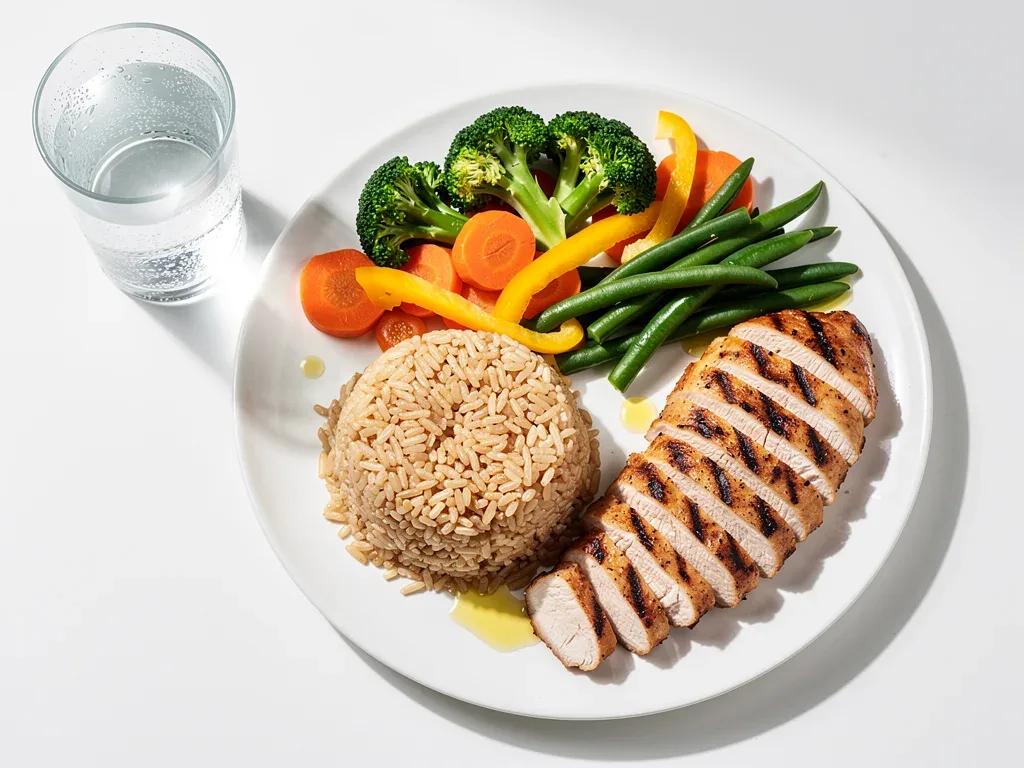
Lean protein sources should be incorporated into every meal. Examples include chicken breast, turkey, fish, lean beef, eggs, dairy products like Greek yogurt and cottage cheese, and plant-based options such as beans, lentils, and tofu. Aim for a balanced intake throughout the day rather than a single large serving.
Healthy Fats: Essential for Hormones and Energy
While often misunderstood, healthy fats are essential for young athletes. They play a critical role in hormone production, nutrient absorption (especially fat-soluble vitamins A, D, E, K), and provide a concentrated source of energy, particularly during longer periods of activity when carbohydrate stores might deplete.
Focus on unsaturated fats found in avocados, nuts, seeds, olive oil, and fatty fish like salmon. These fats contribute to brain health and reduce inflammation, which can aid in recovery from strenuous physical activity. However, moderation is key, as fats are calorie-dense.
In summary, a well-structured diet for young basketball players must prioritize a balance of these macronutrients. Carbohydrates provide the immediate and sustained energy, proteins rebuild and grow muscles, and healthy fats support vital bodily functions and provide additional energy reserves. Mastering this balance is key to unlocking a player’s full potential.
Hydration: The Unsung Hero of On-Court Performance
In the high-stakes environment of youth basketball, where every sprint, jump, and defensive slide demands peak physical output, hydration emerges as an unsung hero. It’s often overlooked, yet its impact on a young athlete’s performance, health, and safety is profound. For US players under 18, maintaining optimal hydration is not just about quenching thirst; it’s about ensuring every bodily function, from muscle contraction to cognitive focus, operates at its best.
Dehydration, even mild, can significantly impair performance, leading to fatigue, reduced coordination, and increased risk of heat-related illnesses. Given the intense, stop-and-go nature of basketball, combined with often warm indoor gym environments, proactive and consistent hydration strategies are non-negotiable.
Why Water is King
Water constitutes a significant portion of the human body and is essential for countless physiological processes. During physical activity, water helps regulate body temperature through sweating, transports nutrients to cells, and removes waste products. Losing just 1-2% of body weight in fluids can begin to negatively affect performance.
- Pre-Hydration: Encourage players to drink water consistently throughout the day, not just before practice or games. Aim for clear urine as an indicator of good hydration.
- During Activity: Small, frequent sips of water every 15-20 minutes during practices and games are more effective than large gulps.
- Post-Activity: Replenish fluids lost through sweat immediately after training or games. Weighing before and after activity can help determine fluid loss.
Electrolytes and Sports Drinks: When Are They Needed?
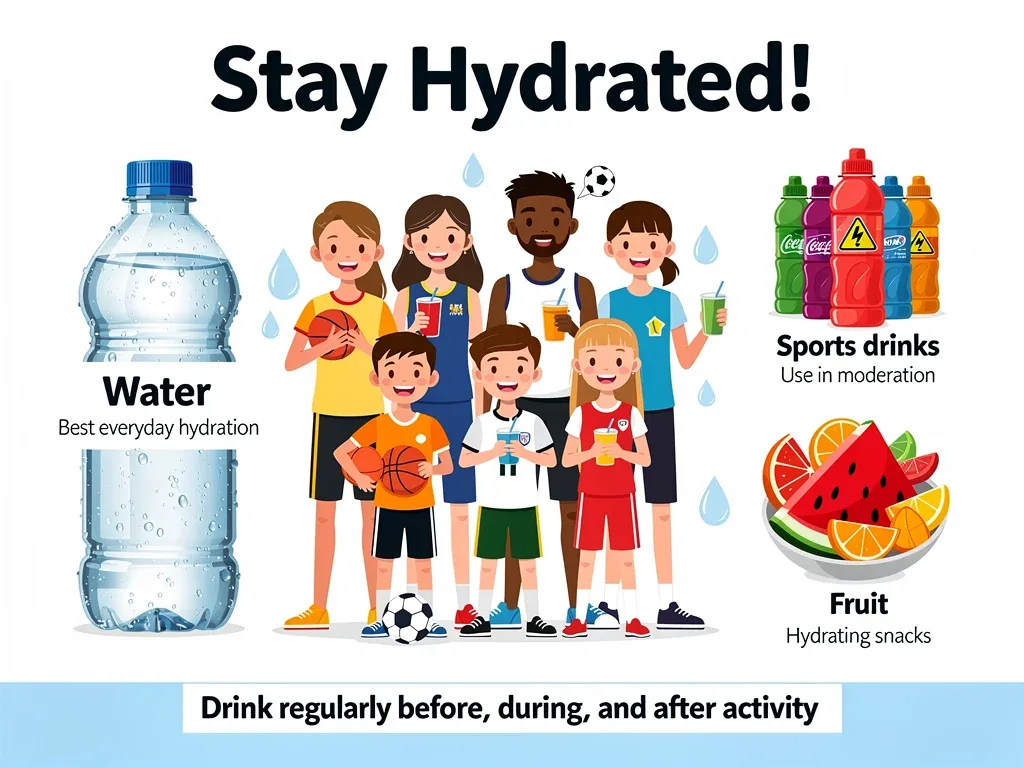
For most routine practices, water is perfectly sufficient. However, for prolonged, intense training sessions (over 60-90 minutes) or multiple games in a day, especially in hot and humid conditions, sports drinks containing electrolytes and carbohydrates can be beneficial.
Electrolytes (sodium, potassium, magnesium) are lost through sweat and are vital for nerve and muscle function. Sports drinks can help replace these, along with providing a quick source of energy. However, it’s crucial to choose options with moderate sugar content and avoid excessive consumption, as many sports drinks can be high in added sugars, which aren’t always necessary and can lead to unwanted calorie intake.
Monitoring Hydration Status
Teaching young athletes to monitor their own hydration is empowering. Beyond clear urine, other signs of adequate hydration include consistent energy levels, absence of headaches, and not feeling excessively thirsty. Conversely, dark urine, dry mouth, and dizziness are red flags for dehydration.
In conclusion, proper hydration is not merely about drinking when thirsty; it’s a strategic, continuous effort that underpins every aspect of a young basketball player’s health and performance. Emphasizing water as the primary fluid, with strategic use of sports drinks when appropriate, will help ensure these athletes stay at the top of their game.
Strategic Meal Timing: Fueling Before, During, and After the Game
The timing of meals and snacks is just as crucial as their content for young basketball players. Strategic meal timing can significantly impact energy levels, performance, and recovery, ensuring that athletes are adequately fueled for every practice and game, and that their bodies can repair and rebuild effectively afterward. It’s a structured approach that maximizes nutrient utilization and minimizes energy dips.
For US players under 18, their busy schedules often include school, homework, and multiple training sessions, making consistent, well-timed nutrition a logistical challenge but an athletic necessity. Planning is key to optimizing energy flow throughout the day.
Pre-Game Fuel: What to Eat Before Tip-Off
The goal of a pre-game meal is to provide sustained energy without causing digestive discomfort. This meal should be consumed 2-4 hours before activity and consist primarily of complex carbohydrates, moderate protein, and low fat and fiber.
- Examples: Whole-wheat pasta with lean chicken, oatmeal with fruit and a handful of nuts, a turkey sandwich on whole-wheat bread.
- Avoid: High-fat, high-fiber, or very spicy foods that can cause stomach upset.
- Closer to Game Time (30-60 minutes): If a player needs a quick boost, a small, easily digestible carbohydrate snack like a banana, a handful of pretzels, or a small fruit smoothie can be beneficial.
During Play: Sustaining Energy on the Court
For most youth basketball games or practices under 60-75 minutes, water is sufficient. However, for longer sessions, tournaments with multiple games, or particularly high-intensity play, a small amount of easily digestible carbohydrates can help maintain blood sugar levels and energy.
Options: Sports drinks (diluted if preferred), fruit slices (oranges, grapes), or energy gels (for older, more experienced teen athletes) can be considered during timeouts or halftime. The key is small, frequent intakes to avoid stomach upset.
Post-Game Recovery: Rebuilding and Replenishing
The recovery window, ideally within 30-60 minutes after intense activity, is critical for replenishing glycogen stores and repairing muscle tissue. This is when the body is most receptive to nutrient uptake.
A post-game snack or meal should include a combination of carbohydrates and protein. The carbohydrates will restock energy reserves, and the protein will aid in muscle repair and growth.
- Examples: Chocolate milk, a protein shake with fruit, Greek yogurt with berries, a turkey wrap, or a balanced meal with lean protein and whole grains.
- Importance: Neglecting post-activity nutrition can delay recovery, increase muscle soreness, and hinder overall athletic development.
In essence, strategic meal timing is about providing the right nutrients at the right time. By planning meals and snacks around training and game schedules, young basketball players can optimize their energy, performance, and recovery, giving them a significant edge on the court.
The Role of Micronutrients: Vitamins and Minerals for Overall Health
While macronutrients provide the bulk of energy and building blocks, micronutrients—vitamins and minerals—are the silent orchestrators of a young athlete’s health and performance. Though required in smaller quantities, their roles are indispensable, influencing everything from energy metabolism and immune function to bone health and oxygen transport. For US basketball players under 18, ensuring adequate intake of these vital compounds is crucial for supporting rapid growth, intense physical activity, and overall well-being.
Deficiencies in key micronutrients, even minor ones, can lead to fatigue, compromised immune systems, and increased risk of injury, directly impacting a player’s ability to train consistently and perform at their best. A diverse diet rich in fruits, vegetables, and whole grains is the best strategy to meet these needs.
Key Vitamins for Young Athletes
- B Vitamins: Essential for energy production, converting carbohydrates into usable fuel. Found in whole grains, lean meats, eggs, and leafy greens.
- Vitamin C: A powerful antioxidant that supports immune function and aids in collagen formation, important for healthy joints and tendons. Abundant in citrus fruits, berries, and bell peppers.
- Vitamin D: Crucial for calcium absorption and bone health, as well as immune system support. Sources include fortified dairy, fatty fish, and sunlight exposure.
Essential Minerals for Peak Performance
- Iron: Vital for oxygen transport in the blood and muscle. Deficiency can lead to fatigue and reduced endurance. Sources include red meat, poultry, beans, and fortified cereals.
- Calcium: The cornerstone of strong bones, preventing stress fractures common in high-impact sports like basketball. Found in dairy, fortified plant milks, and dark leafy greens.
- Zinc: Supports immune function, wound healing, and growth. Present in meat, fish, nuts, and legumes.
- Magnesium: Involved in muscle function, nerve transmission, and energy production. Found in nuts, seeds, whole grains, and leafy green vegetables.
Relying on supplements should generally be a last resort and always under the guidance of a healthcare professional or registered dietitian. A varied diet provides a synergistic array of nutrients that supplements often cannot replicate. Encouraging a wide range of colorful fruits and vegetables ensures a broad spectrum of micronutrients.
In conclusion, micronutrients, though small in quantity, play monumental roles in the health and athletic performance of young basketball players. Prioritizing a diverse, whole-food diet is the most effective way to ensure these essential vitamins and minerals are adequately supplied, supporting robust growth and peak on-court capabilities.
Navigating Challenges: Supplements, Fast Food, and Busy Schedules
The journey of a young basketball player is often fraught with nutritional challenges that extend beyond simply knowing what to eat. The allure of supplements, the convenience of fast food, and the relentless pace of busy schedules can all derail even the best intentions. For US players under 18, navigating these obstacles requires education, planning, and a strong support system to maintain optimal dietary guidelines.
Addressing these challenges head-on is crucial for fostering sustainable healthy eating habits that not only support athletic performance but also contribute to long-term health and well-being. It’s about making informed choices in a world full of tempting, yet often suboptimal, options.
The Supplement Landscape: Proceed with Caution
The supplement industry can be a minefield for young athletes and their parents. While some supplements might appear to offer a quick edge, many are unregulated, ineffective, or even harmful. For growing bodies, the risks often outweigh the potential benefits.
- Prioritize Whole Foods: Most nutrient needs can and should be met through a balanced diet.
- Consult Professionals: If considering supplements, always consult a doctor or a registered dietitian specializing in sports nutrition.
- Beware of Marketing: Many products target young athletes with exaggerated claims. Focus on scientific evidence, not hype.
- Common Concerns: Protein powders are often unnecessary if dietary protein is adequate. Creatine, while popular, has limited research on long-term effects in adolescents and is generally not recommended for those under 18.
The Fast Food Trap and Healthy Alternatives
The convenience of fast food often makes it a go-to option for busy families. However, these meals are typically high in unhealthy fats, sodium, and refined sugars, and low in essential micronutrients, making them detrimental to an athlete’s diet.
Strategies for Success:
- Plan Ahead: Pack healthy snacks and meals for long days. This could include fruit, nuts, whole-grain sandwiches, or homemade protein bars.
- Smart Choices: If fast food is unavoidable, opt for healthier menu items like grilled chicken salads (with dressing on the side), plain grilled chicken sandwiches, or water instead of soda.
- Home Cooking: Encourage cooking at home, allowing for greater control over ingredients and preparation methods.
Managing Busy Schedules with Smart Planning
Between school, practice, games, and homework, young athletes’ schedules are packed. This often leads to skipped meals or reliance on unhealthy options. Proactive planning is the most effective antidote.
- Meal Prep: Dedicate time on a weekend to prepare healthy snacks and components for meals for the week ahead.
- Strategic Snacking: Keep nutrient-dense snacks readily available in sports bags, backpacks, and at home.
- Family Involvement: Parents play a crucial role in modeling healthy eating habits and facilitating access to nutritious foods.
In conclusion, navigating the modern nutritional landscape requires diligence and informed decision-making. By being cautious with supplements, making smarter choices regarding fast food, and implementing effective meal planning, young basketball players can overcome common challenges and maintain a diet that truly supports their athletic aspirations and overall health.
Building Sustainable Habits: Beyond the Court for Lifelong Health
While the immediate goal of optimizing nutrition for youth basketball: essential dietary guidelines for US players under 18 in 2026 is to enhance on-court performance, the true victory lies in cultivating sustainable eating habits that extend far beyond the final buzzer. The lessons learned about fueling the body for sport can become the foundation for a lifetime of health and well-being. This long-term perspective emphasizes that good nutrition isn’t just a temporary strategy for athletes; it’s a critical component of overall lifestyle.
Instilling these habits early in life empowers young players to make informed food choices independently, navigate various social eating situations, and maintain a healthy relationship with food, regardless of their future athletic pursuits. It’s about teaching them to listen to their bodies and understand the profound connection between what they eat and how they feel and perform.
Education and Empowerment
Knowledge is power. Educating young athletes about the ‘why’ behind nutritional recommendations can significantly increase their buy-in and adherence. When they understand how specific foods impact their energy, strength, and recovery, they are more likely to make positive choices.
- Interactive Learning: Involve them in meal planning and grocery shopping. Teach them to read food labels and identify nutrient-dense options.
- Body Awareness: Encourage them to pay attention to how different foods make them feel, both physically and mentally, in relation to their performance.
Modeling Healthy Behaviors
Parents, coaches, and mentors play a pivotal role in modeling healthy eating habits. Children and adolescents are highly influenced by the behaviors they observe. A household that prioritizes nutritious meals, limits processed foods, and values consistent hydration sets a powerful example.
Creating a supportive environment where healthy choices are the easiest choices reinforces positive habits. This includes having nutritious snacks readily available and making family meals a regular occurrence.
Flexibility and Balance
Strict, overly restrictive diets can often backfire, leading to feelings of deprivation and potentially unhealthy eating patterns. The goal is to promote a balanced approach that allows for occasional treats without guilt, emphasizing overall consistency rather than perfection.
- The 80/20 Rule: Encourage eating nutritiously 80% of the time, allowing for occasional indulgences 20% of the time.
- Mindful Eating: Teach them to eat slowly, savor their food, and recognize hunger and fullness cues.
Ultimately, building sustainable habits is about fostering a positive and informed relationship with food. By educating, modeling, and promoting balance, we equip young basketball players with the tools to not only excel on the court but also to maintain vibrant health and well-being throughout their lives. These nutritional principles become ingrained, serving them well for years to come.
| Key Nutritional Area | Brief Description for Young Athletes |
|---|---|
| Macronutrient Balance | Prioritize complex carbs for energy, lean protein for muscle repair, and healthy fats for overall health. |
| Hydration Strategy | Consistent water intake throughout the day, with sports drinks for prolonged, intense activity. |
| Meal Timing | Fuel 2-4 hours pre-game, light carbs during long sessions, and protein/carbs post-activity for recovery. |
| Micronutrient Intake | Ensure adequate vitamins and minerals from diverse whole foods for growth, immunity, and energy. |
Frequently Asked Questions About Youth Basketball Nutrition
How much protein do young basketball players need daily?▼Young basketball players generally need about 0.5 to 0.7 grams of protein per pound of body weight daily. This intake supports muscle growth and repair, crucial for their development and recovery from intense training. Lean sources like chicken, fish, eggs, and legumes should be distributed across meals and snacks throughout the day.
Are sports drinks necessary for every practice?▼No, sports drinks are not necessary for every practice. For most youth basketball practices under 60-75 minutes, water is sufficient for hydration. Sports drinks, which contain electrolytes and carbohydrates, are more beneficial for prolonged, intense sessions or multiple games in a day to replenish lost nutrients and energy.
What are the best pre-game meals for young athletes?▼The best pre-game meals for young athletes should be consumed 2-4 hours before activity and be rich in complex carbohydrates, moderate in protein, and low in fat and fiber. Examples include whole-wheat pasta with lean sauce, oatmeal with fruit, or a turkey sandwich. This provides sustained energy without digestive discomfort.
How can young players avoid unhealthy snacking?▼Avoiding unhealthy snacking involves planning and accessibility. Keep nutrient-dense options readily available, such as fruits, nuts, Greek yogurt, or whole-grain crackers. Involve young players in meal prep and educate them on the benefits of healthy choices. This proactive approach helps them make better decisions when hunger strikes.
Is it safe for youth basketball players to take supplements?▼For most youth basketball players, supplements are generally not recommended and often unnecessary. Nutrient needs should primarily be met through a balanced whole-food diet. If considering any supplement, it is crucial to consult a doctor or a registered dietitian specializing in sports nutrition due to potential risks and lack of regulation in the supplement industry.
Conclusion
Optimizing nutrition for youth basketball: essential dietary guidelines for US players under 18 in 2026 is a comprehensive strategy that extends beyond simply eating well; it’s about intelligent fueling for growth, performance, and lifelong health. By prioritizing balanced macronutrients, consistent hydration, strategic meal timing, and a rich intake of micronutrients, young athletes can unlock their full potential on the court and foster sustainable healthy habits. Navigating challenges like supplements and fast food requires education and planning, ensuring that these aspiring players are not only excelling in their sport but also building a strong foundation for overall well-being. The commitment to proper nutrition is an investment in their athletic future and their health for years to come.