Advanced Recovery Techniques: US Basketball Teams’ 2026 Healing Secrets
Advertisements
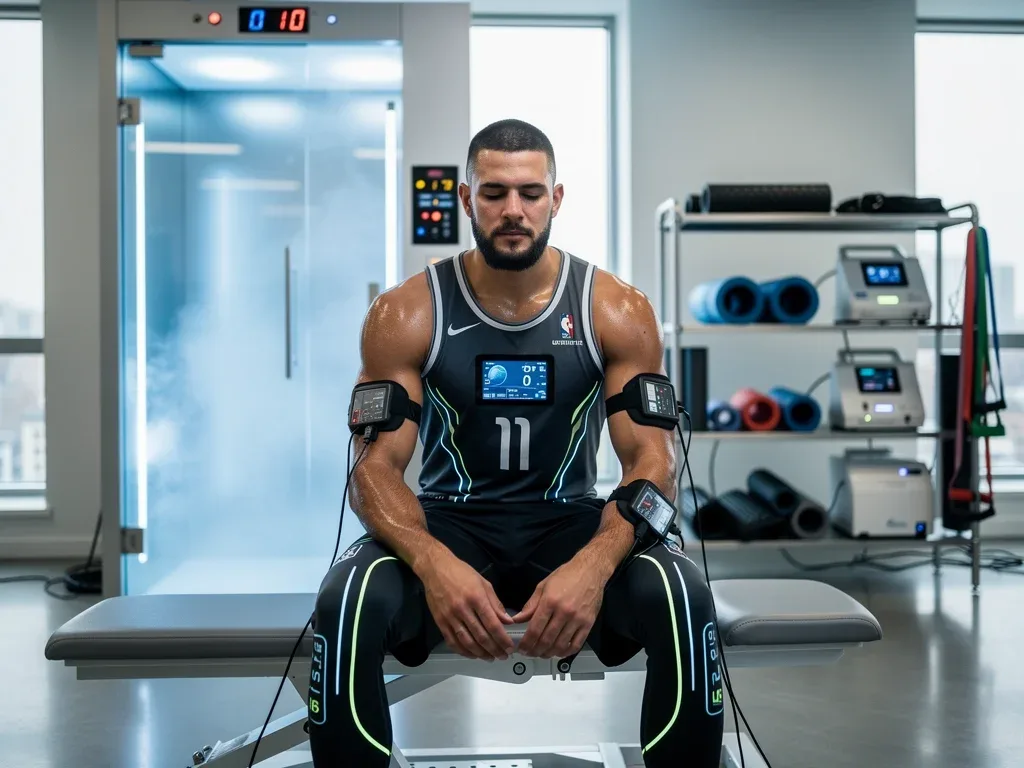
US basketball teams in 2026 are leveraging sophisticated advanced recovery techniques, including personalized nutrient delivery, AI-driven biomechanical analysis, and advanced cryotherapy, to accelerate healing, optimize performance, and significantly reduce injury risks.
In the high-octane world of professional basketball, where every jump, sprint, and pivot pushes the human body to its limits, the demand for rapid and effective recuperation is paramount. By 2026, US basketball teams have revolutionized their approach to athlete well-being, implementing a suite of advanced recovery techniques that are redefining faster healing and sustained performance. This article delves into the cutting-edge methods employed by these elite organizations, exploring how science, technology, and personalized care converge to keep players at their peak.
The Evolution of Recovery Science in Basketball
The days of simple ice baths and massages as primary recovery tools are long gone. Modern basketball demands a more scientific and holistic approach to player regeneration. Teams are now investing heavily in research and development to integrate state-of-the-art technologies and methodologies into their daily routines.
This evolution is driven by a deeper understanding of human physiology and the biomechanics of basketball. The sheer physical toll of an 82-game season, coupled with intense playoff runs, necessitates strategies that not only repair the body but also proactively prevent injuries and enhance overall resilience. The focus has shifted from merely addressing symptoms to optimizing every aspect of a player’s physical and mental state.
From Reactive to Proactive Recovery
Traditionally, recovery was often a reactive measure, implemented after an injury or intense exertion. However, 2026 sees a significant shift towards proactive and predictive recovery protocols. Teams leverage vast amounts of data to anticipate player needs and intervene before issues arise.
- Predictive Analytics: Utilizing AI and machine learning to analyze biometric data, training loads, and sleep patterns to forecast potential fatigue or injury risks.
- Personalized Protocols: Tailoring recovery plans to individual player physiology, genetic predispositions, and specific game demands.
- Pre-emptive Interventions: Implementing specific recovery modalities even before peak exertion to mitigate future stress on the body.
The integration of advanced analytics allows coaching and medical staff to make informed decisions, ensuring that each player receives the most effective and timely recovery interventions. This proactive stance is a cornerstone of modern athletic performance management, leading to fewer missed games and more consistent output from star players.
The shift towards a data-driven, proactive model signifies a monumental leap in sports science within basketball. It underscores the understanding that optimal performance is inextricably linked to optimal recovery, making these advanced techniques indispensable for competitive success.
Biometric Monitoring and AI-Driven Personalization
At the heart of 2026’s advanced recovery lies an intricate web of biometric monitoring and artificial intelligence. Wearable technology has become ubiquitous, providing real-time data on every facet of a player’s physiological state, both on and off the court. This data then feeds into sophisticated AI algorithms that craft personalized recovery plans.
These wearables track everything from heart rate variability (HRV), sleep quality, and muscle oxygenation to stress levels and caloric expenditure. The sheer volume of data collected allows for an unprecedented level of insight into each athlete’s unique recovery needs. No two players are alike, and therefore, their recovery should not be either.
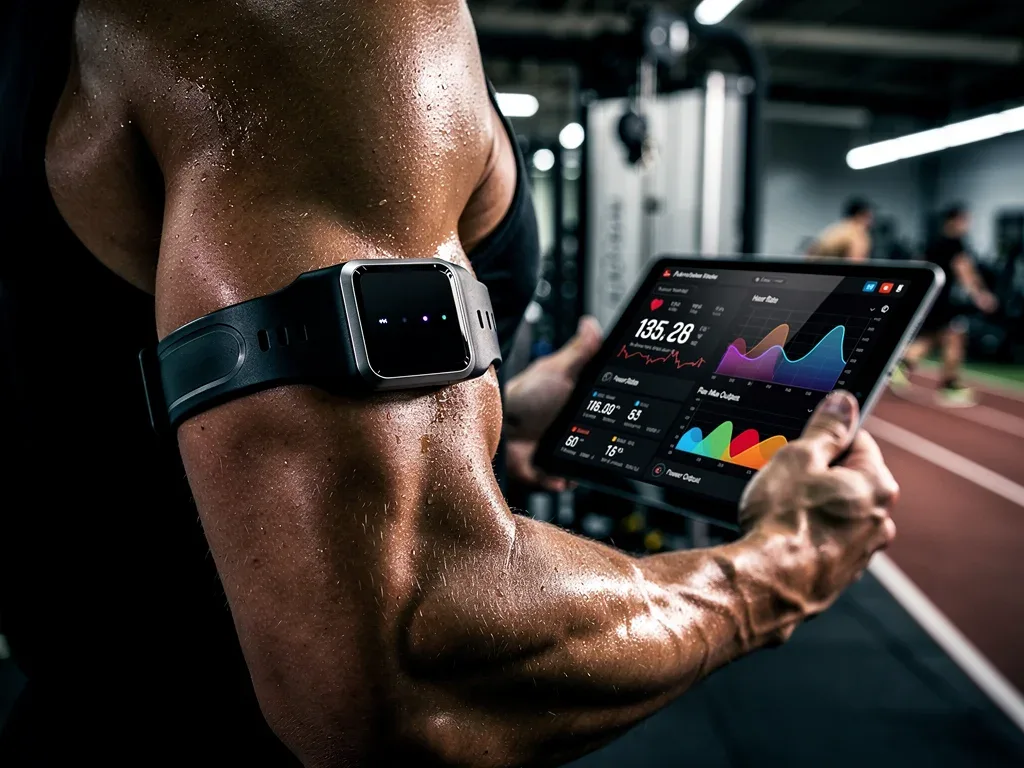
AI systems analyze this complex data, identifying patterns and anomalies that human eyes might miss. For instance, a slight dip in HRV combined with a specific sleep disturbance might trigger a recommendation for an extra session of targeted soft tissue work or a modified training schedule. This level of granular detail ensures that recovery is not a one-size-fits-all approach but rather a dynamically evolving strategy tailored to the individual.
Precision Nutrition and Supplementation
AI also plays a crucial role in optimizing nutrition and supplementation. Based on a player’s metabolic rate, training load, injury history, and even genetic markers, AI algorithms can recommend precise macronutrient ratios, hydration strategies, and targeted supplements. This moves beyond general dietary guidelines to truly personalized fueling.
- Genetic Profiling: Understanding how individual players metabolize nutrients and respond to different dietary interventions.
- Real-time Hydration: Sensors that monitor fluid loss and recommend specific electrolyte replacement based on sweat analysis.
- Micronutrient Optimization: AI-driven recommendations for specific vitamins and minerals to support immune function and tissue repair.
The goal is to provide the body with exactly what it needs, precisely when it needs it, to accelerate recovery and minimize inflammatory responses. This precision in fueling and supplementation ensures that players are always operating with optimal energy stores and cellular repair mechanisms, preventing energy dips and facilitating quicker bounce-back after intense periods.
The synergy between biometric monitoring and AI-driven personalization ensures that every recovery decision is backed by data, leading to more efficient healing, reduced injury rates, and ultimately, sustained peak performance throughout a demanding season.
Advanced Cryotherapy and Thermotherapy Innovations
While cold and heat therapies have been staples in sports recovery for decades, 2026 has brought about significant innovations in their application. Advanced cryotherapy and thermotherapy techniques are now far more precise, efficient, and integrated, offering targeted relief and accelerated physiological benefits.
Whole-body cryotherapy (WBC) chambers, once a novelty, are now standard in most elite basketball facilities. However, the technology has evolved, with chambers offering more consistent and colder temperatures, often reaching -220°F (-140°C), delivered in shorter, more effective sessions. These extreme cold exposures reduce inflammation, alleviate muscle soreness, and promote endorphin release, contributing to both physical and mental recovery.
Targeted Cryo-Compression Systems
Beyond whole-body exposure, localized cryo-compression systems are gaining prominence. These devices combine targeted cold therapy with intermittent pneumatic compression, providing a powerful one-two punch for specific muscle groups or injured areas. The compression helps to drive the cold deeper into tissues and flush out metabolic waste, while the cold reduces swelling and pain.
- Post-workout Flush: Utilizing devices on legs and arms to accelerate recovery after intense games or practices.
- Injury Management: Applying targeted cold and compression to sprains, strains, and contusions to speed up healing.
- Pain Relief: Providing non-pharmacological pain management for chronic conditions or acute soreness.
On the thermotherapy front, advanced infrared saunas and localized heat pads offer deep tissue penetration, promoting blood flow, muscle relaxation, and detoxification. These are often used in conjunction with cryotherapy, creating a ‘contrast therapy’ effect that further enhances circulation and cellular repair.

The precision and integration of these thermal therapies mean that players can receive optimal temperature exposure tailored to their specific needs, whether it’s reducing systemic inflammation or targeting a localized area of soreness, thereby significantly contributing to faster healing and readiness for the next challenge.
Neuromuscular Recovery and Brain Optimization
Recognizing that basketball is as much a mental game as it is physical, 2026 recovery protocols extend beyond muscle and tissue repair to focus on the nervous system and cognitive function. Neuromuscular recovery techniques are designed to restore optimal nerve-muscle communication, reduce mental fatigue, and enhance reaction times.
Techniques such as transcranial direct current stimulation (tDCS) and transcranial magnetic stimulation (TMS) are being explored and implemented to modulate brain activity. These non-invasive methods aim to improve focus, reduce anxiety, and even accelerate motor learning, which is crucial for maintaining sharp decision-making under pressure.
Advanced Sleep Monitoring and Optimization
Sleep remains the cornerstone of recovery, and teams are now employing sophisticated tools to monitor and optimize player sleep cycles. Beyond basic sleep trackers, advanced labs conduct polysomnography to analyze sleep stages, breathing patterns, and micro-awakenings, identifying subtle disturbances that could impact recovery and performance.
- Personalized Sleep Environments: Creating optimal bedroom conditions regarding temperature, light, and sound.
- Sleep Coaching: Providing guidance on sleep hygiene, pre-sleep routines, and managing travel-induced jet lag.
- Light Therapy: Using specific light frequencies to regulate circadian rhythms and improve sleep onset and quality.
Moreover, virtual reality (VR) and augmented reality (AR) are being used for guided meditation and mindfulness exercises. These tools help players de-stress, improve emotional regulation, and enhance mental clarity, all of which are vital for a quick physical rebound. The brain’s ability to recover from cognitive load is just as important as the muscles’ ability to recover from physical load.
By addressing both the physical and neurological aspects of recovery, US basketball teams ensure that their athletes are not just physically ready but also mentally sharp, capable of performing at their highest level consistently.
Regenerative Medicine and Accelerated Healing
The frontier of medical science has profoundly impacted athletic recovery, with regenerative medicine playing a pivotal role in accelerating healing and repairing damaged tissues. By 2026, many US basketball teams have integrated advanced regenerative therapies into their injury management and recovery protocols, moving beyond traditional surgical interventions.
These techniques leverage the body’s natural healing capabilities, often using biological agents to stimulate tissue repair and regeneration. The goal is to not only heal injuries faster but also to restore tissues to their original strength and functionality, reducing the likelihood of re-injury.
Platelet-Rich Plasma (PRP) and Stem Cell Therapy
PRP therapy, which involves concentrating a player’s own platelets and injecting them into an injured area, has become a refined and widely used technique. The growth factors within the platelets stimulate cell proliferation and tissue regeneration. Similarly, mesenchymal stem cell (MSC) therapy, often derived from a player’s own bone marrow or adipose tissue, offers even greater regenerative potential.
- Tendon and Ligament Repair: Accelerating the healing of common basketball injuries like patellar tendinopathy or ankle sprains.
- Cartilage Regeneration: Offering hope for joint issues that once required extensive downtime or career-ending surgeries.
- Muscle Tears: Promoting faster and more complete repair of muscle strains and tears.
These therapies are often delivered under ultrasound guidance to ensure precise placement, maximizing their effectiveness. The ethical considerations and regulatory frameworks surrounding these advanced treatments continue to evolve, but their demonstrated benefits in accelerating recovery and improving long-term outcomes are undeniable.
The integration of regenerative medicine represents a significant leap in how basketball teams approach injury. It offers players a path to not just recover, but to truly regenerate, allowing them to return to the court stronger and more resilient than ever before.
The Future of Recovery: Integration and Accessibility
Looking ahead, the trajectory of advanced recovery techniques in US basketball points towards even greater integration and accessibility. The goal is a seamless ecosystem where recovery is not a separate activity but an intrinsic, continuous part of a player’s daily life, both on and off the court.
Imagine smart environments that automatically adjust light and temperature based on biometric data, or recovery devices that provide real-time feedback and adapt protocols on the fly. The future will see an even more personalized and predictive approach, driven by an ever-growing dataset and increasingly sophisticated AI models. The emphasis will be on creating a ‘digital twin’ of each athlete, allowing for highly accurate simulations of training loads and recovery interventions.
Democratization of Advanced Techniques
While currently concentrated in elite professional sports, many of these advanced recovery techniques are gradually becoming more accessible to collegiate and even high school athletes. As technology advances and costs decrease, what is cutting-edge today will become commonplace tomorrow.
- Affordable Wearables: More sophisticated and accurate biometric trackers becoming available to a wider audience.
- Home-based Recovery: Development of consumer-grade cryotherapy and compression devices for personal use.
- Tele-rehabilitation: AI-powered platforms offering personalized recovery guidance and exercises remotely.
The collaboration between sports scientists, medical professionals, and technology developers will continue to push the boundaries of what’s possible in athletic recovery. The focus will remain on enhancing player longevity, minimizing injury impact, and ensuring that the incredible athleticism displayed on the basketball court can be sustained for longer, healthier careers.
The future of recovery in basketball is bright, promising a landscape where every athlete has the tools and knowledge to heal faster, perform better, and enjoy a more resilient career, setting new benchmarks for human performance.
| Key Recovery Technique | Brief Description |
|---|---|
| Biometric & AI Personalization | Real-time data from wearables feeds AI to create individualized recovery and nutrition plans. |
| Advanced Cryotherapy | Precision whole-body and targeted cryo-compression systems reduce inflammation and soreness efficiently. |
| Neuromuscular Optimization | Techniques like tDCS and advanced sleep monitoring to enhance brain function and reduce mental fatigue. |
| Regenerative Medicine | PRP and stem cell therapies accelerate healing of soft tissue injuries, promoting stronger tissue repair. |
Frequently Asked Questions About Basketball Recovery
What are the primary goals of advanced recovery techniques in basketball?▼
The primary goals are to accelerate physical healing, reduce muscle soreness and inflammation, prevent injuries, enhance overall athletic performance, and extend the longevity of a player’s career by optimizing their physical and mental well-being.
How does AI personalize recovery plans for basketball players?▼
AI analyzes vast amounts of biometric data from wearables, including sleep patterns, heart rate variability, and training loads. It then identifies individual physiological responses and creates dynamic, tailored recovery protocols, nutrition plans, and even pre-emptive interventions.
Are regenerative medicine techniques like PRP widely accepted in 2026?▼
Yes, by 2026, regenerative medicine techniques such as Platelet-Rich Plasma (PRP) and certain stem cell therapies are widely integrated into elite basketball recovery. They are used to accelerate healing for tendon, ligament, and muscle injuries, often under precise guidance for optimal results.
What role does sleep play in advanced basketball recovery?▼
Sleep is considered a critical pillar of recovery. Advanced monitoring and optimization techniques ensure players achieve optimal sleep quality and duration, crucial for hormonal balance, muscle repair, cognitive function, and overall physiological regeneration after intense physical demands.
Will these advanced recovery techniques become accessible to amateur athletes?▼
As technology progresses and costs decrease, many advanced recovery techniques are gradually becoming more accessible. While elite methods remain proprietary, simplified versions of biometric tracking, cryotherapy, and personalized nutrition are already reaching collegiate and even high school athletic programs.
Conclusion
The landscape of athletic recovery in US basketball by 2026 is a testament to the relentless pursuit of excellence and the integration of cutting-edge science and technology. From AI-driven personalized protocols and advanced cryotherapy to neuromuscular optimization and regenerative medicine, every aspect of a player’s recuperation is meticulously managed. These sophisticated advanced recovery techniques are not just about getting players back on the court; they are about enhancing longevity, maximizing performance potential, and fundamentally redefining what it means to be an elite athlete in the demanding world of professional basketball. The commitment to innovation in recovery ensures that the game continues to evolve, showcasing unparalleled levels of athleticism and resilience.