Psychological Benefits of Team Sports: Mental Health in US Basketball 2026
Advertisements
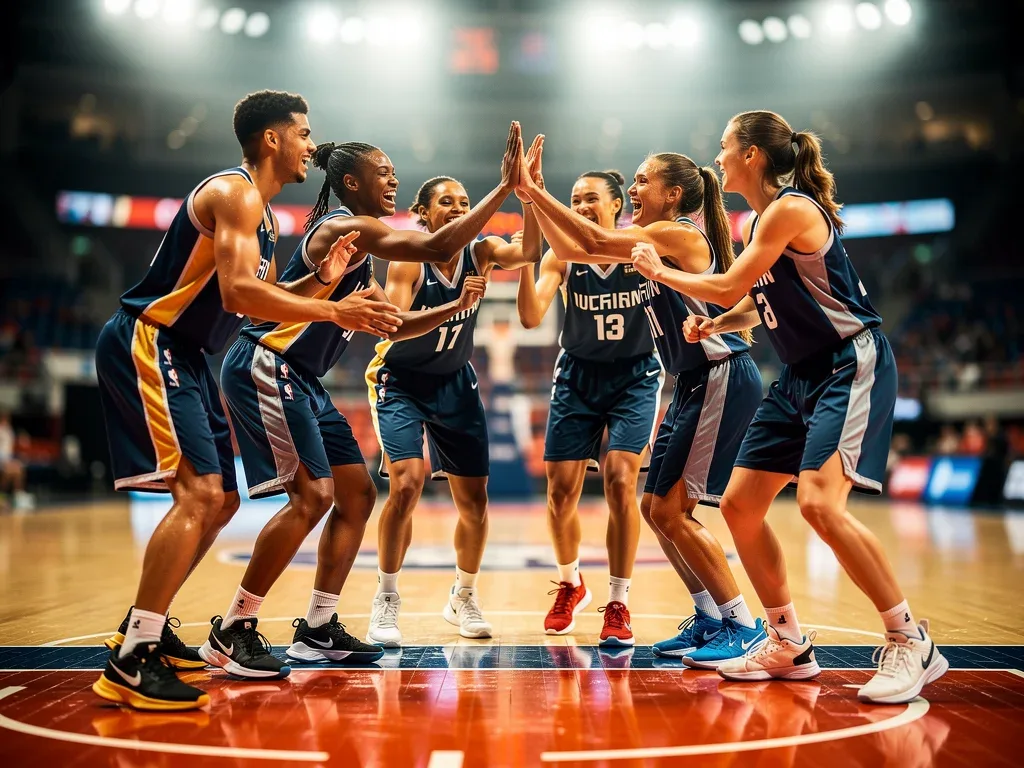
The critical role of team sports, particularly basketball, in enhancing mental health among US athletes is undeniable, fostering resilience, social connections, and emotional regulation by 2026.
In an increasingly demanding world, the pursuit of mental well-being has become paramount. For athletes, this challenge is amplified by intense pressure and scrutiny. This article delves into The Psychological Benefits of Team Sports: A 2026 Look at Mental Health in US Basketball, exploring how the structured environment of team play, particularly within the fast-paced world of US basketball, offers a crucial sanctuary and developmental platform for mental health. Join us as we uncover the profound ways in which camaraderie, discipline, and competitive spirit contribute to holistic well-being on and off the court.
The Evolving Landscape of Athlete Mental Health in 2026
The conversation around athlete mental health has significantly matured by 2026. Gone are the days when mental struggles were swept under the rug, deemed a sign of weakness. Today, organizations from youth leagues to professional associations recognize mental well-being as integral to performance and overall quality of life. This shift is particularly evident in US basketball, where the demanding schedule, public spotlight, and high stakes can take a considerable toll on players.
Modern sports psychology integrates seamlessly into training regimens, providing athletes with tools to manage stress, anxiety, and performance pressure. The emphasis is no longer solely on physical conditioning but on a holistic approach that nurtures both mind and body. This proactive stance helps prevent burnout and fosters a more sustainable career for athletes.
Breaking Down Stigma and Fostering Open Dialogue
One of the most significant advancements has been the reduction of stigma surrounding mental health issues. High-profile athletes openly sharing their experiences have paved the way for others to seek help without fear of judgment. This cultural shift is crucial for creating supportive environments.
- Increased access to mental health professionals for all athletes.
- Mandatory mental health awareness training for coaches and staff.
- Confidential support systems for players to discuss their struggles.
The collective effort to normalize mental health conversations has empowered athletes to prioritize their well-being, leading to healthier individuals and more cohesive teams. This change reflects a broader societal understanding that mental health is as important as physical health.
In conclusion, the year 2026 marks a pivotal moment in athlete mental health, with US basketball at the forefront of implementing progressive strategies. The focus on destigmatization and comprehensive support systems has transformed how mental well-being is perceived and managed within the sport, setting a new standard for athlete care.
Camaraderie and Social Connection: The Team Sport Advantage
Beyond the physical exertion and strategic play, team sports, especially basketball, offer an unparalleled platform for fostering deep camaraderie and vital social connections. In 2026, research consistently highlights that belonging to a cohesive group significantly mitigates feelings of isolation and loneliness, common precursors to various mental health challenges. The shared goals, collective triumphs, and even the joint experience of defeat create bonds that extend far beyond the court.
For basketball players, the constant interaction during practices, games, and travel builds a unique support network. Teammates become a second family, offering emotional support, understanding, and a sense of shared purpose. This robust social fabric acts as a protective factor against the psychological pressures inherent in competitive sports.
Building Trust and Mutual Support
Trust is the bedrock of any successful team. On the basketball court, players must implicitly trust their teammates to execute plays, cover their positions, and ultimately, have their back. This constant reliance on one another translates into real-world emotional trust, allowing athletes to feel safe and supported.
- Reliance on teammates for on-court performance and off-court support.
- Development of empathy and understanding through shared experiences.
- Creation of a safe space for vulnerability and open communication.
The mutual support system within a basketball team provides a powerful buffer against stress and anxiety. Knowing that you are not alone in facing challenges, and that your teammates are there to lift you up, is incredibly empowering for an athlete’s mental state. This collective strength is a cornerstone of positive mental health outcomes.
Ultimately, the psychological benefits of team sports like basketball are deeply intertwined with the social connections they cultivate. By fostering strong bonds of camaraderie, trust, and mutual support, these environments provide a crucial foundation for mental resilience and overall well-being in 2026 and beyond. The team isn’t just a group of players; it’s a vital support system.
Discipline and Structure: Anchors for Mental Stability
The inherent discipline and structure of team sports, particularly in US basketball, serve as powerful anchors for mental stability among athletes. In 2026, the routine and demands of training, practice, and competition provide a framework that can be profoundly grounding. This structured environment offers predictability and a clear sense of purpose, which are crucial for managing anxiety and promoting a sense of control in an otherwise unpredictable world.
Basketball players adhere to strict schedules, rigorous training regimens, and tactical game plans. This constant engagement with defined tasks and goals leaves less room for rumination and negative thought patterns. The focus required to master skills and execute strategies shifts attention away from internal worries, channeling mental energy into productive outlets.
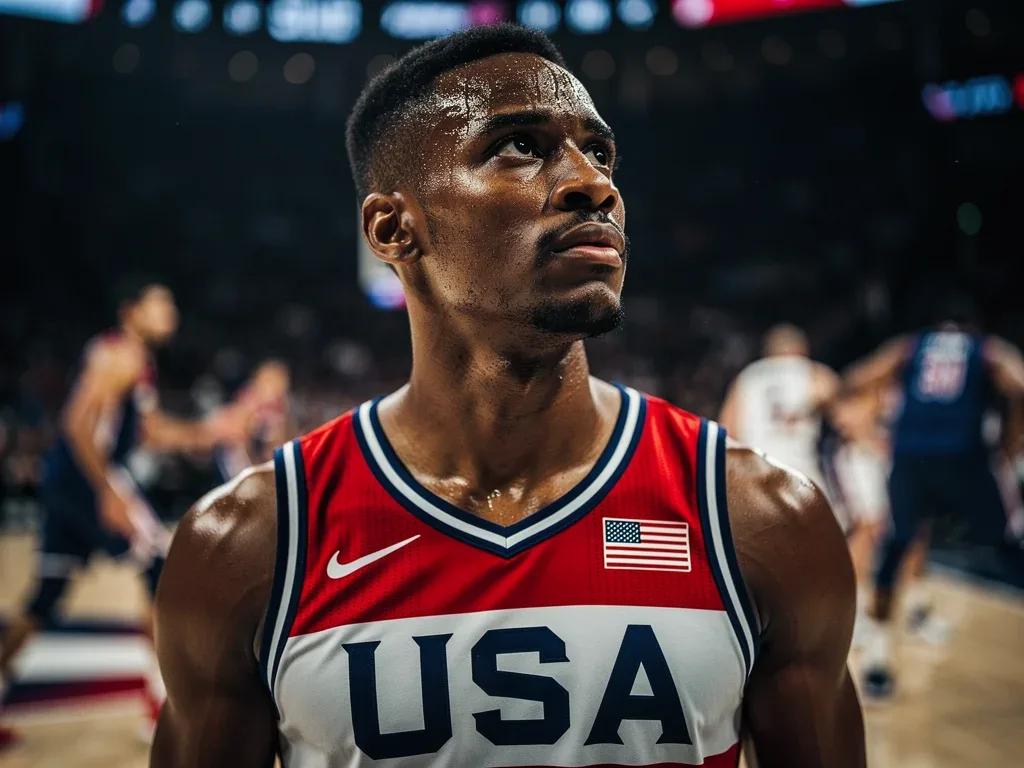
The Role of Routine in Reducing Stress
A consistent routine can significantly reduce stress and improve mental clarity. For basketball players, this means waking up at a certain time, following a nutritional plan, attending practices, and preparing for games. This predictability helps establish healthy habits and reduces decision fatigue, allowing athletes to conserve mental energy for performance.
- Predictable daily schedules foster a sense of security.
- Goal-setting and achievement provide a sense of accomplishment.
- Structured training reduces cognitive load and promotes mindfulness.
The discipline instilled through basketball extends beyond the court, influencing other areas of an athlete’s life. This self-regulation and commitment to routine contribute to better sleep patterns, improved dietary habits, and a more organized approach to personal responsibilities, all of which are vital for maintaining robust mental health.
In essence, the discipline and structure inherent in basketball provide a robust framework that supports mental stability. By offering clear expectations, fostering routine, and channeling mental energy constructively, team sports equip athletes with valuable tools to navigate the complexities of life with greater resilience and a stronger sense of well-being.
Coping Mechanisms and Resilience Through Competition
Competitive environments, while often perceived as stressful, are in fact crucibles for developing robust coping mechanisms and profound resilience. In US basketball in 2026, athletes are constantly pushed to their limits, facing both individual and team challenges. Learning to navigate setbacks, recover from mistakes, and perform under pressure are invaluable psychological skills cultivated through this competitive process. These experiences build mental toughness that extends far beyond the basketball court.
The nature of basketball, with its rapid shifts in momentum, requires players to adapt quickly and maintain emotional control. A missed shot, a turnover, or a defensive lapse can be disheartening, but the immediate need to regroup and refocus teaches athletes critical emotional regulation techniques. This continuous cycle of challenge and recovery strengthens their ability to bounce back from adversity.
Learning from Failure and Building Grit
Failure is an inevitable part of competitive sports. Basketball players regularly encounter losses, individual performance slumps, or moments where they don’t meet expectations. These experiences, though difficult, provide fertile ground for growth. Learning to analyze mistakes, accept responsibility, and strategize for improvement are core components of building grit and resilience.
- Experiencing and overcoming setbacks builds mental toughness.
- Developing strategies for emotional regulation during high-pressure moments.
- Cultivating a growth mindset through continuous self-assessment.
The shared experience of competition within a team also reinforces the idea that support is available even in defeat. Teammates encourage each other to learn from errors, fostering an environment where growth is prioritized over perfection. This collective approach to adversity solidifies the psychological benefits derived from participation in team sports.
Ultimately, the competitive nature of basketball, far from being solely a source of stress, is a powerful training ground for mental fortitude. By repeatedly exposing athletes to challenges and providing opportunities for recovery and growth, it equips them with essential coping mechanisms and an enduring sense of resilience crucial for mental health in 2026 and beyond.
Leadership and Personal Growth: Beyond the Box Score
Participation in team sports, particularly high-level basketball in the US, offers profound opportunities for leadership development and personal growth that extend far beyond statistical achievements. By 2026, it is widely recognized that the skills honed on the court—communication, decision-making under pressure, and motivating others—are directly transferable to academic, professional, and personal spheres. These experiences are pivotal for an athlete’s holistic development and mental maturity.
Basketball demands constant communication, strategic thinking, and the ability to influence teammates positively. Whether an athlete is a designated captain or a role player, every individual contributes to the team dynamic, learning to take initiative, offer constructive feedback, and lead by example. This fosters a strong sense of self-efficacy and confidence, both critical components of sound mental health.
Developing Essential Life Skills
The challenges and triumphs within a team setting provide a microcosm of real-world scenarios, offering invaluable lessons in character building. Athletes learn to navigate complex social dynamics, resolve conflicts, and contribute to a larger goal, all while managing their own emotions and expectations.
- Enhanced communication and interpersonal skills.
- Improved problem-solving and critical thinking abilities.
- Greater self-awareness and emotional intelligence.
The process of striving for collective success teaches humility, perseverance, and the importance of collaboration. These attributes not only make for better athletes but also for more well-rounded individuals who are better equipped to face life’s challenges. The psychological benefits derived from this personal growth are foundational for lifelong mental well-being.
In conclusion, the leadership and personal growth fostered through basketball are indispensable psychological benefits. The sport acts as a powerful incubator for developing essential life skills, building character, and cultivating a strong sense of self, all of which contribute significantly to an athlete’s mental health journey in 2026.
Challenges and Future Directions in Athlete Mental Health (2026)
While significant strides have been made in recognizing and supporting athlete mental health in US basketball by 2026, several challenges persist, and new directions are continually emerging. The intense public scrutiny, social media pressure, and the transition from professional sports remain critical areas requiring ongoing attention. Addressing these complexities is essential for ensuring the sustained mental well-being of athletes.
The pervasive influence of social media, for instance, presents a double-edged sword. While it offers platforms for connection and fan engagement, it also exposes athletes to a relentless barrage of criticism and comparison, which can severely impact self-esteem and lead to anxiety or depression. Developing effective strategies for navigating digital pressures is a growing priority.
Innovations in Mental Health Support
Looking ahead, the integration of advanced technologies and personalized mental health interventions is set to become more prevalent. Wearable tech that monitors stress levels, AI-driven mental health apps, and virtual reality therapy are already showing promise in providing accessible and tailored support.
- Personalized mental health plans based on individual athlete needs.
- Proactive screening and early intervention programs.
- Increased focus on post-career transition support for athletes.
Furthermore, there is a growing recognition of the importance of mental health literacy among all stakeholders – athletes, coaches, parents, and support staff. Comprehensive educational programs can empower individuals to identify signs of distress and seek appropriate help, fostering a more resilient and supportive ecosystem around athletes.
In summary, while the landscape of athlete mental health in 2026 is far more advanced than previous decades, continuous innovation and proactive strategies are vital. Addressing the unique challenges faced by basketball players and embracing new technologies will be key to ensuring their long-term psychological well-being and fostering a truly holistic approach to sports.
| Key Aspect | Psychological Benefit |
|---|---|
| Camaraderie | Reduces isolation, builds strong social support networks, enhances emotional well-being. |
| Discipline | Provides structure and routine, reduces anxiety, promotes a sense of purpose and control. |
| Resilience | Develops coping mechanisms, mental toughness, and adaptability through competitive challenges. |
| Personal Growth | Fosters leadership skills, communication abilities, and self-awareness beyond the sport. |
Frequently Asked Questions About Basketball and Mental Health
How does team basketball specifically impact an athlete’s mental well-being?▼Team basketball significantly boosts mental well-being by fostering strong social bonds, instilling discipline through routine, and developing resilience through competition. It provides a supportive environment where athletes learn to manage stress, build confidence, and develop essential coping mechanisms, crucial for navigating both on-court and off-court pressures effectively.
What are the primary psychological benefits of playing basketball?▼The primary psychological benefits include enhanced self-esteem, improved emotional regulation, reduced anxiety and depression, and stronger social skills. Basketball promotes a sense of belonging, purpose, and achievement, contributing to overall mental stability and happiness. It also teaches valuable lessons in teamwork, leadership, and perseverance under pressure.
Has the approach to mental health in US basketball changed by 2026?▼Yes, by 2026, there has been a dramatic shift. Mental health is now recognized as integral to athlete performance and well-being, with increased resources, reduced stigma, and proactive support systems. Organizations prioritize holistic athlete care, integrating mental health professionals and educational programs into training and development, from youth to professional levels.
How does competition in basketball contribute to mental resilience?▼Competition in basketball builds mental resilience by exposing athletes to challenges, setbacks, and high-pressure situations. Learning to adapt, recover from mistakes, and maintain focus under duress strengthens their ability to cope with adversity. This iterative process of confronting and overcoming obstacles cultivates mental toughness and emotional control, extending beyond the court.
What role does camaraderie play in an athlete’s mental health?▼Camaraderie is crucial, as it provides a vital support network, mitigating feelings of isolation and loneliness. The shared experiences, mutual trust, and collective goals within a basketball team foster a strong sense of belonging. This social connection acts as a powerful buffer against stress and anxiety, enhancing overall emotional stability and well-being for athletes.
Conclusion
As we navigate 2026, the profound psychological benefits of team sports, particularly US basketball, are more evident and valued than ever before. From fostering deep camaraderie and instilling vital discipline to building unwavering resilience and cultivating essential leadership skills, basketball offers a holistic pathway to mental well-being. The evolving landscape of athlete mental health, driven by destigmatization and innovative support systems, ensures that players are not only physically prepared but also mentally fortified for the challenges of competitive sport and life beyond. Embracing these psychological advantages is crucial for nurturing healthier, happier, and more successful athletes for generations to come, truly making the court a place of both physical and mental triumph.