Athlete Load Monitoring: Preventing Injuries in US Basketball by 2026
Advertisements
By 2026, advanced athlete load monitoring technologies are fundamentally transforming injury prevention strategies in US basketball, providing unprecedented insights into player physiology and biomechanics to optimize performance and longevity.
The rigorous demands of professional basketball place immense stress on athletes’ bodies, making injury prevention a critical focus for teams and medical staff. By 2026, the landscape of injury management in US basketball is being revolutionized by sophisticated advancements in monitoring athlete load, promising a future where player health and performance are meticulously optimized through data-driven insights. This evolution is not just about reacting to injuries but proactively mitigating risks, ensuring players can perform at their peak for longer careers.
The Evolution of Athlete Load Monitoring in Basketball
Athlete load monitoring has come a long way from simple training logs. In the fast-paced world of US basketball, understanding the physical and psychological demands placed on players is paramount. The evolution of these monitoring techniques has shifted from subjective assessments to highly objective, granular data, offering a comprehensive view of an athlete’s state.
Initially, coaches relied heavily on their observational skills and player feedback to gauge fatigue. While valuable, this approach lacked the precision needed to identify subtle signs of overtraining or impending injury. The advent of basic heart rate monitors marked a significant step forward, providing quantifiable physiological data. However, these early tools only scratched the surface of what was truly happening within an athlete’s body during intense periods of play and training.
From Subjective to Objective Data Collection
The transition to objective data has been driven by technological innovation. Modern systems now integrate multiple data streams, painting a detailed picture of physical and mental exertion. This holistic approach allows medical and coaching staff to make informed decisions, moving beyond guesswork to evidence-based interventions.
- Wearable Sensors: These devices capture real-time physiological and biomechanical data.
- GPS Tracking: Provides insights into movement patterns, speed, and distance covered.
- Force Plates: Measures ground reaction forces, crucial for assessing jump mechanics and landing impact.
- Athlete Self-Reporting: Subjective feedback on sleep, mood, and perceived exertion, now often digitized.
The integration of these diverse data points creates a robust framework for assessing total athlete load. This comprehensive understanding is vital for preventing injuries, as it allows for the identification of cumulative stress factors that might otherwise go unnoticed. By analyzing trends over time, teams can proactively adjust training regimens and recovery protocols, ensuring player well-being.
Wearable Technologies: The New Frontier
Wearable technologies are at the forefront of the revolution in athlete load monitoring. These unobtrusive devices, ranging from smart vests to sophisticated insoles, gather an astonishing array of data points that were previously inaccessible. Their ability to provide continuous, real-time feedback has transformed how physical therapists, coaches, and strength and conditioning specialists approach player management.
The sophistication of these wearables extends beyond simple step counting. Modern devices can track complex metrics such as acceleration, deceleration, changes in direction, jump height, and even the symmetry of movement. This level of detail is crucial in basketball, where explosive movements and rapid shifts in pace are constant. Understanding these biomechanical stressors helps identify potential weaknesses or imbalances before they manifest as injuries.
Advanced Biometric Tracking
Beyond movement, wearables are also excelling in biometric tracking. Heart rate variability (HRV), sleep patterns, and skin temperature are now routinely monitored, providing insights into an athlete’s recovery status and overall physiological readiness. A low HRV, for instance, can indicate accumulated fatigue or stress, signaling a need for reduced training intensity.
- Heart Rate Variability (HRV): An indicator of autonomic nervous system activity, reflecting stress and recovery.
- Sleep Monitoring: Tracks sleep duration and quality, vital for physical and cognitive recovery.
- Skin Temperature Sensors: Can detect early signs of illness or localized inflammation.
- Muscle Oxygenation: Measures oxygen levels in muscle tissue, indicating fatigue and metabolic stress.
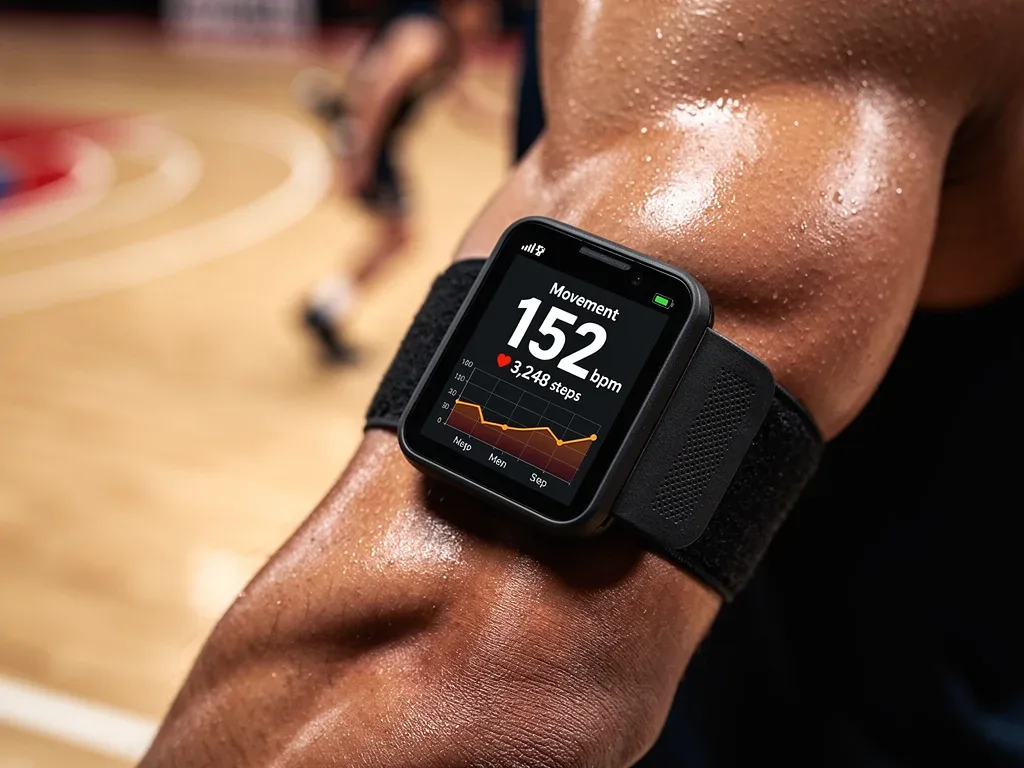
The data collected from these wearables feeds into advanced analytical platforms, where algorithms process vast amounts of information to generate actionable insights. This predictive capability is a game-changer, allowing teams to intervene proactively rather than reactively. The goal is to create personalized profiles for each athlete, understanding their unique physiological responses to training and competition, thereby minimizing the risk of injury and maximizing their athletic potential.
Data Analytics and Predictive Modeling for Injury Prevention
The true power of modern athlete load monitoring lies not just in data collection, but in its sophisticated analysis and the ability to predict future injury risks. By 2026, US basketball teams are leveraging advanced data analytics and machine learning algorithms to transform raw data into actionable intelligence, moving beyond descriptive statistics to predictive insights.
These analytical platforms integrate data from various sources: wearables, GPS trackers, training logs, medical records, and even subjective player feedback. The sheer volume and diversity of this data necessitate powerful computational tools to identify patterns and correlations that human observers might miss. The aim is to build comprehensive individual profiles that highlight each player’s unique physiological responses and injury predispositions.
Machine Learning Algorithms in Action
Machine learning models are trained on historical data, including past injuries, training loads, and performance metrics. This allows them to learn complex relationships between different variables and predict the likelihood of future injuries under specific conditions. For example, a model might identify that a sudden spike in high-intensity decelerations combined with insufficient sleep significantly increases the risk of a hamstring strain for a particular player.
- Anomaly Detection: Identifies deviations from a player’s normal physiological or biomechanical baseline.
- Risk Scoring: Assigns a numerical risk score to each player based on current load and historical data.
- Predictive Analytics: Forecasts potential injury types and timelines given current training and recovery status.
- Personalized Thresholds: Establishes individual limits for training volume and intensity to prevent overtraining.
The output of these models provides coaches and medical staff with a clear, data-driven understanding of each player’s current state and future risk. This enables precise adjustments to training schedules, recovery interventions, and game-day decisions. The shift from reactive treatment to proactive prevention is perhaps the most significant benefit of these analytical advancements, safeguarding player health and extending careers in a highly demanding sport.
Integrating Psychological Load with Physical Demands
While physical exertion is a primary concern, the psychological demands on basketball players are equally significant and contribute substantially to overall athlete load. By 2026, leading US basketball organizations are increasingly integrating psychological monitoring into their comprehensive injury prevention strategies, recognizing the intricate link between mental stress and physical vulnerability.
The pressures of professional basketball—intense travel schedules, high-stakes games, media scrutiny, and personal life challenges—can accumulate, leading to mental fatigue, decreased focus, and elevated stress hormones. These psychological stressors can impair recovery, reduce pain tolerance, and even directly impact biomechanics, making players more susceptible to physical injuries. A player experiencing significant mental duress might unconsciously alter their movement patterns, increasing strain on certain joints or muscles.
Tools and Techniques for Psychological Monitoring
Integrating psychological load monitoring involves a multi-faceted approach, combining subjective self-reports with objective physiological markers. Tools range from daily questionnaires to advanced biometric feedback, all designed to capture a holistic view of an athlete’s mental state.
- Wellness Questionnaires: Daily surveys assessing mood, stress levels, sleep quality, and perceived recovery.
- Cognitive Performance Tests: Measures reaction time, attention, and decision-making under pressure.
- Biomarkers of Stress: Monitoring cortisol levels or heart rate variability (HRV) as indicators of psychological strain.
- Sports Psychology Sessions: Regular check-ins with mental health professionals to address underlying issues.
By understanding the interplay between physical and psychological load, teams can implement targeted interventions. This might include adjusting practice intensity, providing mental skills training, or offering additional recovery resources when psychological stress is high. This integrated approach ensures that players are not only physically prepared but also mentally resilient, crucial for both performance and long-term health in the demanding environment of US basketball.
Personalized Training and Recovery Protocols
The ultimate goal of advanced athlete load monitoring is to move away from one-size-fits-all training programs towards highly personalized protocols. By 2026, US basketball teams are leveraging granular data to create bespoke training and recovery plans tailored to each player’s unique physiological and psychological profile. This individualized approach is key to optimizing performance while rigorously preventing injuries.
Every athlete responds differently to training stimuli and requires varying amounts of recovery. Factors such as genetics, age, previous injury history, playing style, and even personal circumstances all influence how a player adapts to load. Generic training programs, while having some benefits, often fail to account for these individual differences, potentially leading to overtraining for some and undertraining for others, increasing injury risk across the board.
Dynamic Adjustment of Regimens
With sophisticated monitoring systems, coaches and medical staff can dynamically adjust training intensity, volume, and specific exercises in real-time. If a player shows signs of accumulating fatigue or increased injury risk based on their data, their training load can be immediately modified. Conversely, if a player is recovering exceptionally well, their load might be strategically increased to maximize adaptation and performance gains.
- Adaptive Training Schedules: Daily or weekly adjustments based on real-time data and predictive analytics.
- Targeted Recovery Interventions: Prescribing specific recovery modalities (e.g., cryotherapy, massage, nutrition) based on individual needs.
- Individualized Strength Programs: Tailoring exercises to address specific muscular imbalances or weaknesses identified through biomechanical analysis.
- Periodization Optimization: Fine-tuning macro- and micro-cycles of training to align with individual physiological responses.
This level of personalization extends beyond the court. It encompasses nutrition plans, sleep hygiene recommendations, and mental conditioning strategies, all informed by continuous data feedback. The result is a highly efficient and effective system that maximizes each player’s potential while significantly reducing the incidence of preventable injuries, ensuring a healthier and more sustainable career in US basketball.
The Future Impact on Player Longevity and Performance
The widespread adoption of advanced athlete load monitoring technologies in US basketball by 2026 is poised to have a profound and lasting impact on player longevity and overall performance. This technological shift represents a paradigm change, moving from a reactive injury management model to a proactive, preventative one, ultimately benefiting both the athletes and the sport itself.
Historically, many promising careers have been cut short or significantly hampered by recurring injuries, often due to accumulated stress and insufficient recovery. The new era of data-driven load management offers a powerful antidote to this challenge. By meticulously tracking internal and external loads, identifying early warning signs, and implementing personalized interventions, teams can significantly reduce the frequency and severity of injuries.
Extending Athletic Careers
One of the most significant benefits is the potential for extending athletic careers. Players who might have succumbed to chronic issues in the past now have the tools and support systems to manage their bodies more effectively. This not only allows them to play longer but also to maintain a higher level of performance throughout their careers, contributing more consistently to their teams.
- Reduced Injury Incidence: Fewer games missed due to preventable injuries.
- Optimized Peak Performance: Players can train and compete closer to their maximal capacity without overreaching.
- Enhanced Rehabilitation: Data-driven insights improve recovery protocols post-injury, ensuring a safer return to play.
- Sustainable Training Practices: Fosters long-term athletic development rather than short-term gains at the expense of health.
Beyond individual player benefits, this also elevates the competitive landscape of US basketball. Teams with healthier rosters are inherently more competitive and stable. Furthermore, the insights gained from these technologies will continue to refine our understanding of human physiology and athletic performance, pushing the boundaries of what is possible in elite sports. The future of basketball is not just about raw talent; it’s about smart, sustainable athlete management, ensuring that the game’s greatest stars can shine for as long as possible.
| Key Aspect | Brief Description |
|---|---|
| Wearable Tech | Real-time biometric and biomechanical data capture for comprehensive load assessment. |
| Data Analytics | Machine learning models predict injury risk from integrated data sources. |
| Psychological Load | Monitoring mental stress alongside physical demands for holistic athlete well-being. |
| Personalized Plans | Tailored training and recovery protocols based on individual athlete data. |
Frequently Asked Questions about Athlete Load Monitoring
What is athlete load monitoring in basketball?▼Athlete load monitoring in basketball involves systematically tracking the physical and psychological demands placed on players through training and competition. This data helps assess fatigue, recovery status, and overall readiness, aiming to optimize performance and significantly reduce the risk of injuries by informing personalized interventions.
How do wearable technologies contribute to injury prevention?▼Wearable technologies provide real-time data on biomechanics, heart rate, sleep, and muscle oxygenation. By continuously tracking these metrics, coaches and medical staff can identify subtle changes that indicate fatigue or increased injury risk, allowing for timely adjustments to training and recovery plans to prevent injuries.
Can psychological stress lead to physical injuries in basketball?▼Yes, psychological stress can significantly increase the risk of physical injuries. Mental fatigue and high stress levels can impair cognitive function, reduce reaction time, and alter movement patterns, making athletes more susceptible to physical strains and sprains. Integrated monitoring addresses this crucial link.
What role does data analytics play in personalized training?▼Data analytics, powered by machine learning, processes vast amounts of athlete data to identify individual patterns and injury predispositions. This enables the creation of highly personalized training and recovery protocols, dynamically adjusting loads based on each player’s unique physiological responses to maximize performance and minimize injury risk.
How will these technologies impact player careers by 2026?▼By 2026, these technologies are expected to significantly extend player careers by reducing injury incidence and severity. Proactive load management ensures athletes can maintain peak performance for longer periods, enhancing their longevity and overall impact in US basketball, leading to more sustainable and successful careers.
Conclusion
The advancements in athlete load monitoring represent a pivotal shift in how US basketball approaches player health and performance. By 2026, the integration of sophisticated wearables, powerful data analytics, and a holistic understanding of both physical and psychological stressors is not just preventing injuries but actively optimizing every facet of an athlete’s development. This data-driven era promises a future where basketball players can achieve unparalleled levels of performance with greater longevity, making the game safer, more exciting, and ultimately, more sustainable for its most valuable assets: the athletes themselves. The meticulous attention to individual load management will undoubtedly redefine success in professional basketball, benefiting teams, players, and fans alike.