Hydration & Court Performance: 2026 US Athlete’s Guide
Advertisements
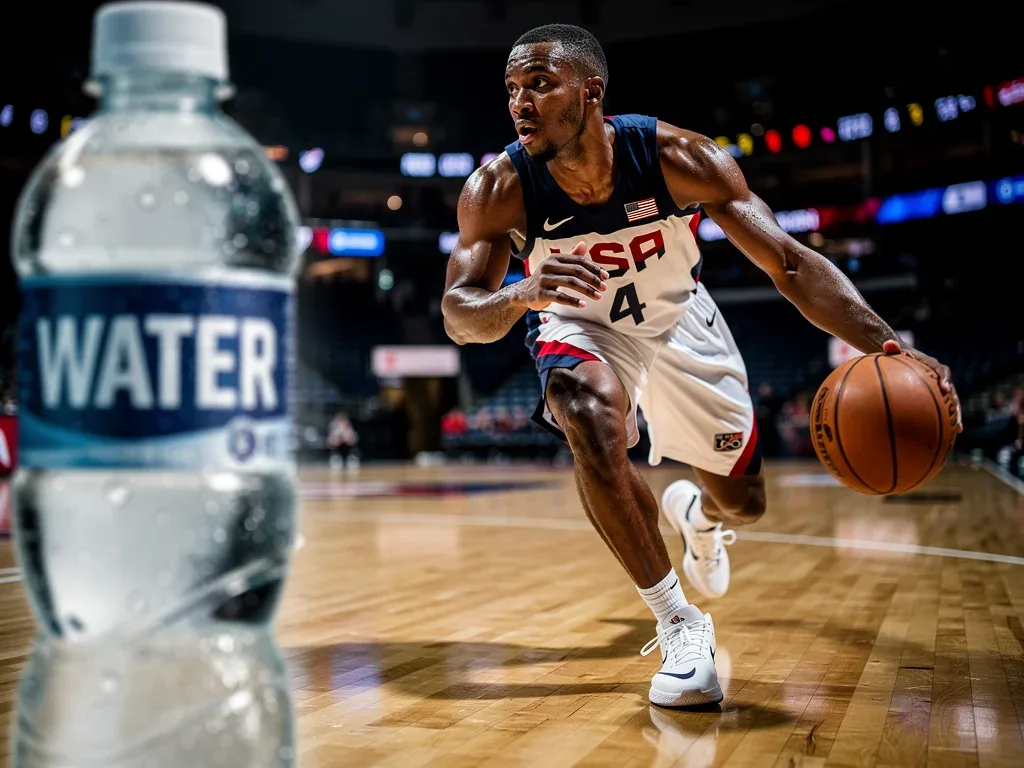
Maintaining optimal hydration is critical for US athletes aiming for peak court performance in 2026, directly influencing endurance, focus, and injury prevention during intense training and competition.
As a US athlete preparing for the demands of 2026, understanding the impact of hydration on court performance is not just beneficial, it’s absolutely essential. Proper fluid intake can be the critical differentiator between a game-winning play and a missed opportunity, influencing everything from your reaction time to your overall endurance.
The Science of Sweat: How Fluid Loss Affects Performance
On the court, every sprint, jump, and pivot generates heat, leading to significant sweat production. This natural cooling mechanism, while vital, also results in the loss of crucial fluids and electrolytes. Understanding this physiological process is the first step toward optimizing your hydration strategy.
When you sweat, your body isn’t just losing water; it’s also expelling essential minerals like sodium, potassium, and magnesium. These electrolytes play a pivotal role in nerve function, muscle contraction, and maintaining fluid balance. A deficit in any of these can quickly compromise your athletic capabilities.
Dehydration’s Direct Impact on Physical Abilities
Even a small degree of dehydration can have profound effects on an athlete’s physical performance. Studies consistently show that a mere 2% body weight loss due to fluid deficit can significantly impair various aspects of court play.
- Decreased Endurance: Your heart has to work harder to pump blood, leading to premature fatigue.
- Reduced Strength and Power: Muscle contractions become less efficient, impacting jumps and explosive movements.
- Impaired Coordination: Fine motor skills and agility can suffer, increasing the risk of errors.
Cognitive Decline and Decision-Making
Beyond the physical, dehydration also takes a toll on mental faculties. On the fast-paced court, quick decision-making and sharp focus are paramount. When dehydrated, an athlete’s cognitive function can decline rapidly, affecting their ability to read the game and execute strategies.
This cognitive slowdown manifests as reduced concentration, slower reaction times, and an increased likelihood of making poor decisions under pressure. Imagine missing a crucial pass or making a wrong defensive read simply because your brain isn’t receiving adequate fluid. It’s a preventable setback that can cost games.
In conclusion, the science unequivocally demonstrates that fluid loss directly correlates with a decline in both physical and cognitive performance. Recognizing the intricate balance between sweat, electrolytes, and athletic prowess is fundamental for any US athlete striving for excellence on the court in 2026.
Pre-Game Hydration Strategies: Fueling Up for Tip-Off
Optimal court performance doesn’t begin with the whistle; it starts hours, even days, before. Pre-game hydration is a foundational element of any successful athlete’s routine, ensuring that your body is primed and ready to meet the physical demands of competition.
Many athletes mistakenly believe they can simply chug water right before a game and be adequately hydrated. However, effective pre-game hydration is a more nuanced process, involving consistent intake and strategic choices of fluids and foods.
The 24-Hour Hydration Window
True hydration begins well in advance. For US athletes, this means making conscious hydration choices throughout the day leading up to a game. It’s about building a reservoir, not just topping off a tank.
- Consistent Water Intake: Sip water regularly throughout the day, rather than consuming large quantities at once.
- Electrolyte-Rich Foods: Incorporate fruits and vegetables like bananas, oranges, and spinach, which are natural sources of electrolytes.
- Avoid Dehydrating Beverages: Limit caffeine and alcohol intake, as these can have diuretic effects.
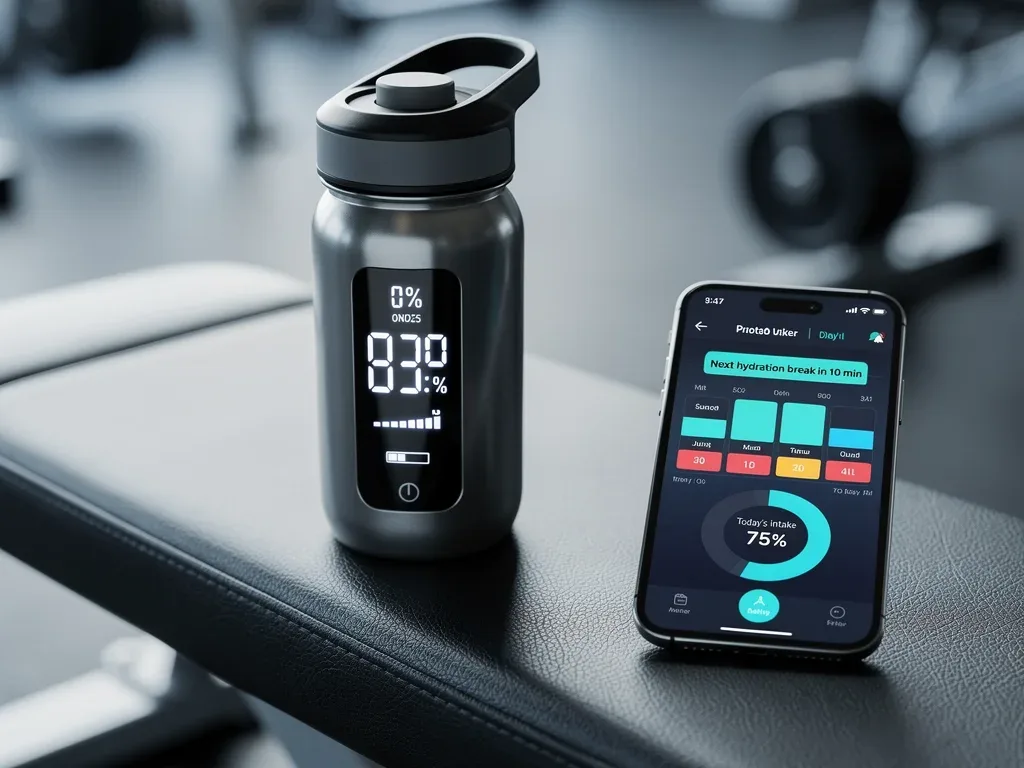
As game day approaches, the focus shifts slightly. The goal is to be fully hydrated without feeling bloated or needing frequent restroom breaks during play. This requires a balanced approach to fluid intake, often guided by individual needs and environmental factors.
Strategic Fluid Intake Before Competition
In the hours immediately preceding a game, a more structured hydration plan is beneficial. This often includes consuming fluids that provide both water and essential electrolytes, preparing the body for sustained effort.
A common recommendation is to drink about 17-20 ounces of water or a sports drink two to three hours before exercise. This allows ample time for absorption and for any excess fluid to be excreted. An additional 7-10 ounces 20-30 minutes before tip-off can further optimize fluid levels without causing discomfort.
Ultimately, pre-game hydration is about deliberate and consistent effort. By prioritizing fluid intake in the days and hours leading up to competition, US athletes can ensure they step onto the court with their bodies optimally prepared for peak performance, laying the groundwork for success.
In-Game Hydration: Sustaining Peak Performance Under Pressure
The intensity of court sports means that sweat loss during a game can be substantial and rapid. Effective in-game hydration is crucial not only for maintaining performance but also for safeguarding an athlete’s health and preventing the onset of fatigue and cramping.
Strategic fluid intake during breaks, timeouts, and even during active play when possible, is paramount. This isn’t just about quenching thirst, but about proactively replacing lost fluids and electrolytes to sustain energy levels and cognitive function.
Hydration During Active Play and Timeouts
The short breaks during a game are golden opportunities for rehydration. While full recovery isn’t possible, even small, consistent sips can make a significant difference over the course of a match.
- Small, Frequent Sips: Aim for 4-8 ounces of fluid every 15-20 minutes during intense activity.
- Sports Drinks for Longer Games: For games lasting over an hour, sports drinks containing carbohydrates and electrolytes are often more beneficial than plain water.
- Personalized Approach: Monitor your individual sweat rate during practice to tailor your in-game fluid intake.
It’s important to remember that thirst is often a delayed indicator of dehydration. By the time you feel thirsty, you are likely already somewhat dehydrated, and your performance may have begun to decline. Therefore, a proactive hydration strategy is far more effective than a reactive one.
The Role of Electrolytes and Carbohydrates
While water is the primary component of hydration, electrolytes and carbohydrates in sports drinks play distinct and vital roles during prolonged or intense court performance. Electrolytes help maintain fluid balance and nerve impulses, preventing muscle cramps.
Carbohydrates, on the other hand, provide a readily available source of energy for working muscles, helping to prevent glycogen depletion and sustain high-intensity efforts. The optimal concentration of these components can vary, but generally, a 6-8% carbohydrate solution is effective for most athletes.
By diligently adhering to an in-game hydration plan that incorporates both water and appropriate sports drinks, US athletes can effectively combat the physiological challenges of intense court play. This allows them to maintain focus, power, and endurance, ensuring they can perform at their best when it matters most.
Post-Game Recovery: Rehydration for Optimal Regeneration
The final whistle doesn’t signal the end of an athlete’s hydration responsibilities; rather, it marks the beginning of the crucial recovery phase. Post-game rehydration is as vital as pre-game preparation, playing a significant role in muscle repair, energy replenishment, and overall readiness for the next training session or competition.
Neglecting post-game fluid intake can prolong recovery time, increase muscle soreness, and even elevate the risk of future injuries. A well-executed rehydration plan accelerates the body’s return to homeostasis.
Immediate Post-Game Fluid Replacement
The period immediately following a game is critical for initiating the rehydration process. The body is still in a state of elevated metabolism and fluid loss, making it highly receptive to fluid and nutrient intake.
- Replenish Lost Fluids: Aim to consume 1.25 to 1.5 liters of fluid for every kilogram (2.2 pounds) of body weight lost during exercise.
- Electrolyte-Rich Options: Milk, chocolate milk, or electrolyte-enhanced beverages are excellent choices to restore both fluids and essential minerals.
- Nutrient Timing: Combine fluids with a balanced meal or snack containing carbohydrates and protein to aid in glycogen replenishment and muscle repair.
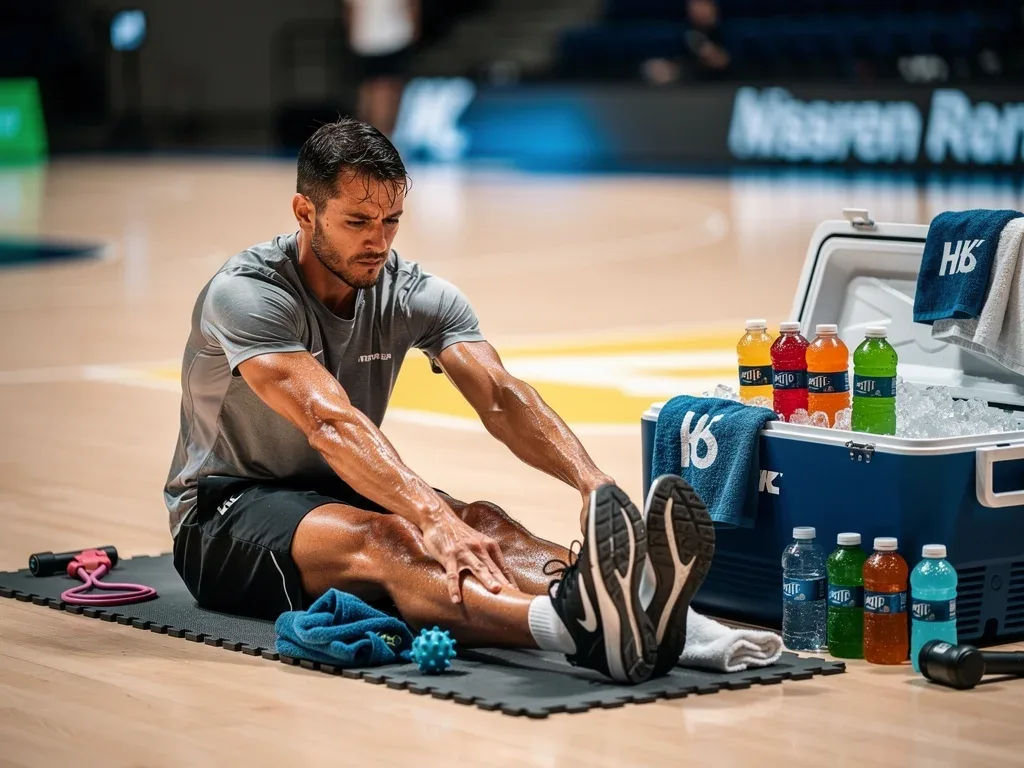
Monitoring body weight before and after practice or games is one of the most effective ways to gauge fluid loss and calculate the necessary replacement volume. This personalized approach ensures that athletes are not under-hydrating or over-hydrating, both of which can be detrimental.
Long-Term Recovery and Habit Formation
Beyond the immediate post-game window, sustained hydration habits are essential for long-term athletic health and performance. Integrating consistent fluid intake into daily routines helps maintain optimal cellular function and supports ongoing training adaptations.
Making hydration a non-negotiable part of your lifestyle, not just a game-day strategy, is the ultimate goal. This includes carrying a water bottle, setting reminders, and choosing water over sugary drinks throughout the day. These habits contribute significantly to an athlete’s overall well-being and their ability to consistently perform at a high level.
In essence, post-game rehydration is an indispensable component of the athletic cycle. By prioritizing fluid and electrolyte replacement after intense court activity, US athletes can optimize their recovery, mitigate fatigue, and ensure they are always ready to face the next challenge on their journey to 2026 success.
Common Hydration Pitfalls and How to Avoid Them
Even with the best intentions, athletes can fall prey to common hydration mistakes that undermine their court performance. Identifying these pitfalls and developing strategies to avoid them is crucial for maintaining optimal fluid balance and maximizing athletic potential.
From relying solely on thirst to ignoring environmental factors, many errors are easily preventable with a bit of awareness and planning. Let’s explore some of the most frequent hydration missteps.
Ignoring Thirst as a Late Indicator
One of the most widespread misconceptions is that thirst is a reliable indicator of when to drink. As previously mentioned, by the time you feel thirsty, your body is already experiencing a degree of dehydration, and performance may have already begun to decline.
To counteract this, adopt a proactive hydration schedule. Don’t wait for thirst; instead, establish a routine of regular sips throughout the day and during activity. This consistent intake keeps your body’s fluid levels stable, preventing the onset of performance-sapping dehydration.
Over-Hydration: The Dangers of Hyponatremia
While less common than dehydration, over-hydration, or hyponatremia, is a serious condition that can occur when athletes consume excessive amounts of plain water, diluting the sodium concentration in their blood. This can lead to swelling, nausea, confusion, and in severe cases, seizures or coma.
To avoid hyponatremia, especially during prolonged events or in very hot conditions, consider these points:
- Balance Water with Electrolytes: For extended periods of exercise, opt for sports drinks that contain sodium and other electrolytes.
- Listen to Your Body: Drink when you feel the need, but avoid forcing large volumes of water if you don’t feel thirsty.
- Individualized Plans: Work with a sports nutritionist or coach to develop a hydration plan tailored to your sweat rate and activity level.
Another common mistake is neglecting the impact of environmental conditions. High temperatures and humidity significantly increase sweat rates, demanding a more aggressive hydration strategy. Similarly, high altitudes can also increase fluid loss through respiration.
By being mindful of these common pitfalls and actively implementing preventative measures, US athletes can ensure their hydration strategies are robust and effective. This proactive approach helps maintain peak performance and safeguards health, paving the way for success on the court in 2026.
Personalized Hydration Plans: Tailoring Your Intake for Success
While general hydration guidelines provide a solid foundation, truly optimizing hydration for court performance requires a personalized approach. Every US athlete is unique, with varying sweat rates, body compositions, and metabolic needs. A one-size-fits-all strategy simply won’t yield the best results.
Developing a tailored hydration plan involves understanding your individual physiological responses to exercise and adjusting your fluid intake accordingly. This bespoke approach maximizes effectiveness and ensures you’re always game-ready.
Assessing Your Individual Sweat Rate
The most crucial step in personalizing your hydration plan is determining your sweat rate. This measurement helps you understand how much fluid you lose during exercise and, consequently, how much you need to replace.
To calculate your sweat rate, weigh yourself before and after a typical practice session, noting the duration. Account for any fluids consumed during the session. Every pound of weight lost equates to approximately 16 ounces of fluid. This simple calculation provides invaluable data for your hydration strategy.
Factors Influencing Individual Needs
Beyond sweat rate, several other factors influence an athlete’s hydration requirements. These include environmental conditions, exercise intensity, duration, and individual physiological differences.
- Climate: Hot, humid environments demand higher fluid intake compared to cooler, drier conditions.
- Intensity and Duration: Longer, more intense training sessions or games naturally lead to greater fluid loss.
- Clothing and Equipment: Heavy uniforms or protective gear can increase heat retention and sweat production.
- Acclimatization: Athletes accustomed to training in hot conditions may have a lower sweat sodium concentration, requiring different electrolyte strategies.
Working with a sports nutritionist or athletic trainer can be immensely beneficial in creating a highly specific hydration plan. These professionals can help interpret sweat rate data, recommend appropriate fluid types (water vs. sports drinks), and advise on electrolyte supplementation based on your unique profile.
By investing time in understanding and personalizing your hydration strategy, US athletes can move beyond generic advice to a scientifically informed approach. This tailored plan ensures optimal fluid balance, supporting sustained high-level court performance and contributing significantly to success in 2026 and beyond.
Advanced Hydration Techniques and Monitoring for 2026
As sports science evolves, so too do the methods for optimizing athletic performance. For US athletes aiming for an edge in 2026, incorporating advanced hydration techniques and state-of-the-art monitoring tools can provide significant benefits. These innovations move beyond basic fluid intake, offering precise, real-time insights.
The future of hydration is about leveraging technology and deeper physiological understanding to maintain ideal fluid balance, not just prevent dehydration. This proactive and precise approach ensures athletes are always at their peak.
Wearable Technology and Smart Hydration Devices
The market for wearable technology has exploded, offering athletes new ways to track and manage their hydration. Smart water bottles, patches, and even integrated sensors in athletic apparel can provide real-time data on fluid intake and sweat loss.
- Smart Water Bottles: Track fluid consumption throughout the day and send reminders to drink.
- Sweat Patches: Analyze sweat composition, providing insights into electrolyte loss and individual needs.
- Integrated Sensors: Some athletic apparel can monitor skin temperature and hydration levels, offering continuous feedback.
These devices empower athletes to move from generalized recommendations to data-driven, personalized hydration strategies. By understanding their body’s unique responses in real-time, athletes can make immediate adjustments, preventing performance dips before they occur.
Pre-Cooling and Hydrogel Technologies
Beyond fluid intake, advanced techniques like pre-cooling can also play a role in optimizing hydration and thermoregulation. Pre-cooling involves lowering core body temperature before exercise, which can delay the onset of heat stress and reduce fluid loss.
Another emerging area is hydrogel technology. These are edible gels designed to deliver carbohydrates and electrolytes efficiently without causing gastrointestinal distress, particularly beneficial during ultra-endurance events, but with potential applications for intense court sports.
While some of these technologies are still evolving, staying abreast of these advancements is crucial for US athletes looking to gain a competitive advantage. By embracing innovative hydration techniques and monitoring tools, athletes can refine their approach to fluid management, ensuring they are optimally prepared for the rigorous demands of court performance in 2026.
| Key Hydration Aspect | Brief Description |
|---|---|
| Sweat & Performance | Fluid and electrolyte loss impairs endurance, strength, and cognitive function. |
| Pre-Game Strategy | Consistent intake 24 hours prior, strategic sips 2-3 hours and 20-30 mins before. |
| In-Game Tactics | Small, frequent sips (4-8 oz/15-20 min) of water or sports drinks during play. |
| Post-Game Recovery | Replenish fluids (1.25-1.5L/kg lost) and electrolytes immediately after activity. |
Frequently Asked Questions About Athlete Hydration
How much water should an athlete drink daily?▼While individual needs vary, a general guideline for athletes is to consume at least 100-120 ounces (3-3.5 liters) of water daily, increasing significantly on training or game days to account for sweat loss. Monitoring urine color is a simple indicator.
Are sports drinks always necessary for hydration?▼For exercise lasting less than 60 minutes, plain water is usually sufficient. However, for prolonged or intense court sessions exceeding an hour, sports drinks provide essential electrolytes and carbohydrates to sustain energy and performance.
How can I tell if I’m adequately hydrated?▼The simplest way is to check your urine color; it should be light yellow, similar to lemonade. Darker urine indicates dehydration. Additionally, monitoring body weight before and after exercise helps estimate fluid loss.
Can dehydration lead to muscle cramps?▼Yes, dehydration, particularly when accompanied by significant electrolyte loss (especially sodium and potassium), is a major contributor to muscle cramps during and after intense physical activity. Proper electrolyte balance is crucial for muscle function.
What are the best fluids for post-game rehydration?▼For optimal post-game rehydration, fluids that contain both water and electrolytes are ideal. Options like milk, chocolate milk, or specialized recovery drinks can effectively replenish fluids, electrolytes, and provide some carbohydrates for energy restoration.
Conclusion
The journey to peak court performance in 2026 for US athletes is multifaceted, but at its core lies the often-underestimated power of proper hydration. From the scientific understanding of sweat loss to personalized intake strategies and advanced monitoring, every aspect of fluid management plays a critical role. By embracing a proactive, informed, and consistent approach to hydration, athletes can unlock their full potential, enhance endurance, sharpen focus, and significantly reduce the risk of injury. Prioritizing hydration isn’t just about feeling good; it’s about making game-winning plays and ensuring a long, successful career on the court.