Street Style Photography 101: Capturing Your Best Looks in 2026
Advertisements
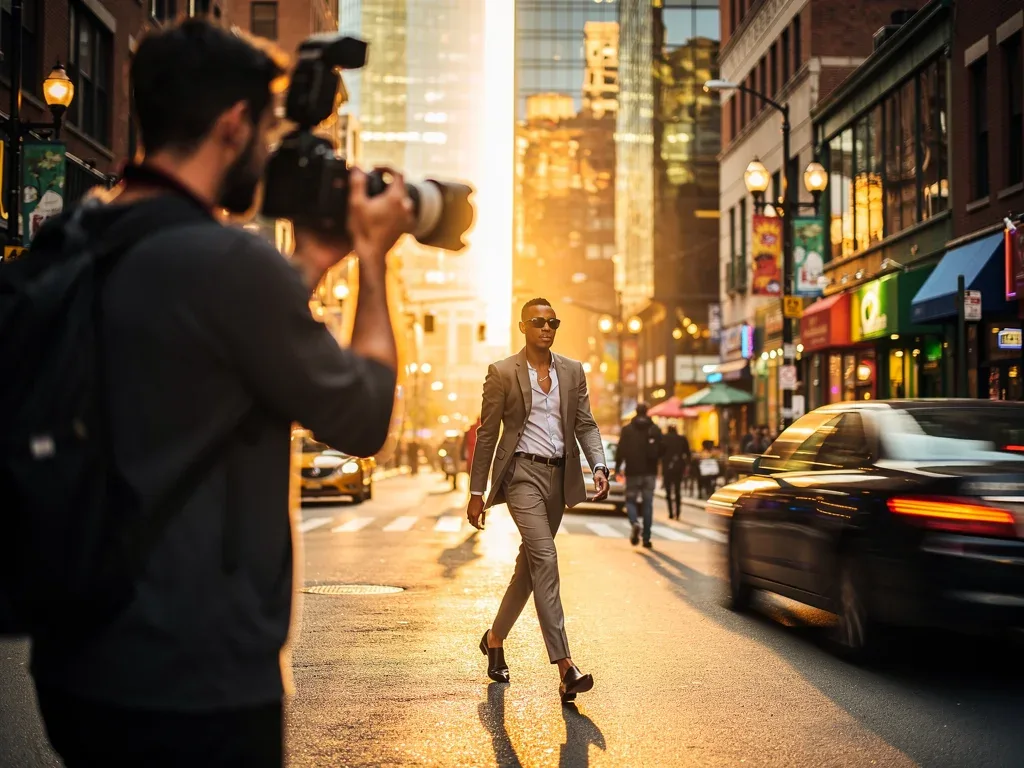
Mastering street style photography involves more than just pointing and shooting; it requires an understanding of light, composition, and authentic storytelling to capture compelling looks that resonate in 2026.
Welcome to the dynamic world of street style photography, where every corner holds the potential for an iconic shot. In 2026, the art of capturing candid fashion moments is more nuanced and exciting than ever before. This guide will equip you with seven essential tips to elevate your craft, helping you not just take pictures, but tell compelling visual stories of urban fashion.
Understanding the Essence of Street Style Photography
Street style photography is a unique genre that blends fashion, portraiture, and documentary photography. It’s about capturing real people, in real environments, showcasing their personal style. It’s not just about what they wear, but how they wear it, and the story their ensemble tells about their personality and the culture around them. In 2026, authenticity and individuality are paramount, making the photographer’s ability to spot genuine moments even more crucial.
This genre thrives on spontaneity and observation. Unlike studio fashion photography, street style offers an unscripted narrative. The urban landscape becomes your backdrop, and passersby your unwitting models. The challenge lies in harmonizing these elements to create an image that is both aesthetically pleasing and rich in narrative.
The Evolution of Street Style
Street style has evolved significantly from its early days as a niche interest. What began as a way to document fashion outside of runway shows has blossomed into a powerful force influencing trends and shaping public perception of style. Social media platforms have amplified its reach, turning everyday individuals into fashion icons and photographers into influential tastemakers.
- Authenticity: Moving beyond staged shots to capture genuine expression.
- Diversity: Celebrating a wider range of body types, ethnicities, and styles.
- Sustainability: Highlighting conscious fashion choices and vintage finds.
- Technology: Utilizing advanced camera features and post-processing tools.
Why Street Style Matters in 2026
In 2026, street style continues to be a vital barometer of contemporary fashion. It reflects societal shifts, cultural influences, and individual creativity in a way that high fashion often cannot. For photographers, it’s an opportunity to contribute to this ongoing dialogue, offering fresh perspectives and inspiring others. It’s a field that rewards patience, a keen eye, and a deep appreciation for human expression through clothing.
Ultimately, understanding the essence of street style photography means recognizing its power as both an art form and a cultural document. It’s about respecting the subject, celebrating their individuality, and skillfully translating that into a compelling photograph that resonates with a global audience.
Mastering Light and Composition for Impactful Shots
The foundation of any great photograph, especially in the unpredictable environment of the street, lies in mastering light and composition. These two elements can transform a simple snapshot into a captivating image. In street style photography, understanding how to harness natural light and frame your subjects effectively is crucial for creating impactful and memorable looks.
Natural light is your best friend on the street. Whether it’s the soft glow of an overcast day, the dramatic shadows of midday, or the warm hues of golden hour, each offers unique opportunities. Learning to read and anticipate light will significantly enhance the quality of your images. Composition, on the other hand, guides the viewer’s eye through your photograph, creating balance and interest.
Harnessing Natural Light
Golden hour, the period shortly after sunrise or before sunset, is often cited as the photographer’s favorite time. Its soft, warm light casts long shadows and creates a flattering glow. However, don’t shy away from other times of day.
- Midday Sun: Look for open shade or reflective surfaces to bounce light and avoid harsh shadows.
- Overcast Days: Provide soft, even lighting, perfect for capturing details without harsh contrasts.
- Backlight: Can create stunning silhouettes or dramatic rim lighting around your subject, adding depth.
Principles of Composition
Good composition draws the viewer in and tells a story. While rules can be broken, understanding them provides a strong starting point.
The rule of thirds is a classic principle that suggests placing your subject or key elements along the lines or at the intersections of a grid dividing your image into nine equal parts. This often creates a more dynamic and engaging photograph than simply centering your subject. Leading lines, such as roads, fences, or architectural elements, can draw the viewer’s eye towards your main subject, adding depth and direction to your shot.
Framing, using elements within the scene like doorways, windows, or trees to create a natural border around your subject, can add context and depth. Negative space, the empty area around and between your subject, helps to highlight the subject and prevent the image from feeling cluttered. Experiment with different angles and perspectives; shooting from a low angle can make your subject appear more powerful, while a high angle can offer a broader view of the scene.
Developing Your Unique Vision and Style
In a saturated visual landscape, developing your unique vision and style in street style photography is what will truly set your work apart. It’s not enough to simply capture fashionable individuals; you need to infuse your personality and perspective into every shot. This involves introspection, experimentation, and a continuous process of refinement. Your unique style becomes your signature, instantly recognizable and deeply personal.
Think about what draws you to street style. Is it the vibrant colors, the subtle details, the raw emotion, or the architectural backdrop? Identifying these preferences is the first step towards carving out your niche. Your vision is the lens through which you interpret the world, and your style is how you express that interpretation through your photography.
Finding Your Photographic Voice
Your photographic voice is an amalgamation of your interests, aesthetic preferences, and the way you interact with your subjects and environment. It’s about more than just technical skill; it’s about what you choose to focus on and how you present it.
- Observe and Analyze: Study the work of photographers you admire. What elements resonate with you? How do they use light, color, and composition?
- Experiment Constantly: Try different lenses, angles, and post-processing techniques. Don’t be afraid to step outside your comfort zone.
- Reflect and Refine: Regularly review your own work. What are your strengths? Where can you improve? What consistent themes emerge?
Building a Cohesive Portfolio
Once you start to develop a distinct style, focus on building a cohesive portfolio that showcases your unique vision. A strong portfolio isn’t just a collection of good photos; it’s a curated selection that tells a story about your artistic identity. In 2026, a consistent visual narrative across your platforms is essential for attracting attention and opportunities.
Consider the overall mood, color palette, and thematic elements of your work. Do your images evoke a particular feeling? Do they share a common aesthetic? A cohesive portfolio demonstrates intentionality and professionalism, signaling to viewers and potential clients that you have a clear artistic direction. This process of developing your unique vision is ongoing, requiring patience and a deep passion for the craft.
Engaging with Subjects and Capturing Candid Moments
One of the most delicate yet rewarding aspects of street style photography is engaging with your subjects and capturing those elusive candid moments. The goal is to obtain authentic expressions and natural poses, which often requires a blend of boldness, respect, and quick reflexes. In 2026, subjects are increasingly aware of their image, making the photographer’s approach even more critical to achieving genuine results.
Approaching strangers can be daunting, but a polite and confident demeanor can go a long way. Remember, you’re asking someone to share a moment of their day with you, so respect and clear communication are key. The best street style shots often happen when subjects are relaxed and comfortable, almost forgetting the camera is there.
The Art of the Approach
A successful approach often starts with a genuine compliment about their style or a specific item they are wearing. This breaks the ice and shows you’ve noticed their individuality.
- Be Polite and Respectful: Always ask for permission before taking a photo, especially if you plan to feature them prominently.
- Be Quick and Decisive: Street style moments are fleeting. Be ready to shoot as soon as you get permission.
- Explain Your Intent: Briefly tell them why you’d like to photograph them. “I love your jacket, can I take a quick photo for my street style blog?” usually works.
- Offer to Share: Provide your contact information or social media handle so they can see the photos.
Capturing Authenticity
Candid moments often occur when subjects are not actively posing. This is where observation and anticipation come into play. Look for natural interactions, a thoughtful glance, or a spontaneous laugh.
Sometimes, after getting permission, you can suggest they continue what they were doing, or simply walk naturally. This often yields more authentic results than rigid posing. Pay attention to their body language and expressions. A genuine smile or a confident stride tells a more compelling story than a forced pose. Remember, the goal is to capture their style as it exists in their natural environment, not to direct a photoshoot. Building rapport, even for a brief moment, can significantly impact the authenticity of your images. Respecting their time and space will ensure a positive interaction and better photographs.
Utilizing Gear and Post-Processing Effectively
While the eye of the photographer is paramount, the right gear and effective post-processing techniques can significantly enhance your street style photography. In 2026, advancements in camera technology and editing software offer unprecedented creative control. Understanding how to leverage these tools will allow you to translate your vision from the street to a polished final image.
You don’t need the most expensive equipment to start, but knowing your gear’s capabilities and limitations is crucial. Similarly, post-processing isn’t about altering reality, but about enhancing the mood, colors, and details to bring out the best in your photographs. It’s the final step in refining your visual narrative.
Essential Gear Considerations
Choosing the right camera and lens can make a difference in how you approach street style photography. Portability and discretion are often key.
- Camera Body: A mirrorless camera or a compact DSLR offers a good balance of image quality and portability.
- Lenses:
- 50mm prime lens: Often called a ‘nifty fifty,’ it’s versatile, great in low light, and mimics human vision.
- 35mm prime lens: Offers a slightly wider field of view, excellent for capturing subjects within their environmental context.
- Zoom lenses (e.g., 24-70mm): Provide flexibility but can be heavier and less discreet.
- Extra Batteries: Street photography can be unpredictable; always have spares.
- Comfortable Strap: For long hours of walking and shooting.
Post-Processing for Perfection
Post-processing is where your raw images come to life. Software like Adobe Lightroom or Capture One allows for precise adjustments.
Focus on enhancing, not over-editing. Start with basic adjustments like exposure, contrast, and white balance to correct any inconsistencies. Then, you can fine-tune colors, sharpen details, and manage noise. Cropping can improve composition, and selective adjustments can draw attention to key elements. Developing a consistent editing style contributes significantly to your unique photographic voice. Remember that less is often more; the goal is to make your photos look their best without losing their natural, authentic feel. Avoid trends that might quickly date your images, opting instead for timeless enhancements.
Building Your Portfolio and Online Presence
In the digital age, a strong portfolio and a robust online presence are indispensable for any aspiring street style photographer. Your work needs to be seen, and effectively showcasing it online is key to gaining recognition, attracting collaborations, and even generating income. In 2026, simply having images isn’t enough; you need to strategically curate and present them to tell your story and define your brand.
Your online presence is your virtual gallery and business card. It’s where potential clients, collaborators, and followers discover your unique vision. Building this presence is an ongoing process that involves thoughtful curation, consistent engagement, and strategic self-promotion.
Curating Your Best Work
Your portfolio should be a carefully selected collection of your absolute best work, not every photo you’ve ever taken. Quality over quantity is the golden rule.
- Select Diverse Shots: Show a range of subjects, styles, and environments, but maintain a consistent aesthetic.
- Highlight Your Strengths: Feature images that best represent your unique vision and technical prowess.
- Tell a Story: Arrange your photos in a way that creates a compelling narrative or showcases your artistic evolution.
- Seek Feedback: Get opinions from trusted peers or mentors to help you refine your selection.
Leveraging Social Media and Websites
Social media platforms are powerful tools for street style photographers, but they require a strategic approach. A dedicated website or online portfolio acts as your professional hub.
Instagram remains a dominant platform for visual content. Use high-quality images, relevant hashtags, and engage with your audience and other photographers. Consider TikTok for short-form video content, showcasing your process or behind-the-scenes moments. A professional website, powered by platforms like Squarespace or WordPress, provides a more controlled environment to present your portfolio, share your story, and list your services. Ensure your website is mobile-friendly and easy to navigate. Regularly update your portfolio and social media channels to keep your content fresh and relevant. Networking with other photographers and fashion professionals online can also open doors to new opportunities and collaborations.
Ethical Considerations and Respectful Photography
As street style photography continues to grow in popularity, so does the importance of ethical considerations and respectful practices. Capturing individuals in public spaces raises questions about privacy, consent, and representation. In 2026, photographers are increasingly expected to operate with a strong moral compass, ensuring their work is not only aesthetically pleasing but also responsible and empathetic.
Respect for your subjects and their environment should always be at the forefront of your practice. This means understanding boundaries, communicating clearly, and being mindful of the impact your presence and your photographs might have. Ethical photography builds trust within the community and elevates the entire genre.
Understanding Consent and Privacy
While laws regarding photography in public spaces vary, ethical considerations often go beyond legal requirements. Obtaining consent is a cornerstone of respectful street style photography.
- Verbal Consent: Always ask for permission before taking a close-up photo of someone, especially if their face is identifiable.
- Implied Consent: If someone is clearly posing for photographers at an event, consent might be implied, but a quick confirmation is still good practice.
- Respect Refusals: If someone declines to be photographed, respect their decision immediately and politely move on.
- Children: Be especially cautious when photographing children; always seek parental or guardian permission.
Responsible Representation and Impact
Your photographs have the power to shape perceptions. Be mindful of how you represent individuals and communities in your work.
Avoid perpetuating stereotypes or exoticizing subjects. Strive for diverse and authentic representation. Consider the context of your images; what message are you sending? If sharing photos on social media, be thoughtful about captions and tags. Avoid any language that could be seen as exploitative or disrespectful. Remember that your subjects are real people with feelings and rights. A good street style photographer is not just a skilled technician, but also a thoughtful observer who approaches their craft with integrity and a deep sense of responsibility. This commitment to ethical practice will not only protect your reputation but also contribute positively to the street style community.
Continuously Learning and Adapting in 2026
The world of street style photography is constantly evolving, driven by new fashion trends, technological advancements, and shifting cultural norms. To remain relevant and excel in 2026, a commitment to continuous learning and adaptation is essential. Stagnation is the enemy of creativity, and the best photographers are those who are always curious, always experimenting, and always open to new ideas.
This journey of learning isn’t just about mastering new camera features or editing software; it’s about understanding the pulse of fashion, the nuances of human behavior, and the ever-changing urban landscape. It’s about refining your artistic eye and challenging your own creative boundaries.
Staying Current with Trends and Technology
The fashion world moves fast, and so does technology. Keeping up-to-date will ensure your work remains fresh and cutting-edge.
- Follow Fashion Publications: Keep an eye on major fashion magazines, blogs, and trend forecasting sites.
- Explore Photography Forums: Engage with other photographers, learn about new gear, and discuss techniques.
- Attend Workshops and Webinars: Invest in your education by learning from experienced professionals.
- Experiment with New Tools: Don’t be afraid to try new lenses, editing software features, or even AI-assisted tools for post-processing.
Refining Your Craft and Vision
Beyond external trends, continuous learning also involves a deep dive into your own creative process. Self-reflection and critical analysis are crucial for growth.
Regularly review your portfolio and identify areas for improvement. Seek constructive criticism from peers and mentors. Challenge yourself with new projects or themes that push you outside your comfort zone. Perhaps try shooting in a new neighborhood, focusing on a specific color palette, or exploring a different narrative style. Reading books on art history, visual storytelling, and even psychology can broaden your perspective and deepen your understanding of visual communication. The more you learn and adapt, the more distinctive and impactful your street style photography will become, ensuring your relevance and success in 2026 and beyond.
| Key Aspect | Brief Description |
|---|---|
| Light & Composition | Crucial for impactful shots, leveraging natural light and framing effectively. |
| Unique Vision | Develop your personal style to stand out in a crowded visual landscape. |
| Ethical Practice | Respect consent, privacy, and ensure responsible representation of subjects. |
| Continuous Learning | Stay updated with trends, technology, and refine your craft for relevance. |
Frequently Asked Questions About Street Style Photography
What is the best camera for street style photography?▼While personal preference varies, a mirrorless camera or a compact DSLR with a fast prime lens (like a 35mm or 50mm) is often recommended. They offer excellent image quality, are relatively discreet, and perform well in various lighting conditions for capturing street style photography.
How do I approach strangers for street style photos?▼Start with a genuine compliment about their style. Politely introduce yourself and explain your intention (e.g., “I love your outfit, can I take a quick photo for my blog?”). Be respectful of their decision if they decline, and always offer to share the resulting images.
Is it legal to take photos of people in public?▼In most public spaces, it is generally legal to photograph people. However, ethical considerations often extend beyond legality. It’s always best practice to ask for explicit consent for close-up shots or if you intend to use the image commercially, especially in street style photography.
What are the key elements of a good street style photo?▼A good street style photo typically features compelling natural light, strong composition, an authentic expression from the subject, and a clear focus on their unique personal style. It should tell a story or capture a mood within its urban environment.
How can I make my street style photos stand out?▼Develop a unique photographic vision and consistent editing style. Focus on capturing genuine moments, experiment with different angles and perspectives, and pay meticulous attention to details. Building a cohesive online presence also helps your work gain recognition in street style photography.
Conclusion
Street style photography in 2026 is an evolving art form that demands a blend of technical skill, artistic vision, and genuine human connection. By mastering light and composition, developing a unique style, engaging respectfully with subjects, and effectively utilizing your gear and post-processing, you can capture compelling and authentic looks that resonate. The journey is one of continuous learning and adaptation, ensuring your work remains fresh and impactful in an ever-changing fashion landscape. Embrace the spontaneity of the street, trust your instincts, and let your passion for visual storytelling shine through each frame.