Streetwear Investment: What Holds Value in 2026 and Beyond
Advertisements
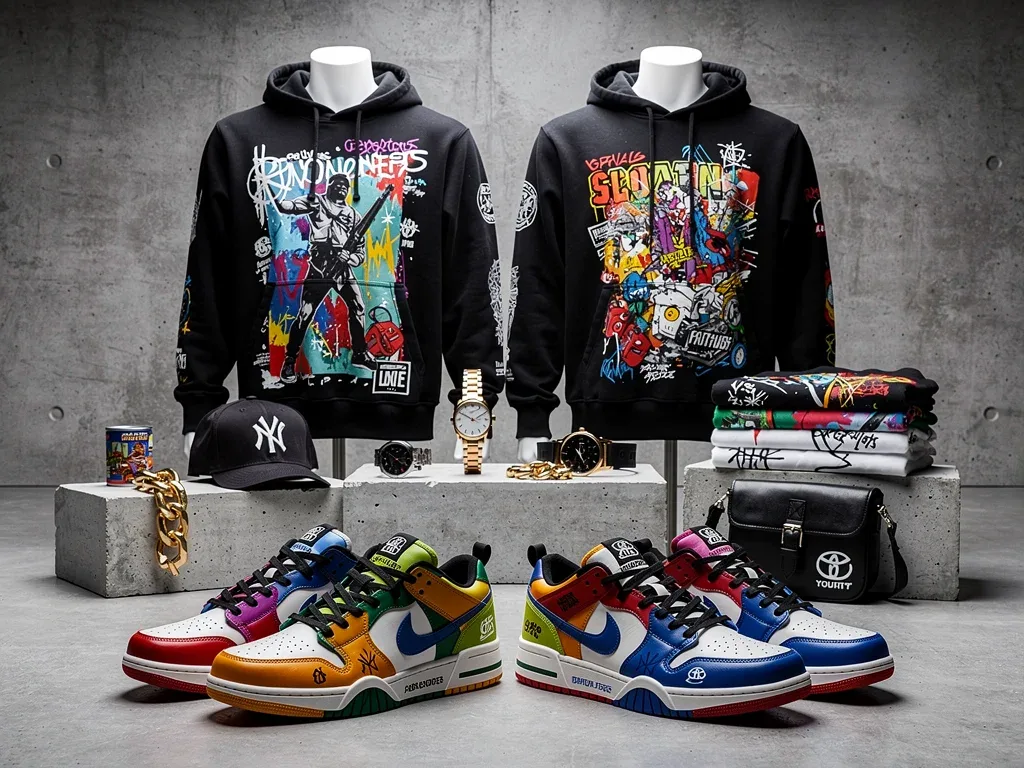
Understanding the evolving dynamics of brand legacy, scarcity, and cultural impact is crucial for identifying which iconic streetwear pieces will retain and appreciate in value by 2026 and beyond, marking them as sound investments.
In the ever-shifting landscape of fashion, few segments have experienced the seismic shifts and exponential growth seen in streetwear. For many, it’s more than just clothing; it’s a cultural movement, an identity, and increasingly, a tangible asset. If you’re pondering Investing in Iconic Streetwear Pieces: What Holds Value in 2026 and Beyond, you’re not alone. The question isn’t just about what looks good today, but what will stand the test of time and appreciate in an increasingly competitive resale market.
The evolving landscape of streetwear as an investment
Streetwear, once a niche subculture rooted in skate, surf, and hip-hop communities, has exploded into a global phenomenon, captivating luxury fashion houses and mainstream consumers alike. This transformation has inadvertently created a robust secondary market where certain pieces command exorbitant prices, often far exceeding their original retail cost. Understanding this evolution is paramount for any potential investor looking to navigate the complexities of what makes a streetwear item a valuable asset rather than just a fleeting trend.
The transition from underground movement to high fashion staple has been driven by a confluence of factors, including celebrity endorsement, strategic collaborations, and the digital age’s ability to amplify hype. This has fostered a culture of exclusivity and scarcity, which are key drivers of value in the resale market. As we approach 2026, these underlying principles will continue to shape the investment potential of streetwear.
Defining ‘iconic’ in streetwear
What truly elevates a streetwear piece to ‘iconic’ status? It’s often a combination of groundbreaking design, cultural significance, and limited availability. An iconic piece isn’t just popular; it’s a touchstone, a symbol of a particular era or movement within the culture. Think of the early Supreme box logo tees or the original BAPE shark hoodies – these weren’t just clothes; they were statements that resonated deeply with a generation.
- Originality: Pieces that introduce novel designs or concepts often become iconic.
- Cultural Impact: Items worn by influential figures or featured in significant cultural moments gain lasting relevance.
- Brand Legacy: Brands with a consistent history of innovation and influence tend to produce iconic pieces.
- Scarcity: Limited production runs or exclusive releases inherently increase desirability and potential value.
Ultimately, the investment appeal of streetwear lies in its narrative. Each iconic piece tells a story of cultural relevance, artistic expression, and sometimes, even rebellion. Investors must look beyond immediate hype and consider the long-term storytelling potential of an item.
Brands that consistently hold and increase value
When it comes to streetwear investment, not all brands are created equal. Certain labels have consistently demonstrated an ability to produce items that not only retain their value but often appreciate significantly over time. These brands have mastered the art of balancing desirability with exclusivity, creating a loyal following and a vibrant resale market. Identifying these key players is a critical step in making informed investment decisions for 2026 and beyond.
The success of these brands often stems from a deep understanding of their audience, a commitment to quality, and an uncanny ability to generate buzz through strategic collaborations and limited drops. Their products are not just fashion items; they are cultural artifacts that symbolize status, belonging, and a discerning taste.
Supreme: The undisputed king of hype
For decades, Supreme has been at the forefront of streetwear culture, establishing a blueprint for hype-driven marketing and scarcity. Their weekly drops, known as ‘Thursday drops,’ often sell out in seconds, fueling a robust secondary market. The brand’s collaborations, ranging from luxury houses like Louis Vuitton to everyday staples like Oreo, consistently generate massive attention and drive up resale prices.
- Box Logo Items: The most sought-after and consistently valuable pieces.
- Collaborations: Partnerships with other iconic brands or artists often yield significant returns.
- Rare Accessories: Unexpected items like brick, tools, or even fire extinguishers with Supreme branding can become highly collectible.
While Supreme’s market may seem saturated to some, the intrinsic value of its most iconic pieces, especially those from earlier collections or particularly significant collaborations, continues to rise. Their cultural impact is undeniable, securing their place as a top-tier investment.
BAPE: A Japanese streetwear powerhouse
A Bathing Ape, or BAPE, has carved out its own unique niche in the streetwear world with its distinctive camouflage patterns, ape head logo, and shark motifs. Founded by Nigo, BAPE’s playful yet edgy aesthetic quickly gained international recognition, particularly in the early 2000s. Its limited production runs and regional exclusivity contributed to its allure and high resale value.
BAPE’s appeal lies in its strong visual identity and its ability to blend Japanese pop culture with American hip-hop influences. Key pieces like the shark hoodie, BAPE STA sneakers, and various camouflage apparel continue to be highly sought after. The brand’s consistent output of fresh designs while staying true to its core aesthetic ensures its enduring relevance.
The impact of collaborations and limited editions
In the world of streetwear, collaborations and limited editions are not just marketing tactics; they are the lifeblood of the secondary market and primary drivers of investment value. These partnerships create a unique synergy, blending the distinct aesthetics and fan bases of two or more entities, resulting in products that often transcend their individual parts. The inherent scarcity of limited-edition drops further amplifies their desirability and, consequently, their resale potential.
Understanding the nuances of successful collaborations is crucial for investors. Not all partnerships yield the same returns, and discerning which ones will resonate with collectors in the long term requires a keen eye for cultural relevance and market dynamics. The most successful collaborations tell a compelling story and often mark a significant moment in fashion or cultural history.
The power of scarcity
Scarcity is perhaps the single most potent factor driving value in the streetwear market. When an item is produced in extremely limited quantities, it immediately becomes a coveted commodity. This artificial scarcity, often orchestrated by brands, creates a sense of urgency and exclusivity that fuels demand far beyond supply. This dynamic is what allows a simple graphic tee to fetch hundreds or even thousands of dollars on the resale market.
- Limited Production Runs: Fewer units mean higher demand and higher prices.
- Exclusive Drops: Region-specific or event-specific releases increase rarity.
- One-off Collaborations: Partnerships that are unlikely to be repeated become instant collector’s items.
Investors should prioritize pieces with verifiable limited production numbers. Documentation, such as original receipts or authentication certificates, can further enhance an item’s value and build trust with potential buyers in the secondary market.
Iconic sneaker collaborations
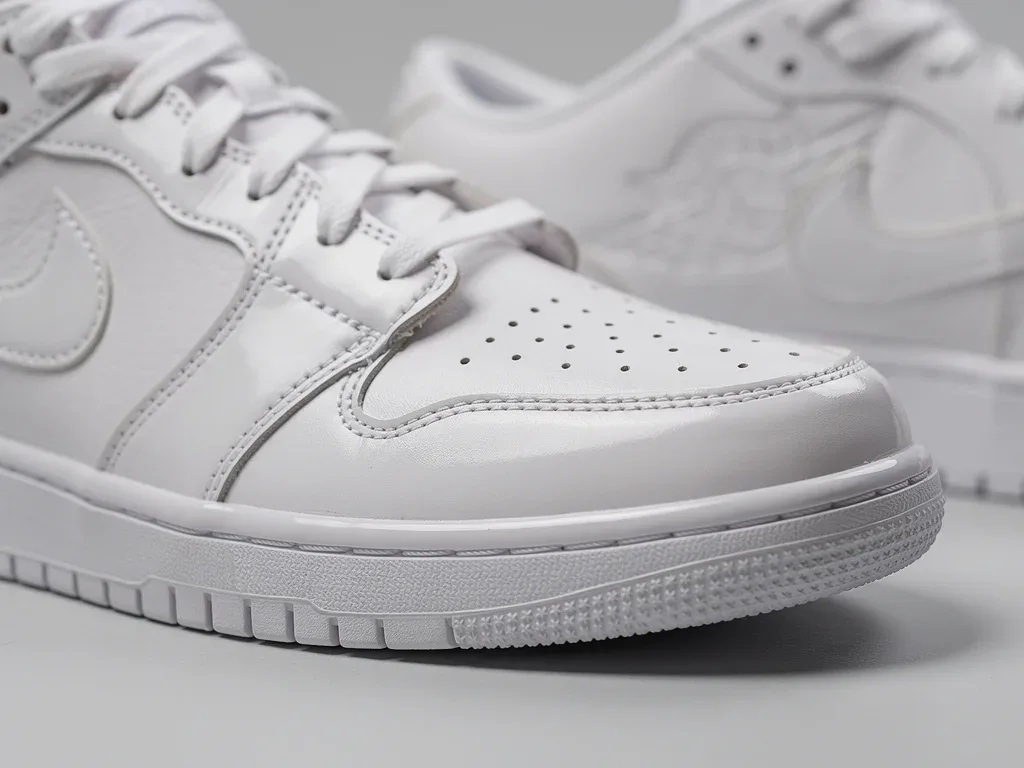
Sneakers are arguably the most prominent category within streetwear when it comes to investment potential. Collaborations between major sportswear brands (Nike, Adidas, New Balance) and influential designers, artists, or streetwear labels consistently produce some of the most valuable items. The combination of design innovation, cultural storytelling, and limited availability makes these sneakers highly sought after.
Consider the impact of the Nike x Off-White ‘The Ten’ collection or the various Yeezy releases with Adidas. These collaborations weren’t just about new shoes; they redefined sneaker culture and set new benchmarks for resale prices. Identifying future collaborations with similar potential requires staying abreast of emerging designers and cultural influencers.
Emerging trends and future value indicators
While established brands and classic collaborations often provide a safe bet for streetwear investment, savvy investors also keep an eye on emerging trends and new brands that show promise for future value appreciation. The streetwear landscape is constantly evolving, with new aesthetics, technologies, and cultural influences shaping its direction. Predicting what will hold value in 2026 and beyond requires a forward-thinking approach and an understanding of underlying societal shifts.
Sustainability, digital fashion, and the increasing influence of global subcultures are all factors that will likely play a significant role in determining future streetwear trends and investment opportunities. Brands that can innovate in these areas while maintaining authenticity are poised for long-term success.
Sustainability and ethical production
As consumer awareness around environmental and social issues grows, brands that prioritize sustainability and ethical production are gaining significant traction. Streetwear consumers, particularly younger generations, are increasingly willing to pay a premium for items that align with their values. This shift suggests that pieces from brands committed to eco-friendly materials, fair labor practices, and transparent supply chains may see increased demand and value in the coming years.
Look for brands that are not just greenwashing but genuinely integrating sustainable practices into their core operations. Collaborations that highlight recycled materials or upcycled designs could become particularly valuable. This trend reflects a broader cultural movement towards conscious consumption.
The rise of digital and metaverse fashion
The advent of the metaverse and the growing interest in digital collectibles (NFTs) present a fascinating new frontier for streetwear. While still in its nascent stages, digital fashion could offer new avenues for investment, with virtual streetwear pieces potentially holding real-world value. Brands that successfully bridge the physical and digital worlds, offering exclusive digital assets alongside physical garments, may create highly desirable and valuable items.
This area is speculative but holds immense potential. Early adopters and innovators in digital streetwear could see significant returns. Understanding intellectual property rights and the underlying blockchain technology will be crucial for navigating this emerging market.
The importance of condition and authenticity
For any collectible, condition is paramount, and streetwear is no exception. The resale value of an iconic piece can be drastically affected by its state of wear, any damage, or modifications. Collectors and investors alike prioritize items that are in pristine, unworn condition, often referred to as ‘deadstock’ or ‘DS.’ Authenticity is equally critical; the proliferation of counterfeit goods in the streetwear market necessitates rigorous verification processes to protect investments.
These two factors form the bedrock of trust in the secondary market. Without assurance of an item’s condition and genuine origin, its investment potential diminishes significantly, regardless of its perceived iconic status or brand.
Maintaining pristine condition
For items intended as investments, preserving their original condition is crucial. This means keeping them unworn, with all original packaging, tags, and accessories intact. Environmental factors like sunlight, humidity, and dust can also degrade materials over time, so proper storage is essential. Collectors often use specialized storage solutions to protect their valuable pieces.
- Deadstock (DS): Unworn, with original tags and packaging, commands the highest prices.
- Proper Storage: Store in cool, dry places away from direct sunlight to prevent degradation.
- Original Packaging: Boxes, dust bags, and tags add to the overall value and authenticity.
Even minor flaws can significantly reduce an item’s resale value, making meticulous care a non-negotiable aspect of streetwear investment.
Navigating the world of authentication
The rise of sophisticated counterfeit operations poses a significant threat to the streetwear resale market. For investors, verifying the authenticity of a piece is a critical step before purchase. Various online platforms and expert authenticators specialize in distinguishing genuine items from fakes. Familiarizing oneself with common tells and verification methods is vital.
Platforms like StockX, GOAT, and The RealReal employ their own authentication processes, offering a layer of security for buyers and sellers. However, even with these services, personal due diligence and a critical eye are always recommended. Understanding the specific details and hallmarks of genuine items from reputable brands is an invaluable skill for any serious streetwear investor.
Market dynamics and investment strategies
Investing in Iconic Streetwear Pieces: What Holds Value in 2026 and Beyond isn’t just about identifying the right pieces; it’s also about understanding the broader market dynamics and employing sound investment strategies. The streetwear market is influenced by a complex interplay of hype cycles, cultural shifts, and economic factors. A successful investor needs to be attuned to these forces and adapt their approach accordingly.
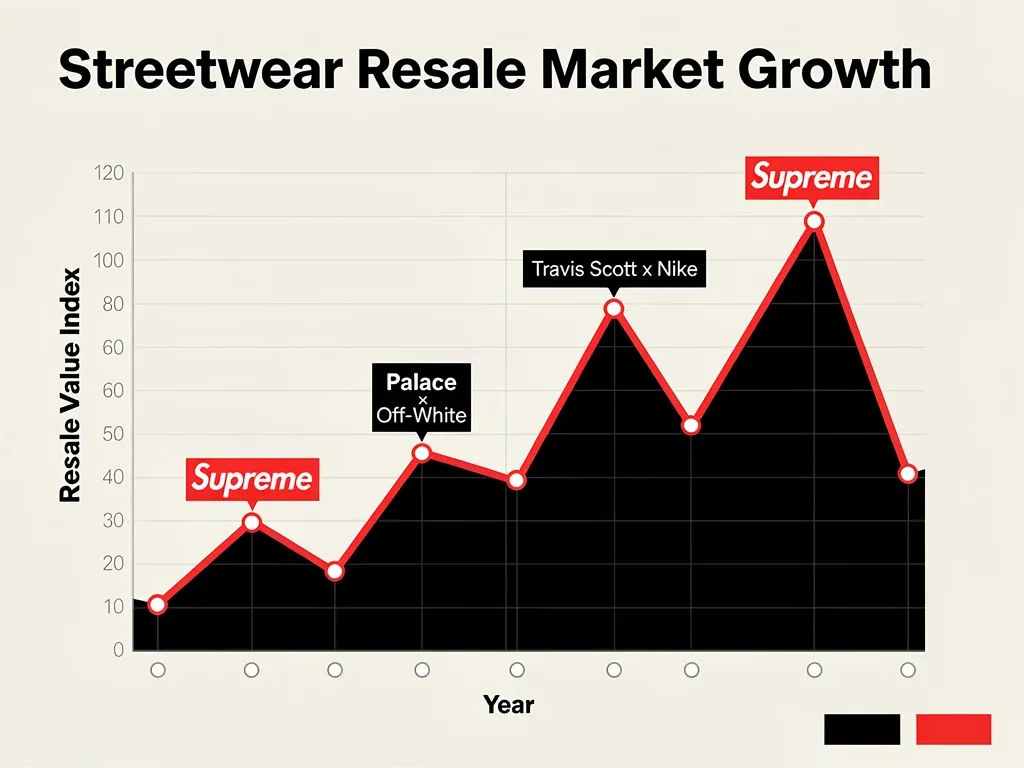
Just like traditional financial markets, the streetwear resale market experiences fluctuations. While some pieces offer stable long-term growth, others might see rapid spikes and subsequent corrections. Diversification and a long-term perspective can help mitigate risks and maximize returns.
Understanding hype cycles and market corrections
Streetwear is heavily driven by hype, which can lead to rapid price appreciation. However, hype cycles are often followed by corrections, where prices stabilize or even decline after an initial surge. Smart investors learn to identify these cycles, potentially buying before a major hype wave or selling at its peak. This requires active monitoring of trends, social media sentiment, and industry news.
For long-term investments, focusing on pieces with enduring cultural significance rather than purely hype-driven items can offer more stability. While short-term gains are possible, true value often emerges from items that transcend fleeting trends.
Diversification and long-term holding
As with any investment portfolio, diversification is key. Instead of putting all your resources into a single brand or type of item, spread your investments across different categories (sneakers, apparel, accessories) and brands. This strategy can help mitigate risks associated with the fluctuating popularity of specific items or labels.
Furthermore, adopting a long-term holding strategy for truly iconic pieces often yields the best returns. While some items might offer quick flips, the most significant appreciation typically occurs over several years, as items become rarer and their historical significance grows. Patience is a virtue in the streetwear investment game.
The role of cultural relevance and narrative
Beyond brand names and limited quantities, the enduring value of streetwear pieces often hinges on their cultural relevance and the narratives they embody. Streetwear is inherently tied to subcultures, music, art, and socio-political movements. Pieces that capture the zeitgeist of a particular moment or represent a significant cultural shift tend to resonate deeply with collectors and maintain their value over time.
As we look towards 2026 and beyond, understanding these deeper cultural currents will be paramount. Brands and pieces that can authentically connect with new generations while retaining their historical significance are likely to be the most resilient investments. It’s about more than just fashion; it’s about owning a piece of cultural history.
Storytelling through design
Every iconic streetwear piece tells a story. Whether it’s a graphic tee commemorating a specific event, a sneaker collaboration celebrating a cultural icon, or a jacket inspired by a subculture, these narratives add layers of meaning and value. Designers who are adept at weaving compelling stories into their creations often produce items that become instant classics.
- Historical Context: Pieces linked to significant cultural or historical moments.
- Artist Collaborations: Items designed by influential artists often carry artistic and cultural weight.
- Subculture Representation: Apparel that authentically represents a specific subculture’s values and aesthetics.
Investors should research the stories behind potential investment pieces. A rich narrative can significantly enhance an item’s desirability and long-term value, appealing to collectors who seek more than just an article of clothing.
Community and legacy building
The most successful streetwear brands have built passionate communities around their products. This sense of belonging and shared identity contributes significantly to an item’s perceived value. A strong community ensures sustained demand and fosters a culture of collecting and appreciation. Brands that continue to engage with and nurture their communities are more likely to create lasting legacies.
Moreover, the legacy of a brand – its consistent influence, innovation, and ability to stay relevant across generations – plays a crucial role. Brands like Stüssy, which have maintained their authenticity and influence for decades, demonstrate how a strong legacy translates into enduring value for their iconic pieces.
| Key Investment Factor | Brief Description |
|---|---|
| Brand Legacy | Established brands like Supreme and BAPE consistently produce high-value items due to their history and cultural impact. |
| Scarcity & Collaborations | Limited editions and strategic partnerships drive demand and increase resale potential significantly. |
| Condition & Authenticity | Pristine, deadstock items with verified authenticity command the highest prices in the secondary market. |
| Cultural Relevance | Items embodying significant cultural narratives or movements retain and appreciate in value over time. |
Frequently asked questions about streetwear investment
Which streetwear brands are considered the safest investments for long-term value?▼Brands with strong legacies and consistent cultural impact, such as Supreme, BAPE, and certain Nike/Adidas collaborations, are generally considered safer long-term investments. Their established demand and limited releases contribute to sustained value.
How important is an item’s condition when investing in streetwear?▼Condition is paramount. ‘Deadstock’ (unworn with original packaging and tags) items command the highest prices. Even minor wear can significantly reduce resale value, making meticulous preservation crucial for investment pieces.
What role do collaborations play in determining streetwear investment value?▼Collaborations are critical drivers of value. They merge brand appeal and exclusivity, creating highly sought-after, limited-edition items. Successful collaborations often become instant collector’s items due to their unique appeal and scarcity.
Are there any emerging trends that could impact future streetwear investment?▼Yes, sustainability and digital fashion (NFTs, metaverse apparel) are emerging trends that could significantly influence future streetwear value. Brands innovating in these areas might see increased demand and appreciation for their unique offerings.
How can I ensure the authenticity of a streetwear item before investing?▼Always purchase from reputable sellers or authenticated platforms like StockX or GOAT. Familiarize yourself with brand-specific authentication tells and, when possible, seek third-party expert verification to avoid counterfeit goods.
Conclusion
Investing in Iconic Streetwear Pieces: What Holds Value in 2026 and Beyond requires a blend of passion, market insight, and strategic planning. The streetwear market, while volatile, offers significant opportunities for those who understand its unique dynamics. By focusing on brands with proven legacies, recognizing the power of scarcity and meaningful collaborations, prioritizing condition and authenticity, and staying attuned to emerging trends, investors can build a portfolio of streetwear items that are not only stylish but also financially rewarding. The future of streetwear as an investment is bright, driven by its enduring cultural relevance and the ever-growing demand for unique, story-rich pieces.