Sports Nutrition for US Basketball: Peak Performance in 2026
Advertisements

Fueling US basketball players for peak performance in 2026 involves advanced sports nutrition strategies, focusing on individualized dietary plans, cutting-edge supplementation, and recovery protocols to optimize athletic potential and minimize injury risk.
As the world anticipates the pinnacle of basketball in 2026, the science behind fueling elite athletes continues to evolve. The Latest in Sports Nutrition: Fueling US Basketball Players for Peak Performance in 2026 is not just about what they eat, but how every morsel and supplement contributes to unparalleled strength, endurance, and rapid recovery. What are the groundbreaking strategies being employed to give US basketball players that critical edge?
The evolving landscape of athlete nutrition
Sports nutrition, once a relatively straightforward field focused on basic caloric intake, has transformed into a highly specialized discipline. For US basketball players aiming for peak performance in 2026, this evolution means moving beyond generic guidelines to embrace precision-based approaches. The modern athlete’s diet is a dynamic blueprint, constantly adjusted to meet the rigorous demands of training, competition, and recovery, reflecting a deep understanding of human physiology and metabolism.
This shift is driven by advancements in scientific research, personalized data analytics, and a greater appreciation for the intricate connection between diet and athletic output. Teams and individual players are now investing heavily in nutritionists, dietitians, and sports scientists who can tailor eating plans to an unprecedented degree of detail. The goal is no longer just to fuel the body, but to optimize every cellular process for maximum efficiency and resilience.
Personalized dietary blueprints
One of the most significant trends in athlete nutrition is the move towards hyper-personalization. Generic meal plans are becoming a relic of the past, replaced by bespoke dietary blueprints crafted after extensive physiological assessment.
- Metabolic testing: Athletes undergo tests to determine their unique metabolic rates and how their bodies utilize different macronutrients.
- Genetic profiling: Understanding genetic predispositions can inform dietary choices, identifying sensitivities or optimal nutrient ratios.
- Gut microbiome analysis: Research shows the gut’s profound impact on performance and recovery, leading to tailored probiotic and prebiotic interventions.
Timing and nutrient synergy
Beyond just what is eaten, when and how nutrients are consumed plays a crucial role. The timing of meals and snacks is meticulously planned around training sessions, games, and recovery periods to maximize energy availability and minimize catabolism. Furthermore, understanding how different nutrients interact—their synergy—allows for more effective meal composition. For example, combining vitamin C with iron enhances absorption, a small detail that can have significant cumulative effects over a season.
The evolving landscape of athlete nutrition underscores a commitment to marginal gains, where every dietary decision is made with the explicit aim of enhancing performance and longevity. This holistic approach ensures that US basketball players are not just well-fed, but optimally fueled for the challenges of 2026.
Macronutrient mastery: beyond the basics
Mastering macronutrients—carbohydrates, proteins, and fats—is foundational to fueling US basketball players for peak performance in 2026. However, the approach has evolved significantly beyond simple caloric counting. It now involves a sophisticated understanding of nutrient quality, timing, and individual needs, recognizing that not all carbs, proteins, or fats are created equal, and their optimal ratios vary widely among athletes.
For basketball players, the demands are unique: explosive power, sustained endurance, rapid recovery, and acute mental focus. This necessitates a dynamic macronutrient strategy that adapts to different phases of training, game days, and off-season periods. The goal is to provide consistent energy, support muscle repair and growth, and facilitate hormonal balance, all while maintaining an ideal body composition.


Carbohydrates: the primary fuel source
Carbohydrates remain the cornerstone of an athlete’s diet, providing the primary energy source for high-intensity activities like basketball. However, the focus has shifted from simply consuming carbs to prioritizing complex, nutrient-dense options and timing their intake strategically.
- Complex carbs: Whole grains, sweet potatoes, fruits, and vegetables provide sustained energy release and essential micronutrients.
- Carb loading strategies: Tailored protocols for pre-game, in-game, and post-game carbohydrate intake to optimize glycogen stores and replenish energy.
- Glycemic index awareness: Understanding how different carbohydrates impact blood sugar levels to prevent energy crashes during play.
Protein: repair, recovery, and growth
Protein is vital for muscle repair, recovery, and growth, critical for basketball players who endure significant muscle breakdown during training and games. The emphasis is on high-quality, bioavailable protein sources distributed throughout the day.
Lean meats, poultry, fish, eggs, dairy, and plant-based proteins like legumes and tofu are integral. Protein timing, particularly post-exercise, is crucial for initiating muscle protein synthesis and accelerating recovery. Athletes are often advised to consume a protein-rich meal or shake within a specific window after intense activity to maximize these benefits. This strategic approach ensures muscles are not only repaired but strengthened, ready for the next challenge.
Fats: essential for health and hormone function
Healthy fats are indispensable for overall health, hormone production, nutrient absorption, and providing a concentrated energy source, especially during lower-intensity, longer-duration activities. The focus is on unsaturated fats and essential fatty acids.
Avocados, nuts, seeds, olive oil, and fatty fish (rich in Omega-3s) are key components. These fats contribute to reducing inflammation, supporting brain function, and maintaining cell membrane integrity, all vital for an athlete’s well-being and performance. While fats are energy-dense, their intake is carefully balanced to avoid excessive caloric intake while still providing crucial physiological support. Macronutrient mastery for US basketball players in 2026 is about a nuanced, individualized approach to these fundamental building blocks, optimizing every aspect of their physical output and recovery.
Hydration and electrolyte balance: the unseen advantage
In the high-stakes world of professional basketball, where every ounce of performance counts, proper hydration and electrolyte balance are often the unseen advantages that separate good players from great ones. For US basketball players gearing up for 2026, understanding and meticulously managing their fluid and electrolyte intake is paramount. Dehydration, even mild, can significantly impair physical and cognitive function, directly impacting court performance, decision-making, and endurance.
The intense nature of basketball, characterized by rapid sprints, jumps, and sustained activity, leads to substantial fluid and electrolyte loss through sweat. Replacing these losses effectively is not just about drinking water; it’s about a strategic approach that considers individual sweat rates, environmental conditions, and the specific demands of training and competition. This proactive management prevents performance dips and reduces the risk of heat-related illnesses and muscle cramps.
Personalized hydration protocols
Just as with macronutrients, hydration is moving towards personalization. Athletes are now undergoing sweat testing to determine their individual sweat rates and electrolyte concentrations.
- Sweat patch analysis: Advanced patches analyze sweat composition to recommend specific fluid and electrolyte replacement strategies.
- Pre-hydration strategies: Ensuring adequate hydration begins hours before training or games, not just during.
- Real-time monitoring: Wearable tech and smart sensors provide continuous data on hydration status, allowing for immediate adjustments.
Electrolytes: more than just salt
While sodium is a critical electrolyte lost in sweat, others like potassium, magnesium, and calcium also play vital roles in muscle function, nerve transmission, and fluid balance. A balanced intake of these electrolytes is essential.
Sports drinks formulated with appropriate electrolyte concentrations are often utilized, but whole food sources such as bananas (potassium), leafy greens (magnesium), and dairy (calcium) are also emphasized. The balance is delicate; too much or too little of any electrolyte can be detrimental. Nutritionists work closely with players to ensure their electrolyte intake is precisely calibrated to their needs, preventing imbalances that could lead to fatigue, muscle cramps, or even more severe health issues. This meticulous attention to hydration and electrolyte balance provides a crucial, often underestimated, edge for US basketball players aiming for peak performance in 2026.
The role of supplementation: strategic and evidence-based
In the highly competitive environment of elite basketball, supplementation plays a strategic role in optimizing performance, enhancing recovery, and addressing specific nutritional gaps. For US basketball players targeting peak performance in 2026, the approach to supplementation is rigorously evidence-based and highly individualized, moving away from a ‘more is better’ mentality towards a precise, targeted strategy. Every supplement introduced into an athlete’s regimen is carefully vetted for efficacy, safety, and compliance with anti-doping regulations, ensuring it contributes positively without risk.
The rationale behind supplementation for these athletes is multi-faceted: to support intense training loads, accelerate recovery from strenuous games, prevent micronutrient deficiencies that could impair function, and provide ergogenic benefits. However, it is always emphasized that supplements are meant to complement an already robust and balanced whole-food diet, not replace it. The foundation remains whole foods, with supplements acting as a finely tuned enhancement.
Key supplements and their applications
A select few supplements have demonstrated consistent efficacy in sports performance and recovery, making them staples in elite athlete programs.
- Creatine: Enhances high-intensity exercise performance, muscle strength, and power, crucial for explosive basketball movements.
- Whey protein: Supports muscle protein synthesis, aiding in repair and growth, especially post-workout.
- Omega-3 fatty acids: Known for their anti-inflammatory properties, assisting in recovery and overall joint health.
- Vitamin D: Critical for bone health, immune function, and muscle function, often supplemented due to insufficient sun exposure.
Safety, quality, and anti-doping compliance
The integrity of an athlete’s career hinges on adherence to anti-doping rules. Therefore, all supplements are sourced from reputable manufacturers that provide third-party testing and certifications (e.g., NSF Certified for Sport, Informed-Sport). This vigilance ensures products are free from banned substances and accurately labeled.
Furthermore, the decision to use any supplement is made in consultation with sports dietitians and medical staff, considering the athlete’s individual health profile, potential interactions, and specific performance goals. This meticulous, evidence-based approach to supplementation ensures that US basketball players leverage these tools safely and effectively, contributing to their peak performance in 2026 without compromising their health or eligibility.
Recovery nutrition: accelerating readiness for the next game
Recovery nutrition is as crucial as pre-game fueling for US basketball players aiming for peak performance in 2026. The intense schedule of training sessions, travel, and games demands a strategic approach to accelerate physical and mental readiness for the next challenge. Without proper nutritional recovery, athletes risk increased fatigue, compromised immune function, elevated injury risk, and diminished performance over time. It’s about more than just replenishing calories; it’s about repairing muscle tissue, restoring glycogen stores, rehydrating, and reducing inflammation efficiently.
The concept of the ‘anabolic window’ post-exercise remains a cornerstone, emphasizing the importance of consuming specific nutrients within a critical timeframe after physical exertion. However, modern recovery strategies extend beyond this immediate window, incorporating sustained nutritional support throughout the entire recovery period, including sleep, to optimize cellular repair and adaptation.
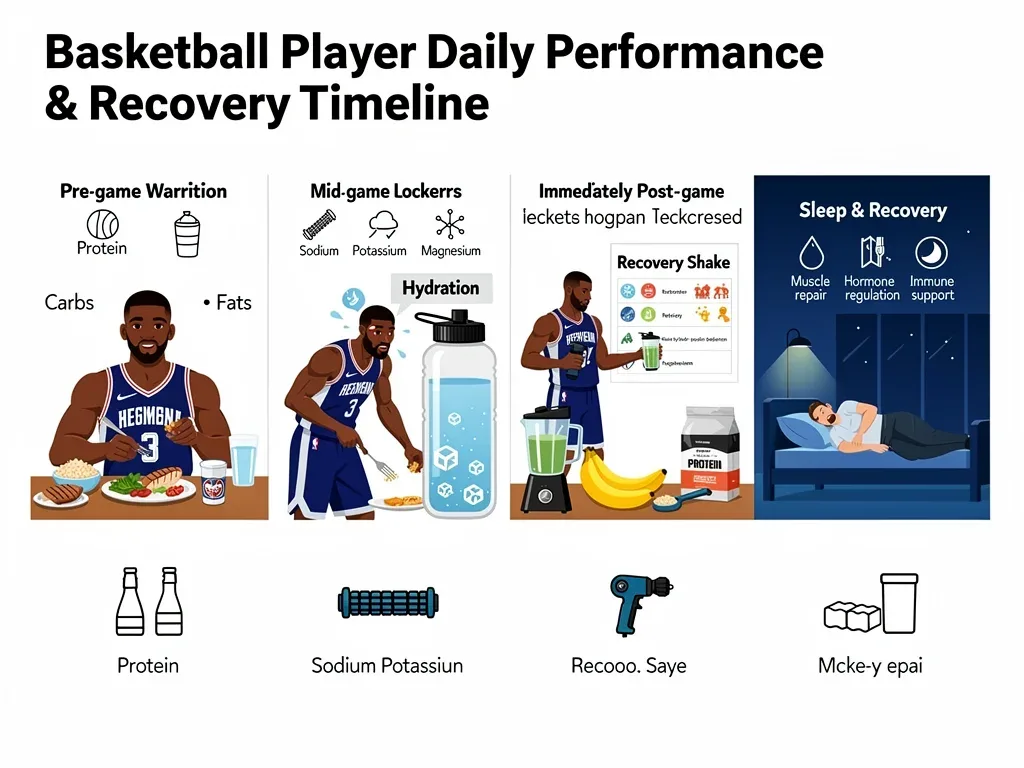

The 3 R’s of recovery nutrition
Effective recovery nutrition can be summarized by three key principles, each addressed with specific dietary strategies.
- Rehydrate: Replenishing fluids and electrolytes lost through sweat is paramount. This involves water, electrolyte-rich beverages, and sometimes sodium-containing snacks.
- Refuel: Restoring muscle glycogen stores depleted during activity. Carbohydrates, especially high-glycemic options, are crucial immediately post-exercise.
- Repair: Providing amino acids for muscle protein synthesis to repair damaged muscle fibers and stimulate growth. High-quality protein sources are essential.
Beyond immediate post-exercise: sustained recovery
While the immediate post-exercise period is critical, recovery is an ongoing process. Continuous nutritional support throughout the day and into the night is vital for optimal adaptation and readiness.
This includes balanced meals rich in anti-inflammatory foods (fruits, vegetables, healthy fats), adequate sleep supported by evening protein intake (e.g., casein protein for slow digestion), and strategic micronutrient replenishment. Athletes might also utilize tart cherry juice for its anti-inflammatory properties or magnesium supplements to aid muscle relaxation and sleep quality. The holistic approach to recovery nutrition ensures that US basketball players are not merely bouncing back but are actively enhancing their resilience and performance capacity for the demanding schedule leading up to and during 2026.
Monitoring and data analytics: precision fueling in action
In the quest for peak performance, modern sports nutrition for US basketball players in 2026 is increasingly driven by data. Monitoring and analytics have become indispensable tools, transforming general nutritional guidelines into precise, actionable strategies. This approach moves beyond subjective observations, leveraging quantitative data to understand an athlete’s unique physiological responses to diet, training, and recovery. The integration of various technologies allows for real-time adjustments and a truly personalized fueling plan, ensuring optimal performance and minimizing the risk of overtraining or under-recovery.
From wearable devices tracking activity levels and sleep patterns to sophisticated blood tests revealing micronutrient status and inflammatory markers, data provides a comprehensive picture of an athlete’s internal state. This enables nutritionists and coaches to make informed decisions, fine-tuning dietary interventions to meet the dynamic demands of an elite basketball player’s life. The era of guesswork is over; precision fueling is here.
Biometric data integration
Advanced biometric monitoring plays a pivotal role in understanding an athlete’s individual needs and responses.
- Blood markers: Regular blood tests assess vitamin and mineral deficiencies, hormone levels, and markers of inflammation or muscle damage.
- Body composition analysis: DEXA scans and other methods track changes in lean muscle mass and body fat, guiding caloric and macronutrient adjustments.
- Sleep tracking: Wearable devices monitor sleep quality and duration, recognizing its profound impact on recovery and hormonal balance.
Performance analytics and feedback loops
Nutritional strategies are constantly evaluated against performance metrics and athlete feedback. This creates a continuous feedback loop, allowing for iterative improvements.
On-court performance data, such as sprint speeds, jump heights, and endurance levels, can be correlated with dietary changes. Athletes also provide subjective feedback on energy levels, mood, and recovery rates. This combination of objective data and subjective experience ensures that nutritional plans are not only scientifically sound but also practical and effective for the individual player. By harnessing the power of monitoring and data analytics, US basketball players can achieve an unprecedented level of precision in their fueling, paving the way for sustained peak performance in 2026.
Future trends in basketball nutrition: innovation on the horizon
As 2026 approaches, the field of sports nutrition for US basketball players is not static; it’s a dynamic arena of innovation. Future trends promise even more sophisticated and integrated approaches, pushing the boundaries of what’s possible in athlete fueling. These advancements will likely focus on even greater personalization, leveraging emerging technologies, and a deeper understanding of human biology to unlock new levels of performance and resilience. The goal remains the same: to provide every possible advantage to elite athletes, ensuring they are not only physically prepared but also mentally sharp and optimally recovered.
The integration of artificial intelligence (AI) and machine learning is poised to revolutionize how nutritional data is analyzed and translated into actionable plans. This will enable predictive modeling for individual needs, preempting deficiencies or performance plateaus before they occur. Furthermore, a growing emphasis on sustainability and ethical sourcing of nutrients will shape dietary choices, aligning athlete well-being with global environmental responsibility.
Nutrigenomics and personalized supplementation
The understanding of how an individual’s genes interact with nutrients (nutrigenomics) will become even more refined.
- Gene-based dietary recommendations: Diets tailored not just to metabolic rate, but to specific genetic markers influencing nutrient absorption and metabolism.
- Advanced bio-markers: Continuous monitoring of a wider range of bio-markers to provide hyper-personalized supplement recommendations.
- CRISPR technology: While still nascent, gene editing could potentially optimize nutrient pathways in the distant future, though ethical considerations are paramount.
The gut-brain axis and cognitive performance
Emerging research into the gut-brain axis suggests a profound connection between gut health and cognitive function, an area of increasing focus for basketball players who require acute decision-making skills.
Future nutritional strategies will likely place a greater emphasis on optimizing the gut microbiome through specific prebiotics, probiotics, and fermented foods, not just for physical health but also for enhanced mental clarity, focus, and stress resilience. This holistic view recognizes that peak performance encompasses both physical prowess and cognitive sharpness. The integration of these future trends promises a truly transformative approach to fueling US basketball players, ensuring they are at the forefront of athletic excellence in 2026 and beyond.
| Key Aspect | Brief Description |
|---|---|
| Personalized Nutrition | Tailoring diets based on metabolic, genetic, and gut microbiome analysis for individual athletes. |
| Strategic Supplementation | Evidence-based use of supplements like creatine and Omega-3s, ensuring safety and anti-doping compliance. |
| Recovery Focus | Emphasis on rehydration, refueling, and muscle repair through timed nutrient intake and anti-inflammatory foods. |
| Data-Driven Fueling | Utilizing biometrics and performance analytics for real-time nutritional adjustments and optimization. |
Frequently asked questions about basketball nutrition
What is the most crucial macronutrient for basketball players?▼Carbohydrates are generally considered the most crucial macronutrient for basketball players. They serve as the primary fuel source for high-intensity, explosive movements and sustained endurance required during games and training. Proper carbohydrate intake ensures adequate glycogen stores, preventing fatigue and maintaining performance levels.
How important is hydration during a basketball game?▼Hydration is extremely important during a basketball game. Even slight dehydration can impair cognitive function, reduce endurance, and increase the risk of muscle cramps. Players need to strategically replenish fluids and electrolytes before, during, and after games to maintain peak physical and mental performance.
Are supplements necessary for elite basketball players?▼While a balanced diet is the foundation, supplements can play a strategic, evidence-based role for elite basketball players. They can help optimize performance, enhance recovery, and address specific nutritional gaps that are hard to meet through diet alone. However, they must be carefully vetted for safety and anti-doping compliance.
How has personalized nutrition changed athlete fueling?▼Personalized nutrition has revolutionized athlete fueling by moving away from generic plans. It tailors diets based on individual metabolic rates, genetic profiles, and even gut microbiome analysis. This precision ensures that each athlete receives the exact nutrients they need, when they need them, optimizing their unique physiological responses.
What is recovery nutrition and why is it vital?▼Recovery nutrition focuses on strategically consuming nutrients post-exercise to accelerate physical and mental readiness for the next challenge. It’s vital for repairing muscle tissue, restoring glycogen stores, rehydrating, and reducing inflammation. Effective recovery prevents fatigue, minimizes injury risk, and sustains high-level performance over a season.
Conclusion
The journey toward peak performance for US basketball players in 2026 is intricately linked to a sophisticated and evolving understanding of sports nutrition. From hyper-personalized dietary blueprints to strategic supplementation and data-driven recovery protocols, every aspect of an athlete’s intake is meticulously managed to optimize their physical and mental capabilities. The integration of advanced scientific research, cutting-edge technology, and a holistic approach ensures that these elite athletes are not merely fueled, but truly empowered to excel on the global stage. As the future unfolds, the innovations in sports nutrition will continue to provide the critical edge, making the difference between good and championship-level performance, ultimately shaping the next generation of basketball legends.