Arena Technology Upgrades: 2026 Fan Experience Soars 25%
Advertisements
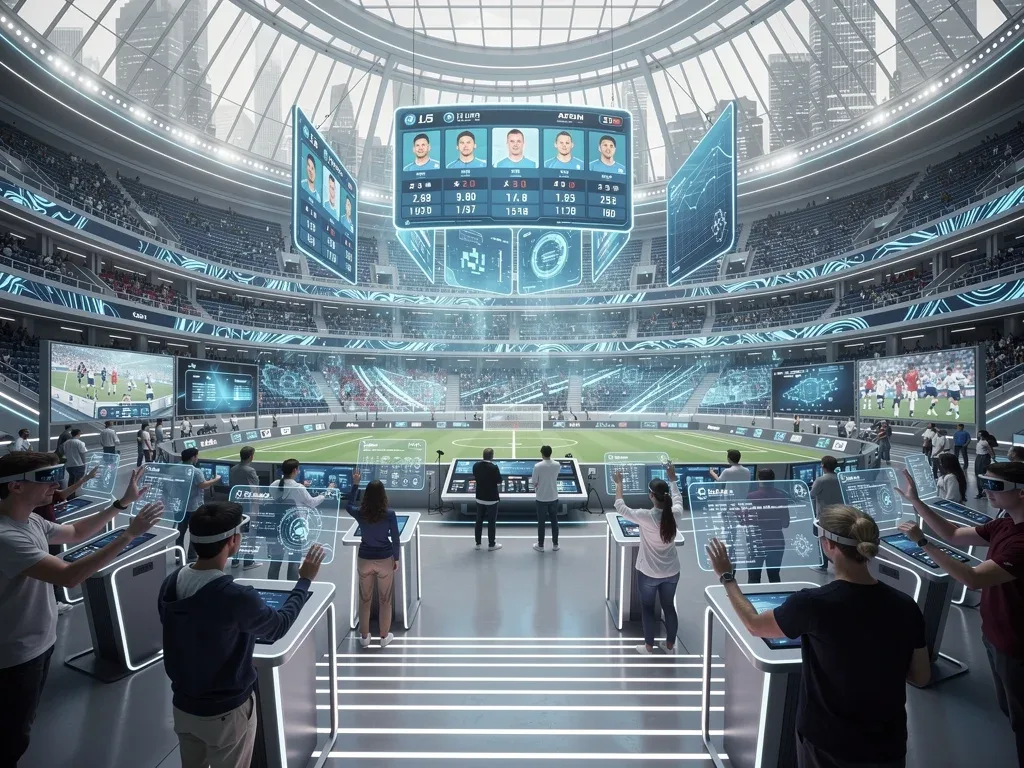
Arena technology upgrades in 2026 are significantly enhancing the fan experience, driven by substantial investments that promise a 25% increase in engagement through advanced features and immersive environments.
The landscape of live sports and entertainment is undergoing a profound transformation, with arena technology upgrades leading the charge. As we look towards 2026, a significant surge in investment is not just about keeping pace; it’s about fundamentally redefining what it means to be a fan, projecting a remarkable 25% increase in fan experience features. This evolution promises more immersive, interactive, and personalized engagements, ensuring every visit to a venue is unforgettable.
The Dawn of Immersive Fan Experiences
The drive to enhance fan engagement is at the heart of every major arena’s strategic planning. In 2026, we are witnessing a pivotal shift from passive spectatorship to active participation, largely fueled by cutting-edge technological integrations. These advancements are not merely cosmetic; they are structural changes designed to create a deeper connection between fans and the live event, making every moment inside the venue a highlight.
Venues are recognizing that today’s audience demands more than just a good view of the action. They crave interaction, personalization, and a sense of belonging that traditional setups simply cannot provide. This has led to a concerted effort to weave technology into the very fabric of the arena experience, from entry gates to concession stands, and crucially, within the seating bowl itself.
Augmented Reality: Bringing the Game to Life
- Real-time Stats Overlays: Fans can point their smartphones or AR glasses at the court or stage to see live player statistics, performance metrics, or artist information overlaid directly onto their view.
- Interactive Replays: Instant replays viewable from multiple angles, allowing fans to become their own directors and dissect critical moments with unprecedented detail.
- Virtual Venue Navigation: AR guides helping attendees find their seats, restrooms, or nearest food vendors with ease, reducing friction and enhancing convenience.
The integration of augmented reality (AR) is perhaps one of the most exciting developments. Imagine attending a basketball game and, through your AR glasses, seeing a player’s shooting percentage pop up as they prepare for a free throw, or a holographic replay of a spectacular dunk right in front of your eyes. This isn’t science fiction; it’s rapidly becoming the standard, transforming how fans consume content and interact with their surroundings.
Beyond the visual spectacles, AR also plays a practical role. Navigating large arenas can often be a challenge, but with AR-powered wayfinding, fans can easily locate their seats, the nearest restrooms, or their favorite concession stands. This blend of entertainment and utility underscores the comprehensive approach being taken to elevate the fan journey. The goal is to eliminate any potential frustrations and maximize the enjoyment of the event.
Hyper-Connectivity: The Backbone of Modern Arenas
A truly immersive fan experience hinges on robust and ubiquitous connectivity. Without a seamless network, even the most innovative applications would falter. Therefore, a significant portion of the 2026 investments in arena technology upgrades is dedicated to fortifying the digital infrastructure, ensuring that every fan has access to high-speed, reliable internet throughout their visit.
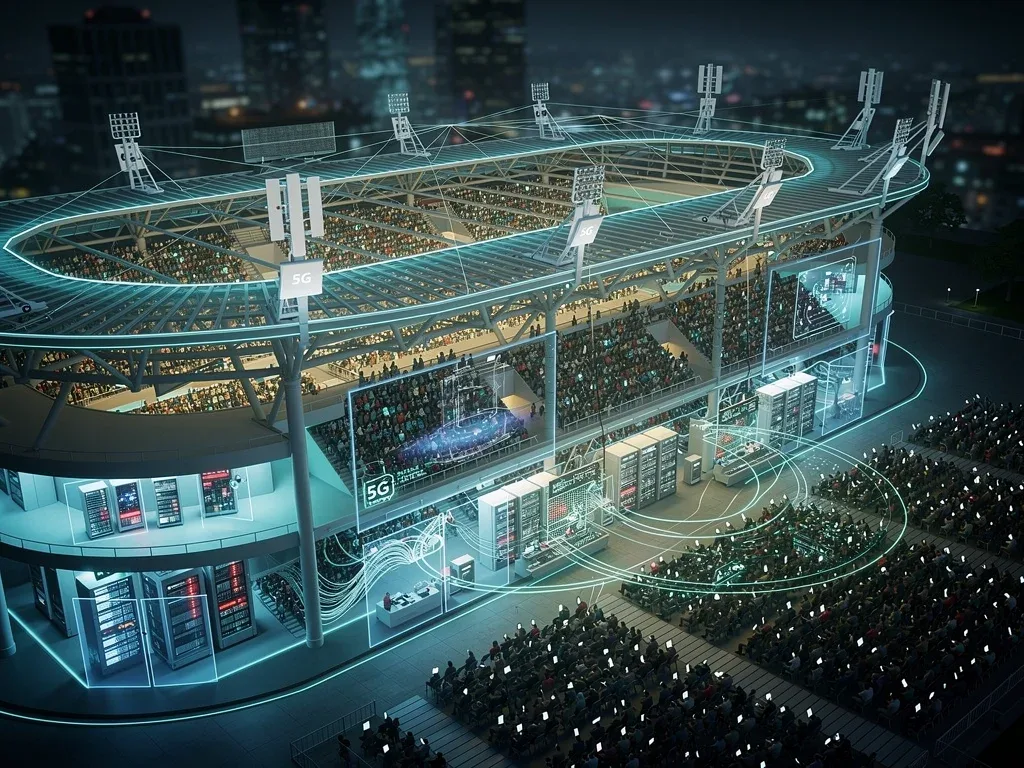
The sheer volume of data generated and consumed by thousands of fans simultaneously requires a network capable of exceptional bandwidth and low latency. This is where technologies like 5G and Wi-Fi 6 come into play, providing the necessary foundation for the advanced features that define the modern arena experience.
5G and Wi-Fi 6: Powering the Future
- Unprecedented Speed: Enabling rapid downloads, smooth streaming, and instantaneous interactions for all attendees, regardless of the crowd size.
- Low Latency: Crucial for real-time applications like AR overlays, interactive betting, and instant polling, ensuring a responsive user experience.
- Enhanced Capacity: Designed to handle thousands of concurrent connections without degradation in performance, preventing network congestion.
The deployment of 5G networks within arenas is a game-changer. Its superior speed and low latency are critical for supporting the myriad of interactive applications that fans now expect. From streaming high-definition content to participating in real-time polls or even engaging in interactive gaming, 5G ensures that these experiences are fluid and uninterrupted. Wi-Fi 6 complements this by offering enhanced capacity and efficiency, particularly in dense environments where many devices compete for connectivity.
Beyond fan-facing applications, this hyper-connectivity also supports operational efficiencies. Staff can communicate more effectively, security systems can transmit data in real-time, and concession operations can process payments faster. This integrated approach demonstrates how technology investments create a ripple effect, improving not just the fan experience but the overall functionality of the venue. The reliability of these networks is paramount for maintaining a high standard of service and satisfaction.
Personalization at Scale: Tailoring Every Visit
One of the most significant advancements in arena technology is the move towards hyper-personalization. No longer are fans treated as a monolithic group; instead, venues are leveraging data and AI to tailor experiences to individual preferences. This bespoke approach ensures that each visitor feels uniquely catered to, fostering a deeper sense of loyalty and enjoyment.
From customized content delivery to preferential offers, personalization is becoming a cornerstone of the modern fan experience. This requires sophisticated data analytics platforms that can process vast amounts of information and translate it into actionable insights, all while respecting privacy and data security.
AI-Driven Customization
Artificial intelligence (AI) is at the forefront of this personalization revolution. AI algorithms analyze fan behavior, purchase history, and stated preferences to deliver highly relevant content and offers. For example, a fan who frequently buys team merchandise might receive exclusive discounts on new arrivals, while another who prefers specific food items could get alerts when those items are available nearby.
Beyond commerce, AI can also personalize the in-game experience. Imagine an app that highlights replays featuring your favorite player, or provides statistics tailored to your fantasy league team. This level of detail transforms a generic event into a highly individualized journey, making each visit feel unique and special. The goal is to anticipate fan needs and desires, providing them with exactly what they want, often before they even realize they want it.
The true power of AI in personalization lies in its ability to adapt and learn. As fans interact more with venue technologies, the AI systems become more adept at understanding their preferences, leading to even more refined and effective customization over time. This continuous improvement loop ensures that the personalized experience remains fresh and relevant, encouraging repeat visits and stronger fan engagement. Data privacy and ethical AI use are critical considerations in this evolving landscape.
Seamless Operations: The Unseen Enhancements
While much of the focus on arena technology upgrades centers on fan-facing innovations, a substantial portion of the 2026 investments is directed towards backend systems that streamline operations and enhance efficiency. These unseen enhancements are crucial for ensuring a smooth and enjoyable experience for attendees, minimizing friction points and maximizing comfort.
From advanced security measures to intelligent concession management, operational technologies play a vital role in the overall fan journey. When these systems work flawlessly, fans can focus entirely on the event itself, free from logistical worries or delays. The aim is to create an environment where everything functions effortlessly, contributing to a premium experience.
Smart Security and Entry Systems
- Biometric Ticketing: Faster and more secure entry processes using facial recognition or fingerprint scanning, significantly reducing wait times.
- AI-Powered Surveillance: Advanced camera systems with AI analytics to detect potential security threats, manage crowd flow, and respond quickly to incidents.
- Digital Wayfinding: Interactive kiosks and mobile apps providing real-time guidance, helping fans navigate the venue efficiently and safely.
Smart security and entry systems are paramount in today’s world. Biometric ticketing, for instance, allows for faster and more secure entry, reducing queues and enhancing the initial impression of the venue. AI-powered surveillance systems can monitor crowd movements, identify potential issues, and dispatch staff more efficiently, ensuring a safer environment for everyone. These technologies work in concert to create a robust security perimeter that is both effective and unobtrusive.
Beyond security, operational upgrades extend to every aspect of venue management. Intelligent building systems can optimize energy consumption, predictive maintenance can prevent equipment failures, and integrated communication platforms can enhance coordination among staff. These efficiencies not only improve the fan experience but also contribute to the sustainability and profitability of the arena. The integration of these systems is complex but yields significant returns in terms of operational excellence.
Interactive Engagement Zones: Beyond the Seats
Modern arenas are evolving beyond mere seating bowls to become multi-faceted entertainment complexes, featuring interactive engagement zones that offer diverse experiences before, during, and after events. These zones are a direct result of the increased investment in arena technology upgrades, providing fans with opportunities to interact with the brand, the sport, and each other in novel ways.
These areas are designed to extend the fan journey, offering more than just the main event. They create communal spaces where technology facilitates connection and entertainment, adding significant value to the overall visit. From gaming lounges to virtual reality experiences, these zones cater to a wide range of interests and demographics.
Virtual Reality and Gaming Lounges
Virtual reality (VR) experiences are becoming a prominent feature in these interactive zones. Fans can step into a VR simulation that puts them on the court with their favorite players, or allows them to experience a historical moment from the team’s past. These immersive simulations offer a unique perspective and a deeper connection to the sport, creating memorable moments that extend beyond the live action.
Gaming lounges, equipped with the latest consoles and esports setups, provide another avenue for engagement. Fans can compete against each other, participate in tournaments, or simply relax and play their favorite games. These spaces appeal particularly to younger demographics and help to foster a sense of community among attendees, offering an alternative form of entertainment within the venue.
These engagement zones are not just about entertainment; they are also powerful marketing tools. They allow sponsors to connect with fans in innovative ways, offering branded experiences that are both fun and memorable. The data collected from interactions within these zones can also provide valuable insights into fan preferences, further informing future technological investments and personalization efforts. The goal is to create a dynamic ecosystem where technology enhances every facet of the fan’s visit.
Sustainability and Efficiency: Green Tech in Arenas
As arena technology upgrades continue to advance, there’s a growing emphasis on integrating sustainable practices and energy-efficient solutions. The 2026 investments reflect a commitment not only to enhancing the fan experience but also to reducing the environmental footprint of large-scale venues. This focus on green technology aligns with broader societal values and offers long-term operational benefits.
Modern arenas are becoming showcases for cutting-edge environmental technologies, demonstrating that large venues can operate responsibly while still delivering world-class entertainment. This includes everything from renewable energy sources to advanced waste management systems, all working in concert to create a more sustainable future.
Eco-Friendly Innovations
- Renewable Energy Integration: Solar panels, wind turbines, and geothermal systems providing a significant portion of the arena’s power, reducing reliance on fossil fuels.
- Smart HVAC Systems: AI-powered heating, ventilation, and air conditioning (HVAC) systems that optimize energy consumption based on occupancy and external weather conditions.
- Water Conservation Technologies: Rainwater harvesting, graywater recycling, and low-flow fixtures to minimize water usage throughout the venue.
One of the most impactful areas of green tech is renewable energy. Many new and upgraded arenas are incorporating solar panels, and in some cases, even small wind turbines or geothermal systems, to generate a portion of their own electricity. This not only reduces operational costs but also significantly lowers carbon emissions, positioning these venues as leaders in environmental stewardship.
Furthermore, smart building management systems play a crucial role in efficiency. These systems use sensors and AI to monitor and control lighting, temperature, and ventilation, ensuring that energy is only consumed when and where it is needed. This intelligent approach can lead to substantial energy savings, contributing to both environmental sustainability and financial viability. The integration of these technologies is a testament to a holistic vision for the future of arena design and operation.
Waste management is another critical aspect. Advanced recycling programs, composting initiatives, and even partnerships with local food banks to donate unused food are becoming standard practice. The goal is to achieve near-zero waste, demonstrating a comprehensive commitment to sustainability. These efforts resonate strongly with environmentally conscious fans and enhance the venue’s reputation as a responsible corporate citizen, showcasing the broader impact of arena technology upgrades.
| Key Technology | Fan Experience Impact |
|---|---|
| Augmented Reality (AR) | Offers real-time stats, interactive replays, and virtual navigation for immersive engagement. |
| 5G & Wi-Fi 6 Networks | Ensures ultra-fast, reliable connectivity for all digital fan interactions and applications. |
| AI-Driven Personalization | Tailors content, offers, and in-game experiences to individual fan preferences. |
| Interactive Engagement Zones | Provides VR simulations, gaming lounges, and social spaces to extend the event experience. |
Frequently Asked Questions About Arena Technology Upgrades
How are arena technology upgrades specifically improving fan engagement?▼Arena technology upgrades enhance engagement through immersive features like augmented reality for real-time stats, personalized content delivery via AI, and robust 5G connectivity enabling interactive applications. These innovations create a more dynamic and tailored experience for every attendee, fostering deeper connection with the event.
What role does 5G play in the modern arena experience?▼5G is crucial for modern arenas, providing the high-speed and low-latency connectivity necessary for advanced fan experiences. It supports real-time AR applications, seamless content streaming, and thousands of concurrent connections, ensuring that digital interactions are fluid and uninterrupted for all attendees.
Are these technology investments also focusing on sustainability?▼Yes, a significant portion of arena technology investments is dedicated to sustainability. This includes integrating renewable energy sources like solar panels, implementing smart HVAC systems for energy efficiency, and adopting advanced water conservation and waste management technologies to reduce the environmental footprint of venues.
How does AI personalize the fan experience in arenas?▼AI personalizes the fan experience by analyzing individual preferences, purchase history, and behavior to deliver customized content, exclusive offers, and tailored information. This ensures that each fan receives relevant updates and promotions, making their visit feel unique and enhancing their overall satisfaction with the event.
What are interactive engagement zones, and how do they benefit fans?▼Interactive engagement zones are dedicated areas within arenas offering diverse experiences beyond the main event, such as VR simulations, gaming lounges, and social spaces. They benefit fans by extending the entertainment journey, fostering community, and providing unique opportunities to interact with the sport and brand.
Conclusion
The substantial investments in arena technology upgrades leading into 2026 are unequivocally reshaping the fan experience, driving a projected 25% increase in engagement features. From the immersive spectacles offered by augmented reality and virtual reality to the hyper-personalized interactions fueled by AI, every facet of the venue visit is being meticulously enhanced. Coupled with robust hyper-connectivity via 5G and Wi-Fi 6, and a strong commitment to sustainability through green technologies, modern arenas are transforming into dynamic, interactive, and environmentally responsible entertainment hubs. This evolution not only deepens the connection between fans and live events but also sets a new benchmark for what constitutes a truly unforgettable experience, solidifying the future of live sports and entertainment.