Athlete Burnout: Preventing Overtraining in US Basketball by 2026
Advertisements
Understanding athlete burnout is paramount for US basketball, focusing on identifying overtraining signs and implementing proactive strategies to safeguard player health and career longevity by 2026.
The relentless pursuit of excellence in US basketball, from youth leagues to the professional courts, often pushes athletes to their physical and mental limits. This intense environment, while fostering talent, also significantly increases the risk of athlete burnout prevention and overtraining, a critical issue demanding attention as we approach 2026. How can we ensure the well-being and sustained performance of our basketball stars?
Defining Athlete Burnout and Overtraining
Athlete burnout and overtraining are often used interchangeably, but they represent distinct yet interconnected challenges in sports. Understanding their nuances is the first step toward effective prevention and management. Both phenomena stem from an imbalance between training demands and recovery, but their manifestations and impacts differ significantly.
Overtraining typically refers to a physiological state resulting from excessive physical load without adequate rest. It’s characterized by a decline in performance despite continued or increased training, often accompanied by physical symptoms. Burnout, on the other hand, is a more complex psychological and emotional syndrome, though it frequently co-occurs with overtraining. It involves emotional and physical exhaustion, reduced sense of accomplishment, and sport devaluation.
The physiological toll of overtraining
When athletes push their bodies beyond their capacity for recovery, a cascade of physiological changes can occur. This includes hormonal imbalances, suppressed immune function, and chronic fatigue. The body, constantly in a state of stress, struggles to adapt and rebuild, leading to a plateau or even a regression in performance. Coaches and medical staff must be vigilant in monitoring these physical markers.
- Decreased performance in training and competition.
- Persistent muscle soreness and joint pain.
- Increased susceptibility to illness and injury.
- Sleep disturbances and chronic fatigue.
The psychological landscape of burnout
Burnout extends beyond the physical, deeply affecting an athlete’s mental and emotional state. The joy and passion for the sport diminish, replaced by feelings of dread and apathy. This psychological burden can be far more debilitating than physical fatigue, often leading to athletes abandoning their sport altogether. Recognizing these emotional shifts is crucial for early intervention.
Ultimately, both overtraining and burnout jeopardize an athlete’s career and overall well-being. A holistic approach that addresses both the physical demands and the psychological pressures is essential for fostering a sustainable and healthy athletic environment in US basketball. By clearly defining these conditions, we can develop more targeted and effective interventions.
Identifying Early Warning Signs in Basketball Players
Early detection is paramount in preventing athlete burnout from escalating into a career-threatening issue. In the fast-paced world of US basketball, where pressure to perform is immense, subtle changes in an athlete’s behavior, performance, and mood can be critical indicators. Coaches, trainers, and teammates need to be attuned to these signs, understanding that they often manifest differently in each individual.
Physical symptoms, though often the most obvious, are just one piece of the puzzle. A player might experience prolonged fatigue, even after rest, or a noticeable drop in their usual energy levels. Performance plateaus or declines, despite consistent effort, are also red flags. However, the psychological and emotional signs can be more insidious and require a deeper understanding of the athlete.
Behavioral and emotional indicators
Changes in an athlete’s demeanor are often the first psychological signs of impending burnout. A previously enthusiastic player might become withdrawn, irritable, or unusually quiet. Their engagement in team activities might wane, and they may express a loss of enjoyment in practices or games. These shifts are not merely ‘bad days’ but potential cries for help.
- Increased irritability or mood swings.
- Loss of motivation or enthusiasm for basketball.
- Social withdrawal from teammates or coaches.
- Expressed feelings of hopelessness or helplessness.
Performance and training red flags
While physical performance decline is a hallmark of overtraining, it can also signal burnout. Athletes might struggle with skills they once mastered easily, or their decision-making on the court might become impaired. Beyond the game itself, a lack of adherence to training protocols or a general disinterest in improving can be significant indicators. It’s not just about what they can’t do, but also what they no longer want to do.
Recognizing these early warning signs requires a culture of open communication and trust within basketball teams. Athletes must feel safe to express their struggles without fear of judgment or losing their spot. Regular check-ins, both formal and informal, can create opportunities for these issues to surface before they become critical. By being proactive and empathetic, we can better protect our basketball players from the devastating effects of burnout.
The Impact of Overtraining on US Basketball Performance
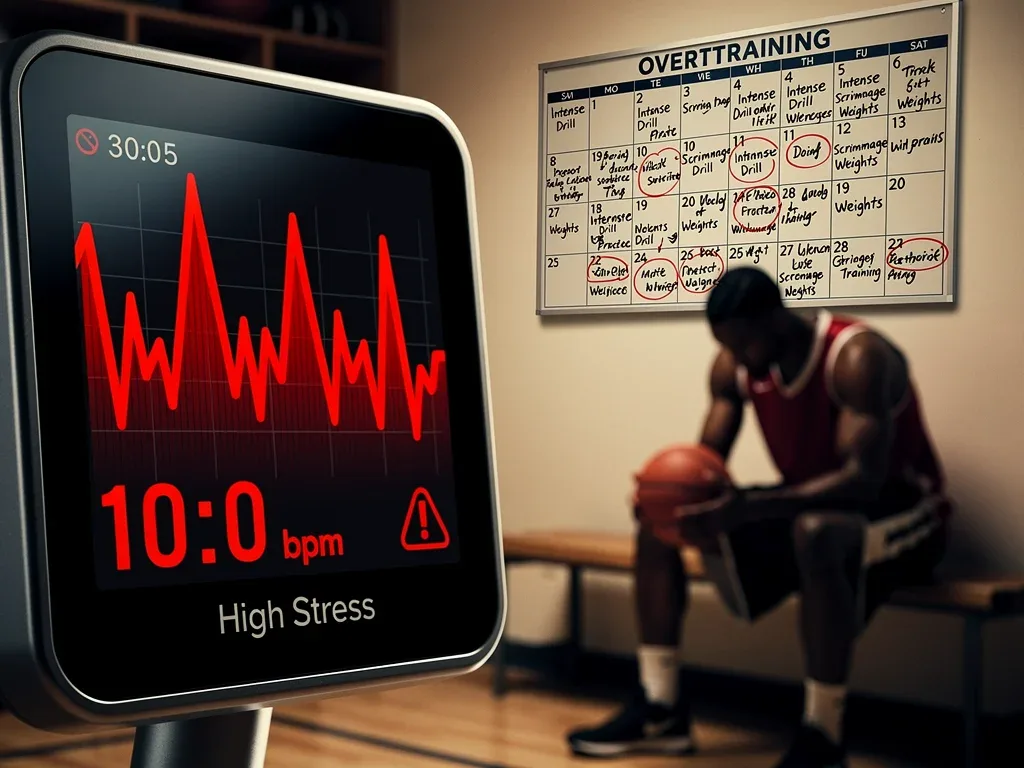
Overtraining, left unchecked, can severely compromise the performance of US basketball players, impacting not only individual careers but also team success and the overall competitive landscape. The drive to be the best often pushes athletes to train beyond their limits, inadvertently leading to a decline in the very performance they strive to enhance. This paradox is a constant challenge for coaches and sports scientists.
Physically, overtraining directly translates to decreased power, speed, and endurance on the court. Athletes might find their jump shot lacking its usual crispness, their defensive quickness diminished, or their ability to play extended minutes severely hampered. These physical decrements are often accompanied by an increased risk of injury, as fatigued muscles and joints are more vulnerable to strain and tears.
Physical performance degradation
The human body has a finite capacity for adaptation. When training loads consistently exceed recovery capacity, the body enters a state of maladaptation. This results in a breakdown of muscle tissue, depletion of energy stores, and a compromised nervous system. For a basketball player, this means slower reaction times, reduced vertical leap, and a general feeling of sluggishness that can be devastating in a game decided by fractions of a second.
- Reduced explosive power and vertical jump.
- Slower sprint times and decreased agility.
- Impaired shooting accuracy and ball-handling skills.
- Increased incidence of overuse injuries like tendinitis or stress fractures.
Cognitive and tactical decline
Beyond the physical, overtraining also affects an athlete’s cognitive functions and tactical decision-making. Fatigue can cloud judgment, leading to poor choices on the court, missed assignments, and an inability to adapt to changing game situations. The mental sharpness required for complex basketball strategies is dulled, making it harder for players to execute plays or anticipate opponents’ moves.
The cumulative effect of these physical and mental declines can be catastrophic for a basketball player’s career. It can lead to prolonged periods on the sidelines, loss of starting positions, and even premature retirement. For teams, a roster plagued by overtraining issues can suffer from inconsistent performance, reduced competitiveness, and a higher turnover rate. Addressing overtraining is not just about individual welfare; it’s about safeguarding the future of US basketball.
Implementing Effective Prevention Strategies by 2026
To effectively combat athlete burnout and overtraining in US basketball by 2026, a multi-faceted and proactive approach is essential. This involves not just adjusting training regimens but also fostering a supportive environment that prioritizes athlete well-being over relentless pursuit of victory. The goal is to create sustainable careers and healthy individuals, ensuring the longevity and quality of talent in the sport.
One of the most critical strategies involves individualized training programs. Recognizing that each athlete responds differently to training loads, coaches must move away from a one-size-fits-all approach. This requires careful monitoring of physiological markers, performance data, and subjective feedback from players. Technology plays a significant role here, offering insights into recovery status and readiness to train.
Individualized load management
Load management is no longer just a buzzword; it’s a scientific necessity. Tailoring training volume and intensity based on an athlete’s current physical and mental state can prevent the accumulation of fatigue that leads to overtraining. This includes strategic rest days, reduced practice times, and varying the types of drills to avoid monotonous stress on the same muscle groups. The focus shifts from ‘more is better’ to ‘smarter is better.’
- Utilizing wearable technology for biometric data (heart rate variability, sleep quality).
- Implementing periodization models that cycle through high-intensity and recovery phases.
- Regular communication with athletes about their perceived exertion and recovery levels.
- Adjusting travel schedules and game frequency where possible to maximize rest.
Prioritizing mental health and psychological support
Burnout is as much a mental battle as it is physical. Providing robust psychological support is non-negotiable. This includes access to sports psychologists, counselors, and mental performance coaches who can equip athletes with coping mechanisms, stress management techniques, and strategies for maintaining a positive outlook. Creating a culture where seeking mental health support is normalized and encouraged is vital.
Furthermore, fostering a healthy team environment that values camaraderie, open communication, and fun can significantly reduce psychological stressors. Coaches should be trained to recognize the signs of mental fatigue and burnout, and to respond with empathy and appropriate resources. By integrating these prevention strategies, US basketball can build a more resilient and sustainable future for its athletes.
The Role of Nutrition and Recovery in Preventing Burnout
Beyond training adjustments, proper nutrition and comprehensive recovery protocols are foundational pillars in preventing athlete burnout and overtraining in US basketball. An athlete’s body is a high-performance machine, and like any machine, it requires optimal fuel and regular maintenance to function efficiently. Neglecting these aspects can quickly lead to systemic breakdown, regardless of how well-designed a training plan might be.
Nutrition provides the energy needed for training and competition, as well as the building blocks for muscle repair and immune function. Inadequate caloric intake or a lack of essential macronutrients and micronutrients can leave an athlete perpetually under-fueled and unable to recover effectively. Similarly, recovery is not merely about rest; it encompasses a range of strategies designed to restore physiological and psychological balance.
Optimizing athlete nutrition
A well-balanced diet tailored to the specific demands of basketball is crucial. This means sufficient carbohydrates for energy, adequate protein for muscle repair, and healthy fats for overall bodily function. Hydration also plays a critical role, as even mild dehydration can impair performance and delay recovery. Working with sports nutritionists can help athletes develop personalized meal plans that support their rigorous schedules.
- Emphasis on complex carbohydrates before and after training.
- Consistent protein intake throughout the day for muscle synthesis.
- Strategic supplementation with vitamins and minerals where dietary gaps exist.
- Maintaining optimal hydration levels through water and electrolyte-rich beverages.
Enhancing recovery protocols
Effective recovery involves more than just sleep, though sleep remains the cornerstone. Active recovery techniques, such as light stretching or foam rolling, can improve blood flow and reduce muscle soreness. Cold water immersion or contrast baths can aid in reducing inflammation. Crucially, recovery also includes mental downtime, allowing the athlete’s mind to disengage from the pressures of the sport. This holistic approach ensures both physical and mental rejuvenation.
By integrating comprehensive nutrition and recovery strategies into daily routines, US basketball programs can significantly bolster their athletes’ resilience against burnout. It’s about empowering players to take ownership of their health and providing them with the resources to do so. This investment in athlete well-being will yield dividends in terms of sustained performance, reduced injury rates, and longer, more fulfilling careers.
The Role of Coaching and Organizational Culture
The culture within a basketball program, largely shaped by coaching philosophy and organizational values, plays an indispensable role in either mitigating or exacerbating athlete burnout and overtraining. A supportive, understanding, and athlete-centric environment is crucial for fostering resilience and preventing the negative consequences of intense competition. Conversely, a high-pressure, win-at-all-costs culture can inadvertently push athletes toward the brink.
Coaches are at the forefront of this battle. Their approach to training, their communication style, and their emphasis on holistic athlete development can make a profound difference. Beyond Xs and Os, a coach’s ability to connect with players on a personal level, recognize their struggles, and advocate for their well-being is perhaps their most critical responsibility in preventing burnout.
Fostering a supportive coaching philosophy
A coaching philosophy centered on long-term athlete development, rather than short-term gains, is fundamental. This means prioritizing skill acquisition and personal growth alongside winning, and understanding that athletes are not just tools for victory. Coaches should encourage open dialogue, create psychological safety, and teach stress management techniques, rather than simply demanding more effort.
- Emphasizing process-oriented goals over outcome-oriented goals.
- Promoting a balanced lifestyle that includes interests outside of basketball.
- Providing constructive feedback rather than purely critical evaluation.
- Modeling healthy coping mechanisms and work-life balance.
Building a resilient organizational culture
The broader organizational culture, from athletic directors to support staff, must reinforce these values. This involves establishing policies that protect athletes’ well-being, such as limits on practice hours, mandatory off-season breaks, and access to comprehensive medical and psychological services. It also means celebrating effort and resilience, not just victories, and ensuring that athletes feel valued beyond their on-court performance.
By creating an ecosystem where athlete health and well-being are paramount, US basketball organizations can build more sustainable and successful programs. This cultural shift requires commitment from all stakeholders, but the payoff—healthier athletes, longer careers, and more passionate engagement with the sport—is immeasurable. Investing in a positive and supportive culture is an investment in the future of basketball itself.
Future Outlook: US Basketball and Athlete Well-being by 2026
As we look towards 2026, the landscape of US basketball is poised for significant evolution in its approach to athlete well-being, particularly concerning burnout and overtraining. The increasing awareness of mental health in sports, coupled with technological advancements and a growing body of research, is driving a paradigm shift. The goal is to create a more resilient, sustainable, and humane system for developing and supporting basketball talent.
The integration of advanced analytics and sports science will become even more sophisticated, allowing for unprecedented insights into individual athlete physiology and psychology. This data-driven approach will enable highly personalized training and recovery protocols, moving beyond generalized recommendations to truly bespoke solutions. The era of guesswork in athlete management is rapidly drawing to a close.
Technological advancements and data-driven insights
Wearable technology, once a novelty, will be seamlessly integrated into daily training, providing real-time feedback on fatigue, stress levels, and recovery status. AI-powered platforms will analyze vast amounts of data to predict injury risk and burnout susceptibility, allowing for proactive interventions. This technological leap will empower coaches and medical staff with the tools needed to optimize performance while safeguarding health.
- Sophisticated biometric monitoring for recovery and readiness.
- AI-driven analytics to identify patterns and predict burnout risk.
- Personalized training adjustments based on real-time data.
- Virtual reality and simulation for mental skills training and stress inoculation.
Evolving educational and policy frameworks
By 2026, we anticipate more robust educational programs for coaches, parents, and athletes on the signs and prevention of burnout. National governing bodies and collegiate associations will likely implement stricter guidelines regarding training loads, rest periods, and access to mental health resources. The focus will shift from purely physical development to a more holistic understanding of the athlete as a person.
Ultimately, the future of US basketball will be defined not just by its champions, but by how well it nurtures its athletes. A commitment to understanding and preventing athlete burnout and overtraining by 2026 will ensure that the sport remains a source of joy, growth, and sustainable excellence for generations to come. This proactive stance will not only protect careers but also enhance the overall quality and longevity of basketball talent.
| Key Point | Brief Description |
|---|---|
| Defining Burnout | Distinguishing physical overtraining from psychological emotional exhaustion in athletes. |
| Early Identification | Recognizing subtle behavioral, emotional, and performance shifts as warning signs. |
| Prevention Strategies | Implementing individualized load management, nutrition, recovery, and psychological support. |
| Future Outlook | Leveraging technology and evolving policies for sustainable athlete well-being by 2026. |
Frequently Asked Questions About Athlete Burnout
What is the main difference between overtraining and athlete burnout?▼Overtraining is primarily a physiological state caused by excessive physical demands and insufficient recovery, leading to performance decline. Athlete burnout is a broader psychological syndrome involving emotional and physical exhaustion, reduced accomplishment, and sport devaluation, often co-occurring with overtraining.
How can coaches identify early signs of burnout in basketball players?▼Coaches should look for persistent fatigue, decreased performance, increased irritability, loss of motivation, social withdrawal, and a lack of enjoyment in the sport. Open communication and regular check-ins are vital for early detection and intervention.
What role does nutrition play in preventing athlete burnout?▼Proper nutrition provides the necessary energy and building blocks for physical recovery and immune function. Inadequate caloric intake or nutrient deficiencies can hinder recovery, leading to chronic fatigue and increased susceptibility to overtraining and burnout.
How can technology help prevent overtraining in US basketball by 2026?▼By 2026, wearable technology and AI analytics will offer real-time data on athlete biometrics, stress levels, and recovery status. This allows for highly individualized load management, predictive injury risk assessment, and proactive adjustments to training plans.
Why is organizational culture important in preventing burnout?▼A supportive organizational culture, led by empathetic coaches and valuing athlete well-being, fosters psychological safety and encourages help-seeking. This environment reduces pressure, normalizes mental health discussions, and implements policies that prioritize long-term athlete health over short-term wins.
Conclusion
The journey towards understanding athlete burnout prevention and effectively addressing overtraining in US basketball by 2026 is a collective responsibility. It demands a holistic approach that integrates advanced sports science, personalized athlete care, robust psychological support, and a cultural shift towards prioritizing long-term well-being. By committing to these strategies, we can ensure that our basketball players not only achieve peak performance but also sustain healthy, fulfilling careers, safeguarding the future of the sport.