Strength & Conditioning for US Basketball in 2026: Building Resilience
Advertisements
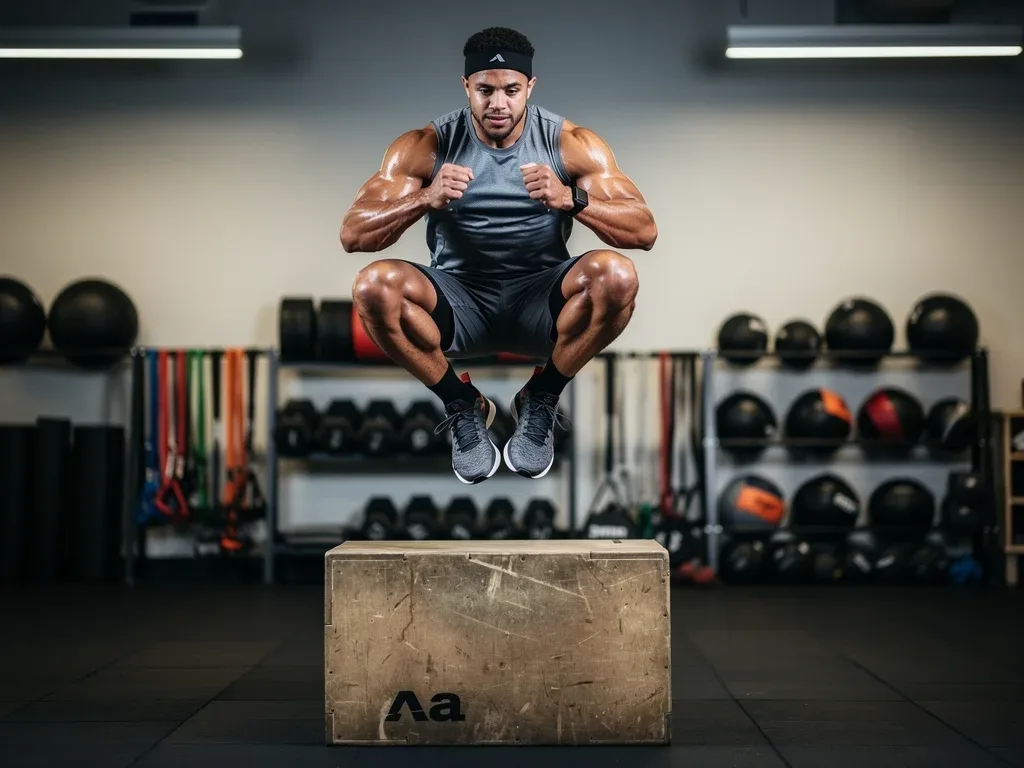
Advanced strength and conditioning programs are crucial for US basketball to build a resilient athlete base, ensuring optimal performance and minimizing injury risks for competitive success in 2026 and beyond.
As the landscape of professional basketball evolves, the demands on athletes intensify, requiring a meticulous approach to physical preparation. The role of strength and conditioning: building a resilient body for US basketball in 2026 is not merely supplementary but foundational to achieving peak performance and sustained success. This article delves into the critical strategies and methodologies employed to forge a formidable and robust generation of US basketball players.
The Evolving Demands of Modern Basketball
Modern basketball is a sport characterized by explosive movements, rapid changes in direction, and sustained high-intensity efforts. The game has become faster, more athletic, and increasingly physical, placing unprecedented stress on players’ bodies. This evolution necessitates a sophisticated approach to physical preparation that goes beyond traditional training methods.
Athletes are expected to perform at elite levels for longer seasons, often involving extensive travel and minimal recovery time. This relentless schedule underscores the importance of a comprehensive strength and conditioning program. Without it, players face an elevated risk of injury, decreased performance, and shortened careers.
Increased Pace and Intensity
The speed of play in basketball has dramatically increased over the past decade. Teams now prioritize transition offense and defense, requiring players to sprint, jump, and change direction repeatedly throughout a game. This heightened pace demands exceptional cardiovascular endurance and muscular power.
- Enhanced cardiovascular capacity for sustained effort.
- Improved anaerobic threshold for explosive plays.
- Faster recovery between high-intensity bursts.
These physiological adaptations are not innate; they are meticulously developed through targeted conditioning protocols. Coaches and trainers must design programs that mimic game-like scenarios, pushing athletes to their limits in a controlled environment to prepare them for the rigors of competition.
Physicality and Collision Sports
Despite being a non-contact sport in its purest form, basketball involves significant physical contact. Players constantly battle for rebounds, drive to the basket, and defend against aggressive opponents, leading to frequent collisions and impacts. Building a resilient body is paramount to withstand these forces.
Strength training plays a crucial role in protecting players from injury. Stronger muscles and connective tissues are better equipped to absorb impact and stabilize joints, reducing the likelihood of sprains, strains, and other traumatic injuries. Furthermore, improved strength contributes to better balance and body control, which are essential for navigating crowded paint areas and contested plays.
The modern game’s demands highlight that merely being skilled is no longer sufficient; athletes must also be physical specimens capable of enduring the sport’s punishing nature. This foundational strength enables players to maintain their technique and decision-making under duress, providing a critical competitive advantage.
Foundational Principles of Strength Training
Effective strength training for basketball goes beyond simply lifting heavy weights. It involves a systematic approach that targets specific muscle groups, movement patterns, and energy systems relevant to the sport. The goal is to develop functional strength that translates directly to on-court performance and injury prevention.
A well-designed strength program emphasizes compound movements, which engage multiple joints and muscle groups simultaneously. These exercises mimic the complex actions performed during a basketball game, promoting coordinated strength and power development. Progressive overload is a key principle, ensuring that athletes continuously challenge their bodies to adapt and grow stronger over time.
Periodization and Program Design
Periodization is the strategic planning of training cycles to optimize performance at specific times, such as during the competitive season or leading up to major tournaments. It involves varying the intensity, volume, and type of training to prevent overtraining, minimize injury risk, and ensure peak physical condition when it matters most.
- Macrocycle: The entire training year, including off-season, pre-season, and in-season phases.
- Mesocycle: Shorter training blocks (e.g., 4-6 weeks) with specific objectives.
- Microcycle: Weekly training plans detailing daily workouts.
Each phase of periodization has distinct goals. The off-season typically focuses on building a strong foundational base, addressing weaknesses, and increasing overall strength and muscle mass. The pre-season transitions to sport-specific power and conditioning, while the in-season aims to maintain strength and power while managing fatigue and recovery.
Key Strength Exercises for Basketball Athletes
Certain exercises are particularly beneficial for basketball players due to their direct transfer to on-court movements. These exercises target the muscle groups crucial for jumping, sprinting, changing direction, and maintaining stability.
Squats, deadlifts, and lunges are fundamental for developing lower body strength and power, which are essential for jumping, acceleration, and deceleration. Variations of these exercises, such as jump squats and plyometric lunges, further enhance explosive power.
Upper body strength is also critical for shooting, passing, rebounding, and post-play. Exercises like bench presses, overhead presses, rows, and pull-ups build strength in the chest, shoulders, back, and arms. Core strength, developed through planks, Russian twists, and medicine ball throws, is vital for stability, balance, and efficient transfer of power throughout the body.
Advanced Conditioning for Peak Performance
Beyond raw strength, basketball players require exceptional conditioning to perform at a high level for the duration of a game. This involves developing both aerobic and anaerobic energy systems, as well as improving agility, speed, and reaction time. Advanced conditioning programs integrate various training modalities to achieve comprehensive physical readiness.
The intermittent nature of basketball, with its bursts of intense activity followed by brief recovery periods, necessitates training that mimics these physiological demands. Traditional long-duration, steady-state cardio is often insufficient on its own; high-intensity interval training (HIIT) and sport-specific drills are crucial components.
High-Intensity Interval Training (HIIT)
HIIT is highly effective for basketball players as it replicates the stop-and-go nature of the game. Short bursts of maximal effort followed by brief recovery periods train both the anaerobic and aerobic systems, improving an athlete’s ability to repeatedly perform explosive actions.
- Improved cardiovascular fitness and endurance.
- Enhanced anaerobic capacity for repeated sprints and jumps.
- Increased lactate threshold, delaying fatigue.
Examples of HIIT for basketball include court sprints, shuttle runs, and circuit training incorporating plyometrics and bodyweight exercises. The intensity and duration of work-to-rest ratios are carefully manipulated to align with the specific demands of a basketball game.
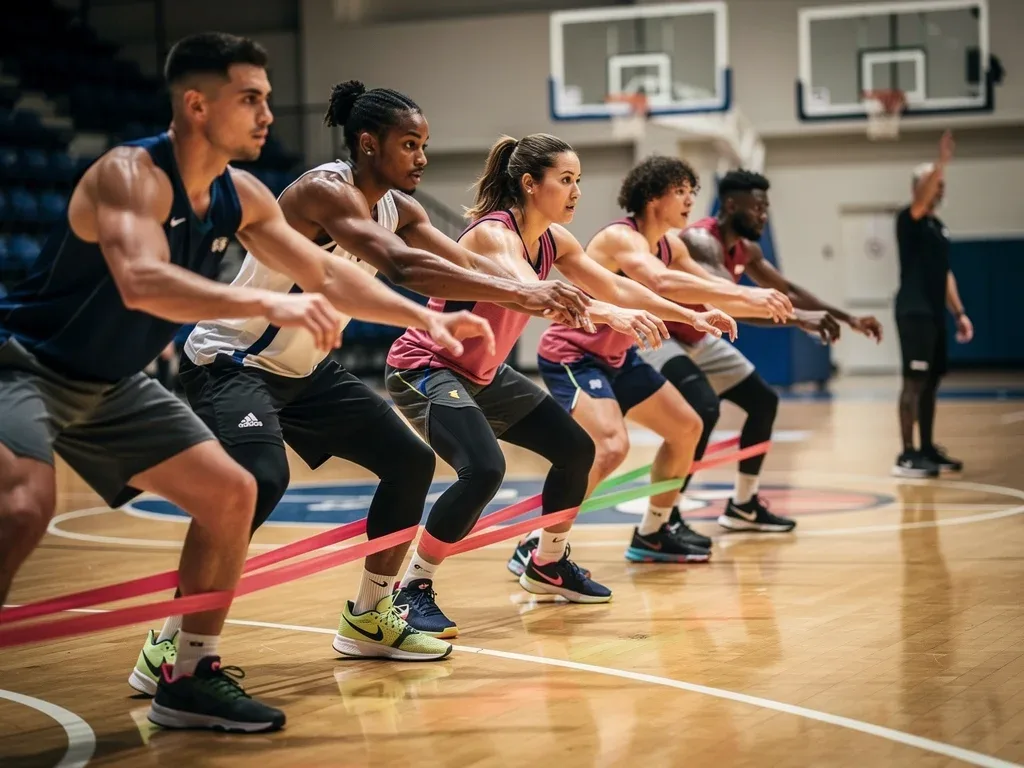
Agility, Speed, and Reaction Time Drills
Basketball is a game of quick decisions and rapid movements. Therefore, conditioning programs must incorporate drills that enhance agility, speed, and reaction time. These attributes allow players to outmaneuver opponents, react to plays, and create scoring opportunities.
Ladder drills, cone drills, and reactive agility drills (where players respond to visual or auditory cues) are commonly used. These drills not only improve physical quickness but also enhance cognitive processing and decision-making under pressure. Developing these skills ensures players are not just fast, but also smart and efficient in their movements.
Injury Prevention Strategies
One of the most critical aspects of strength and conditioning is injury prevention. The physical demands of basketball, coupled with the repetitive nature of certain movements, make players susceptible to various injuries. A proactive and comprehensive injury prevention strategy is essential for maintaining player availability and long-term health.
Injury prevention is not a separate component but an integral part of the overall strength and conditioning program. It involves identifying individual risk factors, addressing muscular imbalances, improving joint stability, and implementing proper recovery protocols. The goal is to build a robust and resilient athlete less prone to breakdowns.
Addressing Muscular Imbalances
Muscular imbalances occur when certain muscle groups are significantly stronger or weaker than their opposing counterparts. These imbalances can lead to altered movement patterns, increased stress on joints, and a higher risk of injury. Common imbalances in basketball players include strong quadriceps relative to hamstrings, or strong chest muscles relative to upper back muscles.
Strength and conditioning coaches use targeted exercises to correct these imbalances. For example, incorporating more hamstring-focused exercises like Romanian deadlifts or hamstring curls can balance quadriceps strength. Similarly, emphasizing pulling movements (rows, pull-ups) can counteract the dominance of pushing movements (bench press), promoting better posture and shoulder health.
Joint Stability and Mobility Training
Stable joints and adequate mobility are crucial for injury prevention. Basketball involves frequent jumping, landing, cutting, and twisting movements, which place considerable stress on the ankles, knees, hips, and shoulders. Training to improve the stability of these joints helps to prevent sprains and dislocations.
- Ankle stability: Balance exercises, calf raises, and resistance band work.
- Knee stability: Single-leg squats, glute activation exercises, and proprioceptive training.
- Hip mobility: Dynamic stretches, foam rolling, and targeted mobility drills.
- Shoulder stability: Rotator cuff exercises, scapular stabilization, and overhead mobility work.
Mobility training ensures that joints can move through their full range of motion without restriction, reducing the likelihood of strains and tears. Incorporating dynamic stretching, foam rolling, and specific mobility drills into warm-ups and cool-downs is vital.
Nutrition and Recovery: The Unsung Heroes
Even the most meticulously designed strength and conditioning program will fall short without adequate nutrition and recovery. These two components are fundamental to an athlete’s ability to adapt to training stress, repair damaged tissues, and replenish energy stores. They are the unsung heroes that enable consistent high-level performance and injury resilience.
Proper nutrition fuels the body for intense workouts and facilitates recovery, while effective recovery strategies allow the body to rebuild and grow stronger. Neglecting either of these pillars can lead to fatigue, decreased performance, and an increased risk of injury, undermining all efforts in the gym.
Optimizing Fuel for Performance
A balanced diet rich in macronutrients (carbohydrates, proteins, fats) and micronutrients (vitamins, minerals) is essential for basketball players. Carbohydrates are the primary fuel source for high-intensity activities, while protein is crucial for muscle repair and growth. Healthy fats support hormone production and overall health.
Hydration is equally important. Dehydration can significantly impair performance, leading to fatigue, reduced cognitive function, and increased risk of cramps. Athletes must maintain optimal hydration levels before, during, and after training and games.
Strategic Recovery Protocols
Recovery is not merely rest; it involves a range of strategies designed to accelerate physiological repair and adaptation. Adequate sleep is paramount, as it is during deep sleep that the body releases growth hormones and repairs tissues. Aiming for 7-9 hours of quality sleep per night is crucial for elite athletes.

- Active recovery: Light cardio, stretching, or foam rolling to promote blood flow and reduce muscle soreness.
- Cryotherapy/Hydrotherapy: Ice baths or contrast showers to reduce inflammation and accelerate recovery.
- Massage and manual therapy: To address muscle tightness, improve circulation, and aid in tissue repair.
- Nutrition timing: Consuming protein and carbohydrates post-workout to replenish glycogen stores and initiate muscle repair.
Implementing these recovery protocols consistently helps players bounce back faster from intense training and competition, ensuring they are ready for the next challenge.
Integrating Sports Science and Technology
The field of sports science has revolutionized strength and conditioning, providing coaches and athletes with unprecedented insights into performance, training load, and recovery. Integrating advanced technology allows for data-driven decision-making, optimizing individual athlete programs and enhancing overall team performance.
From wearable sensors that track physiological responses to sophisticated software that analyzes movement patterns, technology provides a deeper understanding of an athlete’s physical state. This information enables coaches to tailor interventions, prevent overtraining, and maximize the effectiveness of every training session.
Performance Tracking and Analytics
Wearable devices, such as GPS trackers and heart rate monitors, provide real-time data on an athlete’s workload, intensity, and physiological responses during training and games. This data can be used to quantify external load (distance covered, sprints performed) and internal load (heart rate, perceived exertion).
Advanced analytics platforms can then process this data to identify trends, pinpoint areas for improvement, and predict potential fatigue or injury risks. This allows coaches to make informed adjustments to training volumes, intensity, and recovery strategies, ensuring that each athlete is optimally prepared.
Biomechanics and Movement Analysis
Biomechanics involves the study of human movement. By using high-speed cameras and motion capture technology, strength and conditioning specialists can analyze an athlete’s movement patterns during various basketball-specific actions, such as jumping, landing, and shooting.
This analysis can reveal inefficiencies, compensations, or faulty movement patterns that could lead to injury or hinder performance. Corrective exercises and technique adjustments can then be implemented to improve movement mechanics, enhance power output, and reduce stress on joints. This precise approach ensures that athletes move safely and efficiently, maximizing their athletic potential.
The Future of US Basketball Strength and Conditioning
Looking towards 2026 and beyond, the future of US basketball strength and conditioning will continue to be shaped by innovation, personalized approaches, and an even greater integration of sports science. The goal remains constant: to produce the most athletic, resilient, and dominant basketball players in the world.
The emphasis will increasingly shift towards predictive analytics and individualized programming, moving away from one-size-fits-all approaches. As our understanding of human physiology and sports performance deepens, so too will the sophistication of training methodologies.
Personalized Training Programs
While general principles apply, each athlete is unique, with different strengths, weaknesses, injury histories, and physiological responses to training. The future will see highly individualized training programs tailored to each player’s specific needs, guided by comprehensive data and ongoing assessments.
This personalized approach will extend beyond physical training to include bespoke nutrition plans, targeted recovery strategies, and mental performance coaching. By optimizing every aspect of an athlete’s preparation, coaches can unlock their full potential and minimize the risk of setbacks.
Long-Term Athlete Development (LTAD)
The concept of Long-Term Athlete Development (LTAD) will become even more central to US basketball. This framework emphasizes a holistic approach to athlete development from childhood through elite levels, focusing on age-appropriate training, skill acquisition, and injury prevention at every stage.
- Early specialization avoidance to promote diverse movement skills.
- Gradual progression of training loads to prevent burnout and overuse injuries.
- Emphasis on fundamental movement patterns before sport-specific skills.
- Integration of physical literacy and comprehensive athletic development.
By investing in LTAD, US basketball can cultivate a pipeline of highly skilled, physically resilient athletes who are prepared to excel at the highest levels of the sport for many years to come. This forward-thinking approach ensures sustained success and dominance on the international stage.
| Key Aspect | Brief Description |
|---|---|
| Strength Training | Develops functional strength, power, and muscle resilience crucial for impact absorption and explosive movements. |
| Advanced Conditioning | Enhances aerobic/anaerobic capacity, agility, speed, and reaction time to sustain high-intensity play. |
| Injury Prevention | Focuses on correcting imbalances, improving joint stability, and implementing recovery to reduce injury risk. |
| Nutrition & Recovery | Provides essential fuel for performance and facilitates optimal physiological repair and adaptation after training. |
Frequently Asked Questions About Basketball Strength & Conditioning
Why is strength and conditioning crucial for basketball players?▼Strength and conditioning are crucial for basketball players because they enhance performance by improving power, speed, and endurance. More importantly, they significantly reduce the risk of injuries by strengthening muscles, improving joint stability, and correcting muscular imbalances, allowing athletes to withstand the game’s physical demands.
What are the primary components of a basketball conditioning program?▼A comprehensive basketball conditioning program typically includes strength training (focused on compound movements), high-intensity interval training (HIIT) for cardiovascular endurance, and agility drills for quick changes in direction. It also integrates plyometrics for explosive power, speed work, and specific exercises to improve reaction time on the court.
How does nutrition impact a basketball player’s performance and recovery?▼Nutrition profoundly impacts performance and recovery by providing the necessary fuel for intense training and games. Adequate carbohydrates replenish energy stores, while protein is vital for muscle repair and growth. Proper hydration prevents fatigue and cramps. A balanced diet supports overall health, enabling faster recovery and consistent high-level play.
What role does technology play in modern basketball strength and conditioning?▼Technology plays a vital role by offering data-driven insights. Wearable devices track performance metrics like heart rate and workload, while biomechanical analysis identifies movement inefficiencies. This data allows coaches to personalize training programs, optimize recovery protocols, and proactively prevent injuries, leading to more effective and safer athlete development.
Why is long-term athlete development important for US basketball?▼Long-term athlete development (LTAD) is crucial for US basketball as it ensures a holistic and age-appropriate progression of skills and physical capabilities. It prevents early specialization, reduces overuse injuries, and builds a broad athletic foundation. LTAD fosters resilient, well-rounded athletes prepared for sustained success at elite levels, securing the future of the sport.
Conclusion
The journey to building a resilient body for US basketball in 2026 is a multifaceted endeavor, intricately woven with advanced strength and conditioning principles, cutting-edge sports science, and a holistic approach to athlete welfare. From the foundational elements of strength training to sophisticated conditioning protocols, and from meticulous injury prevention strategies to optimized nutrition and recovery, every component plays a pivotal role. The integration of technology and a commitment to long-term athlete development further solidifies this framework, ensuring that US basketball players are not only physically dominant but also robust and enduring. As the sport continues to evolve, so too must the preparation of its athletes, cementing strength and conditioning as the undeniable cornerstone of future success on the global stage.