Basketball Card Investments: Tracking a 20% Fluctuation
Advertisements
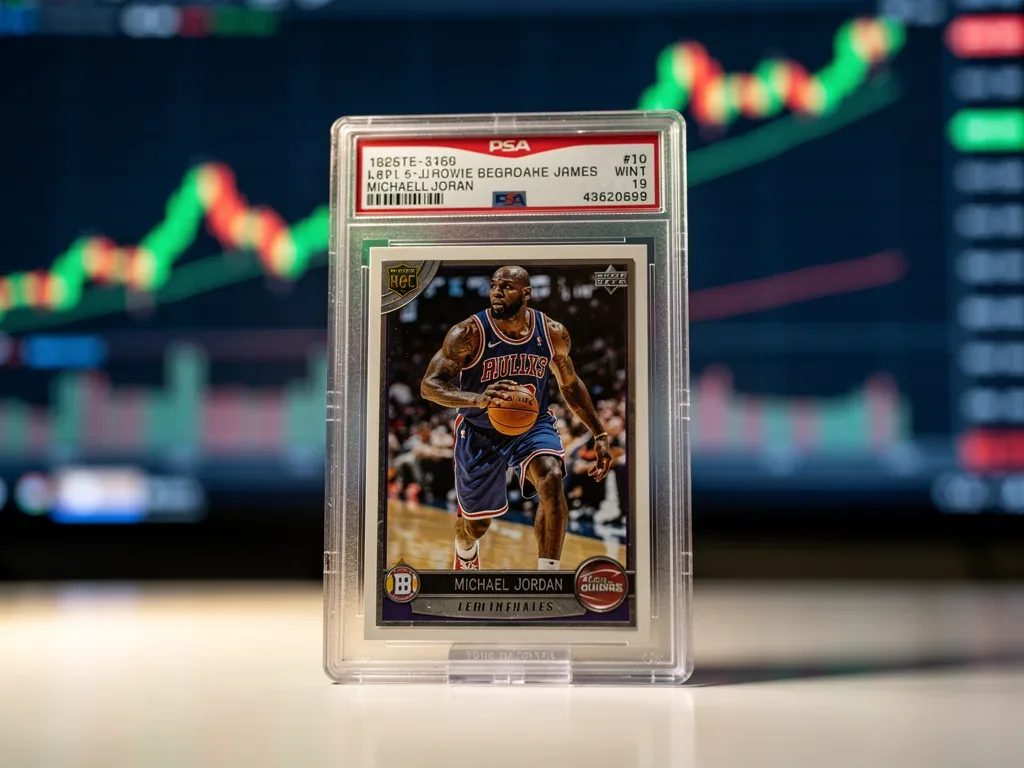
The recent 20% fluctuation in key player values highlights the inherent volatility and dynamic nature of basketball card investments, necessitating a comprehensive understanding of market forces for collectors and investors alike.
Have you been watching the card market lately? The world of basketball card investments has seen some truly wild swings, with key player values experiencing a significant 20% fluctuation over just the last six months. This isn’t just a blip; it’s a clear signal of a dynamic, and at times, unpredictable market that demands attention and informed strategy from anyone looking to buy, sell, or hold these unique assets.
Understanding the Volatility in Card Markets
The recent 20% fluctuation in basketball card values isn’t an isolated incident but rather a reflection of broader market dynamics. Understanding these forces is crucial for both seasoned collectors and new investors. The market for sports collectibles, particularly basketball cards, has matured significantly, attracting a diverse range of participants from passionate fans to sophisticated financial speculators.
This increased interest brings with it heightened sensitivity to various external factors. Economic indicators, player performance, and even social media buzz can all contribute to rapid shifts in perceived value. The inherent illiquidity of some high-value cards, combined with the emotional attachment often associated with collectibles, can amplify these price movements, making the market both exhilarating and challenging to navigate.
Key Drivers of Market Swings
Several factors consistently influence the value of basketball cards, leading to the kind of volatility we’ve observed. These drivers are interconnected and can create a complex web of influence on individual card prices.
- Player Performance: A sudden surge in a player’s on-court performance, especially during playoffs or record-breaking seasons, can instantly boost demand and prices for their cards.
- Rookie Hype: The anticipation around promising rookies often inflates their card values, which can then normalize or drop if their performance doesn’t meet expectations.
- Scarcity and Grading: The rarity of a card and its condition, as certified by professional grading services, are fundamental to its value. High-grade, low-population cards often command premium prices.
- Market Sentiment: Broader economic conditions, collector trends, and even influential social media discussions can shift overall market sentiment, impacting prices across the board.
The interplay of these elements creates a perpetually moving target for investors. Recognizing which factors are most influential at any given time is a key skill for anyone serious about engaging with the market. The rapid nature of information dissemination today means that market reactions can be almost instantaneous, requiring investors to stay constantly informed.
The Impact of Player Performance on Card Values
A player’s on-court performance remains one of the most potent catalysts for value shifts in basketball card investments. The narrative surrounding a player—their triumphs, struggles, and milestones—is directly reflected in the demand for their cards. A breakout season, a championship win, or a record-setting performance can send card values soaring, often creating a ripple effect across their entire card catalog.
Conversely, injuries, slumps, or retirement can lead to a depreciation in value. This direct correlation makes player analysis a critical component of card investment strategy. Investors often track emerging talent, looking for undervalued players whose future performance could yield significant returns. The speculative nature of predicting future success adds an exciting, albeit risky, dimension to the hobby.
Case Studies: Performance-Driven Fluctuations
Examining specific examples helps illustrate how player performance directly translates to market movement. The careers of several prominent players offer clear insights into this dynamic.
- Rookie Year Phenomenon: Cards of highly anticipated rookies like Zion Williamson or Victor Wembanyama often see initial spikes based on draft hype, then adjust based on early career performance.
- Championship Boost: Players who lead their teams to championships, such as Stephen Curry or Giannis Antetokounmpo, frequently experience sustained increases in card values post-victory.
- Post-Retirement Legacy: Legends like Michael Jordan or Kobe Bryant maintain high card values, but even their markets can see renewed interest and price surges following documentaries or significant anniversaries.
The market’s reaction to player performance is not always linear. Sometimes, a player’s legacy or cultural impact can transcend their statistics, sustaining card values even after their prime. This highlights the blend of objective data and subjective narrative that defines the basketball card market. Understanding this balance is essential for making informed decisions and anticipating market shifts.
Rookie Cards: High Stakes, High Rewards
Rookie cards are often considered the holy grail of basketball card investments, representing a player’s debut in the professional league. These cards carry immense speculative potential, as their value is intrinsically linked to a player’s future success. A highly touted rookie’s card can skyrocket in value if they fulfill their potential, but conversely, it can plummet if their career doesn’t pan out as expected. This makes rookie cards a high-stakes, high-reward segment of the market.
The excitement around draft prospects and early-season performances drives significant interest in rookie cards. Collectors and investors often rush to acquire these cards, hoping to get in early on the next big star. However, this also means that rookie card values are particularly susceptible to volatility, reacting sharply to every dunk, assist, or missed shot.
Navigating the Rookie Card Market
Investing in rookie cards requires a keen eye for talent and an understanding of market timing. It’s not just about picking the best player; it’s about understanding when to buy and when to sell to maximize returns or mitigate losses.
- Early Acquisition: Buying cards of promising rookies before their breakout season can yield significant profits if they perform well.
- Performance Monitoring: Closely tracking a rookie’s performance, injuries, and team dynamics is crucial for making timely investment decisions.
- Grading Importance: For rookie cards, professional grading is paramount. A high-grade rookie card can be worth many multiples of a lower-grade version, even for the same player.
- Market Hype vs. Reality: Discerning genuine talent from media hype is vital to avoid overpaying for cards that may not retain their value long-term.
The allure of rookie cards lies in their potential to deliver exponential returns, but this potential is balanced by considerable risk. Diversifying investments and not putting all eggs in one rookie basket is a common strategy for mitigating some of this risk. The rookie card market is a microcosm of the larger card market, characterized by rapid shifts and the constant interplay of hope and performance.
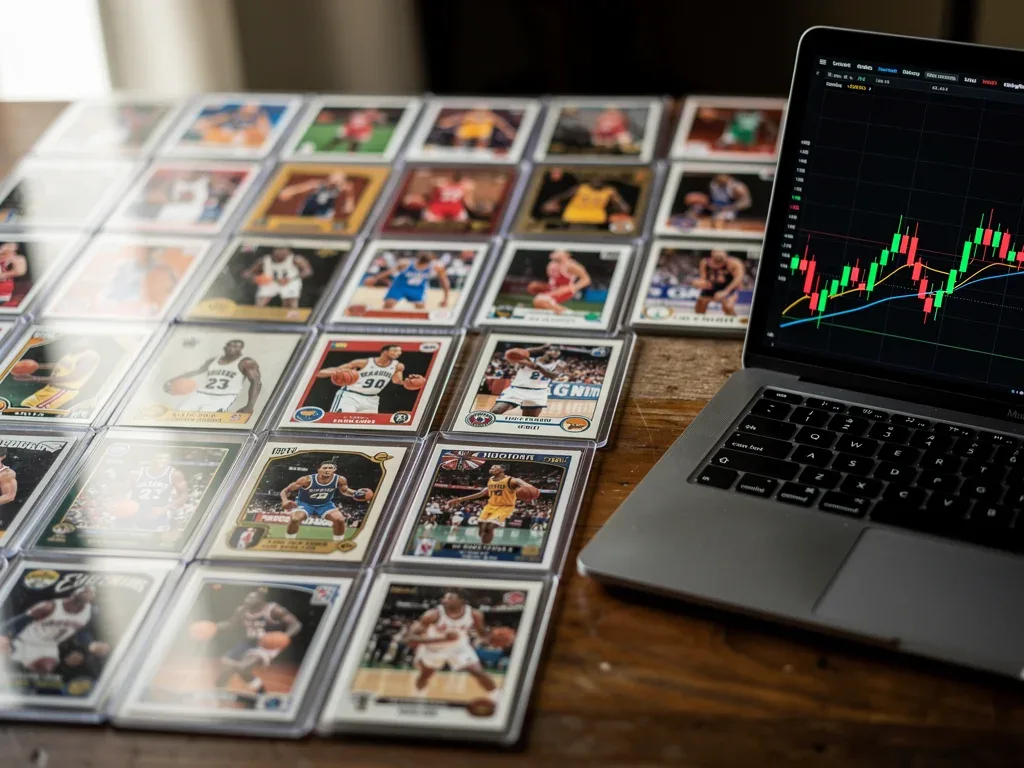
The Role of Scarcity and Condition (Grading)
Beyond player performance, the fundamental pillars of card valuation in basketball card investments are scarcity and condition, often certified through professional grading. A card’s rarity, whether due to limited print runs, short print variations, or specific parallels, inherently increases its desirability. When scarcity is combined with pristine condition, the card enters an elite tier, commanding premium prices that can withstand market fluctuations better than more common issues.
Professional grading services, like PSA, BGS, and SGC, play a pivotal role in establishing a card’s condition. They assign a numerical grade (typically 1-10) based on factors like centering, corners, edges, and surface. A higher grade signifies better condition and, consequently, higher value. This standardization provides a level of trust and transparency in transactions, allowing buyers and sellers to agree on a common benchmark for quality.
Understanding Grading’s Impact on Value
The difference between a card graded 9 and a perfect 10 (Gem Mint) can be substantial, often representing thousands or even tens of thousands of dollars in value, especially for iconic cards. This emphasis on condition makes meticulous care and protection of cards paramount for investors.
- Population Report: Investors frequently check population reports from grading companies to see how many examples of a specific card exist at a certain grade level. Lower population counts for high grades often mean higher values.
- Subgrades: Some grading companies offer subgrades for centering, corners, edges, and surface, providing even more detailed insight into a card’s condition and often influencing its overall market perception.
- Authentication: Grading also serves as a crucial authentication step, verifying the card’s legitimacy and protecting against counterfeits, which is increasingly important in a high-value market.
- Investment in Protection: Serious collectors and investors often invest in archival-quality storage solutions, such as top-loaders, magnet holders, and humidity-controlled environments, to preserve their cards’ condition.
The perceived value of a card is not solely based on the player, but heavily on its uniqueness and state of preservation. A rare card in perfect condition is a true asset, often appreciating steadily, while a common card, even of a star player, will likely see less dramatic value shifts. This dual focus on rarity and condition is a cornerstone of smart card investing.
Economic Indicators and Market Sentiment
The broader economic landscape and prevailing market sentiment significantly influence the trajectory of basketball card investments. Like other alternative assets, sports cards are not immune to economic cycles. During periods of economic prosperity, disposable income increases, leading to greater demand for luxury and collectible items. Conversely, economic downturns can prompt collectors to liquidate assets, increasing supply and potentially driving down prices.
Market sentiment, a more nebulous but equally powerful force, reflects the collective mood of investors and collectors. Positive sentiment, fueled by media attention, successful auctions, or a general bullish outlook on collectibles, can create a self-fulfilling prophecy of rising prices. Negative sentiment, perhaps triggered by a market correction or a shift in collecting trends, can lead to widespread selling and price depreciation.
External Factors Affecting Card Values
Beyond the direct economic indicators, several other external factors contribute to market sentiment and, consequently, card values.
- Inflation and Interest Rates: High inflation can make tangible assets like cards more attractive as a hedge, while rising interest rates might divert investment capital towards traditional financial instruments.
- Technological Advancements: The rise of online marketplaces, fractional ownership platforms, and blockchain technology for authentication has expanded the market’s reach and liquidity, influencing pricing dynamics.
- Media and Pop Culture: Documentaries, viral social media moments, and mainstream media coverage can ignite renewed interest in specific players or eras, creating temporary or sustained price boosts.
- Generational Trends: As different generations enter the collecting space, their preferences for players, eras, and card types can shift, leading to evolving demand patterns.
Understanding these macro-level influences is crucial for placing individual card valuations into proper context. While a specific player’s performance might drive short-term gains, the underlying economic currents and market sentiment often dictate the overall health and direction of the basketball card market. Astute investors track these broader trends to make more strategic long-term decisions.
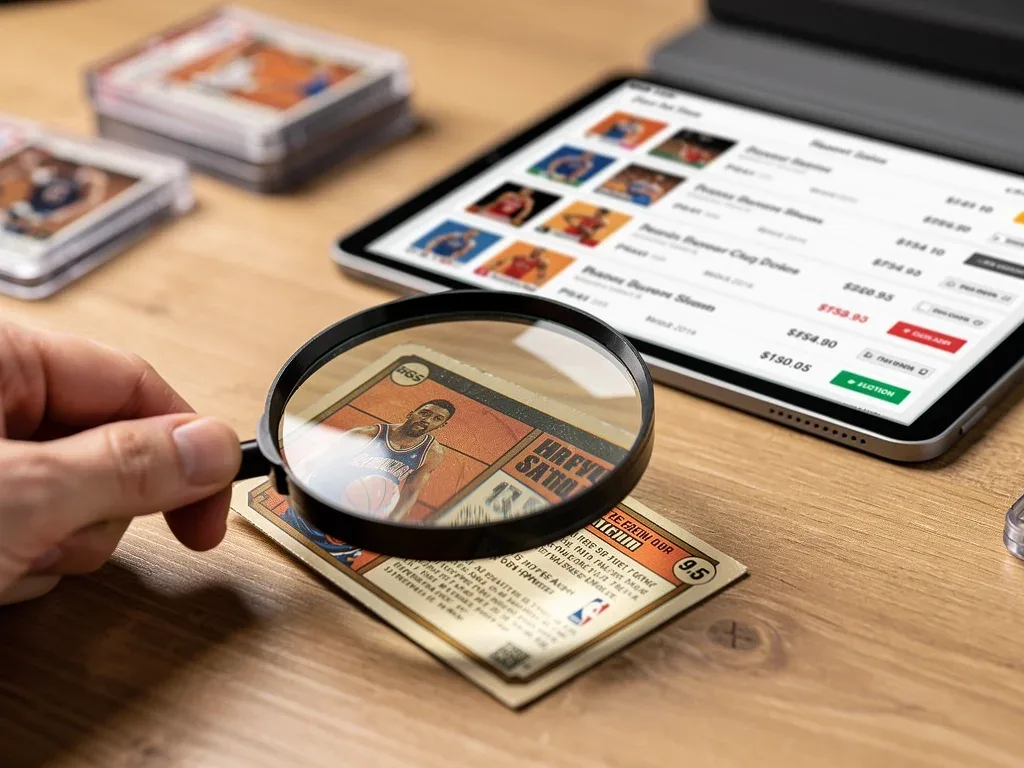
Strategic Investing: Mitigating Risks and Maximizing Returns
Navigating the volatile world of basketball card investments requires a strategic approach that balances potential rewards with inherent risks. Given the 20% fluctuation observed, a haphazard approach is unlikely to yield consistent success. Smart investing in this arena involves meticulous research, diversification, and a disciplined mindset. It’s not just about buying cards of popular players; it’s about understanding market cycles, identifying undervalued assets, and knowing when to make a move.
Risk mitigation is paramount. This includes setting clear investment goals, understanding your risk tolerance, and avoiding emotional decisions based solely on hype. The market can be irrational in the short term, but fundamental value often prevails over the long haul. Therefore, a long-term perspective, coupled with an ability to capitalize on short-term market inefficiencies, defines a successful strategy.
Key Strategies for Card Investors
Developing a robust investment strategy involves several practical steps that can help mitigate risks and improve the chances of maximizing returns in the basketball card market.
- Thorough Research: Before any purchase, research player performance, card population reports, historical sales data, and market trends. Knowledge is power in this speculative market.
- Diversification: Avoid putting all your capital into a single player or card type. Diversify across different players, eras, and card tiers to spread risk.
- Grading and Authentication: Prioritize graded cards from reputable services. For raw cards, consider getting them graded if you believe they will achieve a high score, significantly increasing their value.
- Set Realistic Expectations: Not every card will be a home run. Understand that some investments will perform better than others, and losses are a part of any investment portfolio.
- Market Timing: While difficult to perfect, try to buy during periods of lower sentiment or when a player is momentarily undervalued, and consider selling during peak hype or after significant achievements.
Ultimately, successful investing in basketball cards, much like in traditional financial markets, is about informed decision-making and patience. The thrill of collecting can sometimes overshadow the discipline required for sound investment. By blending passion with prudence, investors can better navigate the market’s fluctuations and achieve their financial objectives.
The Future Outlook for Basketball Card Investments
The future of basketball card investments appears bright, albeit with continued volatility. The market has demonstrated remarkable resilience and growth, attracting new collectors and investors globally. The increasing digitalization of collectibles, including NFTs and advanced tracking tools, is likely to further integrate sports cards into the broader alternative asset class. This evolution suggests a more sophisticated market, demanding greater analytical prowess from its participants.
While the recent 20% fluctuation underscores the market’s dynamic nature, it also highlights opportunities for those who can accurately predict trends and react swiftly. The long-term appeal of iconic players and the continuous emergence of new talent will ensure a steady stream of desirable assets. However, as the market matures, the differentiation between truly valuable cards and speculative fads will become even more critical.
Emerging Trends and Considerations
Several emerging trends and ongoing considerations will shape the landscape of basketball card investments in the coming years, influencing how collectors and investors approach the market.
- Fractional Ownership: Platforms allowing fractional ownership of high-value cards are democratizing access to top-tier assets, potentially increasing overall market liquidity and demand.
- Digital Integration: The convergence of physical cards with digital assets, such as NFTs, could create new layers of value and authentication, transforming how cards are collected and traded.
- Global Market Expansion: The growing popularity of basketball worldwide, particularly in Asia and Europe, is expanding the collector base, potentially driving demand for cards of international stars.
- Sustainability and Ethics: As with other markets, there may be increasing scrutiny on the sustainability of card production and the ethics of market practices, influencing collector behavior.
The basketball card market is no longer a niche hobby; it’s a recognized alternative investment class. Its future will be characterized by continued innovation, increased institutional interest, and a persistent need for informed, strategic decision-making. Those who stay abreast of these developments and adapt their strategies accordingly will be best positioned to thrive in this exciting and evolving landscape.
| Key Aspect | Brief Description |
|---|---|
| Market Volatility | Basketball card values can fluctuate significantly, often by 20% or more over short periods, driven by various market forces. |
| Player Performance | On-court achievements, injuries, and career milestones directly impact a player’s card values, leading to rapid price changes. |
| Scarcity & Grading | Rarity and professional grading (condition) are crucial determinants of a card’s value, with high-grade, rare cards commanding premium prices. |
| Strategic Investing | Successful investment requires research, diversification, and a disciplined approach to mitigate risks and capitalize on market opportunities. |
Frequently Asked Questions About Basketball Card Investments
Why do basketball card values fluctuate so much?▼Basketball card values fluctuate due to a combination of player performance, rookie hype, scarcity, card condition (grading), and broader market sentiment. Economic conditions and even social media trends can also trigger rapid shifts in demand and pricing, making the market dynamic and often unpredictable.
What is the most important factor in a card’s value?▼While player popularity and performance are significant, the most important factors are a card’s scarcity and its condition, as certified by professional grading. A rare card in Gem Mint condition will almost always command a higher price than a common card, regardless of the player.
How can I mitigate risk when investing in basketball cards?▼To mitigate risk, diversify your investments across different players and card types. Conduct thorough research on market trends and player performance, prioritize graded cards, and maintain a long-term perspective. Avoid making impulsive decisions based solely on short-term hype.
Are rookie cards always a good investment?▼Rookie cards offer high potential returns but also carry significant risk. Their value is highly speculative, tied directly to a player’s future success. While some rookie cards skyrocket, many do not. Careful talent evaluation and market timing are crucial for successful rookie card investments.
What role does grading play in card values?▼Professional grading by services like PSA or BGS provides an objective assessment of a card’s condition, assigning a numerical grade. This standardization increases buyer confidence, authenticates the card, and significantly impacts its market value, with higher grades commanding substantially higher prices.
Conclusion
The recent 20% fluctuation in key player values within the world of basketball card investments serves as a potent reminder of this market’s dynamic and often unpredictable nature. For both passionate collectors and shrewd investors, success hinges on a comprehensive understanding of the multifaceted factors at play—from player performance and scarcity to broader economic indicators and evolving market sentiment. While the allure of significant returns is undeniable, a strategic, research-driven, and diversified approach remains essential for navigating volatility, mitigating risks, and ultimately capitalizing on the exciting opportunities this unique asset class presents. The future of basketball card investing will undoubtedly continue to evolve, rewarding those who adapt and remain informed.