Basketball Footwear Market Trends: 2026 Sees 9% Rise in Retro Reissues
Advertisements
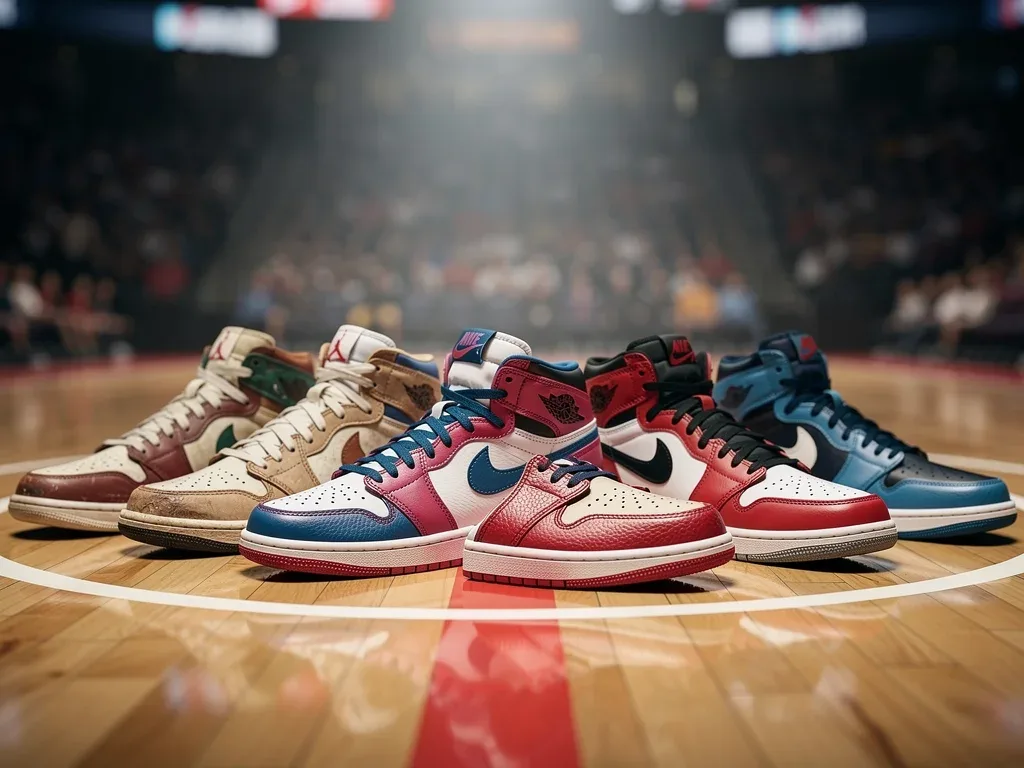
The 2026 basketball footwear market trends reveal a compelling 9% consumer preference for retro reissues, signifying a powerful blend of nostalgia and contemporary style influencing purchasing decisions across demographics.
The landscape of the basketball footwear market trends is in constant flux, but few shifts have been as pronounced and enduring as the resurgence of retro reissues. In 2026, we are witnessing a remarkable phenomenon: a significant 9% of consumer preference gravitating towards these iconic throwbacks. This isn’t merely a fleeting fad; it’s a deep-seated movement driven by a complex interplay of nostalgia, cultural influence, and evolving fashion sensibilities. For brands and consumers alike, understanding this dynamic is crucial to navigating the future of athletic footwear. This article delves into the core reasons behind this escalating demand, exploring its impact on market strategies, design innovations, and the enduring legacy of basketball’s golden eras.
The Resurgence of Retro: A Deep Dive into Consumer Psychology
The undeniable pull of retro basketball footwear isn’t just about aesthetics; it taps into a powerful psychological current. Consumers are increasingly seeking authenticity and a connection to a perceived ‘golden age’ of basketball, where heroes like Michael Jordan and Magic Johnson defined an era. This yearning for the past, combined with a desire for unique style, makes retro reissues incredibly appealing.
This psychological attachment is particularly strong among younger generations who, while not having experienced the original releases, are drawn to the stories and cultural weight associated with these classic designs. Social media platforms amplify this trend, turning vintage sneakers into aspirational fashion statements that transcend the basketball court.
Nostalgia as a Market Driver
Nostalgia, in the context of consumer behavior, acts as a powerful motivator. It evokes positive memories and feelings of comfort and security, which are highly valued in an increasingly complex world. For many, retro basketball shoes represent a tangible link to simpler times or to the athletic achievements that inspired them in their youth. This emotional connection fosters brand loyalty and a willingness to invest in products that offer more than just functionality.
- Emotional Resonance: Retro sneakers connect consumers to past eras, evoking positive emotions and memories.
- Cultural Significance: Many reissues are tied to iconic moments or athletes, adding layers of meaning.
- Perceived Authenticity: Older designs are often seen as more ‘authentic’ or ‘pure’ representations of basketball culture.
- Storytelling Potential: Brands can leverage rich histories behind retro models to create compelling narratives.
The Influence of Fashion and Streetwear
Beyond the court, retro basketball footwear has firmly established itself as a cornerstone of streetwear fashion. Its bold designs, often chunky silhouettes, and vibrant colorways align perfectly with contemporary urban style. This crossover appeal has significantly broadened the market for these shoes, moving them from specialized athletic gear to mainstream fashion staples. Designers and influencers frequently incorporate retro sneakers into high-fashion looks, further cementing their status.
The versatility of these designs allows them to be paired with a wide range of outfits, from athletic wear to casual smart attire, making them a practical yet stylish choice for everyday wear. This adaptability is a key factor in their sustained popularity and growing market share.
The consumer preference for retro reissues is a nuanced blend of emotional attachment, cultural appreciation, and fashion-forward thinking. It highlights how deeply intertwined personal identity and consumer choices have become, moving beyond simple utility to embrace narrative and style. Understanding these underlying psychological drivers is essential for brands looking to capitalize on this enduring trend.
Technological Integration and Performance Considerations
While the aesthetic appeal of retro reissues is undeniable, their sustained success in the modern market also hinges on their ability to meet contemporary performance expectations. Brands face the delicate challenge of preserving the iconic look of the past while integrating the advancements of the present. This often means re-engineering classic models with updated materials and cushioning technologies, ensuring they are not just fashionable but also functional for today’s athletes and casual wearers.
The balance between heritage and innovation is a tightrope walk. Consumers demand the comfort and support found in modern athletic footwear, even when opting for a vintage design. This necessitates a thoughtful approach to material selection, sole construction, and overall ergonomic design, ensuring that a retro shoe can still perform, or at least feel comfortable, in a modern context.
Updating Classic Silhouettes with Modern Tech
Many successful retro reissues are not mere carbon copies of their predecessors. Instead, they often feature subtle, or sometimes significant, technological upgrades. This might include incorporating new foam compounds for better cushioning, lighter-weight materials for reduced bulk, or improved traction patterns on the outsole for enhanced grip. The goal is to retain the visual identity that made the shoe famous while subtly enhancing its wearability and performance characteristics.
- Advanced Cushioning: Integration of modern foams like Boost, Zoom Air, or React for superior comfort and impact absorption.
- Lighter Materials: Use of contemporary textiles and composites to reduce overall shoe weight without sacrificing durability.
- Improved Traction: Redesigned outsole patterns and rubber compounds for enhanced grip on various surfaces.
- Enhanced Support: Modernized internal support structures and lacing systems for better lockdown and stability.
Performance vs. Lifestyle: A Blurring Line
The distinction between performance basketball shoes and lifestyle sneakers has become increasingly blurred, particularly with the rise of retro reissues. Many consumers purchase these shoes primarily for fashion, yet still expect a degree of comfort and durability that reflects their athletic heritage. Brands are capitalizing on this by marketing retro models as versatile footwear suitable for both casual wear and light athletic activity, although serious performance athletes typically opt for purpose-built modern designs.
This blurring of lines has opened up new market segments, allowing brands to sell retro reissues to a broader audience who might not necessarily play basketball but appreciate the style and comfort. It also challenges designers to create shoes that can transition seamlessly between different contexts without compromising too much on either aesthetic integrity or basic functional expectations.
The integration of modern technology into retro designs is a critical factor in their continued market dominance. It demonstrates a brand’s commitment to innovation while honoring its heritage, providing consumers with products that offer the best of both worlds: timeless style and contemporary comfort. This strategic blend ensures that retro reissues remain relevant and desirable in a competitive market.
Marketing Strategies: Leveraging Heritage and Hype
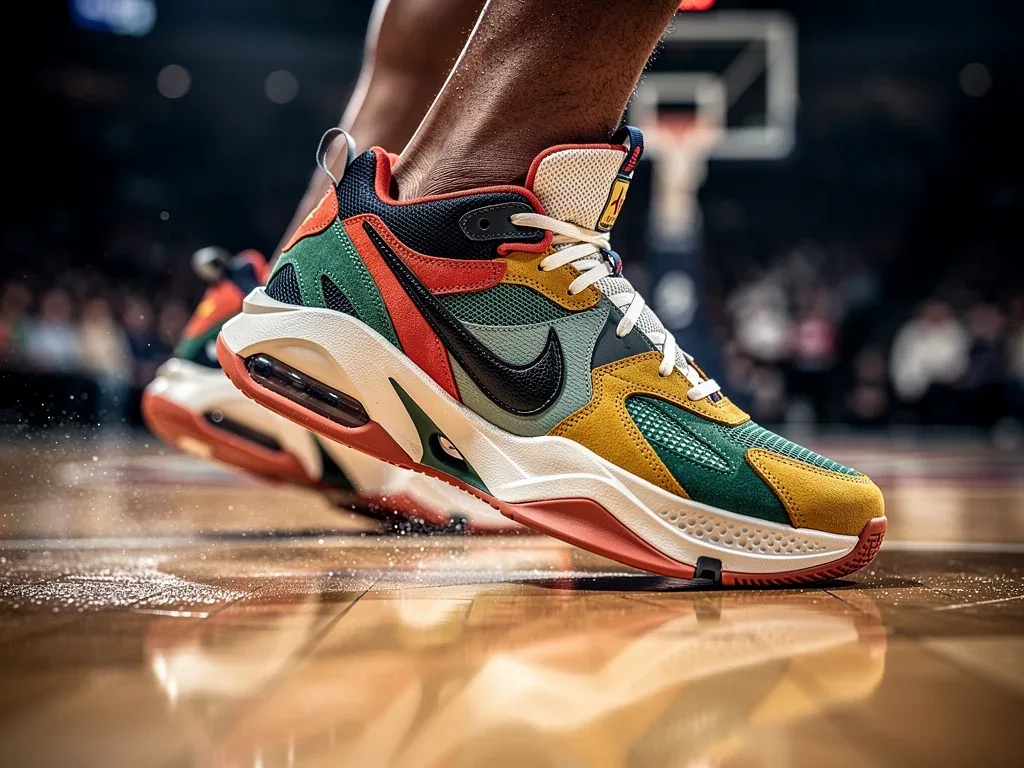
The success of retro reissues in the basketball footwear market trends is not accidental; it is the result of meticulously crafted marketing strategies that expertly blend heritage storytelling with modern hype generation. Brands understand that these shoes carry a rich history, and they leverage this narrative to create compelling campaigns that resonate with both long-time fans and new consumers. This dual approach ensures that retro models remain culturally relevant and highly desirable.
Marketing for retro reissues often involves revisiting iconic moments, collaborating with current athletes or celebrities, and creating limited-edition drops that fuel demand and exclusivity. The goal is to make these shoes feel both classic and cutting-edge, appealing to a wide demographic.
Storytelling and Brand Legacy
At the heart of retro reissue marketing is storytelling. Brands delve into their archives, unearthing the history behind each model: the athletes who wore them, the championships won, and the cultural impact they had. This narrative approach builds a deeper connection with consumers, transforming a shoe from a mere product into a piece of history. Documentaries, social media campaigns, and collaborations with sports historians are common tactics.
- Archival Deep Dives: Brands share historical photos, videos, and anecdotes about original releases.
- Athlete Endorsements (Past & Present): Featuring legendary athletes or current stars endorsing retro lines.
- Anniversary Editions: Releasing shoes to commemorate significant milestones of their original launch.
- Brand Collaborations: Partnering with fashion labels or artists to create unique, limited-edition retro versions.
The Power of Limited Drops and Collaborations
In the age of sneaker culture, exclusivity drives demand. Brands frequently release retro reissues in limited quantities, often through specific retailers or online raffles. This creates a sense of urgency and desirability, leading to quick sell-outs and increased perceived value. Collaborations with high-profile designers, artists, or other brands further amplify this effect, turning a retro sneaker into a highly sought-after collector’s item.
These strategies not only generate significant buzz but also allow brands to control the market perception of their retro offerings, positioning them as premium products. The anticipation surrounding these drops often extends beyond the core sneakerhead community, attracting mainstream attention and contributing to the overall 9% consumer preference for retro reissues.
Effective marketing for retro basketball footwear is a masterclass in balancing reverence for the past with contemporary consumer engagement. By weaving compelling narratives and strategically managing product availability, brands ensure that these classic designs continue to capture imaginations and dominate market share.
The Economic Impact: Driving Sales and Brand Value
The strong consumer preference for retro reissues has a tangible and significant economic impact on the basketball footwear market. For major brands, these releases are not just about celebrating heritage; they are powerful revenue generators that contribute substantially to overall sales and profitability. The consistent demand for these iconic models provides a stable income stream, balancing out the more volatile performance of new, innovative designs.
Beyond direct sales, retro reissues also play a crucial role in enhancing brand value and cultural relevance. They reinforce a brand’s legacy and influence, attracting new consumers who might initially be drawn to the retro aesthetic but then explore other product lines. This creates a virtuous cycle of engagement and purchase.
Revenue Generation and Market Share
Retro reissues often command premium prices, especially for limited editions or highly anticipated models. This pricing power, combined with consistent demand, translates into significant revenue streams for footwear companies. The predictable popularity of these shoes allows brands to plan production and marketing with greater confidence, minimizing risk compared to launching entirely new, unproven designs.
The 9% consumer preference for retro reissues represents a substantial portion of the overall market, indicating that this segment is a critical component of growth strategies for leading basketball footwear brands. It’s a testament to the enduring appeal and commercial viability of classic designs in a rapidly evolving industry.
Enhancing Brand Equity and Loyalty
Releasing retro models is an effective way for brands to tell their story, reminding consumers of their rich history and contributions to sports culture. This strengthens brand equity, making the brand more reputable and desirable. For loyal customers, retro reissues are often highly anticipated events, reinforcing their connection to the brand and fostering a sense of community around shared appreciation for classic designs.
Moreover, the cultural cachet associated with retro sneakers often translates into increased visibility and media coverage, providing invaluable free marketing. This sustained interest helps to keep the brand top-of-mind for consumers, influencing purchasing decisions across their entire product portfolio.
The economic benefits of retro reissues extend far beyond immediate sales. They are strategic assets that bolster brand identity, cultivate loyalty, and ensure long-term market presence. Brands that effectively manage their retro release schedules and marketing efforts stand to gain significantly from this enduring consumer trend, securing their position in the competitive basketball footwear landscape.
Challenges and Sustainability in Retro Production
While the allure of retro reissues is undeniable, their production and sustained market presence come with a unique set of challenges, particularly concerning sustainability and ethical manufacturing. Recreating classic designs often involves sourcing specific materials or adhering to original manufacturing processes, which can sometimes conflict with modern environmental standards or supply chain ethics. Brands must navigate these complexities carefully to maintain consumer trust and meet evolving corporate responsibilities.
The demand for authenticity in retro models can sometimes lead to a reliance on materials or production methods that are less sustainable than contemporary alternatives. Balancing this desire for historical accuracy with a commitment to environmental stewardship is a significant hurdle for footwear companies.
Ethical Sourcing and Manufacturing
Ensuring that retro reissues are produced ethically involves scrutinizing the entire supply chain, from raw material extraction to factory labor practices. Many original designs predate widespread awareness of sustainable sourcing or fair labor conditions, requiring brands to update their processes for modern reissues. This means finding suppliers who adhere to environmental regulations and social responsibility standards, which can be a complex and costly endeavor.
- Material Traceability: Verifying the origin and environmental impact of all components used in production.
- Labor Standards: Ensuring fair wages, safe working conditions, and ethical treatment of workers in manufacturing facilities.
- Waste Reduction: Implementing strategies to minimize waste generated during the production of retro models.
- Circular Economy Principles: Exploring options for recycling or upcycling materials from older models into new reissues.
Balancing Authenticity with Modern Standards
Consumers of retro footwear often expect a high degree of authenticity, desiring shoes that look and feel as close to the original as possible. However, modern standards for comfort, durability, and environmental impact have evolved significantly. Brands must find a way to honor the original design while subtly incorporating improvements that align with current expectations and sustainability goals. This might involve using recycled content for parts of the shoe or employing more eco-friendly dyeing processes, all while preserving the iconic aesthetic.
The challenge lies in communicating these changes to consumers in a way that highlights progress without detracting from the retro appeal. Transparency about materials and manufacturing processes can build trust and demonstrate a brand’s commitment to both heritage and responsibility, ensuring the long-term viability of retro lines in a conscious market.
Addressing the challenges of sustainability and ethical production is crucial for the enduring success of retro basketball footwear. Brands that can innovate in these areas, demonstrating a commitment to responsible practices while preserving iconic designs, will likely solidify their position and appeal to a growing segment of environmentally and socially conscious consumers.
The Future Outlook: Sustaining the Retro Momentum
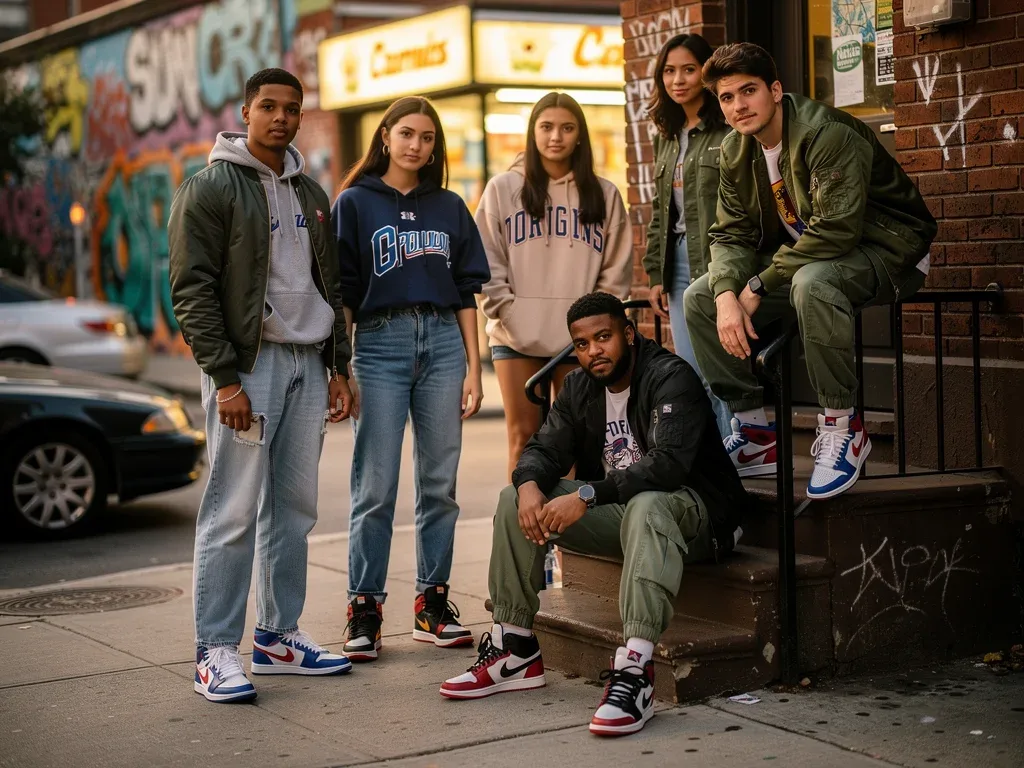
Looking ahead, the 9% consumer preference for retro reissues in the basketball footwear market trends appears to be more than a temporary spike; it signifies a fundamental shift in consumer values and market dynamics that is likely to persist. The challenge for brands now is not just to capitalize on this momentum but to sustain it through innovative strategies, careful curation, and a forward-thinking approach to heritage. The future of retro footwear will depend on its ability to evolve while staying true to its roots.
Brands will need to continue exploring new ways to present classic designs, perhaps through new colorways, collaborations, or even digital integrations like NFTs, to keep the retro narrative fresh and engaging. The market is increasingly sophisticated, and consumers are always looking for the next exciting release, even within the retro category.
Innovation within Heritage
Sustaining the retro momentum requires a delicate balance between preserving the past and embracing innovation. This means brands will likely continue to experiment with subtle technological upgrades, material innovations, and even entirely new interpretations of classic silhouettes. The goal is to offer something familiar yet fresh, appealing to both purists and those seeking novelty. This could involve incorporating sustainable materials into retro designs without compromising their iconic look or feel.
- Hybrid Models: Blending design elements from multiple retro models into new, unique offerings.
- Material Experimentation: Introducing sustainable or performance-enhancing materials into classic designs.
- Digital Integration: Exploring NFT versions of retro sneakers or augmented reality experiences.
- Personalization Options: Allowing consumers to customize elements of retro reissues.
Evolving Consumer Expectations
As the market matures, consumer expectations for retro reissues will continue to evolve. Beyond just authenticity and style, factors like sustainability, ethical production, and brand transparency will become increasingly important. Brands that can proactively address these concerns while still delivering desirable products will be best positioned for long-term success. The narrative around retro sneakers will likely shift to include not just their past glory but also their future impact.
Furthermore, the global nature of sneaker culture means that brands must consider diverse consumer preferences and cultural nuances when planning retro releases. What resonates in one market might not in another, necessitating a more localized and sensitive approach to product curation and marketing. This adaptability will be key to maintaining broad appeal.
The future of retro basketball footwear is bright, but it demands continuous strategic thinking. By innovating within heritage, understanding evolving consumer expectations, and committing to responsible practices, brands can ensure that the appeal of classic designs continues to captivate and drive the market forward for years to come. The 9% preference is a strong indicator of a trend with lasting power.
The Role of Cultural Influencers and Community
The enduring strength of the basketball footwear market trends, particularly the 9% preference for retro reissues, is significantly bolstered by the powerful influence of cultural figures and dedicated online communities. These aren’t just consumers; they are tastemakers, storytellers, and advocates who shape perceptions and drive demand. From NBA stars to social media celebrities and passionate sneaker collectors, their endorsement and engagement breathe new life into classic designs, making them relevant to contemporary audiences.
These influencers often serve as a bridge between the historical context of retro sneakers and their modern interpretation, introducing them to younger generations who might not be familiar with their original release. Their curated content and authentic passion create a ripple effect that extends far beyond their immediate followers.
Celebrity Endorsements and Social Media Impact
The visibility provided by high-profile athletes and celebrities wearing retro basketball shoes on and off the court is invaluable. When an NBA player sports a vintage pair during a pre-game walk or a celebrity is photographed in a classic model, it instantly elevates the shoe’s status and desirability. Social media platforms then act as powerful amplifiers, spreading these images globally within moments.
- Athlete Street Style: NBA players showcasing retro sneakers as part of their personal fashion.
- Influencer Collaborations: Partnerships with fashion influencers to promote specific retro releases.
- User-Generated Content: Encouraging fans to share their retro sneaker collections and outfits online.
- Viral Moments: Specific retro releases gaining widespread attention through memes or trending topics.
The Power of Sneakerhead Communities
Beyond mainstream celebrity, the dedicated communities of ‘sneakerheads’ play a pivotal role. These enthusiasts possess deep knowledge of sneaker history, design, and cultural significance. Their discussions, reviews, and unboxing videos on platforms like YouTube, Reddit, and specialized forums create an ecosystem of informed opinion that influences purchasing decisions. Brands often engage directly with these communities to gauge interest, gather feedback, and create authentic connections.
These communities often drive secondary market values, further reinforcing the desirability and collectibility of retro reissues. Their passion ensures that the stories behind each shoe are kept alive and passed down, contributing to the enduring appeal that underpins the 9% consumer preference for these classic models.
The symbiotic relationship between brands, cultural influencers, and sneakerhead communities is fundamental to the sustained success of retro basketball footwear. By understanding and nurturing these connections, brands can continue to harness the power of collective passion, ensuring that these iconic designs remain at the forefront of market trends and consumer desire.
| Key Trend | Brief Description |
|---|---|
| Retro Reissue Preference | 9% of consumers prefer classic basketball shoe designs in 2026. |
| Nostalgia & Culture | Emotional connection to past eras and iconic moments drives demand. |
| Tech Integration | Modern cushioning and materials enhance comfort and wearability of retro styles. |
| Strategic Marketing | Brands leverage storytelling, limited drops, and influencer collaborations. |
Frequently Asked Questions About Basketball Footwear Trends
Why are retro basketball shoes so popular in 2026?▼The popularity stems from a blend of nostalgia for iconic eras, strong cultural influence from streetwear and celebrity endorsements, and brands effectively re-releasing classic designs with modern comfort updates. Consumers seek authenticity and a connection to basketball’s rich history.
What does the 9% consumer preference for retro reissues mean for the market?▼This 9% indicates a significant and growing market segment that brands cannot ignore. It suggests that retro reissues are substantial revenue drivers, influencing product development, marketing strategies, and overall brand positioning within the competitive footwear industry.
Are retro basketball shoes still good for playing basketball?▼While some retro reissues incorporate modern cushioning and materials, making them suitable for casual play, dedicated athletes often prefer contemporary performance shoes designed with the latest technologies for optimal court performance. Many retro shoes are primarily worn for lifestyle and fashion.
How do brands keep retro sneakers relevant in a modern market?▼Brands maintain relevance by blending heritage storytelling with modern marketing tactics, including strategic collaborations, limited-edition drops, and leveraging social media influencers. They also subtly update designs with contemporary comfort technologies, ensuring timeless appeal with current wearability.
What is the long-term outlook for retro basketball footwear trends?▼The trend for retro reissues is expected to continue thriving, driven by sustained nostalgia and fashion cycles. Brands will likely focus on innovation within heritage, integrating sustainable practices, and engaging with evolving consumer expectations to ensure these iconic designs remain popular and commercially viable for years to come.
Conclusion
The 2026 basketball footwear market undeniably showcases a powerful and sustained trend: the remarkable 9% consumer preference for retro reissues. This phenomenon is a testament to the enduring power of nostalgia, the pervasive influence of streetwear culture, and the strategic ingenuity of brands in blending historical reverence with modern innovation. From the psychological comfort of classic designs to the economic boost they provide, retro sneakers have cemented their place not just as athletic gear, but as cultural artifacts and fashion statements. As brands continue to navigate the delicate balance between authenticity and sustainability, the retro movement is poised to remain a dominant force, continually redefining the landscape of basketball footwear for both enthusiasts and casual wearers alike. The story of these iconic shoes is far from over; it’s being written anew with each coveted release.