Basketball Video Game Market Trends: 2026 Sees 7% Rise in Microtransactions
Advertisements
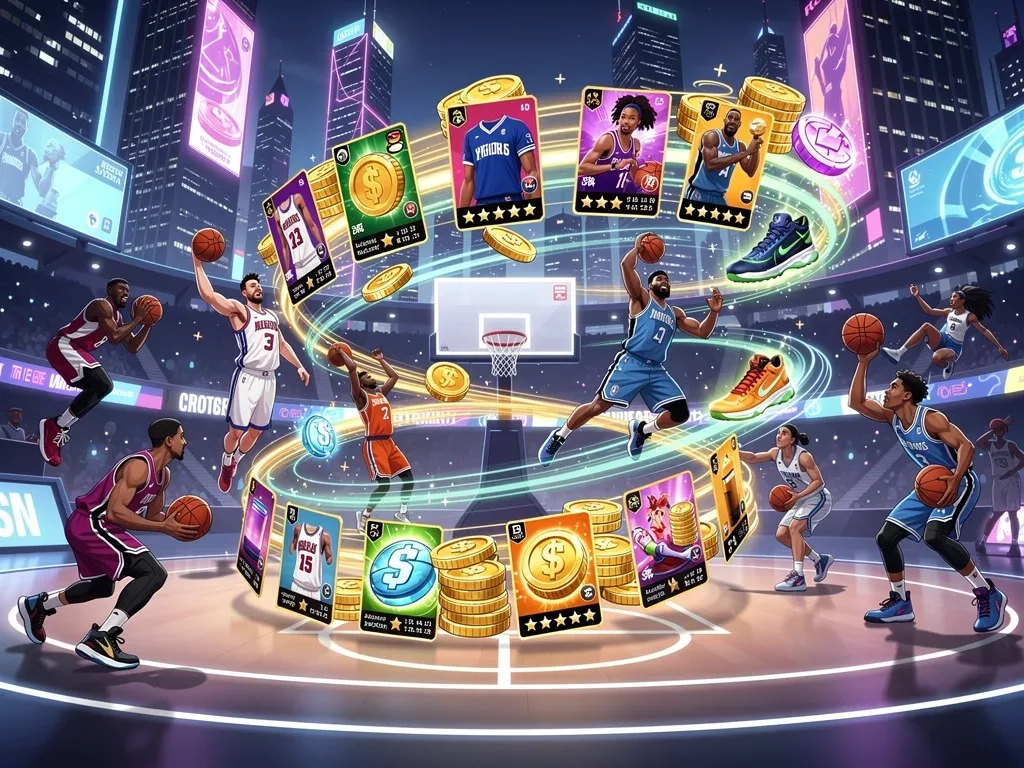
The basketball video game market is set for a substantial shift by 2026, with analysts forecasting a 7% rise in microtransaction spending, reflecting evolving player preferences and sophisticated in-game monetization strategies.
The landscape of virtual basketball is undergoing a significant transformation, with Basketball Video Game Market Trends: How 2026 Sees a 7% Rise in Microtransaction Spending becoming a central point of discussion among industry analysts and avid gamers alike. This isn’t just about new game releases; it’s about a fundamental shift in how players interact with their favorite titles and how developers monetize these experiences.
Understanding the Microtransaction Momentum in Basketball Gaming
The increasing prominence of microtransactions in basketball video games is not a sudden phenomenon but a culmination of evolving player expectations and sophisticated game design. These in-game purchases, ranging from cosmetic items to player upgrades, have become integral to the gaming experience, offering personalization and competitive advantages.
By 2026, this trend is projected to intensify, with a notable 7% increase in spending. This rise reflects a maturing market where players are more willing to invest in digital content that enhances their gameplay, expresses their individuality, or grants them an edge in competitive modes. Developers, in turn, are becoming more adept at integrating these features seamlessly into the game’s core loop, making them feel like natural extensions rather than intrusive additions.
The Evolution of In-Game Purchases
Microtransactions have come a long way from simple cosmetic skins. Today, they encompass a wide array of digital goods and services, each designed to cater to different player motivations.
- Cosmetic Customization: Players frequently purchase jerseys, shoes, tattoos, and celebration animations to personalize their avatars and stand out on the virtual court.
- Player Packs and Upgrades: Many games offer card packs or direct upgrades that can significantly impact team composition and player attributes, particularly in ultimate team-style modes.
- Season Passes and Battle Passes: These provide a tiered reward system, encouraging consistent play and offering exclusive content over a set period.
- Virtual Currency: The purchase of in-game currency allows players to acquire various items without grinding, saving time and offering convenience.
The sophisticated integration of these purchase options ensures that players find value in their spending, whether it’s for aesthetic appeal, competitive advantage, or simply to accelerate progress. This continuous innovation in microtransaction offerings is a key driver of the forecasted spending surge.
The growth in microtransaction spending within basketball video games is a testament to the industry’s ability to adapt and innovate. As games become more dynamic and connected, the appeal of personalized and enhanced experiences through in-game purchases only grows, solidifying their role in the future of the genre.
Key Drivers Behind the 7% Microtransaction Spending Increase by 2026
Several pivotal factors are converging to propel the anticipated 7% rise in microtransaction spending within the basketball video game market by 2026. These drivers are multifaceted, encompassing technological advancements, evolving player habits, and strategic business decisions by game developers.
Understanding these underlying mechanisms is crucial for grasping the trajectory of this market segment. The interplay of these elements creates a fertile ground for increased player investment, transforming how virtual basketball is played and consumed.
Enhanced Player Engagement and Retention
Modern basketball video games are designed with sophisticated engagement loops that keep players invested for longer periods. This sustained engagement directly correlates with a higher propensity for microtransaction spending.
- Live Service Models: Games adopting live service models provide continuous content updates, seasonal events, and new challenges, ensuring there’s always something fresh to experience.
- Competitive Ecosystems: Robust online multiplayer modes and esports initiatives foster a competitive environment where players seek every possible advantage, including those purchasable through microtransactions.
- Community Features: In-game social features, leaderboards, and customization options encourage players to showcase their progress and unique styles, often fueled by purchased items.
These elements collectively create a sticky experience, making players feel more connected to the game and, consequently, more likely to spend on in-game items. The emotional investment translates into financial investment, driving the projected growth.
Sophisticated Monetization Strategies
Game developers are continuously refining their monetization strategies, moving beyond simple pay-to-win models to more nuanced approaches that offer value and choice to players.
The implementation of tiered battle passes, cosmetic bundles, and limited-time offers creates a sense of urgency and exclusivity, encouraging players to make purchases. Furthermore, data analytics play a significant role, allowing developers to understand player spending habits and tailor offerings accordingly. This strategic approach to monetization ensures that microtransactions are perceived as value-added propositions rather than mere cash grabs, contributing significantly to the overall spending increase.
The confluence of deep player engagement, innovative game design, and refined monetization strategies forms the bedrock of the projected 7% increase in microtransaction spending. As games become more immersive and personalized, players are increasingly willing to invest in experiences that truly resonate with them.
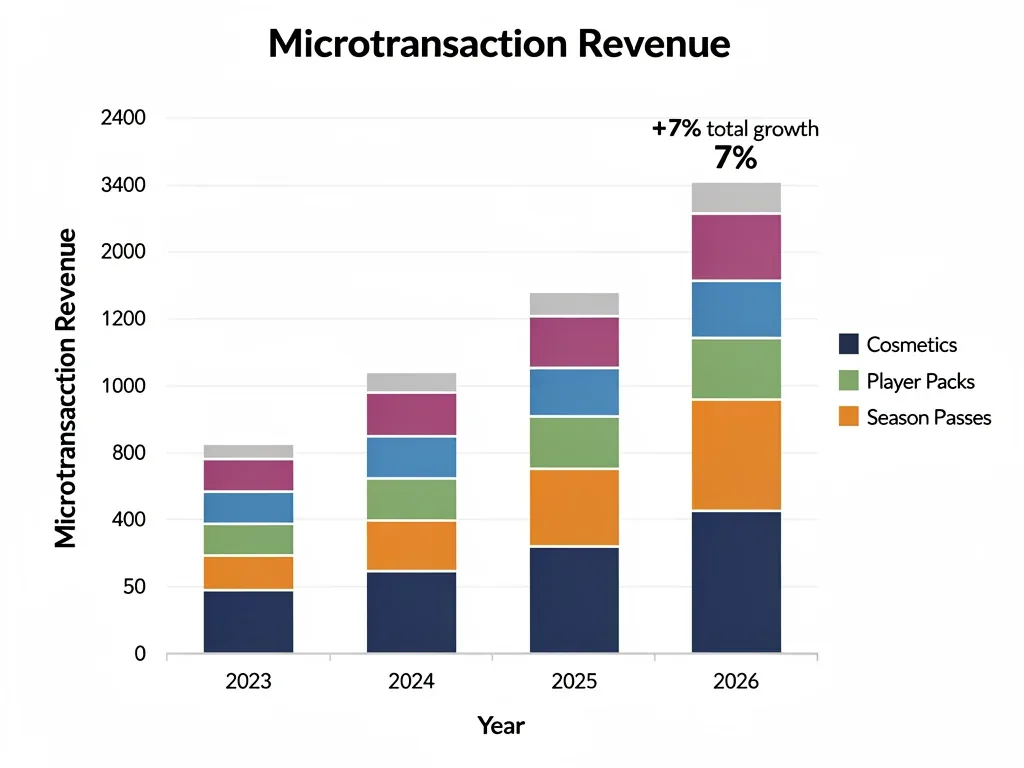
The Role of Next-Gen Consoles and Cross-Platform Play
The advent of next-generation consoles and the increasing prevalence of cross-platform play are not just enhancing graphical fidelity; they are fundamentally reshaping the basketball video game market and contributing significantly to the rise in microtransaction spending. These technological advancements create a more interconnected and immersive gaming ecosystem.
The improved capabilities of new hardware allow for more detailed and engaging in-game content, making microtransaction purchases more appealing. Cross-platform functionality, meanwhile, expands player bases, fostering larger communities and increased opportunities for in-game commerce.
Visual Fidelity and Immersive Experiences
Next-gen consoles bring unprecedented levels of graphical detail and processing power to basketball video games. This translates into more realistic player models, dynamic environments, and fluid animations, making the virtual experience more immersive than ever before.
- Enhanced Cosmetics: High-fidelity graphics make cosmetic microtransactions, such as intricately designed jerseys, sneakers, and player accessories, significantly more attractive.
- Realistic Player Likenesses: The ability to render players with incredible accuracy adds to the appeal of acquiring specific star players or unique character builds through microtransactions.
- Dynamic Environments: Improved graphical capabilities allow for more interactive and visually stunning arenas, further enhancing the overall game experience and making players more invested in their virtual presence.
When the game looks and feels more real, players are often more inclined to invest in enhancing their in-game persona and team, directly fueling microtransaction growth.
Expanding Reach with Cross-Platform Play
Cross-platform play breaks down barriers between different gaming ecosystems, allowing players on various consoles and PCs to compete and interact within the same game world. This expansion of the player base has a direct impact on microtransaction spending.
A larger, more diverse player pool means more potential customers for in-game purchases. It also intensifies competition, as players vie for supremacy against a broader array of opponents, often leading them to seek competitive advantages through purchasable items. Furthermore, cross-platform progression ensures that player investments in microtransactions carry over regardless of the device they are playing on, providing continuity and encouraging further spending. This interconnectedness is a powerful catalyst for the anticipated market growth.
The synergy between next-gen console capabilities and the widespread adoption of cross-platform play is creating a robust environment for the basketball video game market. As games become more visually stunning and accessible across platforms, the motivation for players to engage with and spend on microtransactions naturally increases, solidifying the projected 7% rise.
The Impact of Esports and Content Creation on Spending Habits
The burgeoning esports scene and the explosion of content creation, particularly on platforms like Twitch and YouTube, are exerting a profound influence on the microtransaction spending habits within basketball video games. These external forces create a dynamic ecosystem where aspiration, entertainment, and commerce are intricately linked.
Professional players and popular streamers often showcase high-tier in-game items, exclusive cosmetics, or powerful player cards, inadvertently encouraging their audience to emulate their success or style through in-game purchases. This aspirational element is a significant, yet often underestimated, driver of microtransaction growth.
Esports as a Catalyst for Competitive Spending
The competitive nature of basketball esports leagues and tournaments ignites a desire among casual players to improve their own game and achieve similar levels of performance. This often translates into spending on microtransactions that offer perceived or actual competitive advantages.
- Player Card Acquisition: In games with ultimate team modes, watching esports pros utilize specific high-rated players can prompt viewers to invest in packs or direct purchases to acquire those same players.
- Cosmetic Emulation: Esports athletes often sport unique or rare cosmetic items, inspiring fans to purchase similar items to feel more connected to the competitive scene.
- Skill-Based Purchases: While not directly skill-enhancing, some microtransactions are designed to accelerate progress, allowing players to reach competitive tiers faster.
The visibility and prestige associated with esports create a powerful incentive for players to invest in their virtual teams and avatars, directly contributing to the upward trend in microtransaction spending.
Content Creators and Influencer Marketing
Content creators, ranging from professional gamers to casual streamers, have become vital conduits for influencing player spending. Their daily streams and videos serve as powerful marketing platforms, often showcasing microtransaction items in action.
When a popular streamer opens numerous card packs, revealing rare players, or flaunts a new cosmetic bundle, it creates a strong desire among their audience to acquire similar items. Many developers also engage directly with influencers, providing them with early access to new content or sponsored segments that highlight purchasable items. This organic and sponsored exposure normalizes and even glamorizes microtransaction spending, making it a routine part of the basketball gaming experience for many viewers. The trust and rapport built between creators and their audience make these recommendations particularly potent, significantly contributing to the forecasted 7% rise.
The symbiotic relationship between esports, content creation, and the basketball video game market is a powerful engine for microtransaction growth. As these spheres continue to expand and intertwine, their influence on player spending habits will only deepen, reinforcing the projected market trends for 2026.
Technological Innovations and Personalized Player Experiences
Technological innovations are not merely improving the visual aspects of basketball video games; they are fundamentally transforming how players experience these titles, enabling deeply personalized interactions that directly fuel microtransaction spending. From advanced AI to sophisticated data analytics, these innovations create a more tailored and engaging environment.
The ability to offer unique and relevant content to individual players, based on their playstyle and preferences, makes microtransactions more enticing and less generic. This shift towards personalization is a critical component of the projected 7% increase in spending.
AI-Driven Customization and Recommendations
Artificial intelligence is playing an increasingly vital role in customizing the player experience. AI algorithms can analyze player behavior, spending patterns, and in-game achievements to offer highly personalized microtransaction recommendations.
- Tailored Storefronts: In-game stores can dynamically adjust their offerings based on a player’s preferred team, playstyle, or previously purchased items, increasing the likelihood of a purchase.
- Dynamic Content Generation: While still nascent, AI could eventually contribute to generating unique cosmetic items or challenges tailored to individual player profiles, making microtransactions feel more exclusive.
- Behavioral Nudging: AI can identify moments when a player might be most receptive to a microtransaction offer, such as after a significant win or loss, presenting relevant options at opportune times.
These intelligent systems make the microtransaction experience feel less like a generic advertisement and more like a curated selection of items specifically chosen for the player, significantly boosting engagement and spending.
Blockchain Integration and Digital Ownership
The potential integration of blockchain technology into basketball video games represents another frontier for microtransaction evolution. While still in early stages, blockchain could introduce true digital ownership and scarcity to in-game assets, profoundly impacting their perceived value.
Non-fungible tokens (NFTs) representing unique player cards, limited-edition jerseys, or exclusive court designs could create a secondary market for these digital assets, adding another layer of investment and value for players. The idea of owning a truly unique, verifiable digital item could drive significant spending, as players seek to acquire rare and valuable assets that can be traded or sold. This shift from mere licensing to actual ownership could revolutionize microtransactions, making them more akin to collecting physical memorabilia, and contributing to the anticipated surge in spending by 2026.
The continuous march of technological innovation, particularly in AI and the potential for blockchain, is creating a fertile ground for personalized and valuable microtransaction experiences. This evolution ensures that in-game purchases remain relevant and attractive to players, driving the projected growth in the basketball video game market.
Economic Factors and Shifting Consumer Behavior
Beyond technological and gaming-specific drivers, broader economic factors and evolving consumer behavior are also playing a crucial role in the projected 7% increase in microtransaction spending in basketball video games by 2026. These macroeconomic and sociological shifts influence disposable income, entertainment priorities, and the perceived value of digital goods.
Understanding these underlying economic currents is essential for a comprehensive view of the market’s trajectory, as they shape the environment in which players make their purchasing decisions.
Disposable Income and Entertainment Budgets
The general economic health and the disposable income of target demographics directly influence how much players are willing and able to spend on entertainment, including microtransactions. As economies stabilize and grow in key regions, more discretionary funds become available for leisure activities.
- Gaming as Primary Entertainment: For many, video games, especially those with live service models, have become a primary form of entertainment, often replacing or complementing other leisure activities. This prioritization means a larger portion of entertainment budgets is allocated to gaming.
- Accessibility of Digital Payments: The widespread adoption of easy and secure digital payment methods makes microtransaction purchases frictionless, reducing barriers to spending.
- Value Perception: As the quality and quantity of in-game content improve, players increasingly perceive microtransactions as offering good value for their entertainment dollar, especially when compared to other forms of media.
These factors contribute to a greater willingness to spend on in-game content, particularly when the perceived value proposition is strong.
The Normalization of Digital Ownership and Spending
Consumer behavior has steadily shifted towards greater acceptance and even expectation of digital ownership and spending across various platforms, from streaming services to digital music and e-books. This normalization extends directly to microtransactions in video games.
Younger generations, in particular, have grown up in an era where digital purchases are commonplace, and the concept of owning virtual items is fully integrated into their consumer habits. This cultural shift means there is less resistance to spending on in-game content, as it is viewed as a natural extension of the gaming experience. Furthermore, the social aspect of displaying unique items or having competitive advantages in online multiplayer modes reinforces this behavior, making microtransaction spending a status symbol or a means to enhance social standing within gaming communities. This deep-seated change in consumer psychology is a powerful, long-term driver of the forecasted increase in spending.
The interplay of improving economic conditions and the cultural acceptance of digital spending forms a strong foundation for the continued growth of microtransactions in basketball video games. As these trends mature, the 7% increase by 2026 appears not just plausible but highly probable, reflecting a fundamental shift in how consumers value and acquire digital content.
Future Outlook: Sustainability and Ethical Considerations
While the projected 7% rise in microtransaction spending in basketball video games by 2026 signifies robust market growth, it also brings to the forefront crucial discussions around sustainability and ethical considerations. For long-term health, the industry must balance monetization strategies with player welfare and fair practices.
Addressing these concerns proactively will be vital for maintaining player trust and ensuring the continued positive trajectory of the market, preventing potential backlashes that could hinder growth.
Balancing Monetization and Player Experience
The key to sustainable growth in microtransaction revenue lies in finding a delicate balance between effective monetization and preserving a positive player experience. Overly aggressive or predatory monetization tactics can alienate players and damage a game’s reputation.
- Transparency: Clear communication about drop rates, item values, and the probability of acquiring rare items helps build trust.
- Value Proposition: Microtransactions should offer genuine value, whether through cosmetic appeal, time savings, or enhancing enjoyment, rather than feeling like mandatory purchases to progress.
- Player Choice: Providing players with meaningful choices in how they spend their money, and ensuring that core gameplay remains enjoyable without spending, is crucial.
Developers who prioritize player satisfaction alongside revenue generation are more likely to achieve sustained success in the microtransaction space.
Addressing Ethical Concerns and Regulatory Scrutiny
The rise of microtransactions has attracted increasing scrutiny from regulators and consumer advocacy groups, particularly regarding issues like loot boxes and potential links to gambling-like behaviors. The industry must proactively address these concerns to avoid future restrictions.
Implementing self-regulatory measures, such as age restrictions for certain types of purchases, clear disclosures, and responsible spending limits, can help mitigate risks. Furthermore, fostering a culture of ethical game design that prioritizes player well-being over short-term financial gains will be paramount. By demonstrating a commitment to ethical practices, the basketball video game market can navigate potential regulatory challenges and ensure that the projected growth in microtransaction spending is both financially successful and socially responsible. This proactive approach is essential for securing a healthy and thriving future for the genre.
The future of microtransactions in basketball video games is bright, but it hinges on a commitment to ethical practices and a focus on delivering genuine value to players. By navigating these challenges thoughtfully, the industry can ensure that the projected 7% increase in spending by 2026 is not only achieved but sustained for years to come, benefiting both developers and the passionate player base.
| Key Trend | Brief Description |
|---|---|
| 7% Microtransaction Rise | Analysts predict a significant increase in in-game spending for basketball video games by 2026. |
| Player Engagement | Live service models, competitive modes, and community features drive sustained player investment. |
| Next-Gen & Cross-Platform | Improved graphics and broader player bases enhance microtransaction appeal and reach. |
| Ethical Monetization | Industry focus on transparency and fair practices is crucial for sustainable growth and player trust. |
Frequently Asked Questions About Basketball Game Microtransactions
What are the primary reasons for the projected 7% rise in microtransaction spending?▼The rise is driven by enhanced player engagement through live service models, sophisticated monetization strategies, the immersive experiences of next-gen consoles, and the expanded player base from cross-platform play. These factors collectively make in-game purchases more appealing and accessible to a wider audience.
How do next-gen consoles influence microtransaction spending?▼Next-gen consoles offer superior graphics and processing power, making cosmetic and player upgrades more visually appealing and immersive. This increased fidelity enhances the perceived value of microtransaction items, encouraging players to invest more in their virtual experience and customization.
What role do esports and content creators play in this trend?▼Esports and content creators significantly influence spending by showcasing high-tier items and competitive advantages. Viewers often aspire to emulate pros or streamers, leading them to purchase similar in-game content, thereby acting as powerful marketing channels for microtransactions.
Are there ethical concerns regarding increased microtransaction spending?▼Yes, ethical concerns exist, particularly regarding loot boxes and potential links to gambling-like behaviors. The industry faces scrutiny to ensure transparent practices, provide genuine value, and implement responsible spending limits to protect players and maintain trust.
How can developers ensure sustainable microtransaction growth?▼Sustainable growth requires developers to balance monetization with a positive player experience. This includes transparent communication, offering genuine value, providing player choice, and adhering to ethical game design principles to avoid player alienation and potential regulatory backlash.
Conclusion
The basketball video game market is on the cusp of a transformative period, with the projected 7% rise in microtransaction spending by 2026 reflecting a dynamic interplay of technological advancement, evolving player behavior, and refined monetization strategies. This growth underscores a deepening player engagement and a greater willingness to invest in personalized, immersive, and competitive virtual experiences. While the opportunities for innovation and revenue are substantial, the industry’s long-term success hinges on a commitment to ethical practices and maintaining a delicate balance between profitability and player satisfaction. As the lines between virtual and real-world basketball continue to blur, the future promises a richer, more interactive gaming landscape, driven by both passion for the sport and strategic in-game investments.