Chronic Pain: Non-Invasive Solutions for US Basketball Players in 2026
Advertisements
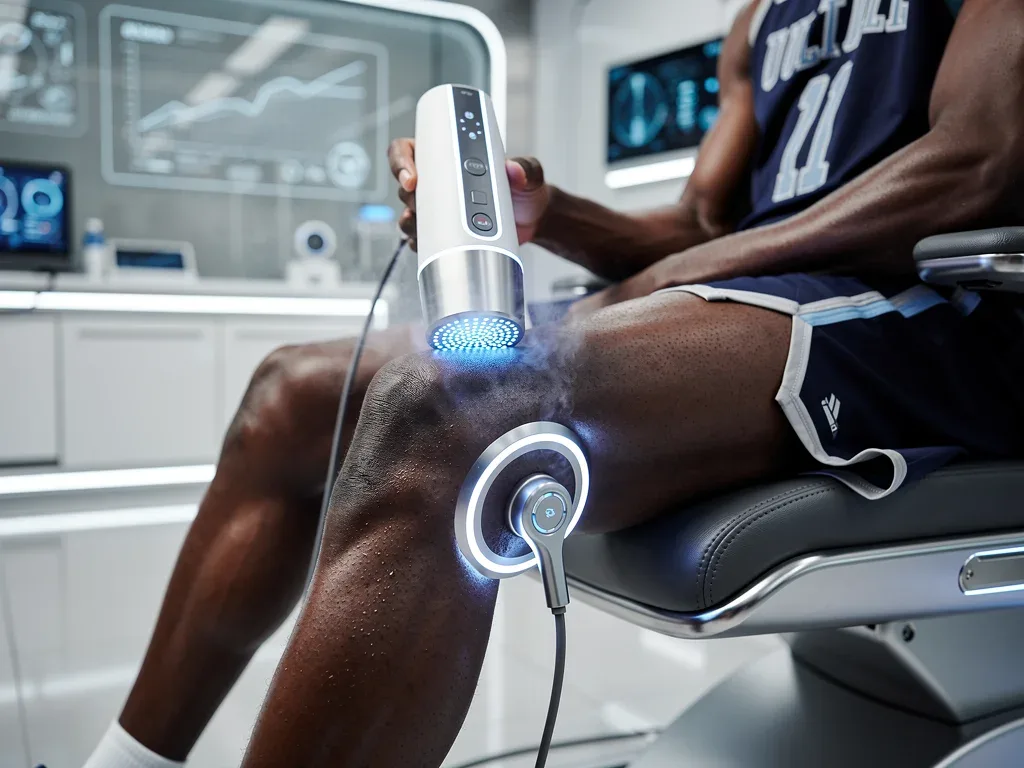
In 2026, US basketball players facing chronic pain are increasingly turning to advanced non-invasive solutions to manage discomfort, accelerate recovery, and extend their careers, moving beyond traditional approaches with innovative therapies and personalized care.
The relentless demands of professional basketball often lead to chronic pain, a pervasive issue that can significantly impact a player’s career longevity and quality of life. For US basketball players in 2026, the landscape of pain management is rapidly evolving, with a strong emphasis on chronic pain non-invasive solutions that prioritize healing without surgical intervention or excessive medication. This shift reflects a deeper understanding of athletic physiology and a commitment to sustainable player welfare. This article delves into the cutting-edge non-invasive treatments and strategies that are helping athletes stay on the court, perform at their peak, and navigate the challenges of persistent discomfort.
Understanding the Challenge of Chronic Pain in Basketball
Chronic pain is not merely an inconvenience for basketball players; it is a career-threatening condition that can erode performance, mental well-being, and overall health. The repetitive, high-impact nature of basketball, characterized by explosive jumps, sudden stops, and rapid changes in direction, places immense stress on joints, muscles, and connective tissues. Over time, this constant strain can lead to inflammatory responses, tissue degeneration, and nerve irritation, culminating in persistent pain that often defies conventional remedies.
Many players, driven by the pressure to perform, might initially ignore or mask their pain, leading to more severe complications down the line. The psychological toll of chronic pain, including anxiety, depression, and frustration, further complicates recovery. In 2026, sports medicine has evolved to recognize the multifaceted nature of chronic pain, moving beyond a singular focus on symptoms to address the underlying biomechanical, physiological, and psychological factors contributing to an athlete’s discomfort.
Common Pain Points for Basketball Athletes
Basketball players frequently encounter chronic pain in specific areas due to the biomechanics of the sport. Understanding these common pain points is crucial for developing targeted non-invasive interventions.
- Knee Pain: Often stemming from patellar tendinopathy (jumper’s knee) or osteoarthritis due to repetitive jumping and landing.
- Ankle Pain: Chronic ankle instability, Achilles tendinopathy, and post-sprain pain are prevalent given the frequent lateral movements and quick pivots.
- Back Pain: Lower back pain is common due to core muscle imbalances, repetitive hyperextension during shooting, and impact from falls.
- Shoulder Pain: Rotator cuff issues and impingement can arise from shooting motions and defensive actions.
Addressing these specific areas requires a comprehensive approach that considers not only the immediate pain but also the long-term structural integrity and functional capacity of the athlete. The goal is to restore normal movement patterns, strengthen supporting musculature, and reduce the cumulative stress on vulnerable joints.
Revolutionary Non-Invasive Therapies in 2026
The year 2026 marks a significant advancement in non-invasive pain management for athletes. These innovative therapies leverage technology and biological understanding to promote healing, reduce inflammation, and alleviate pain without the risks associated with surgery or long-term medication use. The focus is on modalities that are safe, effective, and allow for a quicker return to play.
One of the most promising areas is the continued development and widespread adoption of regenerative therapies. These treatments aim to harness the body’s natural healing capabilities to repair damaged tissues. While some regenerative therapies involve injections, they are considered non-invasive compared to surgical interventions, as they don’t require incisions or general anesthesia.
Advanced Regenerative Medicine Approaches
Regenerative medicine has become a cornerstone of non-invasive pain management, offering biological solutions to tissue repair.
- Platelet-Rich Plasma (PRP) Therapy: Utilizes a concentration of a player’s own platelets to deliver growth factors to injured areas, stimulating tissue regeneration and reducing inflammation.
- Stem Cell Therapy (Autologous): Involves extracting stem cells, typically from bone marrow or adipose tissue, and injecting them into damaged areas to promote cellular repair and reduce pain.
- Prolotherapy: Involves injecting a natural irritant solution into ligaments or tendons to stimulate the body’s healing response and strengthen weakened connective tissues.
These therapies are increasingly sophisticated, with improved targeting techniques and a deeper understanding of their mechanisms of action, making them more effective and predictable for chronic conditions like tendinopathies and early-stage osteoarthritis. The personalized nature of these treatments, using the athlete’s own biological material, minimizes risks and enhances compatibility.
Cutting-Edge Physical Therapy and Rehabilitation
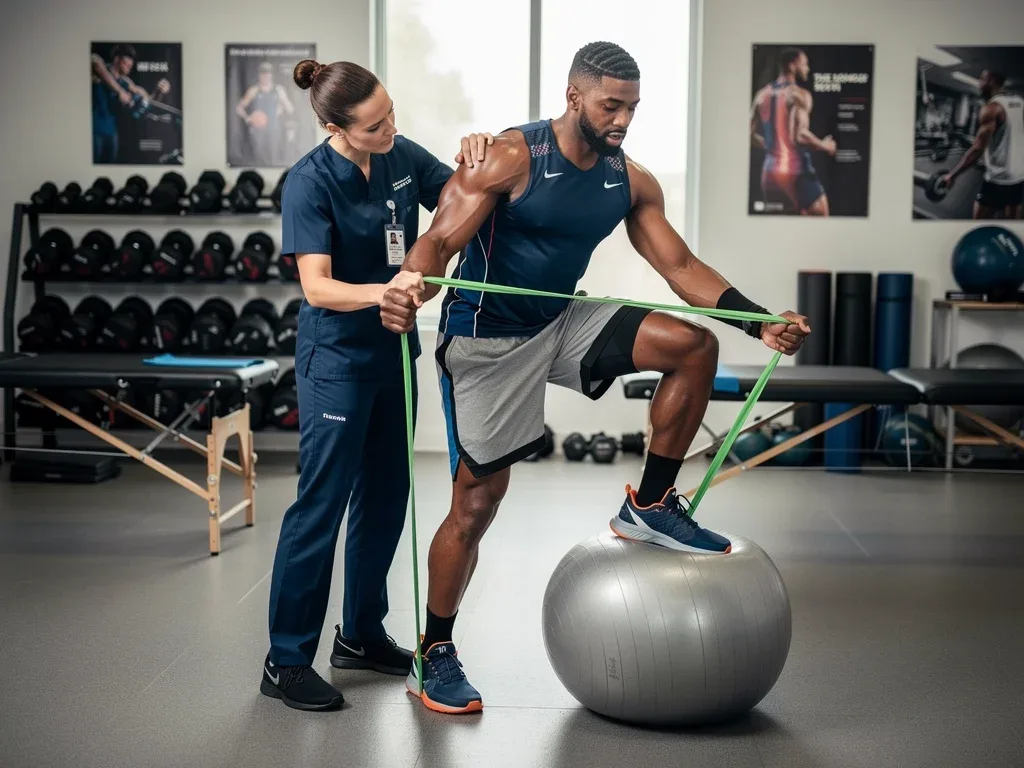
Physical therapy remains an indispensable component of chronic pain management, but in 2026, it has evolved beyond traditional exercises. Modern physical therapy for basketball players incorporates advanced biomechanical analysis, personalized exercise prescriptions, and state-of-the-art equipment to optimize recovery and prevent recurrence. The emphasis is on restoring functional movement, enhancing strength and flexibility, and correcting underlying imbalances that contribute to pain. Optimizing Basketball Performance: Injury Prevention & Recovery for US Athletes is a key aspect of this approach.
Therapists now utilize sophisticated motion capture systems and force plates to precisely identify movement dysfunctions and areas of excessive stress. This data-driven approach allows for highly individualized treatment plans that address the unique needs of each athlete, moving beyond generic protocols. The integration of virtual reality (VR) and augmented reality (AR) in rehabilitation also provides engaging and measurable training environments, improving adherence and outcomes.
Innovative Rehabilitation Techniques
Beyond standard exercises, several advanced techniques are being integrated into physical therapy programs:
- Blood Flow Restriction (BFR) Training: Allows athletes to achieve significant strength gains with lighter loads, reducing stress on painful joints while still promoting muscle hypertrophy and endurance.
- Neuromuscular Re-education: Focuses on improving the communication between the brain and muscles, enhancing stability, coordination, and proprioception to prevent injury and manage pain.
- Dry Needling and Myofascial Release: Techniques aimed at releasing trigger points and fascial restrictions that contribute to muscle pain and tightness, improving range of motion and reducing discomfort.
These techniques, combined with traditional strengthening and flexibility exercises, create a holistic rehabilitation program. The goal is not just to alleviate pain but to build a more resilient and functionally robust athlete, capable of withstanding the rigors of professional basketball.
Technological Innovations for Pain Relief
Technology plays an increasingly vital role in non-invasive chronic pain management. From wearable devices to advanced therapeutic machines, these innovations offer new avenues for pain assessment, treatment, and monitoring. The integration of artificial intelligence (AI) and machine learning (ML) is also transforming how these technologies are applied, allowing for more personalized and adaptive interventions.
Wearable sensors, for instance, can track biomechanical data during practice and games, providing real-time feedback on movement patterns that might contribute to pain. This data can then inform training adjustments and therapeutic interventions. Similarly, advanced imaging techniques offer more detailed insights into tissue health, guiding targeted treatments. The continuous evolution of these tools makes pain management more precise and proactive.
High-Tech Pain Management Modalities
Several technological advancements are now standard in elite sports medicine facilities:
- Pulsed Electromagnetic Field (PEMF) Therapy: Uses electromagnetic fields to stimulate cellular repair, reduce inflammation, and alleviate pain, particularly effective for bone healing and soft tissue injuries.
- High-Intensity Laser Therapy (HILT): Delivers concentrated light energy to deep tissues, promoting cellular regeneration, reducing pain, and speeding up recovery by stimulating metabolic processes.
- Focused Extracorporeal Shockwave Therapy (fESWT): Delivers acoustic waves to injured tissues, stimulating neovascularization and tissue repair, especially useful for chronic tendinopathies and plantar fasciitis.
- Cryotherapy and Thermotherapy Devices: Advanced localized and whole-body cryotherapy units, along with targeted heat therapy systems, provide rapid pain relief and reduce inflammation, accelerating recovery post-exertion or injury.
These technologies are often used in conjunction with other therapies, creating synergistic effects that enhance overall treatment outcomes. The non-pharmacological nature of these approaches is particularly appealing to athletes and medical staff seeking to minimize reliance on pain medications.
The Role of Holistic and Lifestyle Interventions
Beyond clinical treatments, a holistic approach to chronic pain management recognizes the profound impact of lifestyle factors on an athlete’s health and recovery. Nutrition, sleep, mental health, and stress management are all critical components that can either exacerbate or alleviate chronic pain. In 2026, sports organizations are increasingly investing in comprehensive wellness programs that address these aspects, understanding that peak performance is inextricably linked to overall well-being.
Personalized nutritional plans, tailored to the specific demands of a basketball player’s body and their recovery needs, are becoming standard. Emphasis is placed on anti-inflammatory diets, adequate hydration, and targeted supplementation to support tissue repair and reduce systemic inflammation. Similarly, optimizing sleep patterns is recognized as fundamental for hormonal balance, muscle repair, and cognitive function, all of which influence pain perception and healing.
Key Lifestyle Strategies for Pain Management
Integrating these strategies into a player’s daily routine can significantly enhance their ability to manage and overcome chronic pain:
- Anti-Inflammatory Nutrition: Emphasizing whole foods, lean proteins, healthy fats (like omega-3s), and a variety of fruits and vegetables rich in antioxidants to combat systemic inflammation.
- Optimized Sleep Hygiene: Establishing consistent sleep schedules, creating a conducive sleep environment, and utilizing sleep tracking technology to ensure adequate restorative sleep.
- Mindfulness and Mental Health Support: Incorporating practices like meditation, guided imagery, and access to sports psychologists to manage stress, anxiety, and the psychological burden of chronic pain.
- Targeted Supplementation: Using evidence-based supplements such as turmeric, ginger, magnesium, and collagen to support joint health, reduce inflammation, and aid recovery.
By fostering a comprehensive wellness environment, teams and players can create a powerful defense against chronic pain, promoting not just physical recovery but also mental resilience and overall health. This integrated approach ensures that athletes are supported not only as performers but as whole individuals.
Preventative Strategies and Long-Term Player Health
While effective treatments for chronic pain are crucial, the ultimate goal for US basketball players in 2026 is prevention. Proactive strategies focused on injury risk reduction, early detection, and long-term athletic development are paramount. This involves continuous monitoring, personalized training programs, and a culture that prioritizes player health over short-term gains. The emphasis has shifted from simply treating injuries to building a robust and resilient athlete from the ground up.
Preventative measures often begin with a deep understanding of each player’s individual biomechanics, genetic predispositions, and training loads. Advanced analytical tools can identify subtle asymmetries or movement patterns that might predispose a player to certain injuries. This data-driven approach allows for highly individualized training and conditioning programs designed to mitigate specific risks. Furthermore, load management strategies, which carefully monitor and adjust the intensity and volume of training and game play, are critical in preventing overuse injuries that often lead to chronic pain.
Components of a Robust Prevention Program
Effective prevention programs are multi-faceted and continuously adapted based on player data and evolving research:
- Biomechanical Screening and Correction: Regular assessments to identify and correct movement inefficiencies, muscle imbalances, and postural issues that can lead to chronic stress on joints and tissues.
- Individualized Strength and Conditioning: Tailored programs that focus on developing balanced strength, power, and endurance, with particular attention to core stability and joint protection.
- Load Management Protocols: Scientific monitoring of training and game workloads to prevent overtraining and allow for adequate recovery, reducing the risk of overuse injuries.
- Nutritional and Hydration Planning: Proactive dietary strategies to support tissue health, reduce inflammation, and optimize recovery, preventing nutritional deficiencies that could impair healing.
By integrating these preventative strategies, basketball organizations aim to not only minimize the incidence of chronic pain but also to extend the careers of their athletes, ensuring they can perform at an elite level for as long as possible. The investment in prevention yields significant returns in player health, performance, and team success.
The Future Landscape of Pain Management for Athletes
Looking ahead, the evolution of non-invasive solutions for chronic pain in US basketball players promises even more sophisticated and personalized approaches. The convergence of artificial intelligence, advanced robotics, and deeper biological understanding will likely lead to breakthroughs that were once considered science fiction. This future landscape will prioritize predictive analytics, ultra-personalized treatments, and seamless integration of various therapeutic modalities, all aimed at keeping athletes healthy and on the court.
Imagine AI-powered diagnostic tools that can predict a player’s susceptibility to certain injuries based on genetic markers and real-time biomechanical data, allowing for interventions before pain even manifests. Or robotic-assisted rehabilitation systems that provide ultra-precise and consistent therapeutic exercises, adapting in real-time to a player’s progress. These advancements will further reduce the need for invasive procedures and minimize reliance on pharmacological interventions, embodying a truly holistic and preventative model of care.
Emerging Trends and Technologies
Several exciting areas are on the horizon for chronic pain management:
- AI-Driven Diagnostics and Predictive Analytics: Leveraging machine learning to analyze vast datasets of player health, performance, and genetic information to identify injury risks and tailor preventative strategies with unprecedented accuracy.
- Personalized Nanomedicine: The development of targeted drug delivery systems at the cellular level to reduce inflammation and promote healing with minimal systemic side effects.
- Bio-integrated Wearables: Advanced sensors embedded in athletic gear that provide continuous, non-invasive monitoring of physiological markers, stress levels, and recovery status, offering actionable insights for pain prevention and management.
- Virtual Reality (VR) for Pain Modulation and Rehabilitation: Immersive VR environments used not only for engaging rehabilitation exercises but also for distracting from pain and retraining pain perception pathways.
These future developments underscore a commitment to pushing the boundaries of sports medicine, ensuring that US basketball players in 2026 and beyond have access to the most advanced, effective, and non-invasive solutions for chronic pain. The aim is to create a future where chronic pain is not an inevitable consequence of an athletic career but a manageable and often preventable challenge.
| Key Non-Invasive Solution | Brief Description |
|---|---|
| Regenerative Therapies | Harnesses body’s healing with PRP and stem cells to repair damaged tissues and reduce inflammation. |
| Advanced Physical Therapy | Data-driven, personalized exercise and rehabilitation to restore function, strength, and correct imbalances. |
| Technological Modalities | Utilizes PEMF, HILT, and Shockwave therapy for targeted pain relief and accelerated tissue repair. |
| Holistic & Lifestyle Interventions | Integrates nutrition, sleep, and mental health strategies to support overall wellness and pain management. |
Frequently Asked Questions About Non-Invasive Pain Management
What are the primary benefits of non-invasive solutions for chronic pain in basketball players?▼Non-invasive solutions offer numerous benefits, including reduced recovery times, avoidance of surgical risks, minimal downtime, and a decreased reliance on pain medication. They focus on natural healing and long-term functional improvement, allowing players to return to their sport safely and sustainably, preserving their careers without aggressive interventions.
How do regenerative therapies like PRP and stem cells work for athletes?▼PRP therapy concentrates platelets from a player’s blood, rich in growth factors, and injects them into injured areas to stimulate healing. Stem cell therapy involves using the player’s own stem cells to promote tissue regeneration. Both methods harness the body’s natural repair mechanisms to reduce pain and restore function in damaged joints and soft tissues.