Social Media’s Impact on 2026 Street Style: A Data Analysis
Advertisements
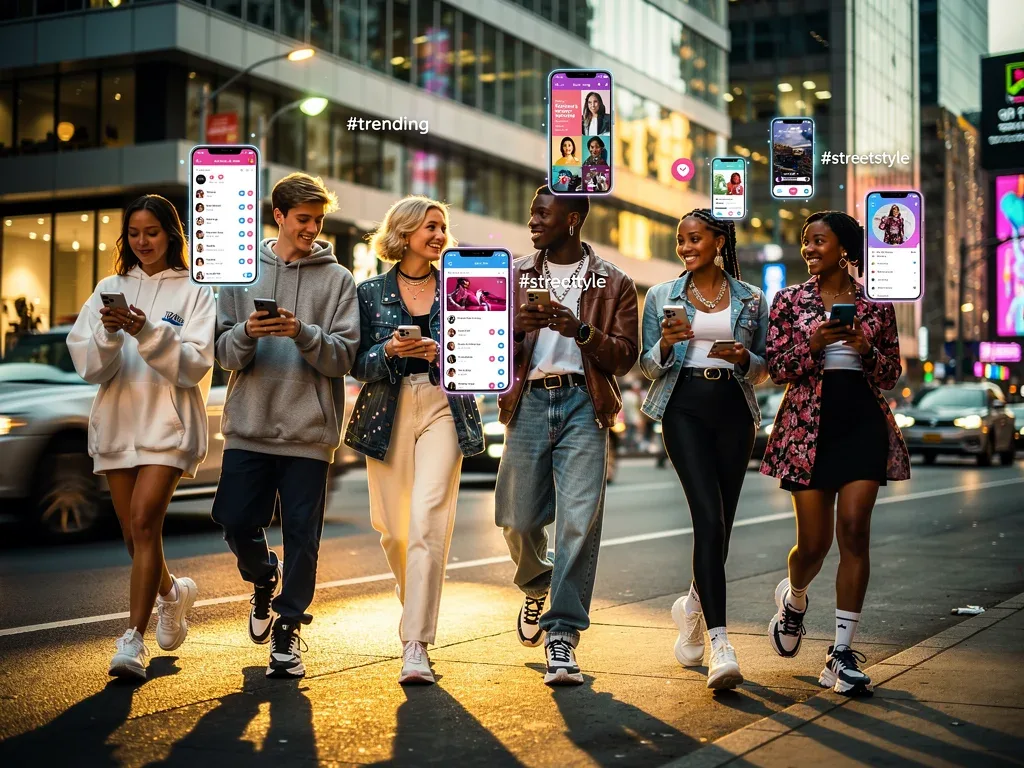
Social media is profoundly reshaping 2026 street style trends by accelerating trend cycles, amplifying micro-influencers, and democratizing fashion, as revealed through data-driven analysis.
The streets have always been a runway, a dynamic canvas reflecting societal shifts and individual expression. However, the influence of digital platforms has fundamentally altered this landscape. Today, the impact of social media on 2026 street style trends: a data-driven analysis reveals an unprecedented acceleration of fashion cycles and a democratization of influence that was unimaginable just a decade ago. How exactly are these digital currents shaping what we’ll see on sidewalks and city squares in the coming years?
The Acceleration of Trend Cycles Through Digital Virality
Social media platforms have dramatically compressed the lifespan of fashion trends. What once took seasons to disseminate now spreads globally in weeks, sometimes days, fueled by viral content. This rapid turnover demands constant innovation from designers and pushes consumers to adapt quickly, creating a high-velocity fashion ecosystem.
From Niche to Mainstream: The Viral Loop
The mechanism behind this acceleration is often a viral loop. A unique style, an innovative pairing, or a particular accessory gains traction within a small community, then explodes into mainstream consciousness through shares, likes, and algorithmic amplification. This process bypasses traditional gatekeepers, allowing unconventional aesthetics to find a global audience.
- TikTok’s ‘For You Page’: The algorithmic power of TikTok’s recommendation engine frequently pushes niche aesthetics like ‘Dark Academia’ or ‘Cottagecore’ into the mainstream, influencing mass-market retailers.
- Instagram Reels and Shorts: Short-form video content on these platforms showcases styling tips, outfit-of-the-day (OOTD) videos, and fashion challenges, rapidly popularizing specific garments or entire looks.
- Pinterest Boards: Visual curation on Pinterest serves as an aspirational mood board for millions, translating abstract style concepts into actionable trends for personal wardrobes.
The data clearly shows a correlation between spikes in social media engagement around a particular style and its subsequent appearance in fast fashion collections. This instantaneous feedback loop means designers are now reacting to real-time consumer preferences, rather than dictating them.
The Rise of the Micro-Influencer and Niche Communities
While celebrity endorsements once reigned supreme, 2026 street style is increasingly shaped by micro-influencers and hyper-focused online communities. These smaller, more authentic voices often resonate more deeply with their followers, offering relatable and achievable style inspiration.
Micro-influencers, with their dedicated followings, foster a sense of community and trust that larger celebrities often cannot. They specialize in specific aesthetics, body types, or budget ranges, making their recommendations highly targeted and impactful. This shift decentralizes fashion authority, spreading influence across a broader spectrum of individuals.
Authenticity Over Aspiration: The New Style Standard
Consumers in 2026 are increasingly seeking authenticity. They want to see clothes worn by people who look like them, live in similar environments, and face similar lifestyle challenges. Micro-influencers deliver this, showcasing how trends can be adapted for everyday life, not just high fashion events.
- Community-Driven Trends: Online forums and private groups on platforms like Reddit or Discord often incubate and refine style trends before they break out onto public feeds.
- User-Generated Content (UGC): The sheer volume of UGC, from outfit posts to styling tutorials, creates a vast, ever-evolving database of street style inspiration that is constantly being refreshed and reinterpreted.
- Direct Engagement: The ability for followers to directly interact with micro-influencers through comments and DMs means trends can be collaboratively developed and refined in real-time.
This data-driven insight into micro-influencer impact highlights a move away from top-down fashion dictation towards a more organic, community-led evolution of style. Their influence is not just about showing clothes, but about building narratives and inspiring personalized interpretations of trends.
Democratization of Design and Accessibility to Trends
Social media has not only influenced how trends spread but also who creates them and who can access them. The barrier to entry for fashion design and trendsetting has significantly lowered, allowing anyone with a phone and a creative vision to contribute to the global style conversation.
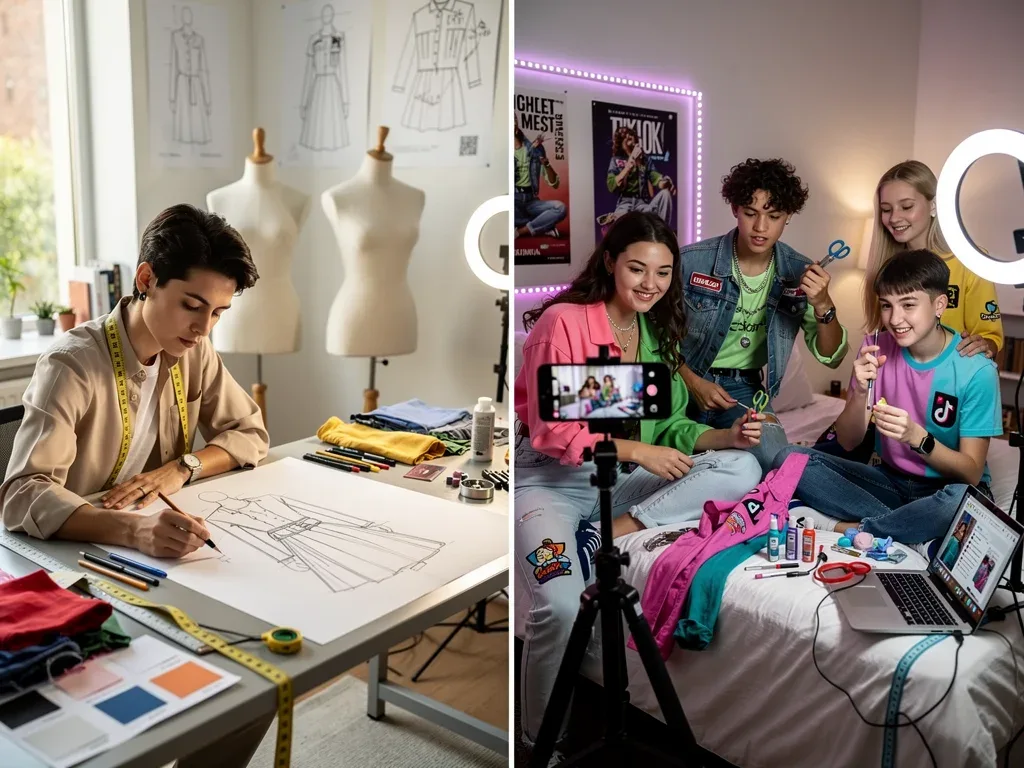
From DIY tutorials on YouTube to upcycling challenges on Instagram, individuals are becoming designers in their own right, directly influencing what is considered fashionable. This democratization extends to accessibility, with affordable alternatives and styling hacks making high-fashion aesthetics available to a wider audience.
Open-Source Fashion: From Concept to Closet
The concept of ‘open-source fashion’ has emerged, where design ideas are shared freely, remixed, and reinterpreted by a global community. This collaborative approach means trends are less about exclusive collections and more about shared inspiration and collective creativity.
Moreover, the transparency offered by social media allows consumers to trace the origins of trends and understand the stories behind them, fostering a more informed and engaged fashion community. This shift also puts pressure on brands to be more transparent and sustainable in their practices, as consumers become more discerning.
The Influence of Algorithmic Curation on Personal Style
While social media offers a vast array of style inspiration, the algorithms that govern our feeds play a crucial role in curating what we see. This algorithmic curation significantly impacts personal style, often reinforcing existing preferences while occasionally introducing new, unexpected trends.
The personalized nature of social media feeds means that each user experiences a unique fashion landscape. Algorithms learn from our interactions, serving up content that aligns with our past interests. This can be a double-edged sword: it offers endless inspiration tailored to our tastes but can also create echo chambers, limiting exposure to diverse styles.
The Filter Bubble of Fashion
The ‘filter bubble’ effect, where algorithms show us only what they think we want to see, can lead to a homogenization of style within individual feeds. While global trends emerge, personal style within these bubbles can become increasingly refined yet potentially less diverse. Data analysis shows how users who engage with specific aesthetics tend to be shown more of that content, solidifying their style choices.
- Personalized Discovery: Algorithms introduce users to new brands, designers, and styling techniques that align with their inferred preferences, streamlining the discovery process.
- Trend Reinforcement: Repeated exposure to similar aesthetics within a personalized feed can reinforce certain trends, making them feel more dominant than they might be globally.
- Unexpected Serendipity: Despite filter bubbles, algorithms occasionally introduce novel or tangential content, leading to unexpected style discoveries that break users out of their usual patterns.
Understanding the role of algorithmic curation is essential for comprehending how individuals navigate the vast ocean of social media fashion content and how their personal style evolves within these digital confines.
Data-Driven Insights: Predicting 2026 Street Style Trends
Leveraging data analytics, we can gain significant insights into emerging street style trends for 2026. By tracking hashtags, engagement rates, influencer collaborations, and geographic spread of fashion content, we can forecast future directions with remarkable accuracy.
Advanced AI tools analyze millions of posts daily, identifying patterns and anomalies that signal shifts in consumer preference. This predictive power is invaluable for brands, retailers, and even individual style enthusiasts looking to stay ahead of the curve. The ability to quantify the popularity and trajectory of a trend is revolutionizing the fashion industry.
Key Data Points for Trend Prediction
Several metrics are crucial for predicting street style movements. These include not just volume of posts but also the sentiment expressed in comments, the diversity of users adopting a trend, and its longevity across different platforms.
- Engagement Metrics: Likes, shares, comments, and saves on fashion-related content indicate user interest and the potential for a trend to go viral.
- Hashtag Analysis: Tracking the growth and evolution of specific fashion hashtags reveals emerging aesthetics and the communities forming around them.
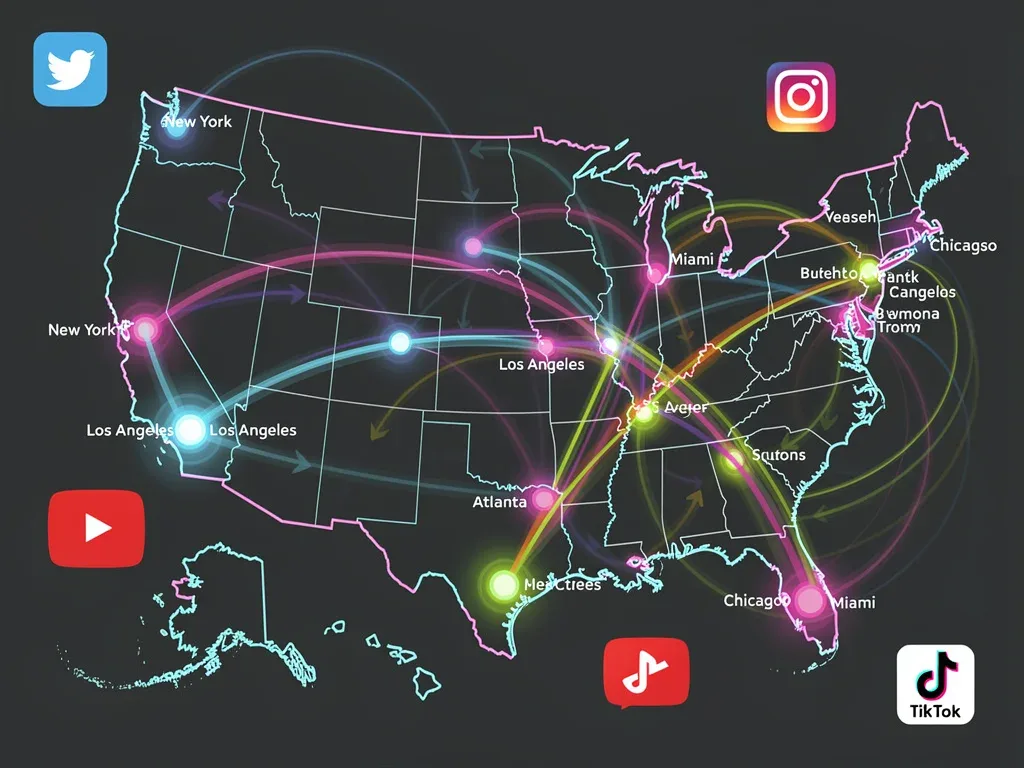
- Geographic Diffusion: Analyzing where a trend originates and how it spreads geographically can indicate its potential for broader adoption and global influence.
- Influencer Network Mapping: Identifying key influencers and their interconnectedness helps understand how trends are being propagated and who is driving their momentum.
This analytical approach moves beyond anecdotal observation, providing concrete, quantifiable evidence of how social media dictates the future of street style. The data doesn’t just tell us what’s popular; it tells us why and where it’s gaining traction.
The Intersection of Digital and Physical Street Style
While social media profoundly influences street style, the physical world remains its ultimate proving ground. The true measure of a trend’s impact is its translation from digital feeds to tangible outfits worn in public spaces. This intersection is where virtual inspiration meets real-world application.
Street style photographers continue to play a vital role, capturing these real-world interpretations and often reintroducing them into the digital sphere, creating a continuous feedback loop. This dynamic interplay ensures that street style remains grounded in reality while constantly being innovated by digital currents.
Bridging the Gap: From Screen to Scene
The journey of a trend from a social media post to a street style staple involves several steps. It often begins with an influencer showcasing a look, followed by widespread adoption by their followers, and finally, its integration into mainstream fashion through fast fashion retailers and mass-market brands.
This process is not always linear. Sometimes, a unique street look captured by a photographer goes viral online, inspiring countless recreations. The key is the constant exchange between the digital and physical realms, each feeding and reinforcing the other. The ability to share street style instantly online means that local trends can quickly become global phenomena.
- Real-World Validation: A trend gains credibility and longevity when it is consistently seen and adopted in diverse physical environments, not just curated online feeds.
- Inspiration for Content Creation: Physical street style serves as endless inspiration for social media content creators, driving new cycles of posts and engagement.
- Brand Adaptation: Fashion brands closely monitor both digital and physical street style to inform their design processes and marketing strategies, ensuring their offerings resonate with current consumer tastes.
Ultimately, the vitality of 2026 street style lies in this intricate dance between online inspiration and offline expression, where social media acts as both a catalyst and a mirror for evolving fashion sensibilities.
| Key Trend Driver | Brief Impact Description |
|---|---|
| Accelerated Trend Cycles | Viral content rapidly disseminates styles, compressing trend lifespans from seasons to weeks or days. |
| Micro-Influencer Power | Authentic, niche voices drive trends more effectively than traditional celebrities, decentralizing fashion authority. |
| Democratized Design | Social media lowers entry barriers for trendsetting, allowing individuals to create and share styles globally. |
| Algorithmic Curation | Personalized feeds shape individual style exposure, reinforcing preferences and occasionally introducing new aesthetics. |
Frequently Asked Questions About Social Media and Street Style
How quickly do social media trends impact street style in 2026?▼Social media trends can impact street style almost instantly in 2026. Viral content can spread a new aesthetic globally within days or weeks, a significant acceleration compared to traditional fashion cycles that historically took months or even seasons to disseminate.
Are traditional fashion designers still relevant with social media’s influence?▼Yes, traditional fashion designers remain relevant, but their role has evolved. They now often draw inspiration from street style trends amplified by social media and adapt their collections to resonate with digitally informed consumer preferences, creating a dynamic feedback loop.
What role do micro-influencers play in 2026 street style?▼Micro-influencers are crucial in 2026 street style, driving authenticity and niche trends. Their dedicated, engaged followers trust their recommendations, leading to more organic trend adoption and a broader distribution of fashion authority across various communities.
How does data analysis help predict future street style trends?▼Data analysis helps predict trends by tracking engagement metrics, hashtag usage, and geographic spread of fashion content on social media. AI tools identify patterns and anomalies, offering quantifiable insights into emerging styles and their potential for widespread adoption.
Can social media lead to a homogenization of street style?▼While social media can accelerate global trends, algorithmic curation may create personalized filter bubbles that reinforce individual style preferences. This can lead to a homogenization within specific user feeds, but the overall street style landscape remains diverse due to countless niche communities.
Conclusion
The intricate dance between digital platforms and urban fashion has undeniably reshaped the essence of street style. Our data-driven analysis into the impact of social media on 2026 street style trends reveals a landscape where speed, authenticity, and democratized influence are paramount. Social media has transformed street style from a localized phenomenon into a globally interconnected conversation, accelerating trend cycles, amplifying diverse voices, and fostering a collaborative environment for fashion creation and consumption. As we move further into 2026, the symbiotic relationship between our digital lives and our sartorial choices will only deepen, continually redefining what it means to be stylish on the streets of America and beyond.