Social Media’s Impact on Player Endorsement Deals: 2026 Engagement
Advertisements
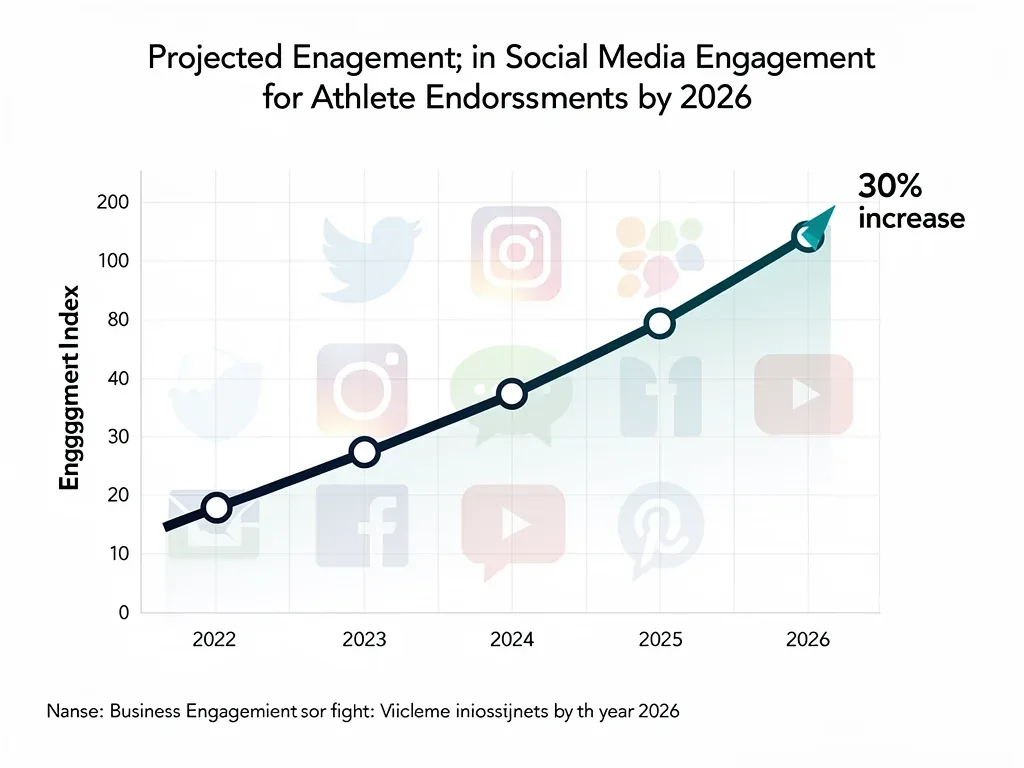
Social media is profoundly transforming player endorsement deals, fostering a significant 30% higher engagement by 2026 and fundamentally altering how athletes and brands connect with audiences.
The landscape of sports marketing is undergoing a seismic shift, with social media at its epicenter. By 2026, we anticipate that the influence of social media on player endorsement deals: a 2026 look at 30% higher engagement rates will not just be a trend, but a foundational element of how athletes connect with brands and fans.
The evolving landscape of athlete endorsements
Athlete endorsements have long been a cornerstone of brand marketing, leveraging the star power of sports figures to connect with consumers. Historically, these deals were primarily brokered through agents and focused on traditional media channels like television commercials, print ads, and billboards. The athlete’s reach was largely determined by their on-field performance and media appearances.
However, the digital revolution, particularly the rise of social media platforms, has fundamentally reshaped this paradigm. Athletes are no longer just performers; they are media moguls in their own right, curating their personal brands and engaging directly with millions of followers. This direct line to consumers offers an unprecedented level of authenticity and immediacy that traditional advertising struggles to replicate. Brands are increasingly recognizing this shift, prioritizing athletes with strong, engaged social followings over those with just pure athletic prowess.
The shift isn’t merely about follower count; it’s about the depth of engagement. A million followers mean little if they aren’t actively interacting with the content. This is where the 2026 projection of 30% higher engagement rates becomes critical. Brands are seeking genuine connections, not just impressions, and social media provides the metrics to prove that connection. The ability to track likes, comments, shares, and even conversion rates directly linked to an athlete’s post offers a level of accountability and insight previously unattainable.
Measuring impact: beyond follower counts
In the past, the success of an endorsement deal was often measured by broad metrics like brand recognition surveys or sales figures that were difficult to directly attribute. The advent of social media has introduced a new era of precise, data-driven evaluation. It’s no longer sufficient to merely have a large following; the true value lies in the engagement that following generates.
Brands are now meticulously analyzing engagement rates, which include likes, comments, shares, saves, and direct messages. These interactions provide tangible proof of audience interest and connection, offering a more nuanced understanding of an athlete’s influence. A higher engagement rate signifies a more active, loyal, and receptive audience, which translates into more effective marketing for the sponsoring brand.
The sophistication of analytical tools has also evolved dramatically. Platforms and third-party services now offer deep dives into audience demographics, sentiment analysis, and even conversion tracking directly from social media campaigns. This allows brands to tailor their strategies with unprecedented precision, ensuring that their messages resonate with the right audience through the right athlete.
Key engagement metrics for brands
- Engagement Rate: Percentage of followers who interact with content.
- Reach and Impressions: How many unique users saw the content and total views.
- Audience Demographics: Age, gender, location, and interests of followers.
- Sentiment Analysis: The emotional tone of comments and reactions.
By focusing on these detailed metrics, brands can move beyond superficial vanity metrics and invest in partnerships that deliver demonstrable return on investment. This data-centric approach is a significant driver behind the anticipated 30% higher engagement rates by 2026, as both athletes and brands become more adept at optimizing their social media strategies for maximum impact.
Authenticity and personal branding in the digital age
The digital landscape has empowered athletes to cultivate their personal brands with a level of autonomy never before seen. This shift from being merely spokespeople to genuine content creators has placed authenticity at the forefront of successful endorsement deals. Consumers, especially younger generations, are increasingly discerning and can quickly identify content that feels forced or inauthentic.
Athletes who share genuine insights into their training, daily lives, struggles, and triumphs, often resonate more deeply with their audience. This transparency builds trust and fosters a stronger connection, making their endorsements feel more like genuine recommendations rather than paid advertisements. Brands that understand this are seeking athletes who can organically integrate their products and messages into their existing content style, rather than dictating a rigid script.
Personal branding extends beyond just what an athlete posts; it encompasses their values, their causes, and their interactions with fans. Social media provides a platform for athletes to advocate for issues important to them, showcasing their character beyond the court or field. This holistic approach to personal branding creates a more compelling narrative for both the athlete and the brands they represent.
Strategies for authentic branding
- Share personal stories: Connect with fans on a human level.
- Engage directly: Respond to comments and messages.
- Align with personal values: Endorse products that genuinely fit their lifestyle.
- Showcase behind-the-scenes: Offer exclusive glimpses into their world.
The emphasis on authenticity is a major contributor to the projected increase in engagement. When fans feel a genuine connection to an athlete, they are more likely to engage with their content, trust their recommendations, and ultimately, support the brands they endorse. This is a win-win for athletes seeking meaningful partnerships and brands aiming for deeper consumer relationships.
The rise of micro-influencers and niche markets
While mega-stars with tens of millions of followers continue to command top-tier deals, the social media landscape has also given rise to the significant influence of micro-influencers and niche market athletes. These individuals, often with smaller but highly dedicated followings, offer brands a unique opportunity to target specific demographics with unparalleled precision.
Micro-influencers, typically defined by having between 10,000 and 100,000 followers, often boast significantly higher engagement rates than their celebrity counterparts. Their audience perceives them as more relatable and trustworthy, leading to a stronger impact on purchasing decisions. For brands, this translates to a more cost-effective way to reach specific segments of the market that might be overlooked by broad-reach campaigns.
Furthermore, social media allows for the emergence of athletes from niche sports or lower-tier leagues to build substantial followings. A professional esports player, a collegiate track star, or a lesser-known basketball player with a unique personality can cultivate a highly engaged community. These athletes offer brands access to passionate, underserved audiences, fostering connections that might be impossible through traditional marketing channels.
By 2026, we expect to see an even greater diversification in endorsement strategies, with brands balancing investments in global icons with strategic partnerships with micro-influencers. This approach allows for a broader spectrum of consumer touchpoints and a more resilient marketing strategy. The ability to tap into these diverse communities contributes directly to the overall increase in engagement rates across the endorsement ecosystem.
Technological innovations driving engagement
The relentless pace of technological innovation within social media platforms is a primary catalyst for the anticipated 30% higher engagement rates in player endorsement deals by 2026. New features, formats, and algorithms are constantly emerging, providing athletes and brands with novel ways to interact with their audiences and create more dynamic content.
From the proliferation of short-form video content like TikTok and Instagram Reels, which prioritize quick, engaging visuals, to the development of interactive features such as polls, Q&As, and live streams, platforms are making it easier for users to actively participate rather than passively consume. Augmented reality (AR) filters and virtual reality (VR) experiences are also beginning to play a role, offering immersive ways for fans to engage with athletes and brand campaigns.
Emerging technologies impacting engagement
- Short-form video: Quick, digestible, and highly shareable content.
- Interactive features: Polls, quizzes, and Q&As drive direct participation.
- Live streaming: Real-time interaction and unfiltered access.
- Augmented Reality (AR): Immersive brand experiences and virtual try-ons.
These technological advancements empower athletes to be more creative and experimental with their content, leading to more captivating and shareable posts. Brands can leverage these tools to create highly engaging campaigns that go beyond static images or pre-recorded videos. The continuous evolution of these platforms ensures that the methods for achieving high engagement will remain dynamic, requiring constant adaptation and innovation from both athletes and their brand partners.
Navigating challenges and ensuring compliance
While the opportunities presented by social media for player endorsement deals are immense, they also come with a unique set of challenges. Navigating these complexities is crucial for ensuring the longevity and success of these partnerships, especially as engagement rates continue to climb and public scrutiny intensifies.
One of the primary concerns is maintaining compliance with advertising regulations. The Federal Trade Commission (FTC) in the United States, for example, has strict guidelines regarding disclosure of sponsored content. Athletes and brands must clearly indicate when a post is paid promotion, using hashtags like #ad or #sponsored, to maintain transparency and trust with their audience. Failure to comply can result in significant fines and reputational damage.
Another significant challenge is managing potential controversies. Athletes are public figures, and their actions, both online and offline, are subject to intense scrutiny. A single misstep, an ill-advised comment, or an association with a problematic issue can quickly escalate into a public relations crisis, jeopardizing endorsement deals. Brands are increasingly performing thorough due diligence on potential athlete partners, not just for their athletic performance but also for their online conduct and alignment with brand values.
Furthermore, the dynamic nature of social media means that trends and platform algorithms are constantly changing. What works today might not work tomorrow, requiring continuous adaptation and strategic adjustments. Athletes and their teams need to stay abreast of these changes to maintain optimal engagement and relevance.
Key challenges in social media endorsements
- Regulatory compliance: Adhering to FTC disclosure guidelines.
- Reputation management: Avoiding and mitigating public controversies.
- Platform changes: Adapting to evolving algorithms and features.
- Data privacy: Protecting user data in targeted campaigns.
Addressing these challenges proactively is essential. Strong contractual agreements, clear communication between athletes and brands, and robust social media management strategies are vital. By effectively navigating these hurdles, the industry can fully capitalize on the potential for higher engagement rates and foster more successful, sustainable endorsement partnerships.
The future of athlete-brand synergy: 2026 and beyond
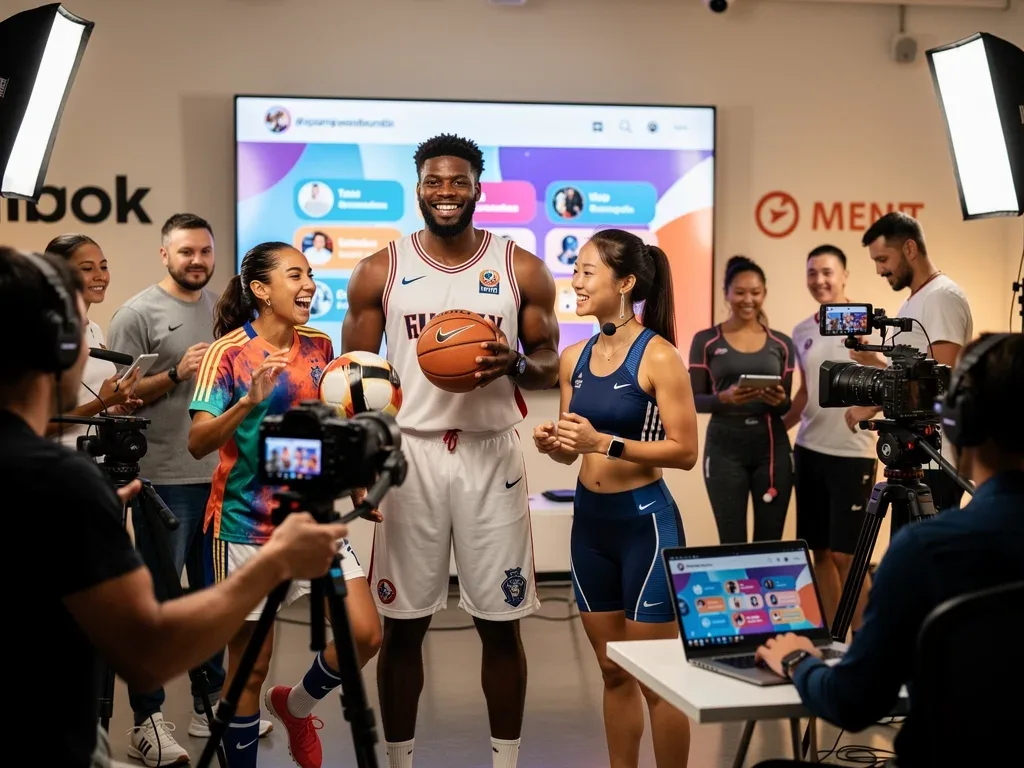
Looking ahead to 2026 and beyond, the synergy between athletes and brands, facilitated by social media, is poised to become even more integrated and sophisticated. The projected 30% higher engagement rates are not just a statistical increase; they represent a fundamental shift in how value is created and exchanged in the sports marketing ecosystem. This future will be characterized by deeper collaborations, more personalized content, and an even greater emphasis on measurable impact.
We anticipate a move towards longer-term, more strategic partnerships that go beyond single campaigns. Brands will seek to co-create content and narratives with athletes, making them genuine partners in storytelling rather than just paid promoters. This deeper integration will foster more authentic connections with audiences and yield more sustainable brand loyalty.
The role of artificial intelligence (AI) and machine learning (ML) will also become increasingly prominent. These technologies will be used to analyze vast amounts of social media data, predicting trends, identifying optimal posting times, and even personalizing content for individual audience segments. This level of data-driven insight will further refine endorsement strategies, maximizing engagement and ROI.
Furthermore, the expansion into emerging platforms and immersive experiences, such as the metaverse, will open up entirely new avenues for athlete-brand interaction. Virtual endorsements, digital merchandise, and interactive fan experiences will become commonplace, offering innovative ways to engage audiences and monetize athlete influence.
Ultimately, the future of athlete endorsements is one where social media is not just a channel, but the central nervous system connecting athletes, brands, and fans in an intricate, dynamic, and highly engaging network. The 30% higher engagement rates by 2026 are just a stepping stone towards an even more interconnected and impactful era of sports marketing.
| Key Aspect | Impact by 2026 |
|---|---|
| Engagement Rates | Projected 30% higher due to strategic social media use. |
| Authenticity | Crucial for athlete-brand connections and consumer trust. |
| Technological Advancements | New features and AI drive dynamic content and personalization. |
| Niche Markets | Micro-influencers gain prominence, targeting specific demographics. |
Frequently asked questions
How is social media changing athlete endorsement deals by 2026?▼By 2026, social media will foster 30% higher engagement rates in athlete endorsements. It enables direct athlete-fan interaction, precise audience targeting, and data-driven campaign optimization, moving beyond traditional broadcast methods to create more authentic and measurable partnerships.
What does “30% higher engagement rates” mean for brands?▼For brands, 30% higher engagement means more active audience interaction with sponsored content. This translates to increased brand recall, stronger consumer trust, and ultimately, a better return on investment (ROI) from endorsement deals, as messages resonate more deeply with an invested audience.
Why is authenticity so important for social media endorsements?▼Authenticity builds trust and credibility with fans. When athletes genuinely connect with products and share personal narratives, endorsements feel less like advertisements and more like sincere recommendations. This resonates strongly with modern consumers, driving higher engagement and more effective brand messaging.
What role do micro-influencers play in this evolving landscape?▼Micro-influencers, with their smaller but highly engaged and niche audiences, offer brands targeted access to specific demographics. They often achieve higher engagement rates than mega-influencers due to their perceived relatability, providing a cost-effective and impactful way to reach specialized market segments.
What challenges do athletes and brands face with social media endorsements?▼Key challenges include ensuring compliance with advertising regulations (like FTC disclosure rules), managing potential public relations crises from athlete controversies, and adapting to rapidly changing social media algorithms and features. Proactive strategies are essential for navigating these complexities successfully.
Conclusion
The journey into 2026 reveals a sports marketing landscape profoundly reshaped by social media. The anticipated 30% higher engagement rates in player endorsement deals signify more than just an increase in interactions; they represent a fundamental shift towards more authentic, data-driven, and technologically advanced partnerships. Athletes are now architects of their own brands, leveraging platforms to forge direct, meaningful connections with fans. Brands, in turn, are becoming more strategic, prioritizing genuine engagement over mere reach and embracing the power of niche markets and innovative digital tools. While challenges in compliance and reputation management persist, the overarching trajectory points towards a future where social media is not just a tool, but the very foundation of athlete-brand synergy, driving unprecedented levels of interaction and influence.