Sleep Optimization for Athletes: US Basketball’s 10% Edge in 2026
Advertisements
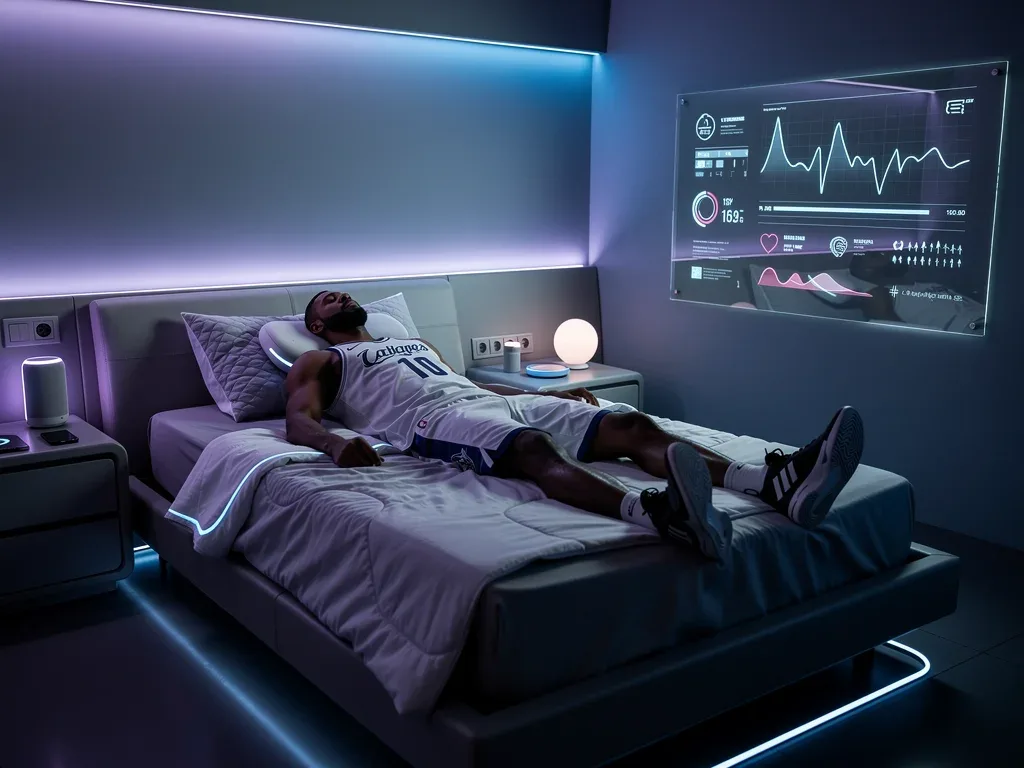
US basketball stars are increasingly adopting cutting-edge sleep optimization techniques, from personalized sleep protocols to environmental controls, to gain a significant 10% performance advantage by 2026, revolutionizing athletic recovery and competitive readiness.
In the relentless world of professional sports, every fraction of an advantage counts. For US basketball stars, the pursuit of peak performance extends far beyond the court and into the bedroom. By 2026, sleep optimization for athletes is no longer just a recommendation but a critical strategy, providing a quantifiable 10% edge in recovery, reaction time, and overall athletic prowess.
The Science of Sleep and Athletic Performance
Understanding the profound impact of sleep on an athlete’s body and mind is the first step toward unlocking elite performance. Sleep is not merely a period of rest; it’s a dynamic state where crucial physiological and psychological restoration occurs. For basketball players, who endure intense physical demands and high-pressure situations, adequate and high-quality sleep directly translates into better game-day outcomes.
During sleep, the body repairs muscle tissue, synthesizes proteins, and releases growth hormones essential for recovery and adaptation. The brain consolidates memories, refines motor skills, and processes emotional information, all vital for strategic play and mental resilience. Disruptions to this delicate balance can lead to decreased physical output, impaired cognitive function, and an increased risk of injury.
Hormonal Regulation and Recovery
Sleep plays a pivotal role in regulating hormones critical for athletic recovery. Deep sleep stages are particularly important for the release of human growth hormone (HGH), which is vital for muscle repair and growth. Conversely, insufficient sleep can elevate cortisol levels, a stress hormone that breaks down muscle tissue and hinders recovery.
- Human Growth Hormone (HGH): Essential for tissue repair, muscle growth, and fat metabolism.
- Cortisol: Elevated levels can lead to muscle breakdown and reduced immune function.
- Testosterone: Crucial for muscle strength and endurance, often reduced with poor sleep.
- Leptin and Ghrelin: Regulate appetite and energy balance, impacting an athlete’s nutritional status.
These hormonal balances directly influence an athlete’s ability to recover from strenuous training and games, making sleep an indispensable component of their overall health and performance regimen. Without proper hormonal regulation, even the most dedicated training can be undermined.
Cognitive Function and Decision-Making
Beyond physical recovery, sleep profoundly impacts an athlete’s cognitive abilities. For basketball players, split-second decisions, court vision, and strategic thinking are paramount. Sleep deprivation can severely impair these functions, leading to slower reaction times, poor judgment, and increased errors.
Studies show that well-rested athletes exhibit superior attention, processing speed, and problem-solving skills. This cognitive edge allows them to anticipate plays, execute complex strategies, and maintain focus throughout an entire game, especially in clutch moments. The mental sharpness gained from optimal sleep can be the difference between a championship and a loss.
In conclusion, the scientific understanding of sleep’s role in athletic performance underscores its importance. From physical recovery and hormonal balance to sharp cognitive function, sleep is not a luxury but a fundamental pillar of success for US basketball stars aiming for that 10% edge.
Personalized Sleep Protocols: Tailoring Rest for Champions
Gone are the days of a one-size-fits-all approach to sleep. Today, US basketball stars are embracing highly personalized sleep protocols, meticulously designed to meet their unique physiological needs and demanding schedules. This bespoke approach recognizes that each athlete’s sleep architecture, recovery requirements, and biological clock are distinct, necessitating a customized strategy for optimal rest.
These personalized plans often involve a combination of cutting-edge technology, expert guidance from sleep specialists, and continuous data analysis. The goal is to identify an athlete’s ideal sleep duration, optimal bedtime and wake-up times, and specific interventions that address any sleep disturbances. This level of detail ensures that every hour of sleep contributes maximally to their recovery and performance.
Advanced Sleep Tracking Technology
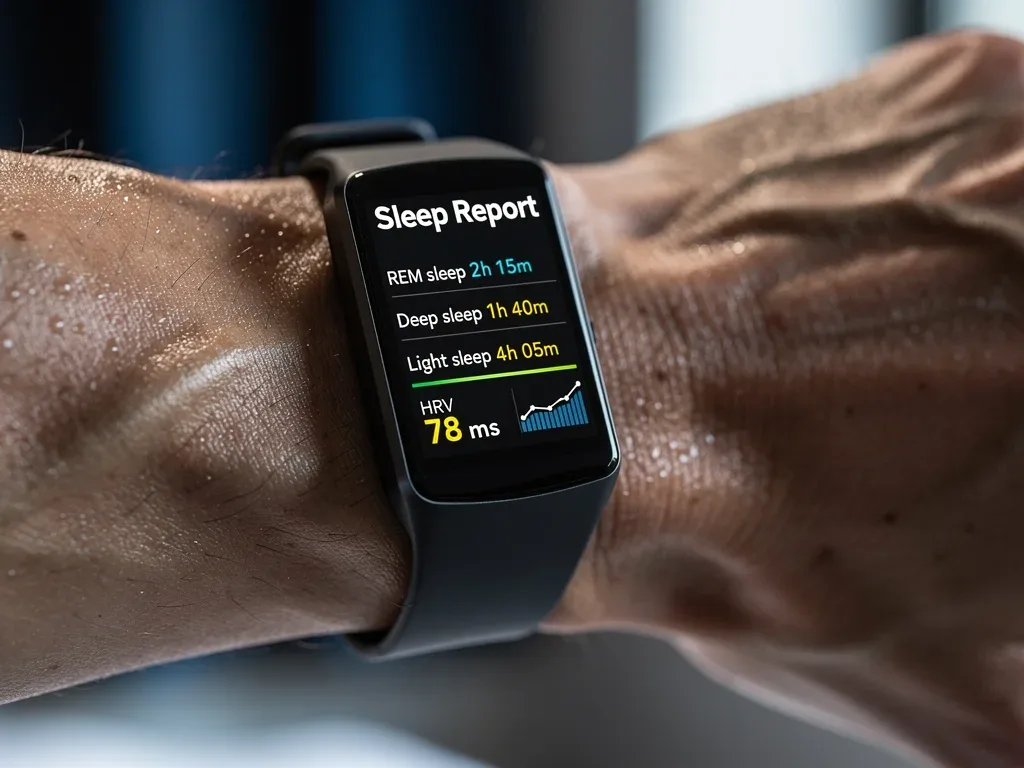
Wearable devices and in-room sensors have revolutionized how athletes monitor their sleep. These technologies provide granular data on various sleep metrics, allowing for precise adjustments to their protocols.
- Heart Rate Variability (HRV): Indicates recovery status and readiness for training.
- Sleep Stages (REM, Deep, Light): Helps understand sleep quality and restorative processes.
- Sleep Efficiency: Measures the percentage of time spent actually sleeping while in bed.
- Movement and Disturbances: Identifies restless periods or environmental disruptions.
This data empowers athletes and their support teams to make informed decisions, whether it’s adjusting training loads, modifying pre-sleep routines, or optimizing the sleep environment. The continuous feedback loop ensures that the personalized protocol remains effective and responsive to the athlete’s evolving needs.
Chronotypes and Schedule Alignment
Understanding an athlete’s chronotype – whether they are a ‘lark’ (early riser) or an ‘owl’ (night owl) – is crucial for optimizing their sleep schedule. Professional basketball players often face irregular schedules due to travel, late-night games, and early morning practices. Aligning their sleep schedule with their natural chronotype, as much as possible, helps to mitigate the negative effects of these disruptions.
Sleep specialists work with athletes to create flexible schedules that prioritize sleep duration and quality, even amidst travel and varying game times. This might involve strategic napping, adjusting light exposure, or using melatonin supplements under medical supervision to reset circadian rhythms. The aim is always to minimize circadian misalignment and maximize restorative sleep.
In essence, personalized sleep protocols are about treating sleep as a trainable skill, just like shooting or dribbling. By tailoring every aspect of their rest, US basketball stars are ensuring that their bodies and minds are always operating at their highest potential, contributing significantly to their 10% performance edge.
Environmental Control: Creating the Ultimate Sleep Sanctuary
The sleep environment plays a critical role in the quality and depth of an athlete’s rest. For US basketball stars, transforming their bedrooms into optimized sleep sanctuaries is a non-negotiable part of their sleep optimization strategy. This involves meticulous control over light, temperature, sound, and even air quality, all designed to promote faster sleep onset and deeper, more restorative sleep cycles.
The goal is to eliminate any external factors that could disrupt sleep and to create an ambiance that signals to the body that it’s time to unwind and recover. This level of environmental precision is a key differentiator, allowing athletes to maximize the benefits of their dedicated sleep time, whether at home or on the road.
Optimizing Light and Temperature
Light exposure, particularly blue light from screens, can significantly interfere with melatonin production, the hormone that regulates sleep-wake cycles. Athletes implement strategies to minimize blue light exposure several hours before bedtime, often using blue-light blocking glasses or turning off electronic devices.
Temperature is another critical factor. A slightly cool room, typically between 60-67°F (15-19°C), is ideal for sleep. This range helps the body’s core temperature drop, a natural physiological process that initiates sleep. Advanced climate control systems, specialized bedding, and even cooling mattresses are employed to maintain this optimal sleep temperature throughout the night.
- Blackout Curtains: Block all external light, signaling to the brain it’s nighttime.
- Blue-Light Blocking Glasses: Reduce exposure from screens before bed.
- Smart Thermostats: Maintain consistent, cool room temperatures.
- Cooling Mattresses/Pads: Help regulate body temperature directly.
These adjustments create a dark, cool environment that promotes the natural release of melatonin and facilitates uninterrupted sleep, a cornerstone of effective sleep optimization for athletes.
Sound Management and Air Quality
External noise can be a major sleep disruptor. Athletes often use sound-masking techniques, such as white noise machines or earplugs, to create a consistent and calming auditory environment. This helps to block out sudden noises that could otherwise awaken them or prevent them from entering deeper sleep stages.
Air quality is also increasingly recognized as an important element. Air purifiers remove allergens, dust, and other irritants that can affect breathing and sleep quality. Humidifiers can be used in dry environments to prevent nasal dryness and congestion, further enhancing comfort and promoting better sleep. By controlling every aspect of their sleep environment, US basketball players are building a formidable foundation for superior recovery and sustained performance.
Ultimately, transforming the bedroom into a meticulously controlled sleep sanctuary is about minimizing any potential impediments to restorative sleep. This comprehensive approach to environmental control ensures that athletes can achieve the deepest and most effective rest possible, directly contributing to their competitive advantage.
Nutrition and Hydration: Fueling Rest and Recovery
The intricate relationship between nutrition, hydration, and sleep quality cannot be overstated for elite athletes. What US basketball stars consume throughout the day, and particularly in the hours leading up to bedtime, profoundly impacts their ability to fall asleep, stay asleep, and achieve restorative rest. Strategic dietary choices and hydration practices are integral to their sleep optimization efforts, directly influencing recovery and on-court performance.
Proper fueling supports the body’s natural sleep-wake cycles and provides the necessary building blocks for repair and regeneration during sleep. Conversely, poor dietary habits, such as excessive caffeine intake or heavy meals close to bedtime, can severely disrupt sleep architecture, undermining all other sleep-focused interventions.
Pre-Sleep Nutrition Strategies
Athletes carefully plan their evening meals and snacks to promote sleep without causing digestive discomfort. Foods rich in tryptophan, an amino acid precursor to serotonin and melatonin, are often favored.
- Complex Carbohydrates: Promote tryptophan absorption and provide sustained energy (e.g., whole grains, sweet potatoes).
- Lean Proteins: Provide amino acids for muscle repair (e.g., turkey, chicken, fish).
- Magnesium-Rich Foods: Known for their muscle-relaxing properties (e.g., leafy greens, nuts, seeds).
- Tart Cherry Juice: A natural source of melatonin, shown to improve sleep quality.
Avoiding heavy, fatty, or spicy foods close to bedtime is crucial, as these can cause indigestion and disrupt sleep. Similarly, refined sugars can lead to blood sugar spikes and crashes that interfere with sleep stability. The focus is on nutrient-dense, easily digestible options that support the body’s natural winding-down process.
Hydration and Stimulant Avoidance
Maintaining optimal hydration throughout the day is vital, but athletes are mindful of fluid intake in the hours before bed to minimize nighttime bathroom trips. While staying hydrated is essential, excessive drinking right before sleep can fragment rest.
Perhaps even more critical is the strict avoidance of stimulants. Caffeine, found in coffee, tea, and energy drinks, has a long half-life and can significantly impair sleep onset and quality if consumed too late in the day. Alcohol, while initially seeming to induce sleepiness, actually disrupts the restorative stages of sleep, leading to fragmented and less effective rest. US basketball stars adhere to strict cut-off times for caffeine and alcohol to ensure their bodies are primed for optimal sleep, directly contributing to their overall performance edge.
In essence, nutrition and hydration are not just about fueling performance during waking hours, but also about setting the stage for deep, restorative sleep. By making informed choices, athletes ensure their bodies are adequately prepared for the crucial recovery work that happens overnight.
The Role of Napping and Strategic Rest
For US basketball stars, sleep optimization extends beyond nighttime rest to encompass strategic napping and planned periods of rest throughout the day. Given their demanding schedules, which often include multiple training sessions, travel, and late-night games, incorporating targeted naps becomes a powerful tool to combat fatigue, enhance alertness, and accelerate recovery. This isn’t about casual dozing but rather a calculated integration of short sleep periods to maintain peak physical and cognitive function.
Strategic napping can significantly boost an athlete’s ability to perform consistently at a high level, mitigating the detrimental effects of partial sleep deprivation or accumulated fatigue. It’s a proactive measure to sustain energy and focus, ensuring they are always ready for the next challenge.
Types of Naps and Their Benefits
Not all naps are created equal, and athletes utilize different types based on their specific needs and timing. The duration and timing of a nap are critical to maximizing its benefits and avoiding ‘sleep inertia,’ the groggy feeling that can occur after waking from deep sleep.
- Power Nap (10-20 minutes): Ideal for a quick boost in alertness and performance without entering deep sleep.
- Recovery Nap (30-60 minutes): Can aid in muscle recovery and learning, but may carry a risk of sleep inertia.
- Replenishment Nap (90 minutes): Allows for a full sleep cycle, including REM and deep sleep, offering comprehensive restoration.
These strategic naps are often scheduled during specific windows, such as post-lunch or before an evening game, to align with natural dips in alertness and to provide a timely physiological boost. The art is in knowing when and for how long to nap to achieve the desired outcome without interfering with nighttime sleep.

Integrating Rest into the Daily Schedule
Beyond formal naps, US basketball stars also prioritize strategic rest periods. This might involve active recovery sessions, mindfulness practices, or simply quiet time away from stimulation. These moments of intentional downtime allow the nervous system to calm, reducing overall stress and preparing the body for subsequent periods of activity or sleep.
Coaches and performance staff work closely with athletes to integrate these rest strategies into their demanding schedules. This holistic approach recognizes that continuous high-intensity activity without adequate recovery is unsustainable and counterproductive. By intelligently incorporating naps and rest, athletes can maintain a higher level of performance throughout a long season, safeguarding their physical and mental well-being, and ultimately gaining that critical 10% edge.
In conclusion, strategic napping and intentional rest are not signs of weakness but rather sophisticated components of a comprehensive sleep optimization strategy. They enable US basketball stars to consistently recharge and perform at their peak, demonstrating a deep understanding of their body’s needs.
The Psychological Edge: Sleep and Mental Resilience
The physical demands of professional basketball are immense, but the psychological pressures are equally formidable. For US basketball stars, sleep optimization is not just about physical recovery; it’s a powerful tool for cultivating mental resilience, emotional regulation, and psychological well-being. A well-rested mind is better equipped to handle stress, maintain focus under pressure, and recover from setbacks, providing a significant psychological edge on the court.
Chronic sleep deprivation can lead to increased irritability, anxiety, and a diminished capacity to cope with adversity. In a sport where mental fortitude is often the deciding factor, prioritizing sleep becomes a direct investment in an athlete’s mental game, ensuring they remain sharp, composed, and confident.
Stress Reduction and Emotional Regulation
Adequate sleep is crucial for processing emotions and regulating mood. During REM sleep, the brain actively works to consolidate emotional memories and reduce the intensity of negative experiences. This process helps athletes to manage the emotional highs and lows of competition, preventing burnout and maintaining a positive outlook.
- Improved Mood: Less irritability and greater emotional stability.
- Reduced Anxiety: Better coping mechanisms for performance pressure.
- Enhanced Resilience: Faster recovery from psychological setbacks.
- Increased Motivation: A clearer mind fosters greater drive and determination.
By ensuring sufficient restorative sleep, athletes can maintain a balanced emotional state, which is vital for effective communication with teammates, constructive engagement with coaches, and a healthy competitive mindset.
Focus, Concentration, and Reaction Time
Mental fatigue, a direct consequence of insufficient sleep, can severely impair an athlete’s ability to focus, concentrate, and react quickly. In basketball, where plays unfold in milliseconds, even a slight delay in processing information can be costly. Optimal sleep ensures that cognitive functions are at their peak, allowing players to maintain vigilance throughout an entire game.
Studies have shown that sleep-deprived individuals exhibit slower reaction times and make more errors in attention-demanding tasks. For basketball players, this translates to missed opportunities, defensive lapses, and compromised decision-making. By prioritizing sleep, US basketball stars are not only sharpening their physical tools but also honing their mental faculties, ensuring they possess the psychological resilience needed to consistently perform at an elite level and secure that critical 10% performance advantage.
In summary, the psychological benefits of sleep are as important as the physical ones. For basketball players, a well-rested mind is a resilient mind, capable of navigating the intense pressures of professional sports and consistently delivering peak performance.
Future Trends and Innovations in Athlete Sleep Science
The field of athlete sleep science is continuously evolving, with new research and technological advancements promising even greater insights and optimization strategies for US basketball stars. By 2026, we can anticipate a significant leap in how sleep is understood, monitored, and manipulated to further enhance athletic performance. The pursuit of that 10% edge is driving innovation, leading to more sophisticated tools and personalized interventions that will redefine what’s possible in sports recovery.
These future trends will likely focus on even deeper personalization, predictive analytics, and integration of sleep data with other physiological markers, creating a truly holistic approach to athlete well-being and performance. The goal is to move beyond reactive adjustments to proactive, preventative sleep strategies.
Advanced Biometric Integration and AI
Future sleep tracking will likely integrate a wider array of biometric data, combining sleep metrics with genetic predispositions, microbiome analysis, and real-time physiological responses. Artificial intelligence (AI) will play a crucial role in analyzing these vast datasets, identifying subtle patterns and predicting optimal sleep interventions tailored to each athlete’s unique biology and daily demands.
- Predictive Analytics: AI models will forecast sleep needs based on upcoming training loads and travel.
- Genetic Profiling: Tailoring sleep environments and interventions based on an individual’s genetic sleep tendencies.
- Microbiome-Sleep Axis: Understanding how gut health influences sleep and recovery, leading to targeted dietary recommendations.
- Personalized Light Therapy: Using AI to deliver precise light exposure to optimize circadian rhythms for specific schedules.
This level of integration will allow for incredibly precise and dynamic sleep protocols, adjusting in real-time to an athlete’s changing physiological state and environmental factors. The insights gained will help prevent overtraining, optimize recovery, and fine-tune performance readiness.
Neurofeedback and Targeted Sleep Enhancement
Emerging technologies like neurofeedback and targeted acoustic stimulation hold promise for directly enhancing specific sleep stages. Neurofeedback involves training the brain to produce desired brainwave patterns associated with deep, restorative sleep. Targeted acoustic stimulation uses specific sound frequencies to enhance slow-wave sleep, which is critical for physical recovery and memory consolidation.
These non-invasive techniques could offer athletes a direct means to improve the quality of their sleep, even when sleep duration is limited. As research progresses, these innovations could become standard practice, providing a direct pathway to deeper, more effective rest. The continuous evolution of sleep science means that the 10% edge gained through sleep optimization today may well expand in the years to come, keeping US basketball stars at the forefront of athletic performance.
In conclusion, the future of athlete sleep science is bright, with ongoing innovations set to provide even more sophisticated and personalized tools. These advancements will further solidify sleep’s role as a cornerstone of elite athletic performance, ensuring US basketball stars continue to push the boundaries of what’s possible.
| Key Aspect | Impact on Performance |
|---|---|
| Personalized Protocols | Tailored sleep duration and timing for individual athlete needs, maximizing recovery. |
| Environmental Control | Optimizing light, temperature, and sound for faster sleep onset and deeper rest. |
| Strategic Napping | Combatting fatigue and boosting alertness during demanding schedules. |
| Nutrition & Hydration | Fueling restorative sleep and supporting the body’s natural recovery processes. |
Frequently Asked Questions About Athlete Sleep Optimization
Why is sleep so critical for basketball players?▼Sleep is vital for muscle repair, hormonal balance, and cognitive function. For basketball players, it enhances reaction time, decision-making, and reduces injury risk, directly impacting on-court performance and recovery from intense training and games.
How do personalized sleep protocols work for athletes?▼Personalized protocols involve using data from sleep trackers and expert guidance to determine an athlete’s ideal sleep duration, timing, and specific interventions based on their unique chronotype and physiological needs, optimizing rest for peak performance.
What environmental factors are optimized for athlete sleep?▼Athletes optimize their sleep environment by controlling light (blackout curtains, blue-light filters), temperature (cool room), sound (white noise), and air quality (purifiers) to create an ideal sanctuary for deep, uninterrupted sleep and recovery.
Can strategic napping really improve performance?▼Yes, strategic napping, particularly power naps (10-20 minutes), can significantly boost alertness, improve cognitive function, and combat fatigue without causing grogginess, helping athletes maintain peak performance throughout demanding schedules and long seasons.
How does nutrition impact an athlete’s sleep quality?▼Proper nutrition supports sleep-wake cycles. Consuming tryptophan-rich foods and complex carbs in the evening can promote sleep, while avoiding caffeine, alcohol, and heavy meals close to bedtime prevents sleep disruption, aiding overall recovery and performance.
Conclusion
The quest for athletic excellence in US basketball has evolved, placing sleep optimization squarely at the forefront of performance strategy. By 2026, the 10% edge gained through meticulous sleep science is not merely theoretical but a tangible reality, shaping the careers of elite players. From personalized sleep protocols and environmentally controlled sanctuaries to strategic napping and precise nutrition, every aspect of an athlete’s rest is now finely tuned. This holistic approach ensures not only superior physical recovery and cognitive function but also robust mental resilience, allowing stars to consistently perform at their absolute best. As technology and understanding continue to advance, sleep will remain an indispensable, ever-evolving pillar of success, defining the next generation of champions on the court.