NCAA NIL Market Analysis: 15% Increase in Collective Spending
Advertisements
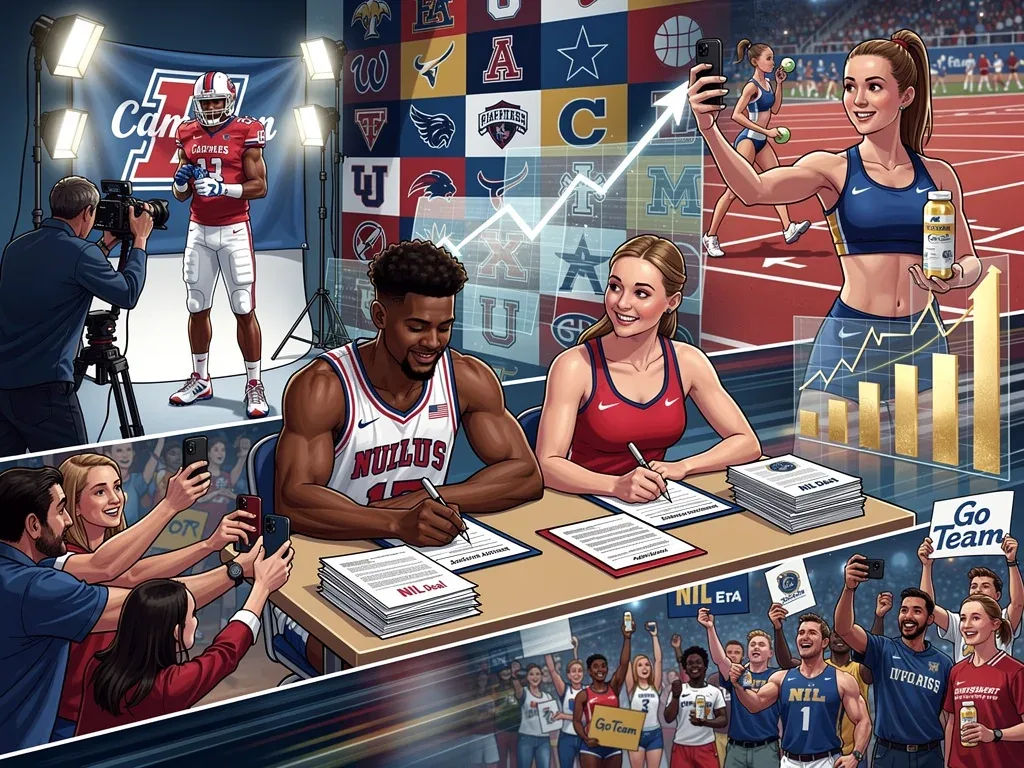
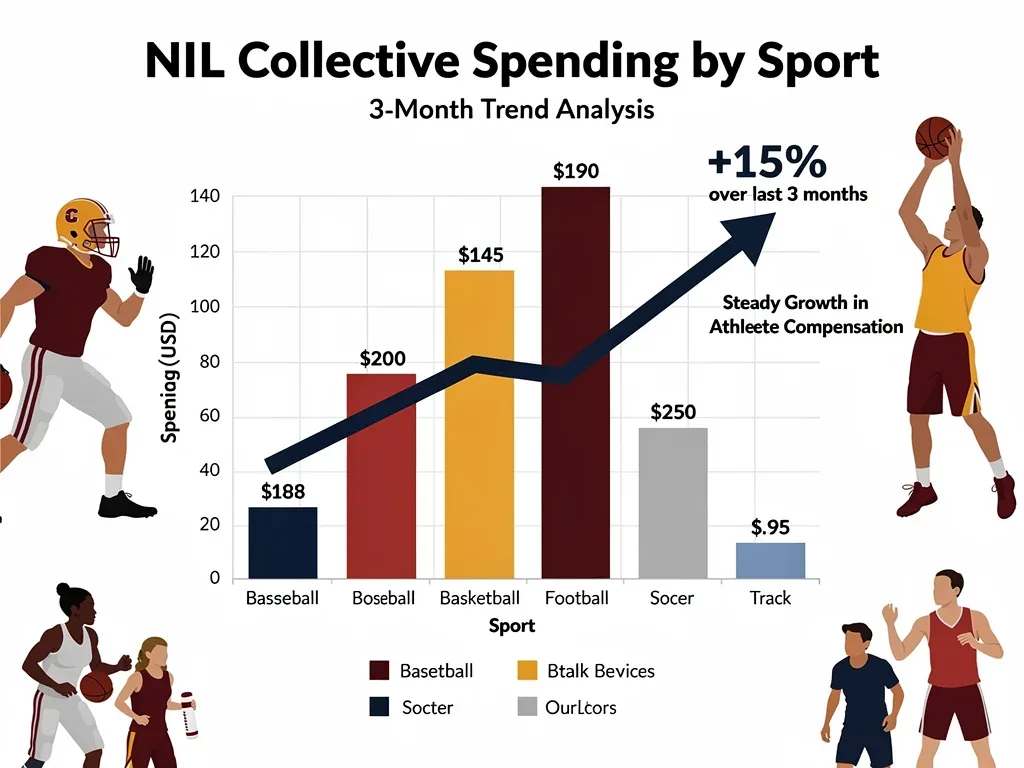
The NCAA NIL market experienced a significant 15% increase in collective spending over the last three months, signaling a robust and rapidly expanding landscape for collegiate athlete compensation and brand partnerships.
The landscape of collegiate athletics is undergoing a profound transformation, particularly with the advent of Name, Image, and Likeness (NIL) policies. Recent data reveals a compelling trend: the NCAA NIL spending has surged by an impressive 15% in collective spending over just the last three months. This significant uptick not only underscores the growing financial opportunities for student-athletes but also highlights the evolving strategies employed by collectives and brands within this dynamic market.
Understanding the NIL Market Evolution
The NCAA’s decision to allow student-athletes to profit from their name, image, and likeness marked a monumental shift, fundamentally altering the economic dynamics of college sports. Initially, the market was characterized by individual deals and cautious exploration. However, it has quickly matured, with collectives emerging as pivotal players, pooling resources to support athletes and attract talent.
This evolution has been rapid, moving from a nascent concept to a multi-million dollar industry in a relatively short period. The initial phase saw a flurry of smaller, localized deals. As understanding and infrastructure grew, so did the complexity and scale of NIL activities. Collectives, often formed by boosters and alumni, have become sophisticated entities, orchestrating comprehensive NIL opportunities that extend beyond simple endorsements.
The Rise of NIL Collectives
- Strategic Funding: Collectives have become primary funding mechanisms, gathering donations from fans and alumni to create NIL opportunities.
- Talent Acquisition: They play a crucial role in recruiting, helping universities attract top talent by offering attractive NIL packages.
- Brand Development: Many collectives also assist athletes in developing their personal brands and navigating endorsement deals.
The substantial 15% increase in collective spending over the past quarter is a clear indicator that these entities are not only growing in number but also in financial capacity and strategic influence. This growth reflects a deeper commitment from stakeholders to ensure athletes benefit financially while enhancing the competitive edge of their affiliated institutions. The market is becoming more organized, with clear trends emerging in how funds are raised and distributed, directly impacting the overall financial health of college sports programs.
Drivers Behind the 15% Spending Increase
Several key factors have converged to fuel the recent 15% surge in NCAA NIL spending by collectives. One significant driver is the increasing clarity and stability in NIL guidelines, albeit still evolving. As universities, athletes, and brands become more comfortable with the regulatory framework, confidence in investing in NIL opportunities grows. This comfort reduces perceived risks and encourages larger, more structured deals.
Another crucial element is the intensified competition for top athletic talent. In an era where NIL opportunities can heavily influence an athlete’s decision on where to play, collectives are compelled to offer more lucrative packages to attract and retain elite players. This competitive pressure creates an upward spiral in spending, as each collective strives to outdo others to secure a competitive advantage for their respective programs. The visibility and success of early NIL deals have also inspired more donors and businesses to contribute, seeing tangible returns on their investments, whether through enhanced team performance or increased local engagement.
Enhanced Athlete Marketing and Brand Value
- Social Media Reach: Athletes leverage large social media followings, offering brands direct access to engaged demographics.
- Personal Brand Growth: Increased awareness among athletes about managing and monetizing their personal brands leads to more sophisticated deal-making.
- Diverse Opportunities: Beyond traditional endorsements, athletes are engaging in unique ventures like NFTs, personal appearances, and content creation.
The professionalization of NIL representation also plays a role. Agents and NIL specific agencies are now commonplace, helping athletes navigate complex contracts and maximize their earning potential. This professional guidance ensures that deals are fair and beneficial, further legitimizing the market and encouraging more substantial investments. The overall maturity of the NIL ecosystem, coupled with a robust economic environment, provides fertile ground for continued spending growth, indicating a sustained trend rather than a temporary spike.
Impact on Collegiate Athletics and Recruitment
The significant rise in NCAA NIL spending has profound implications for collegiate athletics, particularly in the realm of recruitment and competitive balance. Universities that can leverage well-funded NIL collectives often gain a substantial advantage in attracting highly sought-after recruits. This dynamic transforms the traditional recruitment process, where academic programs, coaching staff, and athletic facilities were once the sole determinants.
Now, NIL collectives act as powerful extensions of university athletic departments, albeit operating independently. Their ability to offer competitive financial incentives through NIL deals can sway an athlete’s decision, creating a new layer of complexity in the recruiting landscape. This shift has raised concerns about competitive equity, as institutions with wealthier donor bases may inherently possess an advantage. However, it also incentivizes smaller programs to innovate in their NIL strategies, perhaps by focusing on local partnerships or unique branding opportunities for their athletes.
Recruitment Dynamics and Athlete Empowerment
The empowerment of student-athletes through NIL is undeniable. They now have a direct stake in their economic future while still pursuing their collegiate careers. This newfound agency allows them to make more informed decisions about their academic and athletic paths, considering both traditional factors and potential NIL earnings. It fosters a more entrepreneurial mindset among athletes, encouraging them to understand their market value and build their personal brand from an early stage.
Moreover, the increased spending is not just about attracting new talent; it is also crucial for retaining existing players. Transfer portal activity can be heavily influenced by NIL opportunities. Athletes seeking better financial prospects may consider transferring to institutions with more robust collective support. This necessitates ongoing engagement and competitive NIL offerings from collectives to maintain roster stability, adding another layer to the strategic calculus of college sports management.
The impact extends beyond individual athletes to the broader team culture. When athletes feel valued and compensated fairly, it can positively affect morale and performance. Conversely, disparities in NIL earnings within a team can create friction, requiring careful management by coaches and athletic directors. The evolving role of NIL demands that all stakeholders adapt quickly to maintain a healthy and competitive environment.
Regional Disparities and Market Concentration
While the overall NCAA NIL spending has seen a significant increase, this growth is not uniformly distributed across all regions or sports. There are notable regional disparities and market concentrations that reflect the varying levels of engagement, donor wealth, and media attention. Traditionally dominant athletic conferences and programs, often located in areas with large fan bases and affluent alumni networks, tend to command higher NIL collective spending.
For instance, football and men’s basketball, due to their immense popularity and revenue-generating potential, consistently attract the largest share of NIL dollars. This concentration means that athletes in these high-profile sports often have more lucrative opportunities compared to those in Olympic or less televised sports. While efforts are being made to diversify NIL opportunities, the current market dynamics favor sports with broader commercial appeal and established fan engagement.
Geographic and Sport-Specific Trends
- Power Five Dominance: Collectives associated with Power Five conferences generally have more financial muscle and attract larger donations.
- Football and Basketball Focus: These sports continue to be the primary beneficiaries of NIL deals, reflecting their commercial value.
- Emerging Markets: Some smaller programs and non-revenue sports are finding creative ways to generate NIL opportunities, often through local businesses and community engagement.
Geographically, states with strong college sports traditions and a high density of passionate boosters tend to see more robust collective activity. This can create a ‘NIL rich’ landscape in certain areas, potentially exacerbating the competitive imbalance between different athletic programs. However, it also encourages innovation among smaller or less prominent programs to carve out their own niches, perhaps by specializing in unique athlete brand development or focusing on hyper-local endorsement opportunities that resonate with their immediate communities.
The concentration of spending also highlights the importance of strategic planning for collectives. Those that can effectively tap into their donor base and articulate a clear vision for athlete support are more likely to thrive. The market is dynamic, and while current trends show concentration, future developments could see a more equitable distribution as the ecosystem matures and new models for NIL monetization emerge.
Future Projections and Sustainability of NIL Growth
The recent 15% increase in NCAA NIL spending raises critical questions about the future trajectory and sustainability of this growth. While the market is currently expanding rapidly, understanding the factors that will sustain or potentially temper this growth is crucial for all stakeholders. Continued growth will likely depend on several key elements, including evolving regulatory frameworks, the economic health of the nation, and the creative innovation of collectives and athletes.
As NIL policies continue to be refined, both at the NCAA level and within individual states, a more stable and predictable environment could further encourage investment. Conversely, overly restrictive or inconsistent regulations could stifle growth. The broader economic climate also plays a significant role; a strong economy often translates to increased discretionary spending from donors and businesses, directly impacting the funds available for NIL deals.
Long-Term Market Dynamics
The sustainability of NIL growth will also hinge on the ability of collectives to demonstrate tangible value to their donors. This means not only attracting top talent but also showcasing how NIL deals benefit athletes, enhance the university’s brand, and contribute to overall team success. Transparency in how funds are raised and distributed will be paramount in maintaining donor trust and continued financial support. The market will likely see increased professionalization, with more sophisticated financial management and compliance measures becoming standard practice.

Another factor is the potential for new revenue streams. Beyond direct donations, collectives and athletes might explore innovative ways to generate NIL income, such as fan subscription services, athlete-led content platforms, or equity stakes in start-ups. The entrepreneurial spirit among student-athletes, coupled with technological advancements, could unlock unforeseen opportunities for monetization, diversifying the NIL landscape and ensuring its long-term viability. However, the market will inevitably face challenges, such as donor fatigue, increased scrutiny over deal fairness, and potential legal complexities, all of which will test its resilience and adaptability.
Challenges and Opportunities in the Evolving NIL Landscape
The rapid expansion of NCAA NIL spending, while largely positive for student-athletes, also presents a unique set of challenges and opportunities that require careful navigation. One of the primary challenges is maintaining competitive balance across collegiate sports. The disparity in resources among collectives can create a ‘NIL arms race,’ potentially widening the gap between well-funded programs and those with fewer financial means. This could impact the overall health and fairness of college sports, leading to discussions about revenue sharing or more standardized NIL frameworks.
Another significant challenge involves compliance and regulation. The patchwork of state laws and evolving NCAA guidelines creates a complex environment for institutions, athletes, and collectives. Ensuring adherence to all rules while maximizing opportunities requires significant legal and administrative resources. There’s also the potential for donor fatigue, where the enthusiasm for contributions might wane over time if the perceived returns on investment, whether in terms of team success or athlete development, do not meet expectations.
Navigating the New Era of College Sports
- Regulatory Harmony: The need for more consistent and unified NIL regulations to reduce confusion and ensure fair play.
- Athlete Education: Equipping athletes with financial literacy and business acumen to manage their NIL earnings responsibly.
- Innovative Funding Models: Exploring diverse and sustainable ways to fund NIL collectives beyond traditional booster donations.
However, these challenges are paralleled by immense opportunities. NIL has empowered student-athletes in unprecedented ways, giving them control over their economic future and fostering entrepreneurial skills. This can lead to greater retention of talent within college sports, as athletes no longer feel compelled to leave early solely for financial reasons. For universities, a robust NIL program can enhance their brand, attract a wider pool of recruits, and foster deeper engagement with their alumni and fan base.
The market also presents opportunities for businesses, both large and small, to connect with a highly engaged demographic through athlete endorsements. Local businesses, in particular, can forge meaningful partnerships with student-athletes, creating mutually beneficial relationships that strengthen community ties. The continued evolution of the NIL landscape will undoubtedly require adaptability, creativity, and a collaborative spirit from all involved to fully realize its potential while mitigating its inherent risks.
| Key Trend | Brief Description |
|---|---|
| 15% Spending Increase | Collectives boosted NIL expenditures by 15% in the last three months, showing market vitality. |
| Collective Dominance | NIL collectives are now primary drivers of athlete compensation and recruitment. |
| Recruitment Impact | NIL deals significantly influence athlete recruitment and retention decisions. |
| Future Sustainability | Long-term growth depends on regulatory clarity and innovative funding models. |
Frequently Asked Questions About NCAA NIL Spending
What is driving the recent 15% increase in NCAA NIL collective spending?▼The 15% increase is primarily driven by enhanced clarity in NIL regulations, intense competition for top athletic talent, and the growing professionalization of NIL representation. More donors and businesses are also investing, recognizing the value in supporting college athletes and their associated programs.
How do NIL collectives impact college athlete recruitment?▼NIL collectives significantly influence recruitment by offering competitive financial incentives to prospective athletes. These deals have become a crucial factor in an athlete’s decision-making process, alongside traditional considerations like coaching and academic programs, creating a new layer of competition.
Are there specific sports benefiting most from increased NIL spending?▼Yes, football and men’s basketball continue to be the primary beneficiaries of increased NIL spending. Their high commercial appeal, large fan bases, and significant media coverage attract the most substantial investments from collectives and brands, reflecting their revenue-generating potential.
What are the main challenges facing the sustainability of NIL market growth?▼Key challenges include maintaining competitive balance among institutions, navigating complex and evolving compliance regulations, and mitigating potential donor fatigue. Ensuring transparency and demonstrating tangible value to contributors will be crucial for sustained growth in the long term.
What opportunities does the evolving NIL landscape offer beyond financial gains for athletes?▼Beyond direct financial gains, NIL offers athletes opportunities for personal brand development, entrepreneurial skill-building, and increased control over their careers. For universities, it enhances brand value and strengthens community engagement, while businesses gain unique marketing channels.
Conclusion
The recent 15% increase in NCAA NIL spending by collectives over the last three months underscores a dynamic and rapidly maturing market within collegiate athletics. This surge reflects a growing commitment to athlete compensation, driven by competitive recruitment, evolving regulations, and increased confidence from donors and brands. While presenting challenges related to competitive equity and compliance, the NIL era also offers unprecedented opportunities for athlete empowerment, personal brand development, and innovative engagement models. The future trajectory of this market will depend on continued adaptability and strategic foresight from all stakeholders, ensuring a sustainable and beneficial environment for college sports.