Youth Basketball Market Trends: 2026 Growth Report
Advertisements
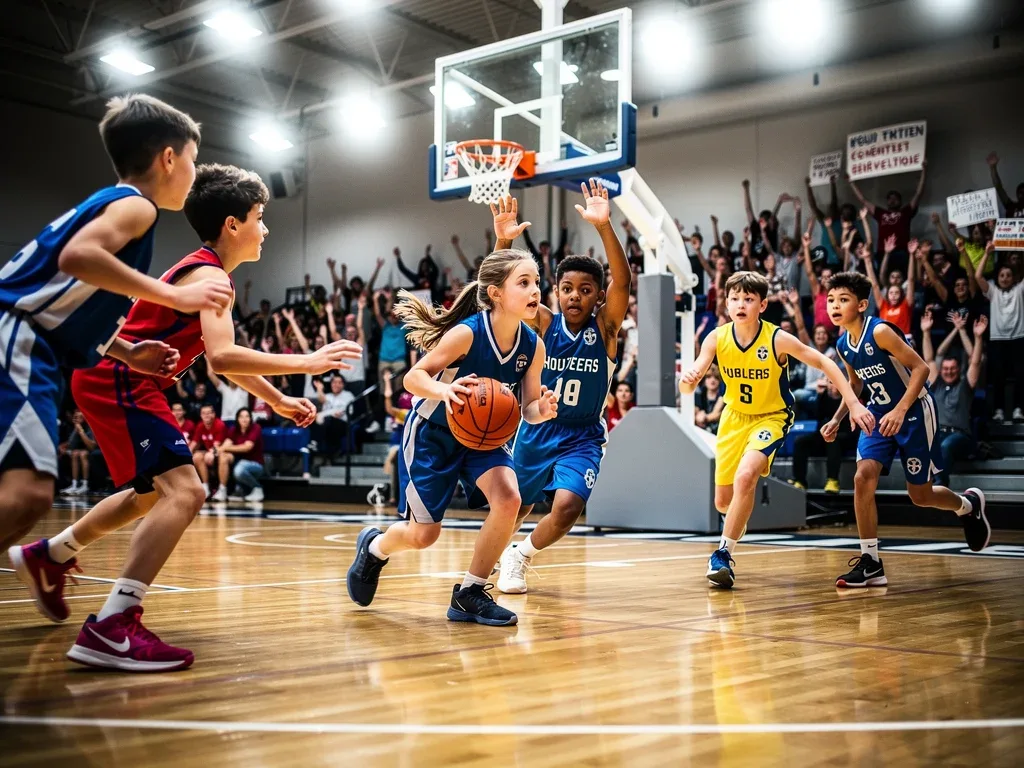
The 2026 youth basketball market trends reveal a robust 6% increase in participation and a corresponding surge in equipment sales, fueled by strategic grassroots initiatives and innovative digital engagement.
The landscape of youth sports is constantly evolving, but few sectors demonstrate the consistent growth and vibrant energy seen in youth basketball. As we delve into the 2026 market, a compelling narrative emerges: a significant 6% increase in participation, coupled with a booming market for related equipment. This expansion isn’t just a fleeting trend; it reflects deeper societal shifts, technological integration, and a renewed focus on youth development. Understanding these dynamics is crucial for anyone involved in the sport, from coaches and parents to manufacturers and retailers. The robust growth observed in youth basketball market trends suggests a healthy future for the sport, fostering both athletic development and community engagement across the United States. This report aims to dissect the multifaceted factors contributing to this remarkable surge, providing insights into what drives young athletes and shapes their experiences on and off the court. We will explore how accessibility, innovative training, and strategic marketing are converging to create a dynamic and profitable ecosystem.
Understanding the 6% Participation Surge in Youth Basketball
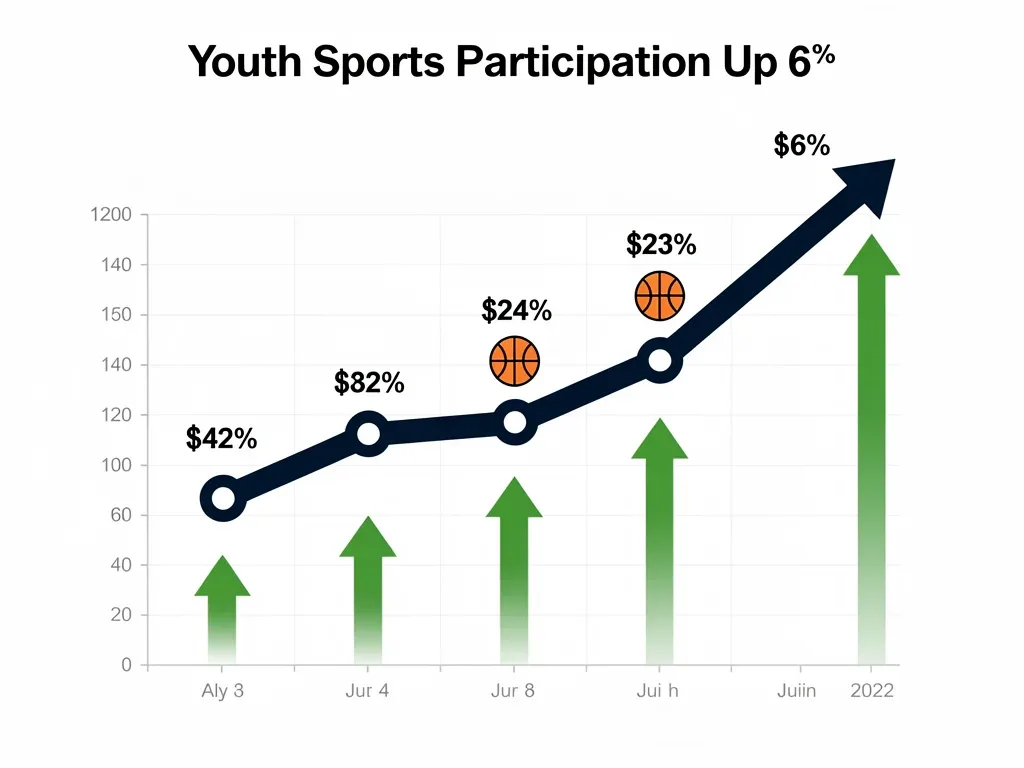
The reported 6% increase in youth basketball participation by 2026 is a pivotal indicator of the sport’s growing appeal and accessibility. This surge is not merely a statistical anomaly but a reflection of concerted efforts by various stakeholders to make basketball more inclusive and engaging for younger demographics. Factors ranging from enhanced community programs to the influence of professional leagues play a significant role in drawing more children and teenagers to the game.
One of the primary drivers behind this increased participation is the expansion of grassroots initiatives. Local community centers, schools, and non-profit organizations are increasingly investing in youth basketball programs, offering affordable and accessible entry points for aspiring players. These programs often prioritize fundamental skill development and teamwork over competitive pressure, creating a welcoming environment for newcomers. This foundational approach helps build a love for the game early on, encouraging sustained involvement.
The Impact of Community Programs and Accessibility
Community-led basketball initiatives are vital in breaking down barriers to entry. They often provide equipment, coaching, and facilities, making the sport available to a wider socio-economic spectrum. This broadens the talent pool and ensures that passion for basketball is nurtured regardless of a family’s financial standing.
- Increased availability of public courts and recreational leagues.
- Subsidized or free programs for low-income families.
- Partnerships between local clubs and national sports organizations.
- Focus on fun and skill-building rather than intense competition.
Moreover, the visibility of professional basketball, particularly the NBA, continues to inspire young athletes. Iconic players serve as role models, demonstrating the potential for success and the excitement of the sport. Social media platforms amplify this influence, allowing young fans to connect with their heroes and stay updated on the latest games and trends. The aspirational aspect of professional basketball significantly contributes to the desire among youth to pick up a ball and play.
In conclusion, the 6% participation surge in youth basketball is a testament to the sport’s inherent appeal, bolstered by strategic community efforts and the inspiring presence of professional role models. This growth signifies a healthy and expanding base for basketball, promising a vibrant future for the sport.
Key Drivers Behind Youth Basketball’s Market Expansion
The expansion of the youth basketball market is propelled by a confluence of interconnected factors, extending beyond mere participation rates. These drivers include technological advancements in training, evolving parental attitudes towards sports, and the increasing commercialization of youth sports. Understanding these underlying forces provides a comprehensive view of the market’s trajectory.
Technological innovation has profoundly impacted how young athletes train and engage with basketball. Wearable technology, advanced analytics, and interactive training apps offer personalized coaching and performance tracking, making training more engaging and effective. These tools allow players to monitor their progress, identify areas for improvement, and even simulate game situations, enhancing their skill development and overall experience.
Technology and Training Innovation
Modern training aids are transforming how youth basketball players develop their skills. From smart basketballs that track dribbling patterns to virtual reality drills, technology offers new dimensions to practice.
- Smart basketballs with embedded sensors for data collection.
- AI-powered coaching apps providing personalized feedback.
- Virtual reality (VR) training simulations for game scenarios.
- Wearable devices for tracking physical performance and recovery.
Parental attitudes have also shifted, with a greater emphasis on children’s holistic development, including physical activity and teamwork. Parents increasingly view organized sports, like basketball, as crucial for teaching discipline, social skills, and resilience. This perception drives investment in equipment, training, and participation fees, further fueling the market.
Furthermore, the commercialization of youth sports has led to a proliferation of specialized academies, travel teams, and high-profile tournaments. While these avenues offer advanced competition and exposure, they also contribute significantly to the market’s economic growth through fees, travel expenses, and equipment purchases. This structured ecosystem, though sometimes criticized for its intensity, undeniably expands the overall market footprint.
In essence, the youth basketball market’s expansion is a complex interplay of technological innovation, supportive parental engagement, and a robust commercial infrastructure. These elements collectively foster an environment conducive to sustained growth and increased investment in the sport.
The Booming Youth Basketball Equipment Sales
A direct consequence of the increased participation in youth basketball is the booming market for equipment sales. This segment encompasses a wide array of products, from basic basketballs and shoes to specialized training aids and apparel. The demand for high-quality, durable, and performance-enhancing gear is at an all-time high, reflecting both the growing number of players and their increasing dedication to the sport.
Manufacturers and retailers are keenly aware of these youth basketball market trends, investing in research and development to produce innovative products that cater to the specific needs of young athletes. This includes ergonomic designs, advanced materials for better performance and injury prevention, and aesthetically appealing styles that resonate with the youth demographic. The competitive landscape among brands drives continuous innovation, offering consumers a diverse range of choices.
Innovations in Basketball Footwear and Apparel
Basketball shoes, in particular, represent a significant portion of equipment sales. Young players seek footwear that offers optimal support, cushioning, and grip to enhance their performance and prevent injuries. Brands are responding with advanced technologies, such as responsive foam midsoles and adaptive lacing systems.
- Advanced cushioning technologies for impact absorption.
- Lightweight materials for increased agility and speed.
- Durable outsoles designed for various court surfaces.
- Customizable designs and colorways appealing to youth.
Beyond footwear, there’s a strong demand for basketballs tailored for different age groups and skill levels, as well as specialized training equipment like dribbling cones, shooting machines, and agility ladders. Apparel, including jerseys, shorts, and performance socks, also contributes significantly to sales, driven by both functional needs and fashion trends influenced by professional players.
The rise of e-commerce platforms has also played a crucial role in the booming sales. Online retailers offer convenience, wider product selections, and competitive pricing, making it easier for parents and players to access the equipment they need. This digital accessibility complements traditional brick-and-mortar stores, creating a robust distribution network for basketball gear.
In summary, the surge in youth basketball participation has directly translated into a thriving market for equipment sales. Innovation, diverse product offerings, and efficient distribution channels are key factors sustaining this growth, ensuring young athletes have access to the best gear available.
The Role of Digital Engagement and Social Media
In today’s interconnected world, digital engagement and social media platforms are indispensable tools shaping youth basketball market trends. These platforms serve as powerful conduits for inspiring young athletes, disseminating training content, and fostering a sense of community around the sport. Their influence extends to both participation rates and consumer behavior in equipment sales.
Social media allows young players to connect directly with their favorite NBA stars, watch highlight reels, and access instructional videos from professional trainers. This constant exposure to high-level play and expert advice motivates them to improve their skills and deepen their passion for basketball. Platforms like Instagram, TikTok, and YouTube have become virtual playgrounds where basketball content thrives, reaching millions of aspiring athletes daily.
Building Community and Inspiration Online
Digital platforms create a global community for young basketball enthusiasts, enabling them to share experiences, learn from peers, and draw inspiration from professional athletes. This sense of belonging reinforces their commitment to the sport.
- Access to professional player interviews and behind-the-scenes content.
- Online challenges and skill-sharing videos among peers.
- Live streams of youth tournaments and high school games.
- Interactive polls and discussions about basketball strategies and news.
Beyond inspiration, digital platforms are crucial for marketing basketball equipment. Brands leverage social media influencers, athlete endorsements, and targeted advertising to reach their audience. Product reviews, unboxing videos, and performance demonstrations by popular online personalities significantly impact purchasing decisions among young players and their parents. The visual nature of these platforms makes them ideal for showcasing new gear and its benefits.
Furthermore, digital tools facilitate the organization and promotion of youth basketball events, from local clinics to national tournaments. Online registration, scheduling apps, and real-time score updates enhance the participant and spectator experience. This seamless integration of digital technology into the operational aspects of youth basketball further solidifies its market position.
Ultimately, digital engagement and social media are not just supplementary tools but integral components of the youth basketball ecosystem. They drive participation, influence consumer choices, and foster a vibrant, connected community, ensuring the sport’s continued relevance and growth.
Challenges and Opportunities in the Growing Market
While the youth basketball market trends indicate robust growth, the expansion also presents a unique set of challenges and opportunities that stakeholders must navigate. Addressing these aspects is crucial for sustaining long-term growth and ensuring a positive experience for all participants. Understanding potential pitfalls and leveraging emerging opportunities will define the market’s future trajectory.
One significant challenge is managing the increasing cost of participation. As youth basketball becomes more organized and competitive, expenses for club fees, travel, equipment, and specialized training can become prohibitive for some families. This can create barriers to entry, potentially limiting the diversity and inclusivity of the sport. Efforts to provide affordable alternatives and scholarships are essential to counteract this trend.
Addressing Cost Barriers and Promoting Inclusivity
Ensuring that youth basketball remains accessible to all economic backgrounds is paramount for its sustained growth. Strategies to mitigate financial burdens can help maintain broad participation.
- Developing more community-based, low-cost programs.
- Establishing scholarship funds for elite and aspiring players.
- Encouraging equipment donation and recycling initiatives.
- Partnering with corporate sponsors to subsidize program costs.
On the opportunity front, the growth in participation opens doors for further innovation in training methodologies and product development. There’s an increasing demand for specialized coaching, sports psychology support, and injury prevention programs tailored for young athletes. This creates new market segments for service providers and product manufacturers.
Moreover, the heightened interest in youth basketball presents opportunities for media companies to develop content specifically for this demographic, including documentaries, instructional series, and interactive games. This can further engage young fans and create additional revenue streams. Strategic partnerships between sports organizations, educational institutions, and technology firms can also unlock new avenues for growth and development.
In conclusion, while managing the costs associated with increased competition and ensuring inclusivity remain critical challenges, the expanding youth basketball market offers ample opportunities for innovation, specialized services, and strategic collaborations. Addressing these dynamics thoughtfully will ensure the market’s continued health and positive impact.
Future Outlook: Sustaining Growth Beyond 2026
The positive trajectory of youth basketball market trends suggests a promising future beyond 2026, but sustaining this growth requires foresight and adaptability. The market will likely continue to be influenced by technological advancements, evolving demographics, and a heightened focus on player well-being. Proactive strategies are essential to maintain momentum and ensure the sport remains appealing and relevant for future generations.
One key aspect of sustaining growth will be the continuous integration of emerging technologies. Artificial intelligence and virtual reality are poised to revolutionize training, scouting, and fan engagement. Personalized training programs driven by AI, immersive VR experiences for skill development, and interactive fan engagement platforms could further enhance the appeal of youth basketball, keeping it at the forefront of youth sports.
The Evolution of Training and Player Development
Future training methodologies will likely leverage advanced technology to offer even more personalized and effective development pathways for young athletes. This will include greater emphasis on mental conditioning and injury prevention.
- AI-driven analytics for individualized skill assessment and development plans.
- Gamified training modules to increase engagement and motivation.
- Integrated platforms for physical and mental health monitoring.
- Expansion of specialized camps focusing on specific skills or positions.
Demographic shifts, particularly the growth of diverse communities, will also play a significant role. Ensuring that youth basketball programs are culturally sensitive and inclusive will be vital for attracting and retaining players from all backgrounds. This involves developing outreach programs that resonate with various cultural groups and providing coaching staff that reflects this diversity.
Furthermore, a sustained focus on player well-being, including mental health support and injury prevention, will be crucial. As competition intensifies, safeguarding young athletes’ physical and psychological health will become a paramount concern for parents, coaches, and organizations. This emphasis on holistic development will not only attract more participants but also foster a healthier and more sustainable sports environment.
In summary, sustaining the growth of the youth basketball market beyond 2026 hinges on embracing technological innovation, adapting to demographic changes, and prioritizing player well-being. These strategic pillars will ensure the sport remains dynamic, inclusive, and continues to inspire young athletes worldwide.
The Economic Impact of Youth Basketball Growth
The impressive growth in youth basketball participation and equipment sales translates into a significant economic impact, reverberating through various sectors of the economy. This economic ripple effect extends beyond direct sales, influencing local economies, job creation, and investment in sports infrastructure. Understanding this broader economic context is essential for appreciating the full scope of youth basketball market trends.
Direct expenditures from participation fees, equipment purchases, travel to tournaments, and private coaching contribute substantially to the sports industry. This creates a robust market for sporting goods manufacturers, retailers, and service providers. The demand for specialized gear, court time, and expert instruction fuels business growth and innovation within these sectors.
Local Economic Benefits and Job Creation
The proliferation of youth basketball leagues and tournaments injects considerable capital into local economies. This includes spending on accommodation, food, and other services by visiting teams and families, as well as local employment opportunities.
- Increased revenue for hotels, restaurants, and local businesses in tournament host cities.
- Creation of jobs for coaches, referees, administrative staff, and facility managers.
- Stimulation of local retail sectors, particularly sports stores and apparel shops.
- Investment in public and private sports facilities, improving community infrastructure.
Moreover, the youth basketball market indirectly contributes to the broader economy by fostering a healthy and active population. Engaged in sports, young individuals are more likely to develop lifelong habits of physical activity, potentially reducing healthcare costs in the long run. The values of teamwork, discipline, and leadership learned through basketball also contribute to a more productive and engaged citizenry.
In conclusion, the growth of youth basketball has a profound and multifaceted economic impact. From direct consumer spending and job creation to infrastructure investment and broader societal benefits, the sport’s expansion serves as a significant economic driver, underscoring its importance beyond athletic achievement.
| Key Trend | Brief Description |
|---|---|
| Participation Surge | 6% increase in youth basketball participants by 2026, driven by accessibility and community programs. |
| Equipment Sales Boom | Significant rise in sales of basketballs, shoes, and training gear due to increased demand and innovation. |
| Digital Engagement | Social media and online platforms inspire players and drive purchasing decisions, fostering community. |
| Economic Impact | Growth fuels local economies, creates jobs, and stimulates investment in sports infrastructure. |
Frequently Asked Questions About Youth Basketball Market Trends
What factors contribute most to the 6% increase in youth basketball participation?▼
The 6% increase is primarily driven by enhanced accessibility through community programs, the inspirational influence of professional basketball leagues, and the increasing emphasis parents place on physical activity and teamwork for their children’s holistic development. Grassroots initiatives offering affordable entry points are also key.
How has technology impacted the youth basketball equipment market?▼
Technology has significantly boosted the equipment market by introducing innovative training aids like smart basketballs and AI-powered coaching apps. Manufacturers also use advanced materials for better performance and injury prevention in shoes and apparel, meeting the demand for high-quality gear.
What role does social media play in current youth basketball market trends?▼
Social media platforms are crucial for inspiring young athletes through connections with pros and highlight reels. They also serve as powerful marketing tools for equipment brands via influencers and targeted ads, fostering community and influencing purchasing decisions among young players and their families.
What are the main challenges facing the youth basketball market despite its growth?▼
Despite growth, key challenges include the rising cost of participation, which can create barriers for some families. Ensuring inclusivity and diversity, and managing the intensity of competitive play to prevent burnout and excessive pressure on young athletes, are also significant concerns for the market.
What is the economic impact of the youth basketball market’s expansion?▼
The market’s expansion has a substantial economic impact, generating revenue through participation fees, equipment sales, and travel. It fuels local economies, creates jobs for coaches and staff, and drives investment in sports infrastructure, contributing to broader economic growth and community development.
Conclusion
The 2026 report on youth basketball market trends paints a clear picture of a thriving and dynamic sector. The remarkable 6% increase in participation, coupled with booming equipment sales, underscores the sport’s enduring appeal and its successful adaptation to modern influences. From grassroots initiatives making basketball more accessible to the transformative impact of digital engagement and technological advancements in training, the factors driving this growth are multifaceted and interconnected. While challenges such as managing participation costs and ensuring inclusivity remain, the opportunities for innovation, economic impact, and holistic player development are vast. As we look beyond 2026, continued strategic investment in community programs, technological integration, and a strong focus on player well-being will be paramount to sustaining this positive momentum, ensuring youth basketball remains a vibrant and impactful force for generations to come. The future of youth basketball appears bright, promising continued excitement, growth, and positive contributions to communities and individuals alike.