Preventing Basketball Injuries: Ankle Sprains & Knee Issues 2026
Advertisements
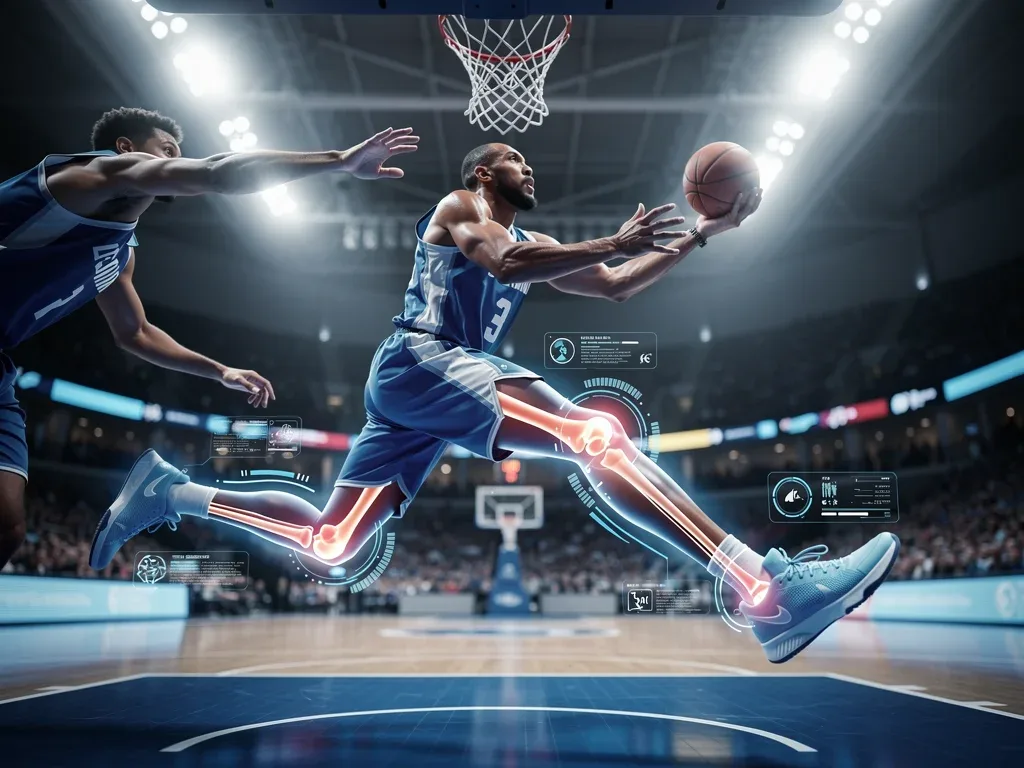
Preventing common basketball injuries, particularly ankle sprains and knee issues among US players, requires a multifaceted approach integrating advanced biomechanics, targeted strength and conditioning, and innovative recovery protocols to enhance athlete longevity and performance in 2026.
In the fast-paced world of professional and amateur basketball, the risk of injury is an ever-present concern. Understanding and mitigating these risks, particularly when it comes to preventing common basketball injuries: a 2026 analysis of ankle sprains and knee issues in US players, is crucial for athlete longevity and team success. This article delves into the latest insights and strategies aimed at safeguarding players from the most prevalent on-court ailments.
Understanding the Landscape of Basketball Injuries in 2026
Basketball, with its explosive movements, rapid changes in direction, and frequent jumping, places immense stress on an athlete’s body. As we look at the landscape in 2026, ankle sprains and knee issues continue to top the list of common injuries, impacting players at all levels across the United States. These injuries not only sideline athletes but can also have long-term consequences for their careers and overall health. The evolution of the game, with increased athleticism and intensity, further exacerbates these risks, demanding more sophisticated preventative measures than ever before.
The prevalence of these injuries isn’t just a matter of bad luck; it’s often a confluence of factors including inadequate conditioning, improper technique, insufficient recovery, and sometimes, unfortunate contact during play. However, advancements in sports science, biomechanics, and rehabilitation are providing new avenues for proactive intervention. By understanding the specific mechanisms and risk factors associated with ankle and knee injuries, we can develop more effective strategies to protect players and keep them on the court.
Epidemiology of Ankle and Knee Injuries
Recent studies in 2026 highlight that ankle sprains account for a significant percentage of all basketball-related injuries, often leading to recurrent issues if not properly managed. Knee injuries, including ACL tears, meniscal tears, and patellofemoral pain syndrome, while less frequent than ankle sprains, often result in longer recovery times and can be career-altering. These statistics underscore the urgent need for comprehensive prevention programs.
- Ankle sprains: Most common basketball injury, frequently leading to recurrence.
- Knee injuries: Less frequent but often more severe, impacting long-term athlete health.
- Increased intensity: Modern basketball’s demands elevate injury risks.
- Data-driven insights: Utilizing 2026 sports science to pinpoint specific risk factors.
The continuous evolution of basketball calls for a dynamic approach to injury prevention, one that integrates cutting-edge research with practical application. This involves a collaborative effort between coaches, medical staff, and athletes themselves to foster a culture of safety and proactive health management. Understanding the injury landscape is the first critical step toward building a more resilient and injury-resistant generation of basketball players.
Advanced Biomechanics and Movement Analysis for Injury Prevention
In 2026, the application of advanced biomechanics and movement analysis has become indispensable in the realm of basketball injury prevention. Gone are the days of generic training regimens; today’s approach involves a highly individualized assessment of each player’s movement patterns, identifying subtle imbalances or inefficiencies that could predispose them to injury. High-speed cameras, motion capture technology, and force plates are now standard tools in elite basketball programs, providing unprecedented data on how players move during critical actions like jumping, landing, cutting, and pivoting.
This detailed analysis allows sports scientists and physical therapists to pinpoint specific biomechanical flaws, such as excessive knee valgus during landing or inadequate ankle dorsiflexion, which are known risk factors for ACL tears and ankle sprains, respectively. Once these issues are identified, targeted interventions can be designed to correct them. This isn’t just about strength training; it’s about re-educating the body to move more efficiently and safely under the high demands of basketball.
The Role of Wearable Technology
Wearable sensors have revolutionized our ability to monitor player load and movement in real-time. These devices can track metrics such as jump height, landing forces, acceleration, and deceleration, providing invaluable insights into an athlete’s physical output and potential fatigue levels. By correlating this data with injury occurrences, coaches and medical staff can identify thresholds beyond which a player’s injury risk significantly increases.
- Real-time load monitoring: Wearables track physical output and fatigue.
- Biomechanical feedback: Immediate data on movement patterns.
- Individualized training: Tailoring programs based on unique player data.
- Early warning systems: Identifying injury risk thresholds before they are met.
The integration of advanced biomechanics and wearable technology empowers teams to make data-driven decisions regarding training intensity, rest periods, and specific corrective exercises. This proactive approach not only helps in preventing injuries but also optimizes performance by ensuring players are operating at their peak physical capacity without compromising their health. The future of basketball injury prevention is undeniably rooted in precision movement analysis and personalized intervention.
Targeted Strength and Conditioning Programs
Effective injury prevention in basketball, especially against ankle sprains and knee issues, hinges significantly on well-designed strength and conditioning programs. In 2026, these programs have moved beyond general fitness to highly specialized regimens that address the unique demands of the sport and the individual needs of each athlete. The focus is on developing robust strength, power, and stability in critical areas, particularly around the ankles, knees, and hips.
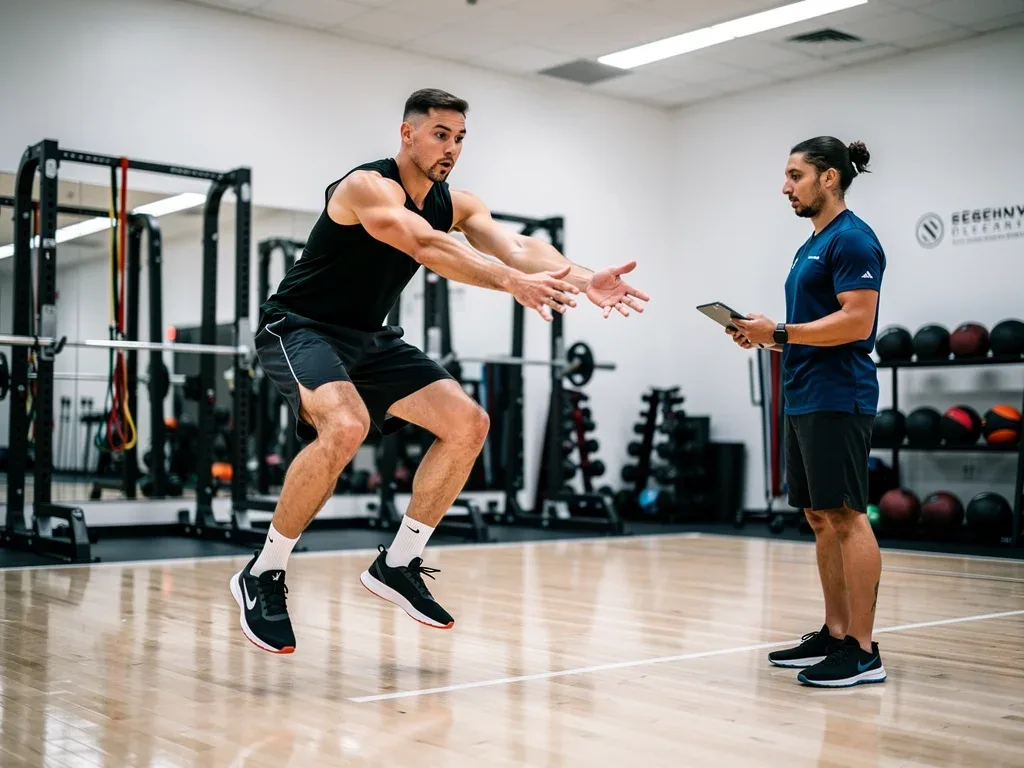
For ankle stability, exercises that challenge proprioception and strengthen the muscles surrounding the ankle joint are paramount. This includes a variety of balance drills, resistance band exercises, and plyometric movements that mimic the dynamic actions of basketball. Similarly, preventing knee injuries requires a comprehensive approach that targets hamstring and glute strength, quadriceps control, and core stability. Strong hamstrings and glutes are crucial for decelerating and changing direction, reducing the load on the ACL, while a stable core provides a foundation for all athletic movements.
Neuromuscular Training for Joint Protection
Neuromuscular training plays a pivotal role in teaching the body how to react and stabilize itself during sudden, unpredictable movements. This type of training focuses on improving coordination, balance, and proprioception, which are critical for preventing injuries during dynamic play. Drills that involve jumping, landing, cutting, and pivoting with an emphasis on proper form and controlled movements help to strengthen the neural pathways responsible for joint protection.
- Proprioceptive drills: Enhancing ankle and knee awareness and control.
- Eccentric strength training: Building resilience in muscles during deceleration.
- Core stability: Foundation for all dynamic movements and injury prevention.
- Agility and reaction training: Improving response time and movement efficiency.
The evolution of strength and conditioning in basketball emphasizes a holistic view, where physical preparedness is seamlessly integrated with skill development. By building a strong, stable, and responsive body, athletes are better equipped to withstand the rigors of the game, significantly reducing their susceptibility to common injuries like ankle sprains and knee issues. These targeted programs are not just about preventing injuries; they are about enhancing overall athletic performance and ensuring players can perform at their highest level consistently.
The Role of Proper Equipment and Bracing
While training and conditioning form the bedrock of injury prevention, the importance of proper equipment and strategic bracing cannot be overstated in 2026. For basketball players, footwear is a critical component, and advancements in shoe technology have led to designs that offer enhanced support, cushioning, and traction, all contributing to a reduction in ankle and knee strain. However, even the best shoes cannot fully negate the risk if they are not chosen correctly for an individual’s foot type and playing style.
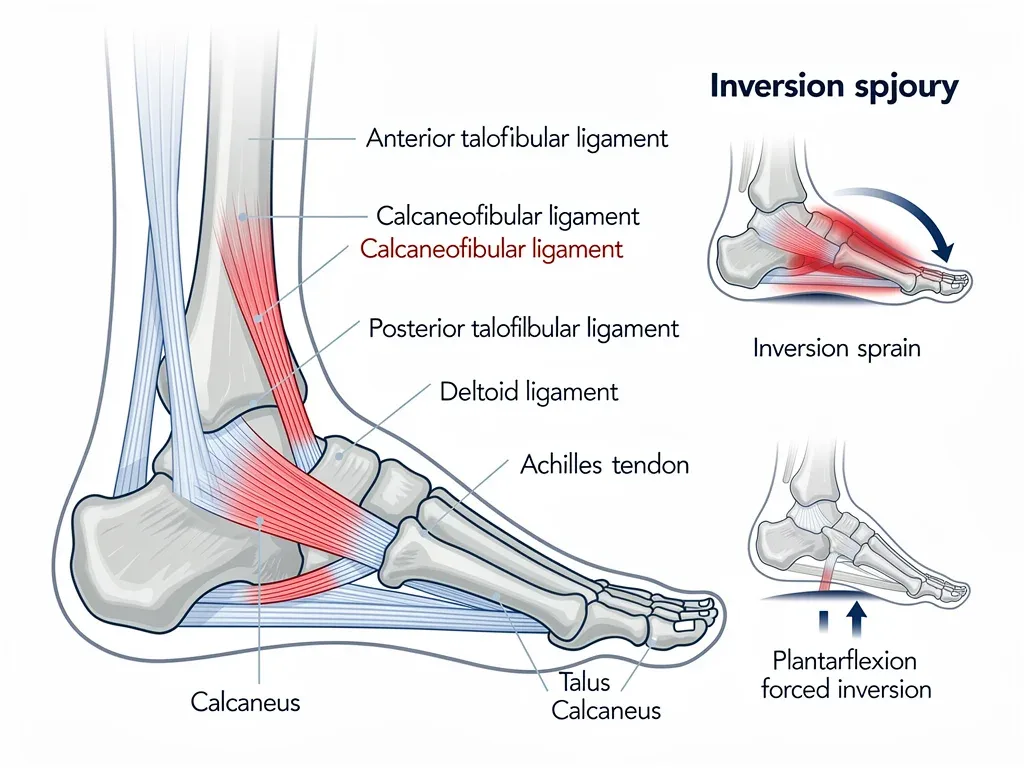
Beyond footwear, the use of prophylactic bracing, particularly for ankles, remains a debated but often beneficial strategy. Ankle braces, both lace-up and semi-rigid, can provide external support to the joint, limiting excessive inversion or eversion movements that commonly lead to sprains. For players with a history of ankle injuries, or those in high-risk positions, bracing can offer an added layer of protection. Similarly, knee sleeves and braces can provide compression and support, though their role in preventing acute knee injuries is less clear than their utility in managing existing conditions.
Custom Orthotics and Taping Techniques
Custom orthotics, designed to correct biomechanical imbalances in the foot, can have a ripple effect up the kinetic chain, influencing knee and hip alignment. By optimizing foot mechanics, orthotics can reduce abnormal stresses on the ankle and knee joints, thereby lowering injury risk. Furthermore, athletic taping, when applied correctly by a skilled professional, can offer temporary support and proprioceptive feedback, particularly beneficial during games or intense training sessions.
- Footwear advancements: Enhanced support, cushioning, and traction.
- Ankle bracing: External support for stability and sprain prevention.
- Custom orthotics: Correcting foot biomechanics to reduce joint stress.
- Athletic taping: Temporary support and proprioceptive feedback.
The intelligent selection and application of equipment and bracing should always be part of a broader injury prevention strategy, guided by medical professionals. It’s not about relying solely on external aids but integrating them thoughtfully to complement an athlete’s physical preparation. In 2026, the focus is on personalized solutions that maximize protection without hindering performance or creating dependency, ensuring players are both safe and effective on the court.
Nutritional Strategies and Recovery Protocols
Preventing basketball injuries extends beyond the court and the weight room, deeply intertwining with an athlete’s nutritional intake and recovery practices. In 2026, cutting-edge sports nutrition is recognized as a cornerstone of injury resilience, providing the necessary building blocks for tissue repair, inflammation reduction, and overall physiological robustness. Adequate protein intake is vital for muscle repair and growth, while carbohydrates replenish glycogen stores, fueling subsequent training sessions and games.
Beyond macronutrients, micronutrients play a critical role. Vitamins D and K, calcium, and magnesium are essential for bone health, reducing the risk of stress fractures, while antioxidants help combat oxidative stress from intense exercise, promoting faster recovery. Hydration, often overlooked, is fundamental for joint lubrication, nutrient transport, and maintaining optimal physiological function. Dehydration can impair performance and increase the risk of soft tissue injuries.
Optimizing Recovery for Injury Mitigation
Recovery is not merely rest; it’s an active process involving a range of strategies designed to restore the body to its optimal state. Sleep is arguably the most potent recovery tool, allowing for hormone regulation, tissue repair, and cognitive restoration. In 2026, sleep tracking and optimization are standard practices for elite athletes. Additionally, modalities such as cryotherapy, hydrotherapy, foam rolling, and targeted massage therapy are employed to reduce muscle soreness, improve flexibility, and accelerate the removal of metabolic waste products.
- Balanced nutrition: Fueling muscle repair and energy replenishment.
- Micronutrient focus: Supporting bone health and reducing inflammation.
- Strategic hydration: Essential for joint health and physiological function.
- Optimized sleep: Critical for physical and cognitive recovery.
- Active recovery methods: Cryotherapy, massage, and mobility work.
Integrating comprehensive nutritional strategies and meticulous recovery protocols is non-negotiable for basketball players aiming to minimize injury risk and maximize performance. These practices create an internal environment conducive to healing and resilience, allowing athletes to consistently perform at high levels throughout demanding seasons. The emphasis in 2026 is on a holistic approach that recognizes the interconnectedness of diet, rest, and physical output in the pursuit of injury-free excellence.
Psychological Factors and Injury Risk
While physical preparedness, equipment, and nutrition are crucial, the psychological dimension of injury prevention in basketball is gaining significant recognition in 2026. Mental fatigue, stress, and lack of focus can subtly but significantly increase an athlete’s susceptibility to injury. When a player is mentally drained, their reaction time may slow, decision-making can be impaired, and their ability to maintain proper technique under duress can diminish, all leading to a higher risk of missteps or awkward landings that cause ankle sprains and knee issues.
The immense pressure of competition, expectations from coaches and fans, and personal performance goals can contribute to chronic stress. This stress not only affects mental well-being but also has physiological consequences, including elevated cortisol levels which can impede recovery and make the body more prone to injury. Therefore, integrating mental health support and stress management techniques into an athlete’s routine is as vital as their physical training.
Mindfulness and Cognitive Training
Mindfulness practices, such as meditation and focused breathing, are increasingly being adopted by basketball players to improve concentration, reduce anxiety, and enhance overall mental resilience. By fostering a greater awareness of their body and surroundings, athletes can better anticipate movements and react more precisely, potentially avoiding dangerous situations on the court. Cognitive training exercises, designed to improve reaction time, peripheral vision, and decision-making under pressure, also contribute to a safer playing environment.
- Mental fatigue: Impairs reaction time and technique, increasing risk.
- Stress management: Reduces physiological impact of chronic pressure.
- Mindfulness practices: Enhances focus and body awareness.
- Cognitive training: Improves reaction time and decision-making.
Recognizing and addressing the psychological factors that contribute to injury risk is a hallmark of advanced sports medicine in 2026. By cultivating mental resilience, fostering a positive team environment, and providing access to mental health professionals, basketball programs can create a more holistic and protective ecosystem for their players. A healthy mind is an indispensable asset in preventing injuries and ensuring sustained high-level performance throughout a demanding career.
Future Trends in Basketball Injury Prevention (2026 and Beyond)
As we look beyond 2026, the field of basketball injury prevention is poised for even greater innovation, driven by advancements in artificial intelligence, personalized medicine, and integrated data analytics. The goal remains the same: to keep athletes healthy and performing at their peak, but the tools and methodologies are becoming increasingly sophisticated. The future promises a more predictive and preemptive approach to injury management, moving beyond reactive treatments to truly anticipatory interventions.
One significant trend is the rise of AI-powered predictive analytics. By feeding vast amounts of player data—including training loads, sleep patterns, nutritional intake, biomechanical assessments, and even psychological profiles—into sophisticated algorithms, AI can identify subtle patterns and risk factors that human observation might miss. This allows for highly individualized risk assessments and the generation of tailored prevention plans before an injury even manifests. Imagine an AI system flagging a player’s increased risk for an ankle sprain weeks in advance, based on minute changes in their landing mechanics and fatigue levels.
Personalized Medicine and Genetic Predisposition
The integration of personalized medicine, including genetic screening, is another frontier. While still in its nascent stages for sports injury prevention, understanding an individual’s genetic predisposition to certain types of injuries or their unique recovery profiles could lead to highly customized training and nutritional strategies. For example, knowing a player’s collagen synthesis rate could influence their protein intake or recovery protocols. This level of personalization moves beyond population-level recommendations to truly individual-specific care.
- AI predictive analytics: Identifying injury risks before they occur.
- Genetic screening: Tailoring prevention based on individual predispositions.
- Augmented reality training: Real-time feedback for movement correction.
- Bioprinting and regenerative medicine: Accelerating recovery from unavoidable injuries.
The convergence of these technologies and methodologies will transform basketball injury prevention into a highly precise and adaptive science. The focus will shift from general guidelines to dynamic, real-time adjustments based on a continuous stream of personalized data. This proactive, data-driven approach promises to significantly reduce the incidence of common basketball injuries, ensuring players can enjoy longer, healthier, and more successful careers in the sport they love.
| Key Prevention Area | Brief Description |
|---|---|
| Biomechanics Analysis | Utilizing tech to identify and correct individual movement flaws. |
| Targeted Conditioning | Specialized strength, power, and stability training for joints. |
| Nutrition & Recovery | Optimizing diet and recovery protocols for tissue repair and resilience. |
| Psychological Support | Addressing mental fatigue and stress to reduce injury susceptibility. |
Frequently Asked Questions About Basketball Injury Prevention
What are the most common basketball injuries in 2026?▼In 2026, ankle sprains and various knee issues, including ACL tears and patellofemoral pain syndrome, remain the most prevalent injuries among basketball players. These injuries are often due to the sport’s high-impact, dynamic movements and rapid changes in direction, affecting players at all competitive levels.
How does biomechanics analysis help prevent injuries?▼Biomechanics analysis uses advanced technology like motion capture to identify individual movement inefficiencies or imbalances, such as improper landing mechanics. By pinpointing these specific flaws, coaches and medical staff can design targeted corrective exercises and training regimens to reduce stress on joints and prevent injuries.
Is bracing effective for preventing ankle sprains in basketball?▼Yes, ankle braces can be effective, particularly for players with a history of sprains or those in high-risk positions. They provide external support, limiting excessive joint movements that lead to injury. However, bracing should complement comprehensive strength, conditioning, and proprioceptive training, not replace it.
What role does nutrition play in injury prevention for basketball players?▼Nutrition is crucial for injury prevention as it provides the essential building blocks for tissue repair, reduces inflammation, and supports bone health. Adequate protein, carbohydrates, and micronutrients like Vitamin D and calcium are vital for muscle recovery, energy, and overall physiological resilience, minimizing injury risk.
How are psychological factors linked to basketball injuries?▼Mental fatigue, stress, and lack of focus can increase injury risk by impairing reaction time, decision-making, and technique. When mentally drained, players are more susceptible to awkward movements. Integrating mental health support and mindfulness practices helps maintain focus and resilience, reducing the likelihood of injuries.
Conclusion
Preventing common basketball injuries: a 2026 analysis of ankle sprains and knee issues in US players reveals a sophisticated, multi-pronged approach is essential for athlete welfare. From advanced biomechanical analysis and targeted strength and conditioning to meticulous nutritional strategies, optimized recovery protocols, and crucial psychological support, every aspect contributes to building a more resilient player. The future promises even greater precision through AI and personalized medicine, ensuring that the dynamic nature of basketball can be enjoyed with minimized risk, allowing players to thrive and push the boundaries of the sport safely and effectively.