Basketball Training Technology Market: 2026 Wearables Adoption
Advertisements
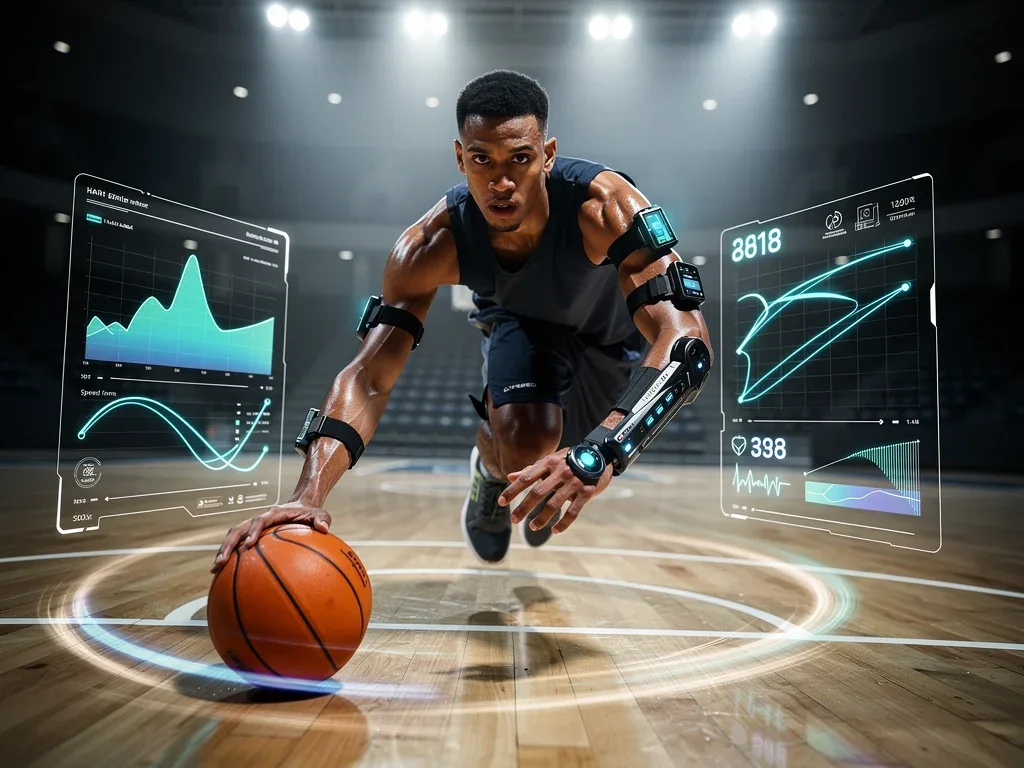
The basketball training technology market is poised for significant transformation by 2026, driven by an impressive 14% adoption rate of wearables, fundamentally reshaping athlete development and performance analysis.
The landscape of athletic preparation is undergoing a profound transformation, particularly within the dynamic world of basketball. By 2026, the basketball training technology market is projected to witness a significant evolution, largely propelled by an anticipated 14% adoption rate of wearable devices. This shift isn’t just about incremental improvements; it represents a fundamental rethinking of how athletes train, recover, and optimize their performance. Understanding this burgeoning market is crucial for players, coaches, and technology developers alike.
The Rise of Wearables in Basketball Training
Wearable technology has rapidly moved from niche gadgetry to an indispensable tool in high-performance sports. In basketball, these devices offer an unprecedented level of insight into an athlete’s physical output, biomechanics, and overall well-being. The 14% adoption rate by 2026 signifies a critical mass, indicating that these tools are no longer experimental but are becoming standard practice for competitive advantage.
This growth is fueled by several factors, including advancements in sensor accuracy, data processing capabilities, and user-friendly interfaces. Athletes and coaches are increasingly recognizing the tangible benefits that data-driven training provides, moving beyond traditional methods based solely on observation.
Key Wearable Technologies Driving Adoption
The array of wearables available for basketball training is diverse, each designed to capture specific metrics crucial for performance enhancement.
- Smart Vests: These often contain GPS trackers, accelerometers, and heart rate monitors, providing comprehensive data on movement, speed, distance covered, and physiological stress during practice and games.
- Smartwatches and Fitness Bands: While more general, advanced sports-focused versions offer heart rate variability, sleep tracking, and recovery metrics, vital for overall athlete health.
- Smart Basketballs: Equipped with sensors, these can track dribble force, shot trajectory, and shot accuracy, offering immediate feedback to players on fundamental skills.
- Sensor-Equipped Apparel: Shirts, shorts, and even socks with embedded sensors can monitor muscle activation, posture, and impact forces, providing biomechanical insights.
The integration of these technologies allows for a holistic view of an athlete’s performance, enabling coaches to tailor training programs with unprecedented precision. This data empowers players to understand their bodies better and make informed decisions about their training regimens.
The growing acceptance and integration of wearables underscore a shift towards a more scientific and personalized approach to basketball development. This section has highlighted the foundational role of these devices in shaping the future of training, setting the stage for deeper analysis into their impact.
Impact on Player Development and Performance Analytics
The widespread adoption of wearables is revolutionizing how basketball players develop their skills and how their performance is analyzed. Gone are the days when coaching was solely based on subjective observation. Now, objective data provides a clear, measurable foundation for improvement, allowing for targeted interventions and personalized training plans.
This data-driven approach means that every drill, every sprint, and every jump can be quantified and evaluated. Coaches can identify subtle inefficiencies in movement, pinpoint areas of fatigue, and even predict potential injury risks long before they manifest. This proactive approach is invaluable for player longevity and peak performance.
Enhancing Skill Acquisition and Refinement
Wearables offer immediate, actionable feedback that accelerates the learning curve for players. For instance, a smart basketball can tell a player if their shot release angle is inconsistent, allowing for real-time adjustments during practice.
- Shot Mechanics Analysis: Devices track release points, arc, and spin, providing objective data for shooting coaches.
- Dribbling Efficiency: Sensors in shoes or balls can measure ball-handling speed, control, and pressure.
- Movement Economy: Accelerometers and gyroscopes in vests analyze agility, quickness, and change-of-direction efficiency, crucial for offensive and defensive maneuvers.
This granular data helps players understand not just *what* they are doing, but *how* they are doing it, fostering a deeper understanding of their own mechanics. This leads to more efficient practice sessions and faster skill refinement.
Beyond individual skills, performance analytics derived from wearables provide a comprehensive overview of a player’s physical condition throughout a season. This includes monitoring training load, recovery status, and game day readiness, all critical components for sustained high-level play. The ability to track these metrics over time creates a longitudinal data set that can inform long-term development strategies.
In essence, wearables transform raw data into intelligent insights, enabling players to reach their full potential and coaches to make more informed decisions about training and game strategy. The impact on performance analytics is profound, creating a new paradigm for athlete evaluation and development.
Challenges and Opportunities in Wearable Integration
While the benefits of basketball training technology and wearables are evident, their integration into daily training routines is not without its challenges. However, these challenges also present significant opportunities for innovation and market growth. Addressing these hurdles will be key to unlocking the full potential of this burgeoning market.
One primary concern revolves around data overload and interpretation. Coaches and athletes need intuitive tools to translate vast amounts of raw data into understandable and actionable insights. Without proper analysis, even the most sophisticated sensors can be rendered ineffective. This has opened doors for specialized data analysts within sports organizations.
Overcoming Data Overload and Ensuring Accuracy
The sheer volume of data generated by multiple wearable devices can be overwhelming. Ensuring the accuracy and reliability of this data is paramount, as flawed information can lead to incorrect training decisions.
- Standardization: The lack of universal data protocols across different manufacturers can hinder seamless integration and comparative analysis.
- Privacy Concerns: Athlete data privacy and security are critical, requiring robust protection measures and transparent policies.
- Calibration and Maintenance: Regular calibration and proper maintenance of devices are essential to ensure consistent and accurate readings.
These challenges are being met with technological advancements such as AI-driven analytics platforms that can process and interpret data more efficiently, presenting it in user-friendly dashboards. Furthermore, increased collaboration among tech companies and sports organizations is fostering the development of more integrated and interoperable systems.
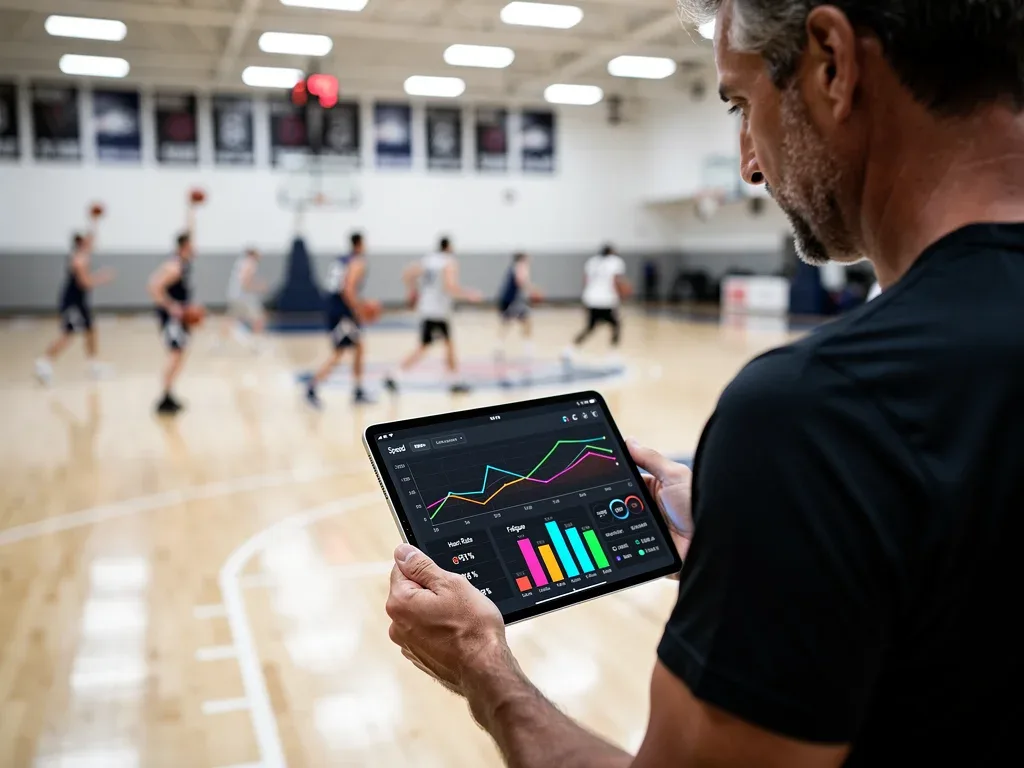
Another significant opportunity lies in making these technologies more accessible and affordable, not just for elite professional teams but also for collegiate, high school, and youth programs. As production costs decrease and awareness grows, the market for basketball training technology will expand significantly, democratizing access to advanced training tools.
The integration of wearables into basketball training presents a duality of challenges and opportunities. Overcoming the former will pave the way for a more efficient, data-driven, and accessible future for player development across all levels of the sport.
Market Growth and Investment Trends
The basketball training technology market, particularly within the wearables segment, is experiencing robust growth, attracting significant investment and fostering innovation. The projected 14% adoption rate by 2026 is a strong indicator of this upward trajectory, reflecting confidence from both consumers and investors in the value proposition of these technologies.
This growth is not merely organic; it’s being propelled by strategic partnerships between tech companies and sports brands, as well as venture capital flowing into startups focused on performance optimization. The competitive nature of professional basketball, where marginal gains can translate into championships, drives a continuous demand for cutting-edge solutions.
Key Market Drivers and Investment Areas
Several factors are contributing to the accelerated growth and investment in basketball training technology.
- Increased Data Sophistication: Demand for more granular and actionable data drives innovation in sensor technology and analytics platforms.
- Personalized Training: The shift towards individualized training programs necessitates tools that can provide tailored insights for each athlete.
- Injury Prevention & Recovery: Technologies that help monitor player load and aid in recovery are highly valued, reducing downtime and extending careers.
- Fan Engagement: Some technologies, while primarily for training, also offer data that can enhance fan experience and broadcasting.
Investment is flowing into areas such as advanced biomechanical analysis systems, AI-powered coaching platforms, and integrated ecosystems that combine data from multiple sources. Companies offering solutions that are easy to use, provide clear insights, and demonstrate a measurable return on investment are particularly attractive.
Furthermore, the expansion of basketball globally means a larger potential market for these technologies. Developing basketball programs in emerging markets are eager to adopt the latest training methodologies to compete on the international stage, further fueling demand. This global reach presents a significant opportunity for companies operating in this space.
The market for basketball training technology is vibrant and dynamic, characterized by continuous innovation and substantial investment. As the benefits become more widely recognized and technology becomes more accessible, this growth trajectory is expected to continue, solidifying wearables as a cornerstone of modern basketball.
The Role of AI and Machine Learning in Training Tech
The integration of Artificial Intelligence (AI) and Machine Learning (ML) is rapidly transforming the capabilities of basketball training technology, moving beyond mere data collection to sophisticated analysis and predictive insights. These advanced algorithms are the brains behind interpreting the vast amounts of data generated by wearables, turning raw numbers into actionable intelligence for coaches and athletes.
AI and ML can identify patterns in performance that human observers might miss, offering a deeper understanding of an athlete’s strengths, weaknesses, and potential for improvement. This allows for truly personalized training regimens, adapting in real-time to a player’s progress and physical state.
AI-Powered Analytics and Predictive Modeling
AI algorithms can process complex datasets from multiple wearables simultaneously, identifying correlations and anomalies that inform training decisions.
- Performance Prediction: ML models can forecast an athlete’s performance trajectory based on historical data, training load, and recovery metrics.
- Injury Risk Assessment: By analyzing biomechanical data and fatigue indicators, AI can flag players at high risk of injury, allowing for preventative measures.
- Personalized Coaching: AI can suggest specific drills or adjustments to training intensity based on an individual’s unique physiological responses and skill development needs.
- Game Strategy Optimization: Beyond individual training, AI can analyze team performance data to help coaches develop more effective game strategies.
These capabilities extend to virtual coaching assistants and intelligent feedback systems that can interact with players, providing instant guidance during practice sessions. Imagine a system that tells a player, based on their real-time sensor data, to adjust their shooting form or sprint harder during a drill.

The predictive power of AI and ML is particularly impactful in injury prevention, a critical concern in high-intensity sports like basketball. By continuously monitoring subtle changes in an athlete’s movement patterns or physiological markers, AI can provide early warnings, potentially saving careers and reducing team costs associated with player rehabilitation.
The synergy between wearables and AI/ML is creating a new frontier in basketball training, offering unparalleled insights and a level of personalization that was previously unimaginable. This technological evolution promises to redefine the limits of athletic performance and player well-being.
Future Outlook and Emerging Trends by 2026
Looking towards 2026, the basketball training technology market is poised for continued innovation and expansion, with several key trends shaping its future. The 14% adoption rate of wearables is just a stepping stone, indicating a growing acceptance that will likely accelerate further as technologies mature and become more integrated into the sport’s ecosystem.
One significant trend will be the move towards more seamless and less intrusive wearable designs. Current devices, while effective, can sometimes be bulky or require specific placement. Future iterations will likely be integrated more discreetly into standard athletic apparel and footwear, enhancing comfort and ease of use without compromising data quality.
Advanced Integration and Immersive Training
The future will see a greater convergence of various technologies, creating comprehensive training ecosystems.
- Virtual and Augmented Reality (VR/AR): Immersive training environments will allow players to practice against virtual opponents or simulate game scenarios without physical presence.
- Biometric Data Expansion: Beyond current metrics, future wearables might incorporate advanced neurological or biochemical markers to provide even deeper insights into mental and physical states.
- Smart Arenas: Integration of sensor technology directly into courts and training facilities will provide environmental data and broader spatial analytics, complementing individual player data.
- Personalized Nutrition & Hydration: Wearables will increasingly offer real-time recommendations for nutrition and hydration based on individual physiological needs and training intensity.
The emphasis will also shift from simply collecting data to providing highly personalized, real-time coaching and feedback. This means less time analyzing spreadsheets and more time acting on immediate, actionable insights delivered directly to the athlete or coach during practice.
Furthermore, the regulatory landscape around athlete data will likely evolve, with increased focus on data ownership, privacy, and ethical use. This will necessitate greater transparency from technology providers and robust security measures to protect sensitive player information. The future of basketball training technology is bright, promising an era of unprecedented athletic optimization and data-driven excellence.
Ethical Considerations and Data Privacy
As the basketball training technology market, particularly with its 14% wearable adoption rate by 2026, continues its rapid expansion, critical ethical considerations and data privacy concerns come to the forefront. The vast amounts of personal and performance data collected from athletes raise important questions about who owns this data, how it is used, and how it is protected. Addressing these concerns is paramount for maintaining trust and ensuring the responsible growth of the industry.
The potential for misuse of sensitive biometric and performance data is a genuine concern. This includes issues such as data being used for contract negotiations, player evaluations, or even shared with third parties without explicit consent. Establishing clear guidelines and robust legal frameworks is essential to safeguard athletes’ rights and privacy.
Safeguarding Athlete Data and Ensuring Fair Use
Protecting athlete data requires a multi-faceted approach, encompassing legal, technological, and ethical measures.
- Data Ownership: Clarifying who owns the data—the athlete, the team, or the technology provider—is a foundational step.
- Informed Consent: Athletes must be fully informed about what data is being collected, how it will be used, and with whom it will be shared, providing explicit consent.
- Anonymization and Aggregation: For research or general trend analysis, data should be anonymized and aggregated to protect individual identities.
- Cybersecurity Measures: Robust encryption and cybersecurity protocols are necessary to protect data from breaches and unauthorized access.
Beyond privacy, ethical considerations also extend to the potential for technological disparities. Ensuring that advanced training technology is accessible to a wide range of athletes, not just those in elite programs, is crucial for fostering equitable development within the sport. This involves considerations of cost and distribution.
Moreover, the psychological impact of constant monitoring should not be overlooked. Athletes might feel undue pressure or anxiety if they perceive their every move is being scrutinized. Striking a balance between data-driven insights and maintaining a healthy, supportive training environment is key.
The ethical landscape surrounding basketball training technology is complex, demanding careful navigation. By prioritizing data privacy, ensuring transparency, and fostering equitable access, the industry can continue to innovate responsibly, benefiting athletes without compromising their fundamental rights.
| Key Aspect | Brief Description |
|---|---|
| Wearables Adoption | Projected 14% adoption rate by 2026, indicating mainstream integration into basketball training. |
| Impact on Development | Revolutionizing player skill acquisition, performance analytics, and injury prevention through data. |
| AI & Machine Learning | Enhancing data interpretation, predictive insights, and personalized coaching strategies. |
| Ethical Considerations | Addressing data privacy, ownership, and equitable access crucial for sustainable market growth. |
Frequently Asked Questions About Basketball Training Technology
What exactly is driving the 14% adoption rate of wearables by 2026?▼The 14% adoption rate is primarily driven by advancements in sensor accuracy, more sophisticated data analytics, and increased awareness among coaches and athletes about the tangible benefits of data-driven training for performance enhancement and injury prevention. The competitive nature of basketball also fuels demand for any edge technology can provide.
How do wearables specifically help in preventing basketball injuries?▼Wearables help prevent injuries by continuously monitoring an athlete’s training load, fatigue levels, and biomechanical stressors. They can detect subtle changes in movement patterns or physiological markers that might indicate an increased risk of injury, allowing coaches to adjust training regimens proactively and intervene before an injury occurs.
Are these technologies only for professional basketball players?▼While initially prevalent in professional sports, basketball training technology is becoming increasingly accessible and affordable. By 2026, many collegiate, high school, and even youth programs are expected to adopt these tools, democratizing access to advanced training methodologies and data-driven insights for a broader range of athletes.
What role does AI play beyond just collecting data from wearables?▼AI and Machine Learning are crucial for interpreting the vast amounts of data collected by wearables. They identify complex patterns, offer predictive insights into performance and injury risk, and enable truly personalized coaching recommendations. AI transforms raw data into actionable intelligence, making training more efficient and effective.
What are the main ethical concerns regarding basketball training technology?▼Key ethical concerns include data privacy and ownership, ensuring informed consent from athletes, and preventing the misuse of sensitive performance data for purposes like contract negotiations. There are also considerations about equitable access to these technologies and the potential psychological impact of constant monitoring on athletes’ well-being.
Conclusion
The basketball training technology market is undeniably at a pivotal juncture, with the projected 14% adoption rate of wearables by 2026 signaling a profound shift in how athletes are developed and managed. This evolution is driven by the undeniable benefits of data-driven insights, offering unprecedented precision in skill development, performance optimization, and injury prevention. While challenges related to data management and ethical considerations persist, the continuous innovation in AI, sensor technology, and integrated training ecosystems promises to overcome these hurdles. As the industry matures, these advanced tools will become standard, not just for elite athletes, but across all levels of the sport, fostering a new era of informed, efficient, and personalized basketball training.